- Category
- Baking
- State
- Powdered
- Usual unit
- g
What it is
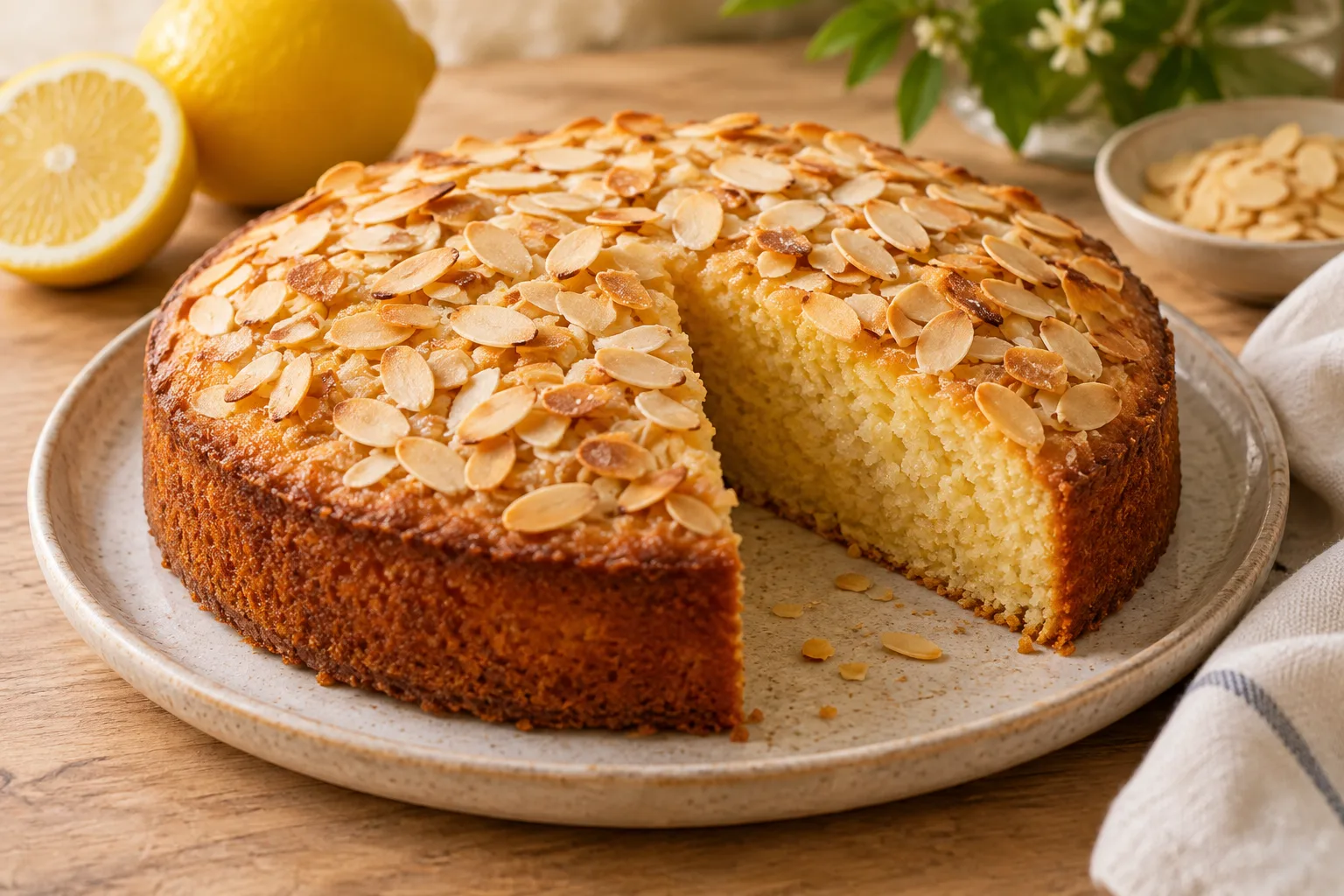
Baking powder is a powdered chemical leavener used to help certain batters and doughs rise. Despite the word “yeast” in some names used around the world, it is not the living microorganism used to ferment bread dough. Its leavening action comes from a chemical reaction that produces gas and aerates the mixture as it is prepared and, especially, baked. It is commonly used for cakes, muffins and cookies. The exact formulation can differ between products, so read the package and follow the recipe. Do not confuse baking powder with fresh or dried baker’s yeast: those products ferment dough and are intended for different preparations.
When to use it
Use it when a recipe specifically calls for baking powder or a chemical leavener, for example in cakes, muffins or some cookies. It suits recipes designed to rise through gas formation and baking; it is not an automatic replacement for fermentation in bread or pizza dough. Check the exact ingredient name in the recipe, since terms can be confusing across countries and products sold as “yeast” do not all work alike. If a recipe does not call for it, do not add an amount by guesswork: the result depends on the product formulation and the proportions of the batter or dough.
How to use it
Measure the amount specified in the recipe and distribute it evenly through the dry ingredients, unless the recipe or product label gives different directions. Combine the ingredients in the stated order and method, then bake as directed by the recipe. Baking powder does not need to be activated like baker’s yeast, and it does not require leaving the mixture to ferment for hours. Do not swap it directly for baker’s yeast: their actions and uses are different. For a dependable result, choose a product intended for baking, follow the stated proportions and avoid increasing the amount without instructions.
Flavour and texture
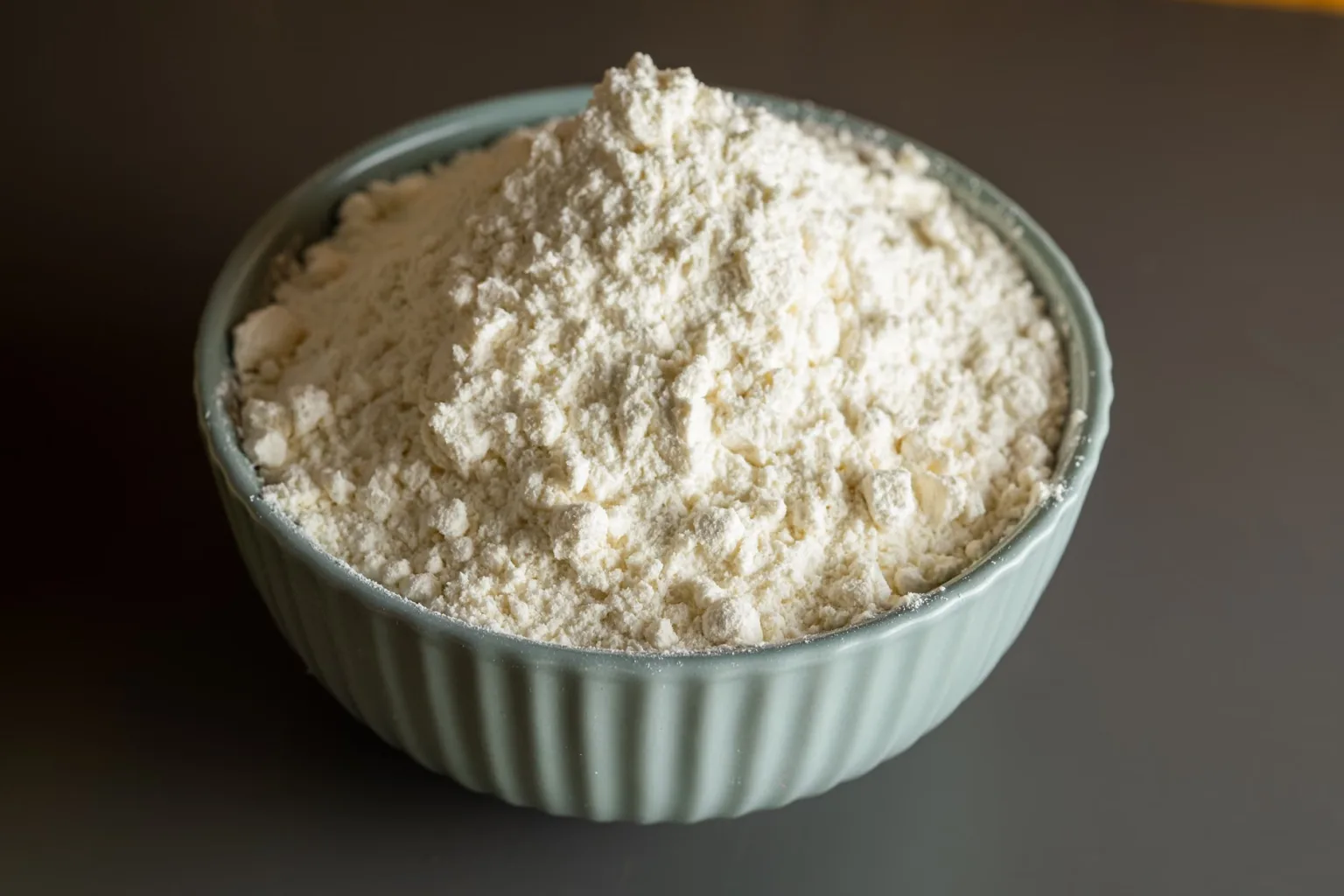
Its main job is to leaven rather than provide a dominant flavor. In suitable recipes, it contributes to a more aerated structure and helps the mixture rise during baking. The finished texture depends on the recipe and on how the ingredients are mixed and baked. The powder is generally fine and dry, though its appearance can vary by brand and product. Its gas-producing action should not be confused with fermentation by baker’s yeast, which is a different process and can give dough different characteristics.
How to choose it
Look for a product labelled baking powder or chemical leavener and check that it is the type requested by the recipe. Do not choose solely because a package says “yeast”: baker’s yeast has a different use. Read the ingredient list, directions and any specific conditions given by the manufacturer. Products and formulations can differ between brands, so do not assume they all use the same proportions. If you need to manage an allergy or intolerance, check the label of the specific product.
Storage
Keep the powder away from moisture and contamination, and store it tightly closed according to the manufacturer’s directions. Moisture can deteriorate the leavener and affect how it performs, so do not use a wet utensil or leave the package open near steam. Available evidence supports sealed, dry storage, but does not establish one universal shelf life for every product. Check the date and directions on the label, especially after opening.
Substitutions
There is no universal replacement that can be applied without checking the recipe. Another baking powder formulated for baking may work if its directions and the recipe are compatible. Baking soda should not automatically be exchanged for baking powder: the recipe needs to specify how to use and balance it. Baker’s yeast is not a direct substitute either, because it works by fermentation and is used in different doughs. If uncertain, using the ingredient named in the recipe is more reliable than guessing a conversion.
Common mistakes
A frequent mistake is confusing baking powder with fresh or dried baker’s yeast. Results can also suffer if baking soda is used as a direct replacement, quantities are changed without guidance, or the package is left open in a damp place. Follow the recipe and the product label: amounts and directions need not be the same for every formulation. Do not add leavener to a mixture that does not call for it, since the appropriate amount depends on the full ingredient balance.
Safety and allergens
Read the product label and follow its use and storage directions. Keep the powder dry and protected from contamination, out of reach of young children, and avoid breathing it in while handling. If you have an allergy or intolerance, check the specific product label because formulations can vary.
Culinary uses
- Impulsor químico para masas de repostería
- Ayuda a que bizcochos, magdalenas y galletas aumenten de volumen
Recommended techniques
- Mezclar con los ingredientes secos siguiendo la receta
- Hornear la masa preparada sin tratarlo como levadura de panadería
Pairs well with
- Harina en masas de bizcochos y galletas
- Masas dulces de magdalenas y otros productos de repostería
Frequently asked questions
Is baking powder living yeast?
No. It is a powdered chemical leavener, not the living baker’s yeast used to ferment dough.
Can I use it to make bread?
Do not use it as a direct replacement for baker’s yeast. Yeasted bread and baking-powder recipes rely on different processes.
How should I store it after opening?
Keep it tightly closed and protected from moisture, and follow the directions and date on the package.
Estimated nutrition
- Fat
- 0 g
- Saturates
- 0 g
- Carbohydrate
- 0 g
- Sugars
- 0 g
- Protein
- 0 g
- Salt
- 14.58 g
Sources and review
Automatically researched, cross-checked and validated content. Sources consulted:
- En el etiquetado alimentario hay algunas menciones que son obligatorias eletiquetadocuentamucho.aesan.gob.es
- (PDF) Recopilación de técnicas en panadería Tomo I academia.edu
- Levadura: tipos de levadura y diferentes usos cocinatis.com
- Levadura: qué es, tipos y beneficios bonviveur.com
- Aesan - Agencia Española de Seguridad Alimentaria y Nutrición aesan.gob.es
- Tipos de Levadura y usos en la Cocina - Postres Originales postresoriginales.com
- Client Challenge doi.org
- Cooking Food Storage | USU extension.usu.edu
- Alimentos y Nutrición: Pan Rápido vs. Pan con Levadura bookstore.ksre.ksu.edu
- Opciones optativas | Culinary Institute Lenotre culinaryinstitute.edu
- Repostería Selecta, 3rd ed. (1950) - lacocina.utsa.edu
- Diploma en Panadería y Repostería Internacional | Northbridge University northbridge.edu
- Máster profesional en Pastelería de Restaurante y Cocina Dulce — Formación para profesionales mondragon.edu
- Unidad Académica Escuela Técnica. Northbridge University tecnicos.nuc.edu
- Almacenamiento Seguro de Alimentos: El Refrigerador y el ... ucanr.edu
- Tipos de levadura y sus usos en repostería – Tartas Cristina tartascristina.com
- Tipos de Levaduras, aprende sus usos en Panadería y Repostería. 1013recetasdecocina.com