- Category
- Sauces and condiments
- State
- Liquid
- Usual unit
- tablespoon
What it is
Balsamic vinegar is a vinegar and seasoning commonly recognized by its dark color and balance of sweet and acidic notes. Products sold under a balsamic name are not all alike: Aceto Balsamico Tradizionale is made from cooked grape must and aged for a long time, while commercial Aceto Balsamico di Modena combines cooked must with wine vinegar and is generally lighter and more acidic. Other balsamic-style products may not carry a protected designation, so check the product name and label to understand which style you are buying.
When to use it
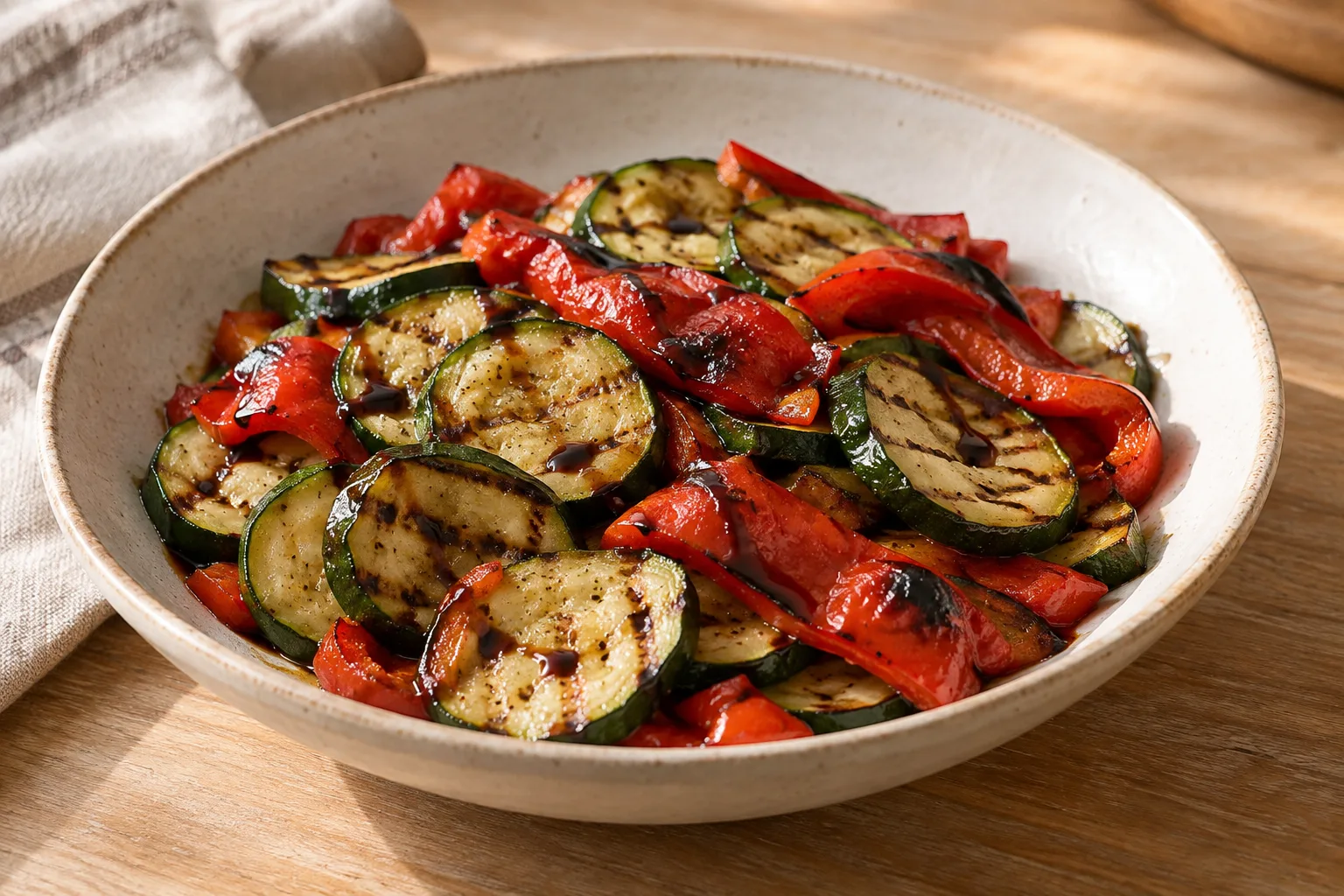
Use it when you want to add acidity with a sweet, aromatic accent. A commercial style is convenient for salad dressings or for adding a finishing touch to meat and vegetables; traditional styles, which are more concentrated and complex, are often used sparingly with selected dishes. It can also accompany fruit and some desserts. Products vary in intensity, sweetness and texture, so start with a little and taste before adding more.
How to use it
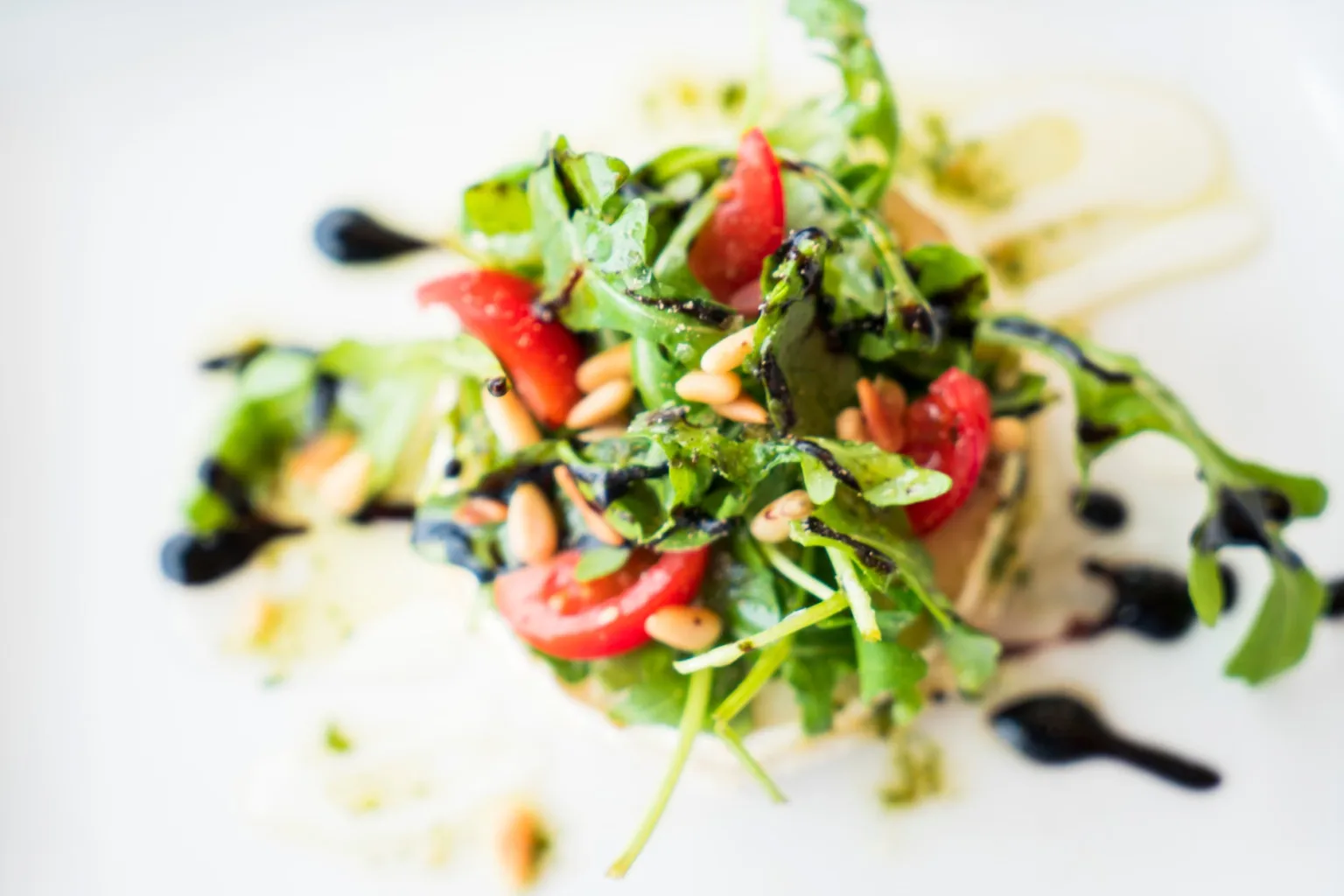
For a simple dressing, mix balsamic vinegar with oil and adjust the amount to suit the balance you want; taste it before pouring it over a salad. You can also add a few drops to roasted meat or vegetables for a sweet-sour contrast. In hot dishes, use it as a seasoning and bear in mind that styles differ in strength. Traditional balsamic can be dense and aromatic, so a small amount may be enough; commercial styles are often suited to more everyday uses. You can also try it with fruit or some desserts.
Flavour and texture
Its profile typically balances acidity and sweetness, with a pronounced aroma and dark color. Texture varies: some traditional balsamic vinegars are dense, while commercial versions can be more fluid. Style, ingredients and aging affect intensity, so the flavor can range from lighter and sharper to more concentrated and complex.
How to choose it
Read the product name and ingredient list to understand what you are buying; the word balsamic alone does not guarantee a particular style. Aceto Balsamico Tradizionale and Aceto Balsamico di Modena are distinct categories with differences in production, aging and culinary use. Compare package size and price too: traditional products are generally more concentrated and costly, and are used in small amounts.
Storage
Always follow the storage instructions on the label, since individual products may have specific guidance. If no special instructions are given, keep the bottle tightly closed in a cool place away from heat, strong light and strong odors. Avoid transferring it to a container that is not clean or could affect the product. If you notice changes that concern you, check the label and do not use it if it appears spoiled.
Substitutions
Another vinegar can add acidity to a recipe, but it will not necessarily reproduce balsamic vinegar's sweetness, aroma or texture. Replacing traditional balsamic with a commercial style will give a less concentrated result with a different profile. Make the change gradually and taste the dish before adjusting the rest of the dressing.
Common mistakes
Do not assume that every balsamic vinegar has the same ingredients, thickness or intensity. Adding too much at once can overpower a dressing or dish; begin with a small amount and taste. Do not choose by color or name alone either: check the product designation and label to understand its style.
Safety and allergens
Check the label for ingredients, possible allergens, and the product's storage and use instructions. Products can differ in composition, so do not assume they all contain the same ingredients. If you have an allergy or intolerance, confirm the information with the manufacturer or seller when the label is unclear.
Culinary uses
- Aderezo y condimento para aportar un equilibrio agridulce
- Toque aromático para platos salados y postres
Recommended techniques
- Mezclar con aceite para preparar una vinagreta
- Añadir unas gotas como acabado o condimento
Pairs well with
- Ensaladas y verduras
- Carnes asadas
- Frutas y algunos postres
Frequently asked questions
Are all balsamic vinegars the same?
No. Traditional styles, commercial products and other balsamic condiments can differ in ingredients, aging, texture and intensity. Check the product name and label.
How can I use it in a salad?
Mix it with oil to make a dressing, or add it to your dressing gradually, tasting before serving.
How should I store the bottle?
Follow the label. If it gives no other instructions, keep the bottle tightly closed in a cool place away from heat, strong light and strong odors.
Estimated nutrition
- Fat
- 0 g
- Saturates
- 0 g
- Carbohydrate
- 73.3 g
- Sugars
- 33.3 g
- Fibre
- 0 g
- Protein
- 0 g
- Salt
- 0 g
Sources and review
Automatically researched, cross-checked and validated content. Sources consulted:
- En el etiquetado alimentario hay algunas menciones que son obligatorias eletiquetadocuentamucho.aesan.gob.es
- Aesan - Agencia Española de Seguridad Alimentaria y Nutrición aesan.gob.es
- PLIEGO DE CONDICIONES DE LA DOP «VINAGRE DEL CONDADO DE HUELVA». mapa.gob.es
- Cómo reconocer el verdadero vinagre balsámico de Módena doi.org
- Vinegar • The Nutrition Source nutritionsource.hsph.harvard.edu
- Balsamic Vinegar of Modena | Institute of Culinary Education ice.edu
- Flavored Vinegars | Home & Garden Information Center hgic.clemson.edu
- Balsamic Vinaigrette - Cooperative Extension: Food & Health - University of Maine Cooperative Extension extension.umaine.edu
- ¿Qué es el vinagre balsámico? | Vinagrerías Riojanas riojavina.es
- Aceto balsámico - Wikipedia, la enciclopedia libre es.wikipedia.org
- Vinagre o aceto balsámico. ¿Qué son y cómo diferenciarlos del resto de vinagres? abc.es
- Arte del Vinagre Balsámico de Manzana, sus Secretos y Usos Culinarios importacionescantabria.com
- ¿Qué es el vinagre balsámico? - Gustini - italienischer Foodblog gustini.es
- Qué es el vinagre balsámico; conoce para qué sirve | Cocina Delirante cocinadelirante.com
- Vinagre balsámico. De qué está hecho- Grupo Milenio milenio.com
- Vinagre Balsámico y su uso en la cocina - Talleresculinaria talleresculinaria.com