- Category
- Fruit
- State
- Fresh
- Usual unit
- unit
What it is
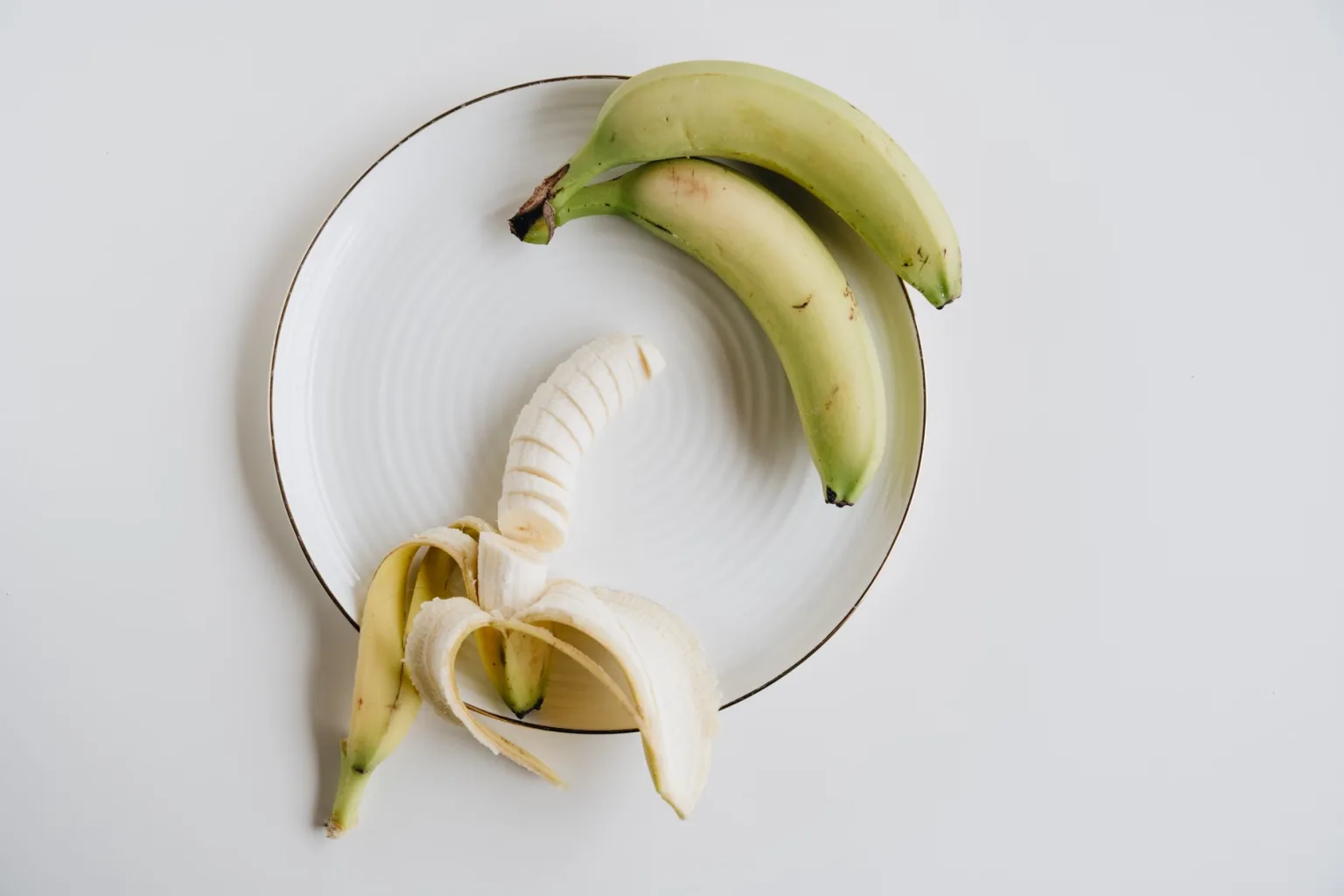
A banana is the fruit of plants in the genus Musa, in the family Musaceae. The name can refer to different fruits depending on the region: in some places it mainly means the sweet fruit commonly eaten raw, while elsewhere it also includes cooking varieties such as plantain. It is therefore useful to identify the kind of fruit and its ripeness rather than relying on the name alone. As sweet dessert bananas ripen, their flesh generally becomes softer and sweeter. Cooking varieties may be firmer and less sweet, and are commonly prepared with heat. This profile uses “banana” broadly and notes when a recommendation depends on the variety.
When to use it
Choose a ripe sweet banana to eat fresh, blend into a smoothie, or add flavor and body to a dessert or baked mixture. Softer, sweeter flesh is generally easy to mash or purée. If you want a savory preparation that needs a firm fruit, check that the recipe calls for a cooking banana: varieties, and their stages of ripeness, do not behave identically. Green cooking bananas are commonly used in savory dishes, while ripe ones can contribute more sweetness.
How to use it
To eat a sweet banana fresh, peel it and eat the flesh. Slice it into cereal, yogurt or fruit salad, or blend it into a smoothie. Ripe flesh can be mashed or puréed for desserts and baking; in some recipes it can replace part of the added sweetener, though it does not automatically replace all the sugar or guarantee the same result. If you have a cooking variety, use it according to the recipe: it can be fried, boiled, baked or roasted. Green plantain, for example, is used for tostones or patacones, while ripe plantain can be fried as a side dish. Do not assume that a sweet dessert banana and a cooking plantain are interchangeable.
Flavour and texture
Ripe sweet varieties are generally soft, creamy and sweet; as they ripen, the flesh softens and the sweetness becomes more noticeable. Green cooking plantain is firmer and less sweet, and some varieties have a denser or more starchy texture. Peel color can help indicate ripeness in common varieties, but appearance and flavor also vary by type. Consider the variety and intended use as well as the color.
How to choose it
For common bananas or small dessert bananas, choose fruit that is intact and avoid pieces that are excessively soft. Dark spots on the peel can appear without necessarily indicating poor-quality flesh. Peel color helps estimate ripeness in common varieties, but it does not by itself tell you whether the fruit is sweet or intended for cooking. If you need a firm texture for a savory recipe, make sure you are buying a cooking variety and choose a suitable stage of ripeness.
Storage
Keep a whole fresh banana in a cool, dry place away from direct sunlight; common fresh bananas do not require special storage conditions. Refrigeration can darken the peel, but that change in appearance does not by itself mean the fruit has lost quality. If you bought it for a particular recipe, remember that ripeness continues to affect firmness and sweetness. Follow the label instructions for packaged or prepared products.
Substitutions
In some baked recipes, mashed ripe banana can replace part of the added sweetener, but it will also affect moisture and texture. In a savory dish designed for cooking bananas, another cooking variety may work if the recipe allows it. Do not automatically substitute a sweet dessert banana for plantain, or the reverse: their firmness, sweetness and culinary uses can differ.
Common mistakes
A common mistake is treating all bananas as the same culinary ingredient. Sweet dessert varieties and cooking varieties can differ in firmness, sweetness and use. A recipe may also turn out differently if green cooking banana is replaced with very ripe fruit without adjusting the approach: ripe flesh is softer and sweeter. Choose the variety and ripeness the preparation calls for, and do not treat every dark peel spot as a sign of poor quality.
Safety and allergens
Choose intact fruit and avoid pieces that are excessively soft. For packaged or prepared products, check the label and follow its storage and use instructions; allergen information also depends on the product and how it is presented.
Culinary uses
- Fresh fruit or snack
- Ingredient for smoothies, desserts and baked goods
- Cooked accompaniment when using a suitable cooking variety
Recommended techniques
- Peel and eat raw when ripe
- Blend into smoothies
- Mash or purée for desserts and baking
- Fry, boil, bake or roast suitable cooking varieties
Pairs well with
- Yogurt and cereal
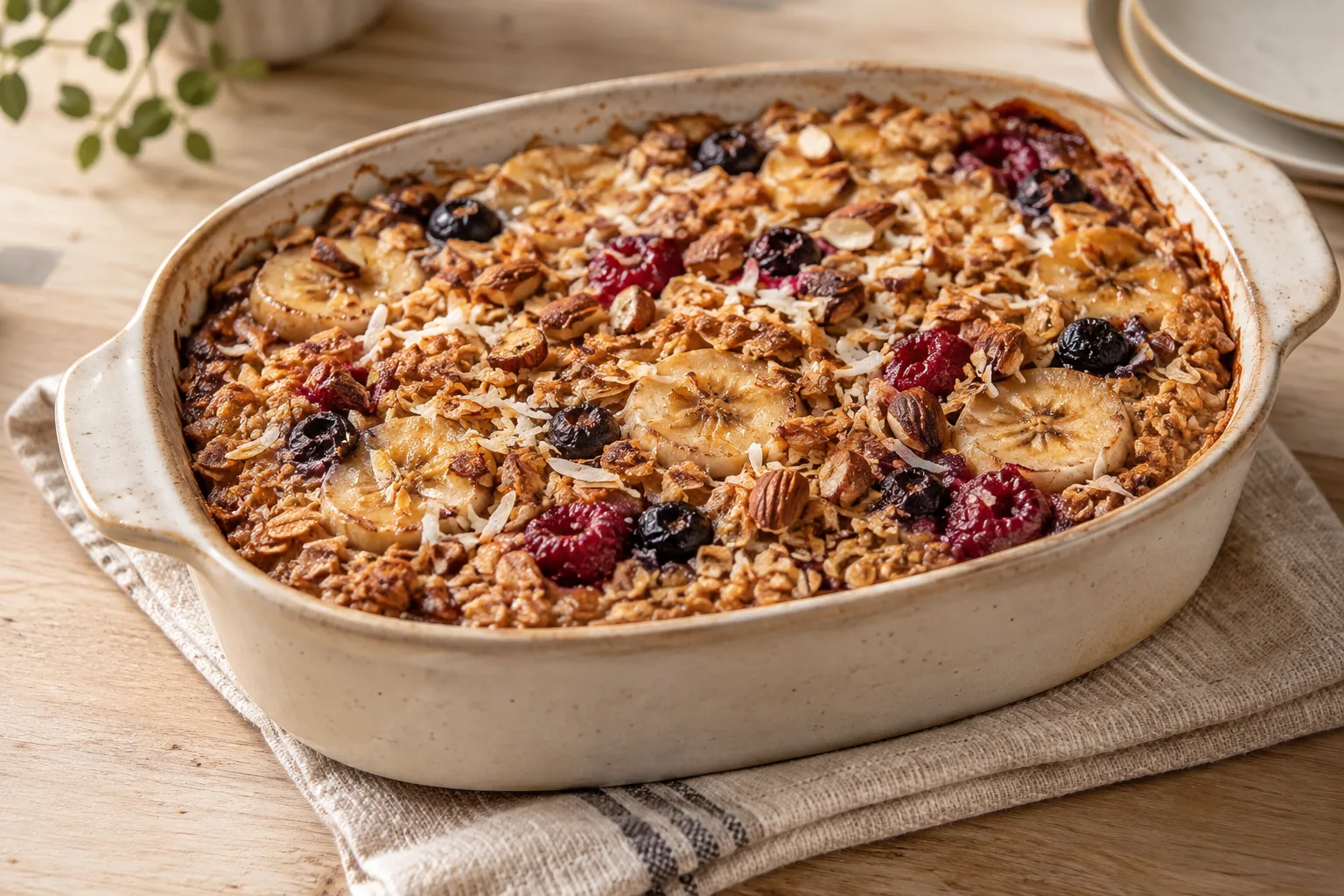
- Oats and other fruit in smoothies or breakfast dishes
- Cream and caramel in desserts
- Savory dishes as an accompaniment, especially when using a cooking variety
Frequently asked questions
Can you eat a banana raw?
Sweet dessert bananas are commonly eaten raw when ripe. Some cooking varieties, however, are intended for cooked preparations; check the type of fruit and the recipe.
How can I tell when a banana is ripe?
For common varieties, peel color can help indicate ripeness. Ripe fruit is generally softer and sweeter. Signs vary by variety, so color is not a universal guide.
How should I store a fresh banana?
Keep it in a cool, dry place away from direct sunlight. Cold storage may darken the peel, but that external change does not by itself mean the fruit has lost quality.
Estimated nutrition
- Fat
- 1.07 g
- Saturates
- 0 g
- Carbohydrate
- 78.6 g
- Sugars
- 57.1 g
- Fibre
- 1.8 g
- Protein
- 0 g
- Salt
- 0.02 g
Sources and review
Automatically researched, cross-checked and validated content. Sources consulted:
- En el etiquetado alimentario hay algunas menciones que son obligatorias eletiquetadocuentamucho.aesan.gob.es
- Usos culinarios apropiados de las variedades de plátano verde barraganete, dominico y maqueño, en la gastronomía ecuatoriana. | Revista de Gastronomía y Cocina doi.org
- Guía de tipos de plátano y sus aplicaciones | Recetas Nestlé recetasnestle.com.mx
- Banana - Wikipedia, la enciclopedia libre es.wikipedia.org
- Plátano: propiedades, beneficios y valor nutricional lavanguardia.com
- Tipos de plátano: conoce las variedades más comunes y sus usos | Weekontrol weekontrol.com
- El plátano | Consumer consumer.es
- Plátano: propiedades y beneficios para la salud cuerpomente.com
- Curiosidades sobre el plátano macho - Formacion en Gastronomia formacionengastronomia.com
- Descubriendo Los Plátanos: Variedades, Sabores Y Usos - Grupo Plátanos López platanoslopez.com
- El poder de... El plátano - El Poder del Consumidor elpoderdelconsumidor.org
- PLÁTANO DE CANARIAS POR SERGIO Y JAVIER TORRES EN LA COCINA platanodecanarias.es
- Maridajes dulces y salados gourmet: 3 estilos de preparaciones para 3 estilos de vinos vinetur.com
- 10 recetas con plátano: platos dulces y salados con todo el sabor de esta gran fruta bonviveur.com
- Maridajes Míticos: Cocina Mexicana Fusión - josepmasachs.com josepmasachs.com
- Plátano: Como Cocinar y Guía Esencial cocinadominicana.com