- Category
- Fruit
- State
- Powdered
- Usual unit
- tablespoon
What it is
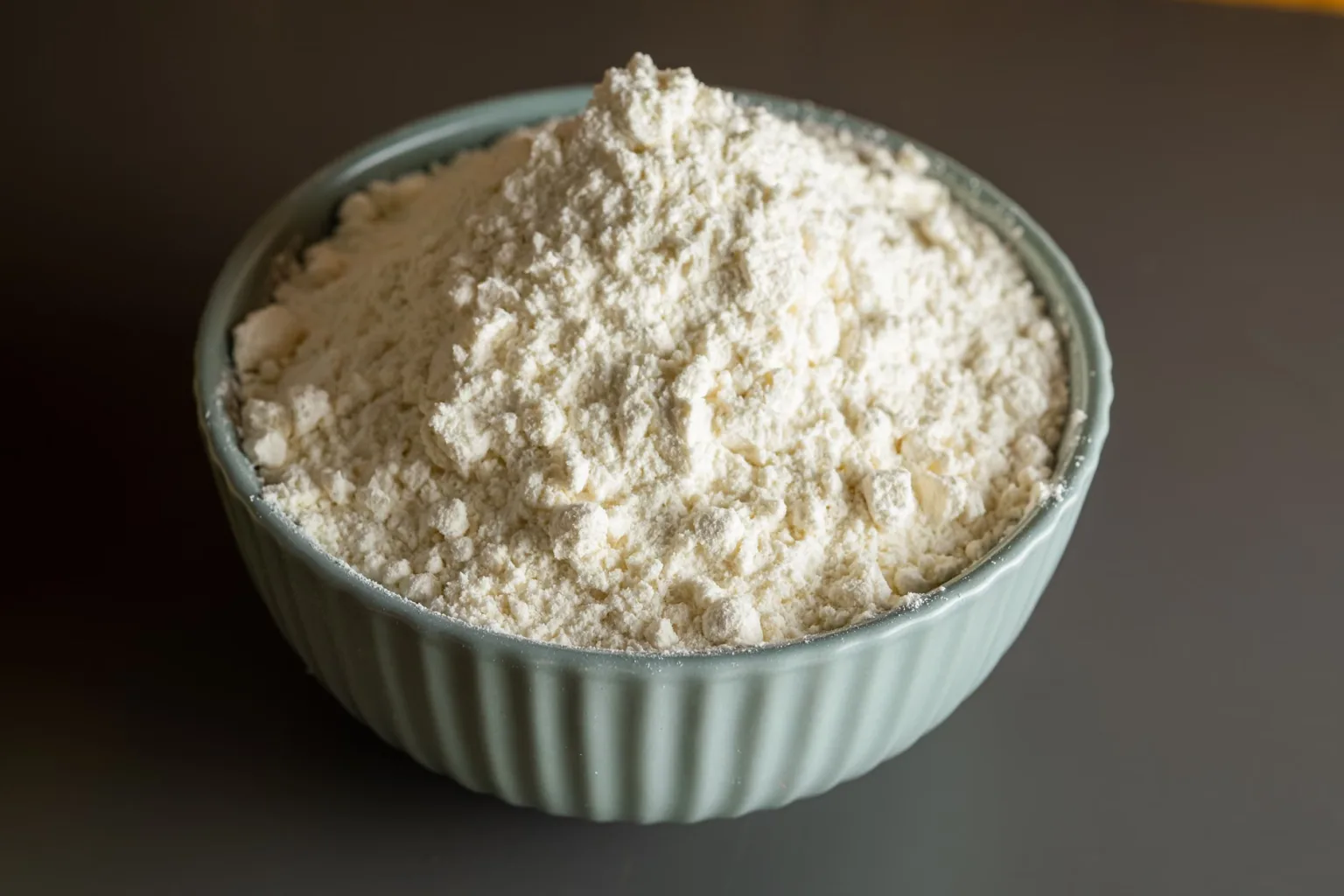
Baobab powder is dried, ground pulp from the baobab fruit. The pulp sits inside a hard-shelled pod and, according to the sources, can dry naturally inside the fruit before it is separated and made into powder. It is not the same as baobab seed oil, which comes from the seeds and is a different product. The powder is used as a food ingredient, and its flavor is described as sour or mildly citrus-like. Its fine form makes it easy to incorporate into drinks and soft foods, although the result depends on the product and recipe. [13109, 13113, 13115]
When to use it
Use it when you want to add tart-tasting fruit pulp to a drink or sweet preparation. Sources describe using it in juice, smoothies, drinks made with water or milk, yogurt, porridge, desserts, ice cream, bars, and baked goods. It has also been used in savory preparations such as soups and sauces. Because its profile is tart and the powder comes from dried pulp, begin with a small amount and adjust the flavor and consistency to suit the recipe rather than assuming every product behaves the same way. [13109, 13113, 13115]
How to use it
Stir or blend it into a smoothie, juice, or drink made with water or milk until evenly distributed. You can also mix it into yogurt, porridge, ice cream, desserts, and bar mixtures. For batters and other baking recipes, combine it with the dry ingredients and check the consistency before proceeding, since adding a powder can affect it. For soups or sauces, add it gradually and taste as you go: its tart flavor may change the balance of the dish. The sources support these uses but do not establish a universal amount, so follow the recipe or the product label. [13109, 13113, 13115]
Flavour and texture
Its flavor is described as sour, sweet-tart, or mildly citrus-like; some sources call it gentle with a citrus note, while others emphasize its tartness. The powder is dried, ground fruit pulp and is generally presented as a fine powder. Flavor and texture may vary between products, so taste it before deciding how much to add. [13109, 13110, 13115]
How to choose it
Check that the package identifies the product as baobab fruit-pulp powder and review its ingredient list. The sources distinguish this powder from seed oil, and one commercial product describes itself as made from pulp without seeds or shell. Compare labels rather than assuming all products have the same composition, grind, or additives. [13111, 13115]
Storage
The evidence provided does not give official storage instructions or a universal shelf life for the powder. Follow the manufacturer’s directions on the package and protect the product as those directions specify. Do not assume a particular shelf life or store it in a way that conflicts with its label. [13115]
Substitutions
The sources do not document an exact culinary substitute. If available, fresh baobab pulp can provide the same kind of fruit ingredient, though it adds moisture. Dried baobab pulp, crushed or rehydrated as the recipe requires, is closer in ingredient identity but may have a different texture. Adjust consistency and flavor; do not assume the amounts are interchangeable. [13109, 13113]
Common mistakes
Do not confuse fruit-pulp powder with oil from the seeds: they are different products. Do not assume baobab powder is sweet; sources describe a tart or citrus-like profile that can change a recipe. Avoid replacing it in a fixed quantity without tasting and adjusting, since the sources provide no universal conversion. [13109, 13111, 13115]
Safety and allergens
Use a product sold for food and follow the directions on its package. The available sources do not provide a specific official safety warning for the powder; if a product or its label raises questions, do not consume it until they are resolved. [13113, 13115]
Culinary uses
- fruit ingredient for drinks and smoothies
- tart flavoring and fruit-pulp ingredient for sweet and savory recipes
Recommended techniques
- stir or blend into liquids and soft foods
- incorporate into batters, bars, and other mixtures
Pairs well with
- water and fruit juices
- milk and yogurt
- smoothies and porridge
- desserts and fruit preparations
Frequently asked questions
What is baobab powder made from?
It is made from baobab fruit pulp that has been dried and ground. It is different from oil made from the seeds. [13111, 13113, 13115]
What can I use it in?
Sources mention drinks, juice, smoothies, yogurt, porridge, desserts, ice cream, bars, and some preparations such as soups or sauces. [13109, 13113, 13115]
What does it taste like?
It is described as tart or sweet-tart, with a citrus-like note. The intensity may vary by product. [13109, 13110, 13115]
Sources and review
Automatically researched, cross-checked and validated content. Sources consulted:
- ¿Por qué la muerte es origen de miedos y tabúes? doi.org
- The potential use of Baobab (Adansonia digitata) Fruit Pulp in Formulation of Functional Food repository.sustech.edu
- Building Indigenous food entrepreneurship with Senegal smallholder women farmers - Food Product Development Lab | Montana State University montana.edu
- Students grasp Tanzania's food-energy-water realities | University of Maryland | School of Public Health sph.umd.edu
- "Fermentation of Prebiotics in Whole Food Powders by Probiotic Lactic-A" by Michaela Brubaker digitalcommons.usu.edu
- All-Africa Summit on Diversifying Food Systems with ... openpublishing.library.umass.edu
- Baobab: el alimento de moda que ha llegado para quedarse | Gastronosfera gastronosfera.com
- ¿Qué es la fruta del baobab y cuáles son sus propiedades? naturtint.es
- Proveedores de Baobab - Baobab a granel y marca propia | Nutrada nutrada.com
- El baobab, un ingrediente exótico | Consumer consumer.es
- Comprar Baobab| Polvo Ecológico | Vehgroshop vehgroshop.es