- Category
- Grains, flour and pasta
- State
- Dry
- Usual unit
- g
What it is
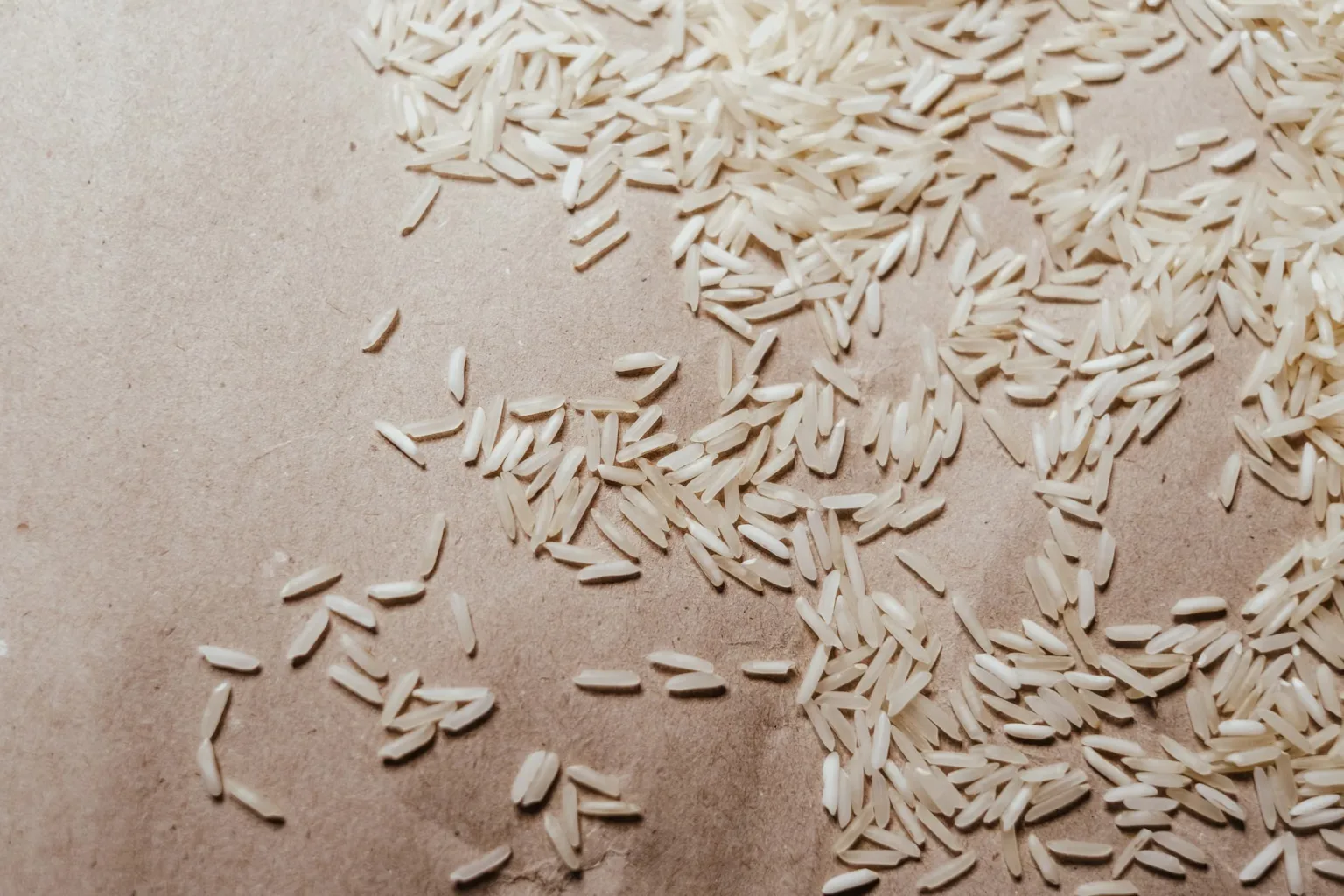
Basmati is an aromatic, long-grain rice with slender kernels. It is sold both white and brown: milling and color differ, but both are forms of the variety. When cooked well, its grains are generally light and separate rather than sticky, unlike many short-grain rices. Its distinctive fragrance and delicate, sometimes gently nutty flavor make it noticeable even in a simple preparation. Basmati is bought dry and cooked either by absorbing a measured amount of liquid or in plenty of water that is later drained. Package directions are a useful guide because recommended liquid amounts and results vary with the product and cooking method. Choose the white or brown version according to the texture you want and the instructions supplied with it.
When to use it
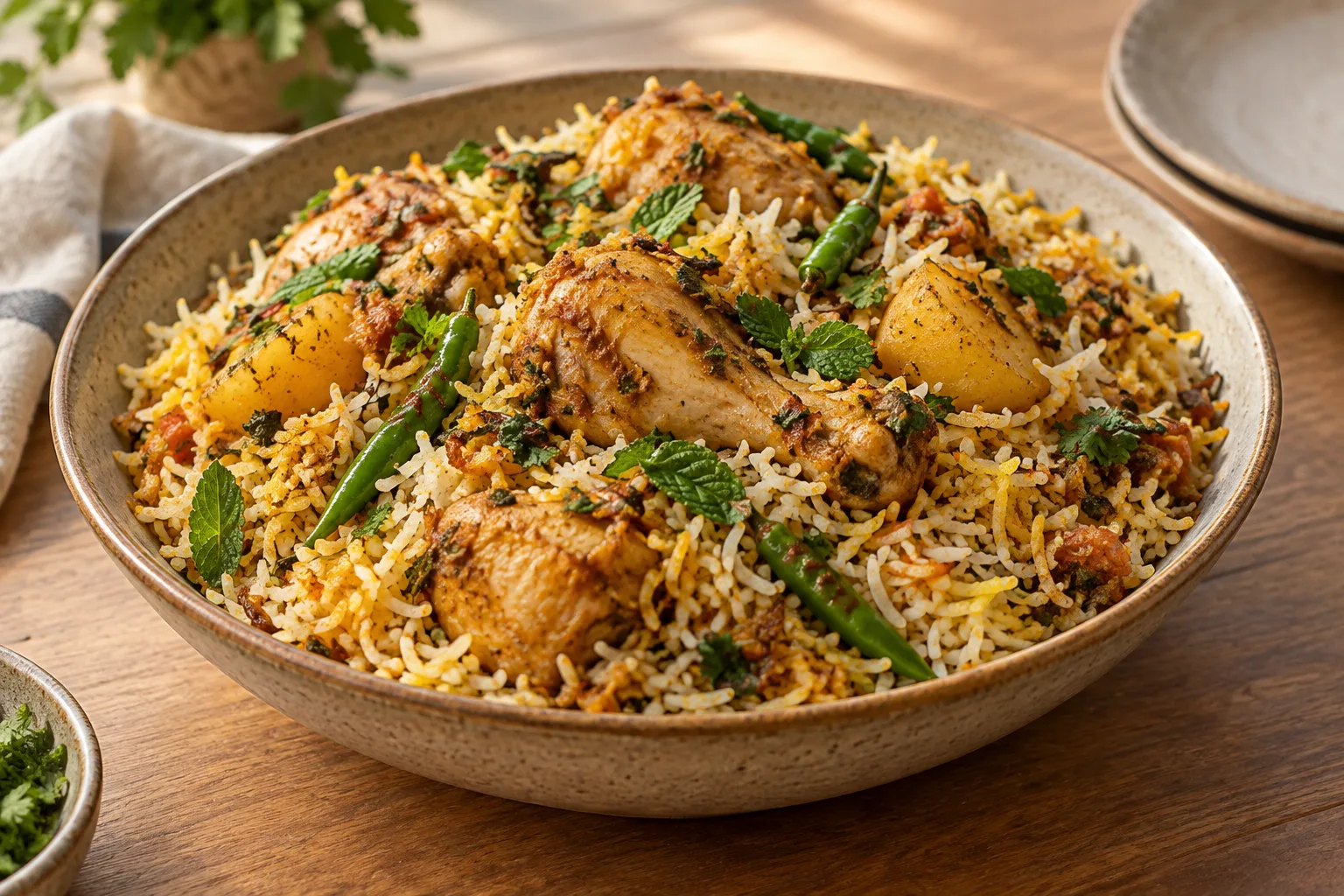
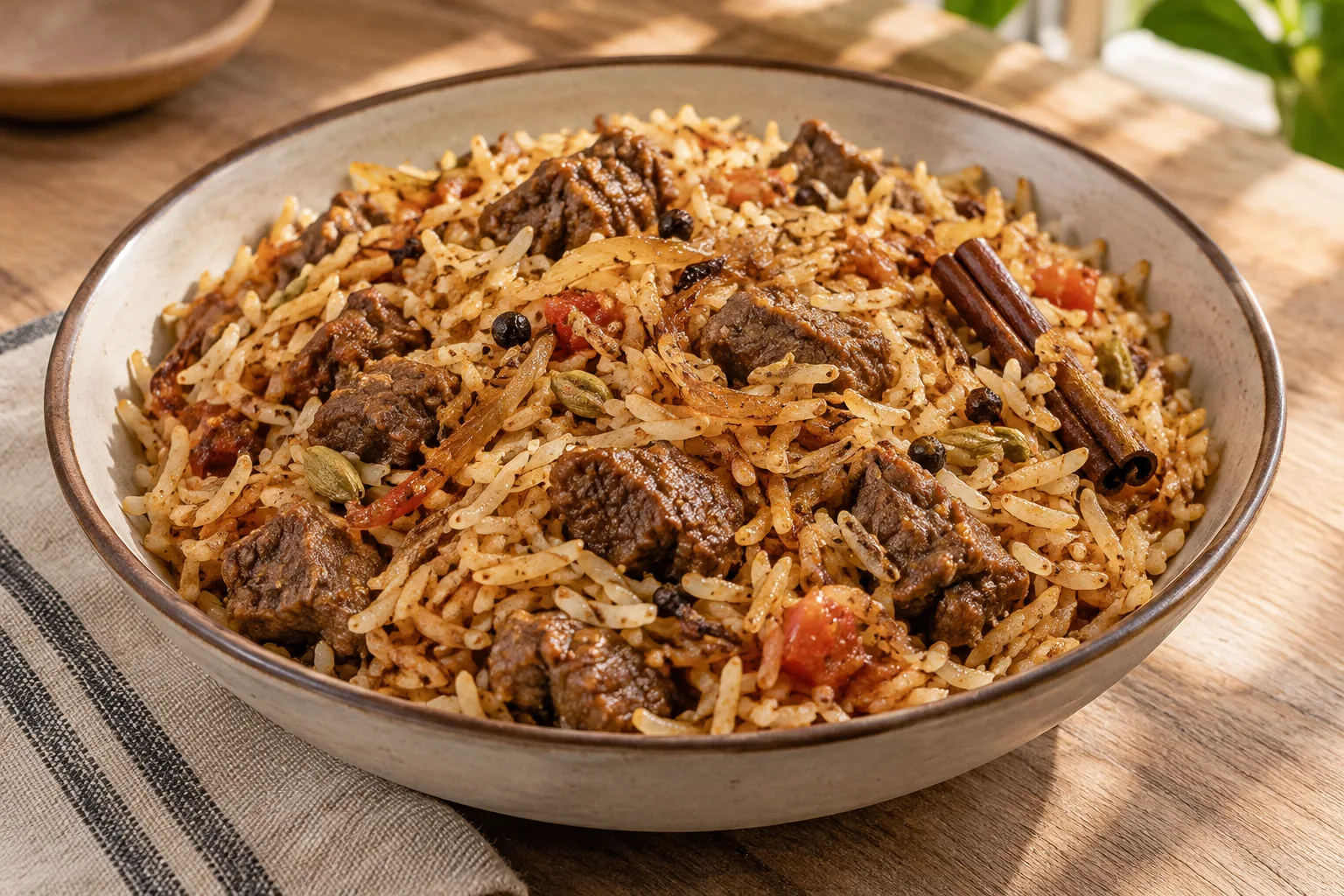
Choose basmati when you want a fragrant, long-grain rice that stays relatively separate and complements a dish without turning creamy. It works well alongside curries and other richly spiced sauces, and is used in biryani and pilaf. Cooked basmati can also be used in rice salads and stir-fried preparations. It is not the best match for recipes that depend on very sticky rice or on starch released during cooking to create a creamy consistency, such as classic risotto. If you buy brown basmati, expect a chewier result than with white basmati because the outer grain layers remain. For a specific recipe, check the package directions before choosing a cooking method.
How to use it
Measure the rice and follow the package's liquid guidance, since recommendations vary with preparation. To encourage separate grains, rinse under cold water until the water runs clearer; some methods also soak the rice before cooking. Cook it covered over low heat with a measured amount of water, or add it to a large pot of boiling water and drain it when tender. Salt is optional and can go into the cooking liquid. Check doneness by tasting a few grains: they should be tender without falling apart. When cooked, fluff gently with a fork to separate the grains. For a more aromatic dish, cook the rice with whole spices or herbs and serve it with curry, vegetables, legumes, meat or fish. Brown basmati may need directions different from those for white rice, so use its own package guidance.
Flavour and texture
Basmati is recognized for its distinct, fragrant aroma and delicate flavor, often described as gently nutty. Its kernels are long and slender. Cooked basmati is typically light, fluffy and separate rather than sticky. The result varies with the particular product, whether it is white or brown, and the cooking method. Brown basmati retains a chewier texture than white basmati.
How to choose it
Buy rice from a trusted source and inspect the package before selecting it. Decide whether you want white or brown basmati; both are available, with different milling and texture. Look for intact-looking grains without discoloration, and check the package for visible signs of insects or damage. If you want the characteristic basmati aroma, check that the label identifies basmati rather than a blend with other rice varieties. Package directions can help you adapt the method to the specific product.
Storage
Keep uncooked rice dry in a clean, food-safe container with a tight seal to help protect it from moisture and insects. A sealed glass jar or food-safe plastic container is a practical choice. Store it in a stable storage place and inspect the rice if you notice discoloration or insects before cooking. These suggestions apply to uncooked rice; cooked leftovers need prompt chilling and different handling.
Substitutions
Jasmine rice or another long-grain rice can stand in when basmati is unavailable and the recipe calls for relatively separate grains. They are not exact matches: basmati has its own aroma, and rice varieties can differ in fragrance and cooked texture. Use the substitute's package directions for liquid and method rather than assuming the same ratio or timing will give an identical result. In recipes that depend on sticky rice or a creamy texture, replacing the intended rice with a long-grain variety may move the result further from the target.
Common mistakes
Do not assume every rice variety uses the same water ratio, or that white and brown basmati cook alike. Surface starch can encourage clumping, so rinsing before cooking is one option for reducing it. Avoid stirring forcefully, which can break the grains. Do not choose basmati expecting the creamy result of risotto rice: it usually cooks up more separate. Follow the package directions and check the rice as it cooks instead of relying on one universal rule.
Safety and allergens
Do not leave cooked rice at room temperature for extended periods. Cool leftovers promptly and refrigerate them; if you cannot keep them safely hot or cold, discard them. Reheating may not destroy toxins that could have formed during improper storage.
Culinary uses
- Guarnición de granos sueltos
- Base para curris, biryani y pilaf
- Ingrediente para ensaladas y arroces salteados
Recommended techniques
- Enjuagar antes de cocinar para retirar parte del almidón superficial
- Hervir o cocer tapado a fuego suave
- Remojar antes de cocinar, si se desea favorecer una textura suelta
Pairs well with
- Curry de garbanzos y otras salsas especiadas
- Verduras, hierbas frescas y limón
- Carnes, aves y pescado
Frequently asked questions
Is basmati rice always white?
No. Basmati is sold white and brown. Brown basmati retains more of the grain's outer layers and usually has a chewier texture.
Should I rinse basmati rice?
Rinsing can remove some surface starch and help the grains cook up more separately. Some methods do not rinse it, so follow the recipe and package guidance.
Is basmati a good choice for risotto?
It is not the usual choice for classic risotto, whose creamy texture depends on a rice that releases starch. Basmati generally cooks up light and separate.
How should I store cooked rice leftovers?
Cool them promptly and refrigerate them in a closed container. Do not leave cooked rice at room temperature for extended periods.
Sources and review
Automatically researched, cross-checked and validated content. Sources consulted:
- Client Challenge doi.org
- Storing White Rice | USU extension.usu.edu
- How to Make Fluffy Rice | Institute of Culinary Education ice.edu
- All About Cooking Rice | UNL Food | Nebraska food.unl.edu
- Choosing the Best Rice for Your Cooking Needs |Which rice is best? uaex.uada.edu
- Rice • The Nutrition Source nutritionsource.hsph.harvard.edu
- Safety of Leftover Rice - Brunswick County Center | N.C. Cooperative Extension brunswick.ces.ncsu.edu
- Home | Dining | Rice University dining.rice.edu
- Grain of the Month: Brown Rice | Sargent Choice Nutrition Center bu.edu
- A Panoramic View From the Interior of the Later Spanish Church | ClipVR ETC etc.usf.edu
- Conoce la frescura del arroz basmati | Recetas Nestlé recetasnestle.com.co
- Arroz Basmati | Gastronomía & Cía gastronomiaycia.com
- Todo sobre el arroz basmati: calorías, usos culinarios, cocción perfecta… hola.com
- Basmati otro tipo de arroz - Arabesca arabesca.es
- Arroz Basmati: historia, propiedades y recetas étnicas. spaghettiemandolino.it
- Arroz Basmati — Open Spice Box openspicebox.com