- Category
- Sauces and condiments
- State
- Fresh
- Usual unit
- ml
What it is
Béchamel, also known as white sauce, is usually made by adding milk to a roux, a cooked mixture of flour and fat, often butter. The balance of liquid and roux determines whether it is pourable enough to coat food or thick enough for a filling. Salt, pepper or nutmeg may be added, but none is essential to the basic sauce. Ready-made products and recipe variations may use different fats, flours or plant-based drinks, so the exact ingredients depend on the recipe or product. Béchamel is not the same as roux: roux is the thickening base, while béchamel is the sauce made by adding milk to it.
When to use it
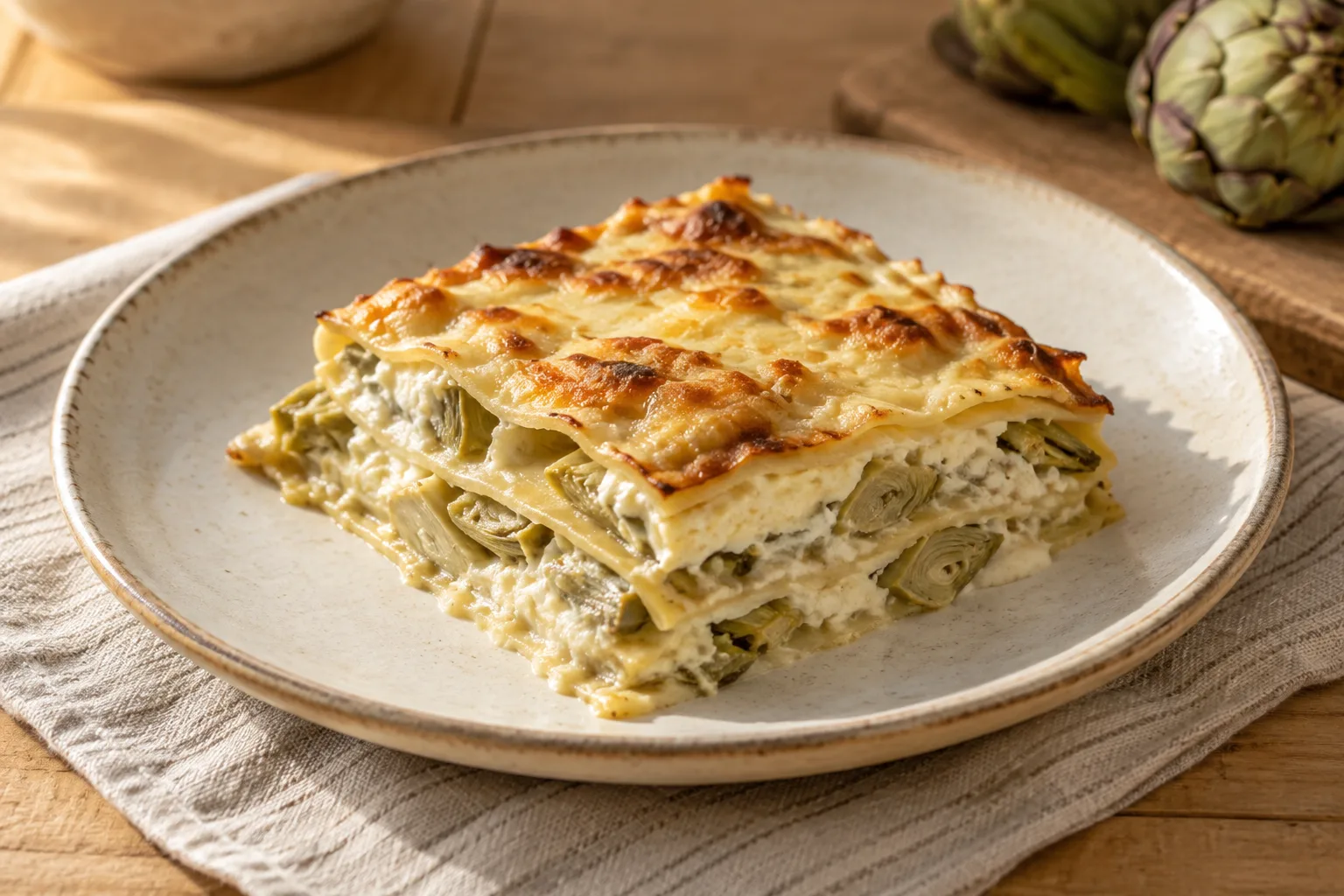
Use béchamel when you want a creamy coating, a smooth layer in a savoury bake or a softer texture in a dish. It is commonly used in lasagne, cannelloni, baked pasta and vegetable gratins; a thicker version can also form the base for croquettes and fillings. Match the consistency to the job: a looser sauce is easier to spread or pour over food, while a thicker one gives a filling more body. If you buy it ready-made, check that its ingredients and allergen information suit the recipe and the people who will eat it.
How to use it
To make it at home, cook flour with butter or another fat to form a pale roux. Add milk gradually, whisking as it is incorporated to help limit lumps; continue cooking and stirring until the sauce reaches the consistency you want. Season to taste, for example with salt, pepper or nutmeg. For a topping, aim for a sauce that spreads easily; for a filling, make it more substantial. You can layer it with pasta, combine it with vegetables or use it as the starting point for a cheese sauce. Ratios and ingredients vary from recipe to recipe, so adjust the texture for its purpose and check the label on commercial versions.
Flavour and texture
Béchamel is generally mild and milky, with a creamy body and a smooth texture when the roux and milk are well combined. Butter, oil or other fats, seasonings and added ingredients can change its flavour. The proportion of roux to milk produces a looser or thicker sauce; a well-made version should not feel grainy.
How to choose it
For packaged béchamel, read the ingredient list and allergen information: recipes can differ in their choice of fat, flour, milk and seasoning. Also check the manufacturer's storage and use instructions. If you need to avoid milk or wheat, do not assume that a product called béchamel meets that need; look for clear labelling and verify every ingredient.
Storage
For commercial béchamel, follow the label's storage and use instructions, both before and after opening. For homemade sauce, do not assume a universal storage period: the available sources do not establish one. Handle and store it according to the applicable official food-safety recommendations in your area, and do not use it if the stated storage conditions have not been followed.
Substitutions
Butter can be replaced with olive oil, or milk with a plant-based drink, although flavour and consistency may change. Some recipes use cornflour or another flour instead of wheat flour. These ingredients are not always interchangeable in equal amounts and will not necessarily produce the same result. If you are substituting to avoid an allergy or intolerance, check every ingredient's label and do not rely on the product name alone.
Common mistakes
Do not add all the milk at once or stop whisking as you add it: either can encourage lumps. An undercooked roux may leave a floury taste. Also consider the final consistency: a sauce that is too thick or too loose may not suit the intended dish. Adjust the liquid and roux to the use and follow the recipe's guidance.
Safety and allergens
Classic béchamel commonly contains milk and wheat flour, both of which may matter to people with allergies or intolerances. Packaged products and variations may contain other ingredients. Check the label or request verifiable allergen information, and follow official and manufacturer guidance for storage and use.
Culinary uses
- Salsa de cobertura y para gratinar
- Base cremosa y espesante para otras salsas y preparaciones
Recommended techniques
- Preparar un roux blanco cocinando harina con mantequilla u otra grasa
- Incorporar la leche gradualmente mientras se bate para obtener una salsa homogénea
Pairs well with
- Pasta, lasaña y canelones
- Verduras, como coliflor o brócoli, y preparaciones gratinadas
- Croquetas y otros rellenos salados
Frequently asked questions
What is béchamel usually made from?
The classic version combines milk with a roux made from flour and fat, often butter. Salt, pepper or nutmeg may be added, and commercial recipes can vary.
How can I help prevent lumps?
Add the milk gradually to the roux and whisk as you pour. Keep stirring so the mixture combines into a smooth sauce.
Can I replace the milk or butter?
Yes. Some recipes use a plant-based drink or a different fat, such as olive oil. Flavour and texture may change; also check ingredients if you need to avoid an allergen.
Sources and review
Automatically researched, cross-checked and validated content. Sources consulted:
- En el etiquetado alimentario hay algunas menciones que son obligatorias eletiquetadocuentamucho.aesan.gob.es
- Client Challenge doi.org
- Bechamel - Wikipedia, la enciclopedia libre es.wikipedia.org
- ¿Qué es la salsa bechamel y cuáles son sus aplicaciones? centrallecheraasturiana.es
- Salsa bechamel, curiosidades y variantes - Mercado de Chamartín mercadodechamartin.es
- Tipos de bechamel y cuál utilizar en cada ocasión para triunfar radisl.com
- Bechamel: platos, usos y origen menuella.com
- Bechamel, aprende más en Canal Cocina - Canal Cocina canalcocina.es
- Salsa Bechamel: receta y trucos | The Gourmet Journal thegourmetjournal.com
- Los secretos de la salsa bechamel eldiario.ec
- Conoce la historia de la salsa bechamel y aprende a prepararla foodandwineespanol.com
- ¿Bechamel o roux? Qué son, cuándo usarlos y cómo se hacen | Gastronosfera gastronosfera.com
- 10 trucos para preparar una bechamel alternativa - Borges borges.es
- Salsa Bechamel: trucos para que quede perfecta - Azafranes y Canelas azafranesycanelas.com
- Cómo hacer la bechamel perfecta, ¡más cremosa imposible! hola.com
- Salsa bechamel casera • Puchero MIX blog.pucheromix.com
- Los cocineros españoles coinciden: "Este es el truco definitivo para que la bechamel salga cremosa y perfecta" vanitatis.elconfidencial.com