- Category
- Oils and fats
- State
- Fresh
- Usual unit
- g
What it is
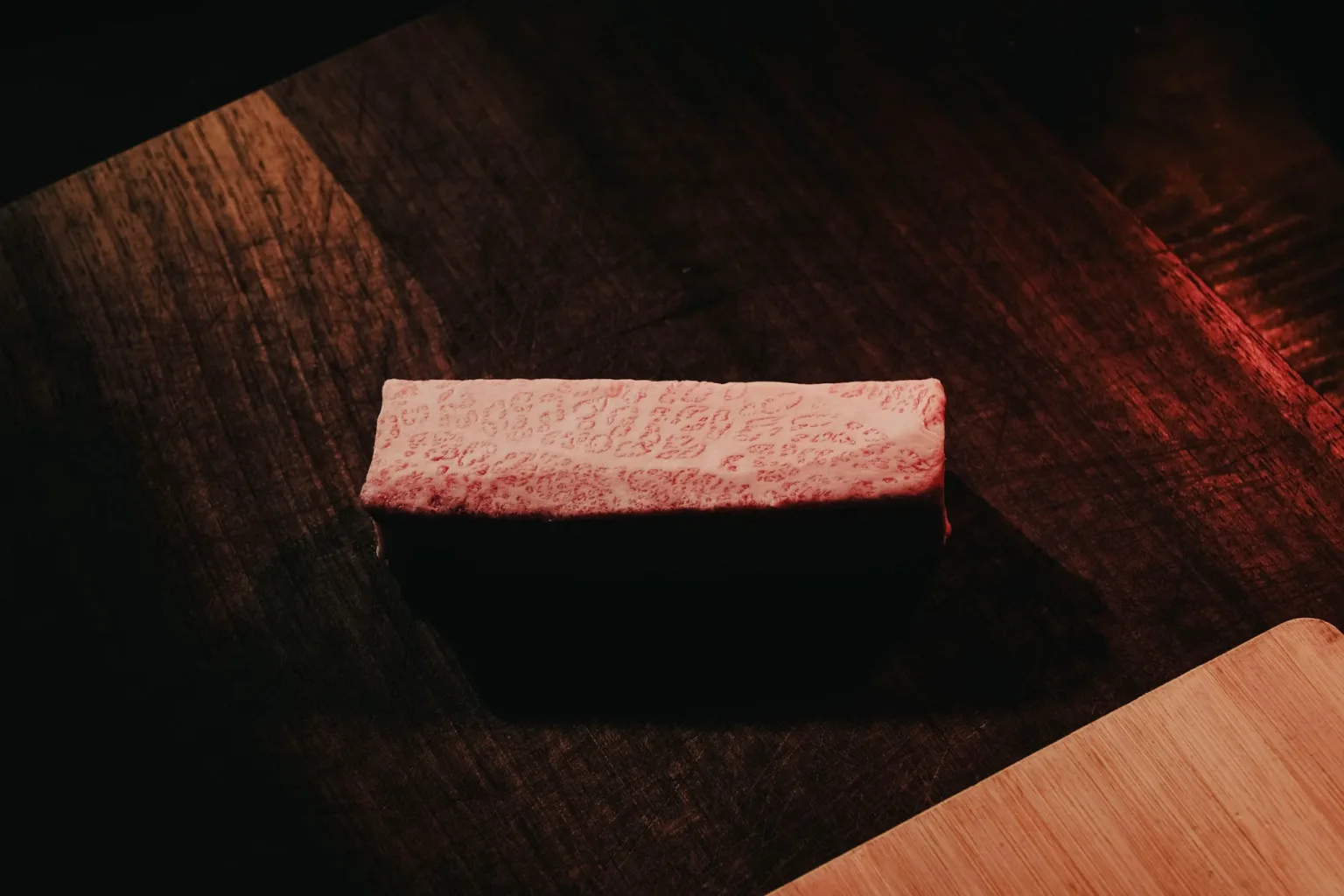
Beef fat is fat from cattle used in cooking as a cooking fat or as an ingredient. Unrendered fat should not automatically be treated as identical to fat that has already been rendered: one home-preparation account describes heating chopped fat, separating the remaining solids, and straining the liquid portion. Commercial products may be presented differently, so check the label. The available evidence does not establish a precise composition, melting point, or shelf life that applies to every product. (Sources: 11580, 11583)
When to use it
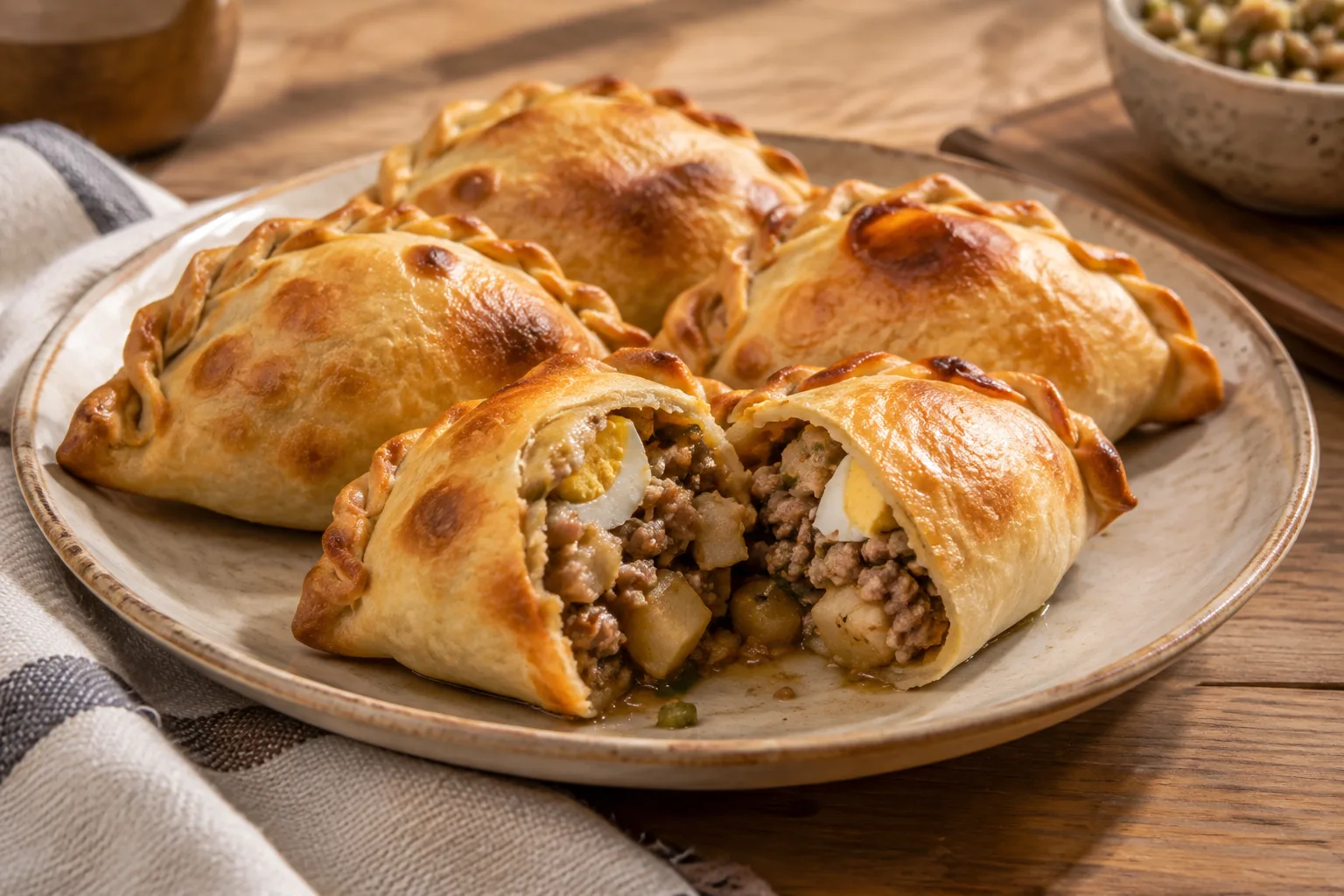
Use it when a recipe calls for beef fat, or when you want a bovine fat for sautéing, browning, or frying. Sources also mention it in empanada dough and other pastry, and for cooking meat, vegetables, eggs, and tortillas. Because unrendered fat and prepared fat may differ in texture, choose the form that suits the recipe and follow its directions; the available sources do not establish universally interchangeable amounts for these uses. (Sources: 11580, 11582, 11583)
How to use it
First check whether the product is unrendered or ready to use, and read its packaging. Prepared fat can be put in a pan to melt before adding food; sources describe using it to brown meat, sauté vegetables, cook eggs and tortillas, and fry empanadas or sweet pastries. It is also mentioned as an ingredient in dough and bread. If starting with unrendered fat, one published recipe suggests cutting it, heating it gently, separating the solids, and straining the liquid, but this is not a universal instruction or official food-safety guidance. When replacing another fat in a recipe, expect the texture and result to change. (Sources: 11580, 11582, 11583)
Flavour and texture
The sources describe culinary uses for beef fat but do not provide a consistent, detailed sensory profile. Flavor and texture can depend on whether it is bought unrendered or already prepared and on how it has been processed. One technical source describes beef fat as having a restricted plastic range and a high melting point; do not assume it will behave like butter or oil in every preparation. (Sources: 11580, 11581)
How to choose it
Read the label to determine whether you are buying unrendered fat or a product that has already been rendered and prepared, and check the manufacturer's directions. The available evidence does not support claiming that all commercial products share the same ingredients, additives, or characteristics. If a recipe specifies beef fat, look for that name; choosing a different form or an alternative may change the texture of the dough or cooked food. (Sources: 11580, 11583)
Storage
The available evidence does not establish a storage temperature or time limit that applies to every kind of beef fat. Unrendered fresh fat and rendered or packaged fat may have different directions. Store it according to the label and the seller's instructions, keep the package closed, and do not treat time limits from recipes or personal accounts as universal guidance. Follow product-specific directions where provided. (Source: 11580)
Substitutions
One culinary source lists pork fat, butter, ghee, and coconut oil among fats that can be used for cooking, but that does not show they are identical substitutes in every recipe. Beef fat is also used in dough and savory preparations; replacing it with another fat can change flavor and texture. If a recipe depends on a particular fat, make the substitution cautiously and assess the result. (Sources: 11580, 11582)
Common mistakes
Do not assume unrendered fat and prepared fat have the same consistency or are used in exactly the same way. Nor should you expect a dough to keep precisely the same texture when one fat is swapped for another. The available sources do not justify a universal storage period or temperature for all products; check the package rather than extrapolating from a home-preparation account. (Sources: 11580, 11581)
Safety and allergens
The available sources provide no specific official safety warning for beef fat. Follow the package directions, and do not rely on storage times or methods that are not appropriate for the particular product.
Culinary uses
- Grasa para cocinar y dorar
- Ingrediente para masas y preparaciones saladas
Recommended techniques
- Derretir o fundir para obtener grasa líquida
- Saltear y dorar
- Freír
- Incorporar a masas
Pairs well with
- Carnes
- Verduras salteadas
- Huevos y tortillas
- Empanadas y otras masas saladas
Frequently asked questions
Is beef fat always sold ready to cook with?
Not necessarily. The evidence describes both unrendered fat and fat that has been melted and strained. Check the form and directions for the product you have. (Source: 11580)
What dishes can I use it in?
Sources mention cooking meat, sautéing vegetables, preparing eggs and tortillas, frying empanadas or sweet pastries, and adding it to dough. (Sources: 11580, 11583)
Can I substitute butter or pork fat?
They are cited as culinary alternatives, but they are not identical replacements in every recipe. Flavor and texture may change. (Source: 11580)
How long does it keep?
The available sources do not establish a universal storage period. Follow the instructions for the specific product from its package or seller. (Source: 11580)
Estimated nutrition
- Fat
- 19.3 g
- Saturates
- 7.31 g
- Carbohydrate
- 2.6 g
- Sugars
- 0 g
- Fibre
- 0 g
- Protein
- 11.5 g
- Salt
- 2.78 g
Sources and review
Automatically researched, cross-checked and validated content. Sources consulted:
- Dictionary of Health Related Terms: English – Spanish hia.berkeley.edu
- Aplicaciones de la Biotecnología en Seguridad Alimentaria aesan.gob.es
- ¿Por qué es tan difícil fabricar una vacuna contra el sida? doi.org
- Health Information and Medical Information - Harvard Health health.harvard.edu
- perspectives on food and health in the mexican im/migrant ... sciences.ucf.edu
- Zotero Style Repository libraryguides.missouri.edu
- How Sugar Converts to Fat | University of Utah Health healthcare.utah.edu
- Fish and Fishery Products Hazards and Controls Guidance emt.oregonstate.edu
- List of Archived EDIS Publications ask.ifas.ufl.edu
- Publications - Helena Ramalhinho Lourenço (UPF) upf.edu
- Grasa para cocinar: cómo prepararla y por qué es más saludable que el aceite » lenasustentable.com
- URUGUAY - Grasas y Aceites grasasyaceites.revistas.csic.es
- Conocé qué son las grasas saturadas | Recetas Nestlé | Recetas Nestlé recetasnestle.com.ar
- Harina Leudante Argentina, Grasa Vacuna, Faina y Más deliargentina.com
- La grasa bovina para la salud: una farsa político-comercial - Centro de Estudios en Nutrición nutritionstudies.org