- Category
- Herbs and spices
- State
- Other
- Usual unit
- teaspoon
What it is
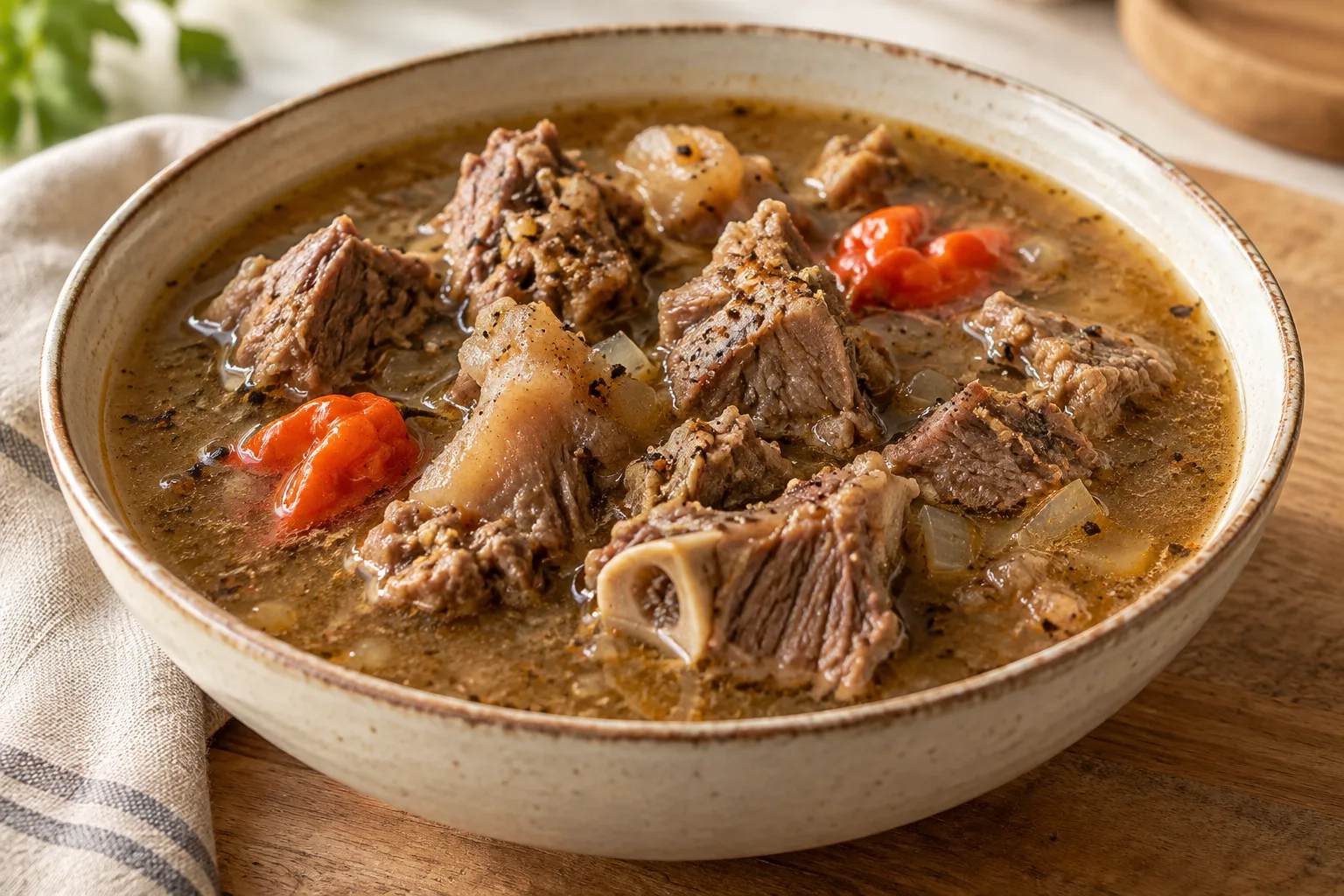
Beef seasoning is a general name for a blend or product intended to season meat dishes. The name does not define a standard formula: available sources mention seasonings such as pepper, paprika, cumin, and rosemary for different meat dishes, but they do not establish that this product contains all or any particular one of them. They also do not identify its physical form. Check the package, or ask the seller if it is sold loose, to find out what it contains, how it is presented, and what use or storage directions apply. This profile offers general ideas for using seasonings with beef; it is not a recipe and does not guarantee a particular flavor or composition for the specific product.
When to use it
Consider using this seasoning for beef when the label confirms that it is suitable for that purpose. It can be applied before cooking or added to a marinade if you know its composition and the package permits that use. There is no established universal formula or amount for this generic name, so start with a small quantity and adjust according to taste and the product directions. If the blend contributes salt, heat, or other ingredients, the result may differ; check the ingredient list before adding more seasoning. If you want control over the exact composition, use individual, identified seasonings instead.
How to use it
Read the ingredient list and package directions first: the name “beef seasoning” does not specify what the product contains or whether it adds salt or other components. For a simple application, distribute a small amount evenly over beef before cooking, then adjust in later preparations according to the result; do not assume that one quantity suits every blend. You can also add it to a marinade if you know its ingredients and the label says that use is appropriate. If you cannot verify the composition, do not treat it as a particular spice blend or use it to replace an ingredient whose identity matters to your recipe. Follow any product-specific safe-use directions on the package.
Flavour and texture
A single flavor or texture cannot be assigned to this product without knowing its formula. Meat-seasoning blends may combine aromatic or hot seasonings, but the available sources do not confirm which ones this product contains. Pepper, paprika, and cumin are mentioned as options that can accompany beef; the result depends on the specific blend and the amount used. Check the ingredients and taste a little at a time before adjusting the seasoning.
How to choose it
Choose a product whose package clearly identifies the food and lists its ingredients. Check whether it contains salt or other components you need to consider, and review the declared allergen information. The generic name does not reveal the recipe, heat level, or texture. If it is sold loose or the available information is insufficient, ask the seller about its composition before use, especially if you need to avoid a particular ingredient.
Storage
The composition and form of this seasoning are not specified, so no universal shelf life or storage conditions can be assigned. Follow the package directions and check for product-specific storage or use instructions. If it is sold loose, ask the seller for that information. Do not infer from the name alone that the product is fresh, dried, or shelf-stable at room temperature.
Substitutions
There is no exact substitute when the blend’s ingredients are unknown. For beef, you can combine familiar individual seasonings such as black pepper and paprika, or cumin with garlic or rosemary, and adapt the combination to the dish. These alternatives change the flavor profile and do not necessarily reproduce the commercial product. Also check whether the original blend contributes salt or other ingredients you need to account for.
Common mistakes
Do not assume that every beef seasoning has the same recipe, flavor, or salt content. Avoid adding a large amount before reading the label or tasting the product; start with a little and adjust to the result. A missing visible ingredient list is not proof that a product is allergen-free: check the available information or ask the seller.
Safety and allergens
Check the package ingredient list and allergen information; do not assume the blend is allergen-free. Follow the product’s specific safe-use and storage directions. If the label does not provide the information you need, ask the manufacturer or seller before using it.
Culinary uses
- Sazonar carne de res
- Aportar aroma y sabor a preparaciones saladas
Recommended techniques
- Espolvorear y distribuir sobre la carne antes de cocinar
- Incorporar a un adobo o marinada si se conocen sus ingredientes y el envase permite ese uso
Pairs well with
- Carne de res a la plancha o a la parrilla
- Guisos y otras preparaciones de carne
Frequently asked questions
Do all beef seasonings have the same ingredients?
No. The name is generic and the composition can vary. Check the ingredient list for the specific product.
Can I use it with beef?
You can if the label says the product is suitable for that use. Start with a small amount and adjust to the blend’s flavor.
How can I replace it if I do not know its formula?
There is no identical replacement. You can season with familiar individual ingredients such as pepper and paprika or cumin and rosemary, knowing the flavor will differ.
Estimated nutrition
- Fat
- 0 g
- Saturates
- 0 g
- Carbohydrate
- 0 g
- Sugars
- 0 g
- Protein
- 0 g
- Salt
- 50 g
Sources and review
Automatically researched, cross-checked and validated content. Sources consulted:
- En el etiquetado alimentario hay algunas menciones que son obligatorias eletiquetadocuentamucho.aesan.gob.es
- Client Challenge doi.org
- The Essential Glossary of Cooking Terms for the Culinary Arts - Escoffier escoffier.edu
- Cuatro Pasos Simples Para la Seguridad en los Alimentos | Home & Garden Information Center hgic.clemson.edu
- Food Labeling Guide marketready.uky.edu
- Vamos a Conservar Alimentos: Carnes extension.psu.edu
- Trabajo electrónico aesan.gob.es
- Publications extension.oregonstate.edu
- Food Safety 101: Four Essential Practices for Safe Food at Home | USU extension.usu.edu
- Etiquetado de Alimentos para Productores y Procesadores de ... bookstore.ksre.ksu.edu
- Cookbooks & History: Pollo guisado al gusto del país | Gastronomy Blog sites.bu.edu
- Guía básica de especias: usos culinarios y propiedades (Parte I) - El Sabor de lo Bueno sabordelobueno.com
- Especias para carne y condimentos que marcan diferencia en tus recetas miguelvergara.com
- Los condimentos típicos españoles: tradición gastronómica | El arte de comer bien | mentta mentta.com
- La importancia de las especias en la cocina y en la comida aldelis.com