- Category
- Meat
- State
- Liquid
- Usual unit
- ml
What it is
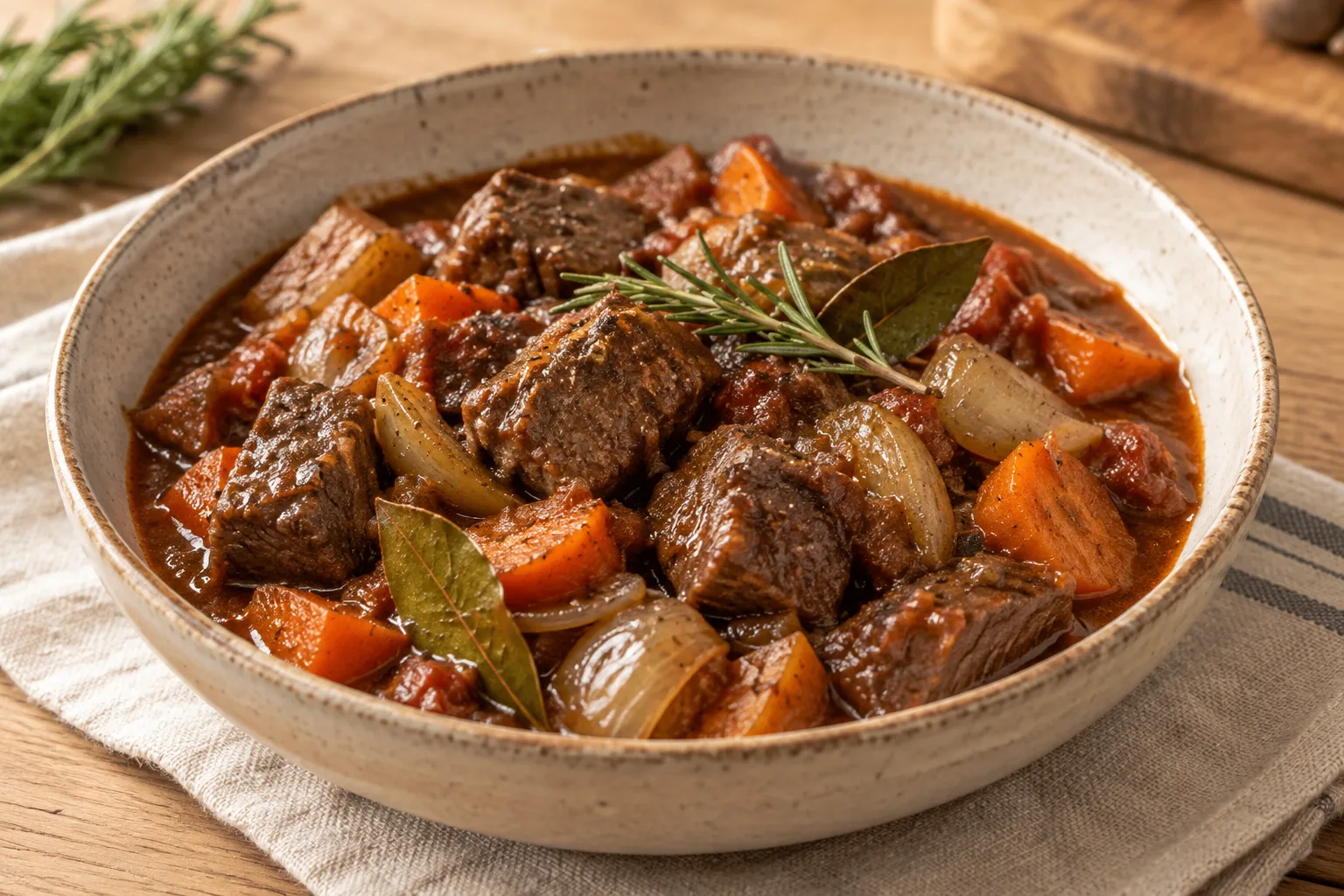
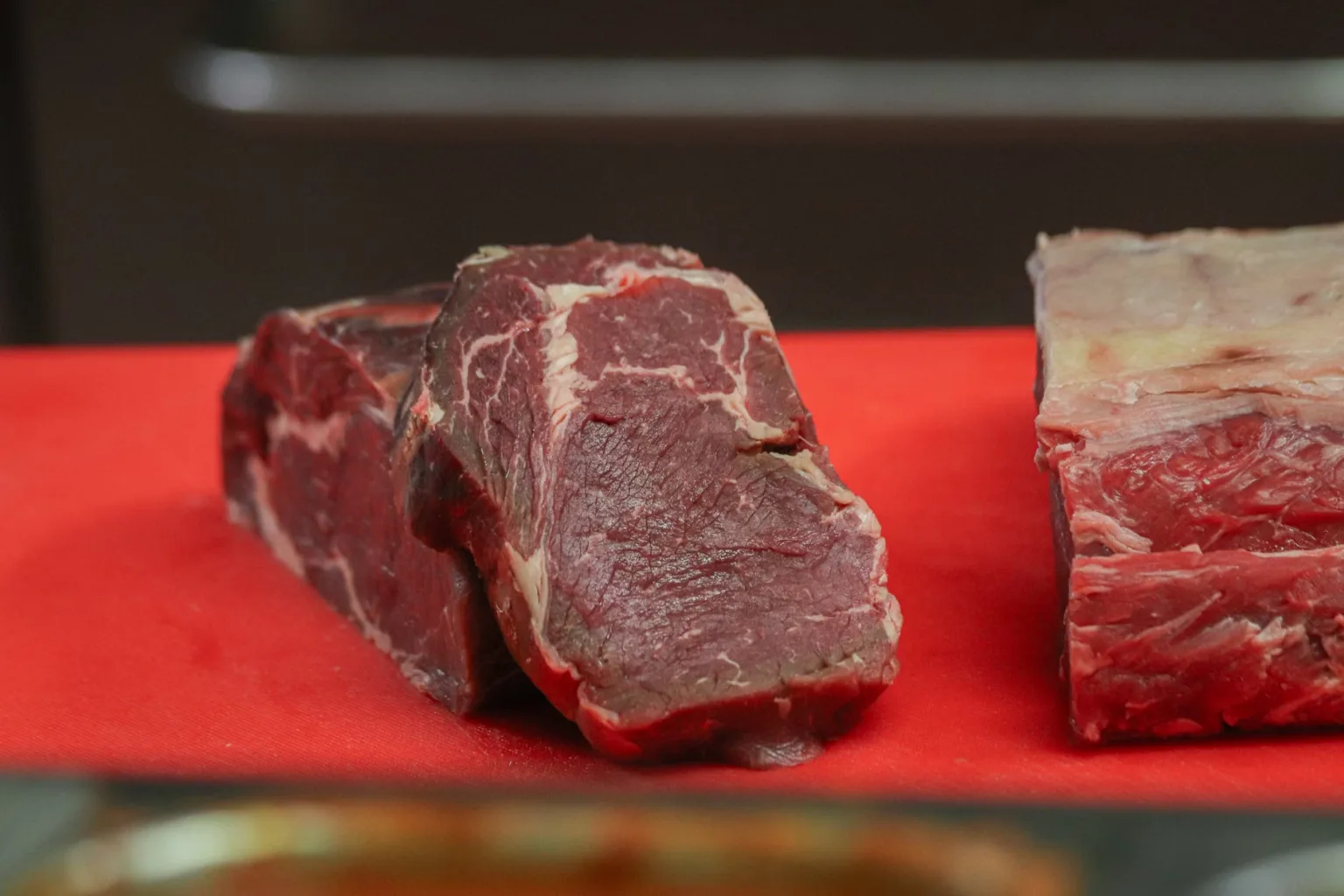
Beef stock is a liquid made by cooking beef ingredients in water; stocks may use meat or bones and can also include vegetables and aromatic ingredients. It can be served on its own or used as a foundation for other dishes. Stock is not identical to a reduced stock: reduction evaporates some liquid and leaves a more concentrated result. Beef stock can be lighter or darker and more intense, depending on how its ingredients are prepared. Homemade and packaged versions may differ in composition, so check the product label when you need to know its specific ingredients.
When to use it
Use beef stock when you want a beef-like savory note in soup, cream soup, sauce, rice, a braise or a stew, or when a recipe calls for stock as its cooking liquid. It can also be served hot on its own. Choose a milder version when beef flavor should not dominate, or a more intense one when you want a stronger result. Products and preparations vary, so taste the dish before adjusting other seasonings.
How to use it
Add beef stock as part of the liquid in soup, a stew or a braise, or cook rice in it instead of water when you want a more pronounced savory flavor. It can also be used in a sauce or cream soup. For a less beef-forward result, dilute it with water or choose another liquid suitable for the recipe. If you want a more concentrated flavor, reduce the stock by cooking it; remember that reduction also increases its intensity. Taste the dish before adding salt or other seasonings, since stocks can differ. Follow the directions for the particular product you use.
Flavour and texture
Its defining flavor is savory and beef-like, and it can be mild or more intense depending on how it was made and which product you use. As a liquid, it blends readily into soups, sauces, rice dishes and stews; reducing it makes the flavor more concentrated. Added vegetables and herbs can change its profile. Do not assume every beef stock has the same flavor, appearance or ingredients.
How to choose it
Read the label to confirm that the product is the kind of stock you want and to check its ingredients and directions for use. Compare the stated composition and flavor description if your recipe needs a milder or stronger result. The available evidence does not support recommendations for a particular brand, format or further selection criteria; products can differ in appearance and formulation.
Storage
The available evidence does not establish one storage rule that applies to every beef stock, since products can come in different formats and formulations. Check and follow the package directions both before and after opening. For homemade stock, consult reliable guidance appropriate to your circumstances; do not infer a storage period from appearance or smell alone.
Substitutions
Another meat stock or chicken stock may work if the recipe can accommodate a different flavor profile. Water can also be used when a less intense result is acceptable, but it will not add the same beef flavor. Match the amount of liquid to the needs of the dish and taste before adding more seasoning. No alternative is guaranteed to reproduce the exact flavor of beef stock.
Common mistakes
A common mistake is assuming that all stocks have the same intensity or ingredients. Adding seasoning without tasting the stock first can also throw off a dish, as can reducing it without allowing for the more concentrated flavor. If you replace it with water or another stock, expect a different result and adjust the recipe to taste rather than assuming an exact flavor match.
Safety and allergens
The available evidence does not provide a specific safety warning for this ingredient. Follow the package directions and official food-safety guidance; do not apply storage instructions that do not match the particular product.
Culinary uses
- Base líquida para sopas y cremas
- Líquido de cocción y saborizante para guisos, estofados, salsas y arroces
Recommended techniques
- Cocer a fuego lento para integrar sabores al preparar caldo
- Reducir el caldo para obtener un fondo más concentrado
- Dorar u hornear carne y huesos antes de cocerlos para un caldo más oscuro e intenso
Pairs well with
- Verduras aromáticas como cebolla, zanahoria y apio
- Arroz y otros platos de cereal
- Guisos y estofados de carne
- Sopas, cremas y salsas
Frequently asked questions
What is beef stock used for?
It is used in soups, cream soups, sauces, rice dishes, braises and stews, and it can also be served on its own.
Can I replace beef stock with water?
Yes, if you are happy with a less intense result and less beef flavor. Taste the dish and adjust the seasoning.
What is the difference between stock and reduced stock?
Reduced stock has been cooked so that some liquid evaporates, leaving a more concentrated result. Its final intensity depends on how it is prepared.
Estimated nutrition
- Fat
- 0 g
- Saturates
- 0 g
- Carbohydrate
- 0.42 g
- Sugars
- 0.42 g
- Fibre
- 0 g
- Protein
- 1.25 g
- Salt
- 0.52 g
Sources and review
Automatically researched, cross-checked and validated content. Sources consulted:
- ¿Por qué la muerte es origen de miedos y tabúes? doi.org
- The Essential Glossary of Cooking Terms for the Culinary Arts - Escoffier escoffier.edu
- Caldo - Wikipedia, la enciclopedia libre es.wikipedia.org
- Agencia Española de Seguridad Alimentaria y Nutrición aesan.gob.es
- Estofado de Ternera En Olla de Cocción Lenta | Extension extension.unh.edu
- Spanish Food Report Card - USC Chan chan.usc.edu
- Cocina Fácil de la Despensa a la Mesa Enlaces de Nutrición - Número #3 extension.psu.edu
- MENU Sept 28th - October 02nd 2026 - CNG Food Services Weekly Menu - LibGuides at Colegio Nueva Granada libguides.cng.edu
- Caldo de carne amimaneracocinando.com
- Cómo hacer caldo de carne casero bonviveur.com
- - YouTube youtube.com
- Caldo casero de ternera, pollo y verduras - Diario de Gastronomía: Cocina, vino, gastronomía y recetas gourmet diariodegastronomia.com
- ▷ El caldo es el ingrediente principal de sopas, salsas, guisados y estofados【 Kitchen Academy 】 kitchenacademy.es