- Category
- Herbs and spices
- State
- Powdered
- Usual unit
- tablespoon
What it is
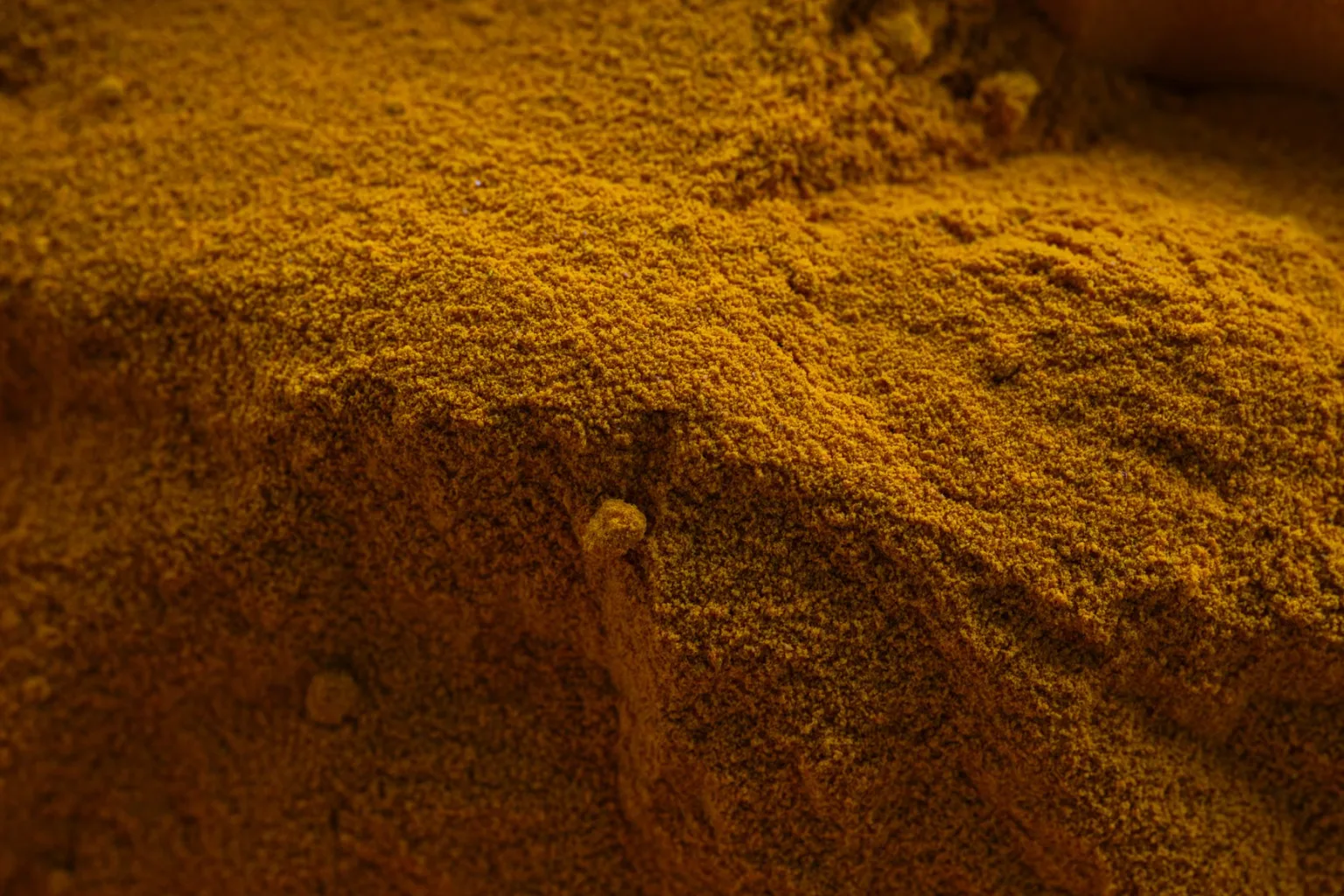
Berbere is a spice blend rather than a fresh herb or a single spice. The available evidence shows it being added to cooking, including a seasoning mixture for chicken and a barbecue sauce. It does not establish one standard formula or list the ingredients found in every version. Check the label on the product you have instead of assuming that all berbere blends share the same ingredients, flavor, or intensity.
When to use it
Use berbere when you want to add a spiced seasoning to a preparation such as seasoned chicken or barbecue sauce. It can also be included in a sauce for pizza. The available sources do not specify a standard strength or a universal quantity, so start with a small amount, mix it in, and taste before adding more. This lets you adjust for the particular blend and the dish you are making.
How to use it
To season chicken, mix berbere with the other seasonings in the recipe before applying the mixture to the meat. For barbecue sauce, stir it into the sauce ingredients or base until evenly distributed. It can also be added to a sauce intended for pizza. In each case, taste and adjust gradually: the sources document culinary uses, not a quantity that works for every product. Follow the recipe’s directions for cooking the food as well.
Flavour and texture
The sources identify berbere as a spice or spice blend and associate it with a spicy character. They do not provide a dependable description of its aroma, precise texture, or the intensity of every product. A powdered blend can be mixed into seasonings or sauce; the finished flavor will depend on the particular blend.
How to choose it
Choose a product labeled berbere and check its ingredient list, since the available evidence does not establish a single standard composition. Make sure the package is intact and the blend looks as expected for the product. If you are unfamiliar with its strength, begin with a small amount in the recipe and taste before adding more.
Storage
The available evidence does not specify storage conditions or a shelf life for berbere. Follow the directions on the package and keep the container closed and protected from moisture. Do not use the product if its package is damaged or you notice unusual changes in its appearance or smell.
Substitutions
The available evidence does not identify a direct substitute. If you do not have berbere, you can leave it out, while recognizing that the preparation will have a different flavor. Another spice blend may be a practical alternative if it suits the recipe, but it should not be treated as equivalent; check its ingredients and adjust the amount cautiously.
Common mistakes
Do not assume every berbere blend has the same ingredients or strength. Avoid adding a large amount before tasting, and do not mistake the blend for a fresh herb. Mix it thoroughly into the preparation so it is not concentrated in one spot.
Safety and allergens
Check the product label for its ingredients and any manufacturer warnings. Follow safe handling and cooking directions for the other foods in the recipe.
Culinary uses
- Seasoning for chicken
- Flavoring for barbecue sauce
Recommended techniques
- Mix into a seasoning blend before applying to chicken
- Whisk into a sauce
Pairs well with
- Chicken
- Barbecue sauce and pizza
Frequently asked questions
What is berbere?
It is a spice blend used as a seasoning; the available sources do not establish one standard formula.
What can I use berbere in?
The documented examples include seasoning for chicken and barbecue sauce, including sauce for pizza.
How much berbere should I add?
No universal quantity is documented. Start with a small amount, mix, and taste before adjusting.
Estimated nutrition
- Fat
- 0 g
- Saturates
- 0 g
- Carbohydrate
- 0 g
- Sugars
- 0 g
- Fibre
- 0 g
- Protein
- 0 g
- Salt
- 18.45 g
Sources and review
Automatically researched, cross-checked and validated content. Sources consulted:
- Client Challenge doi.org
- The Essential Glossary of Cooking Terms for the Culinary Arts - Escoffier escoffier.edu
- Excite Your Palate: Cardamom, Za’atar and Berbere Spice | Institute of Culinary Education ice.edu
- CART 030: Whole Food Natural Cooking collegeofthedesert.edu
- food – CofC in Florence blogs.charleston.edu
- Ethiopian Grocery Store Near Me Provides Authentic Ingredients ~ cms.ncwc.edu cms.ncwc.edu