- Category
- Fruit
- State
- Fresh
- Usual unit
- taza
What it is
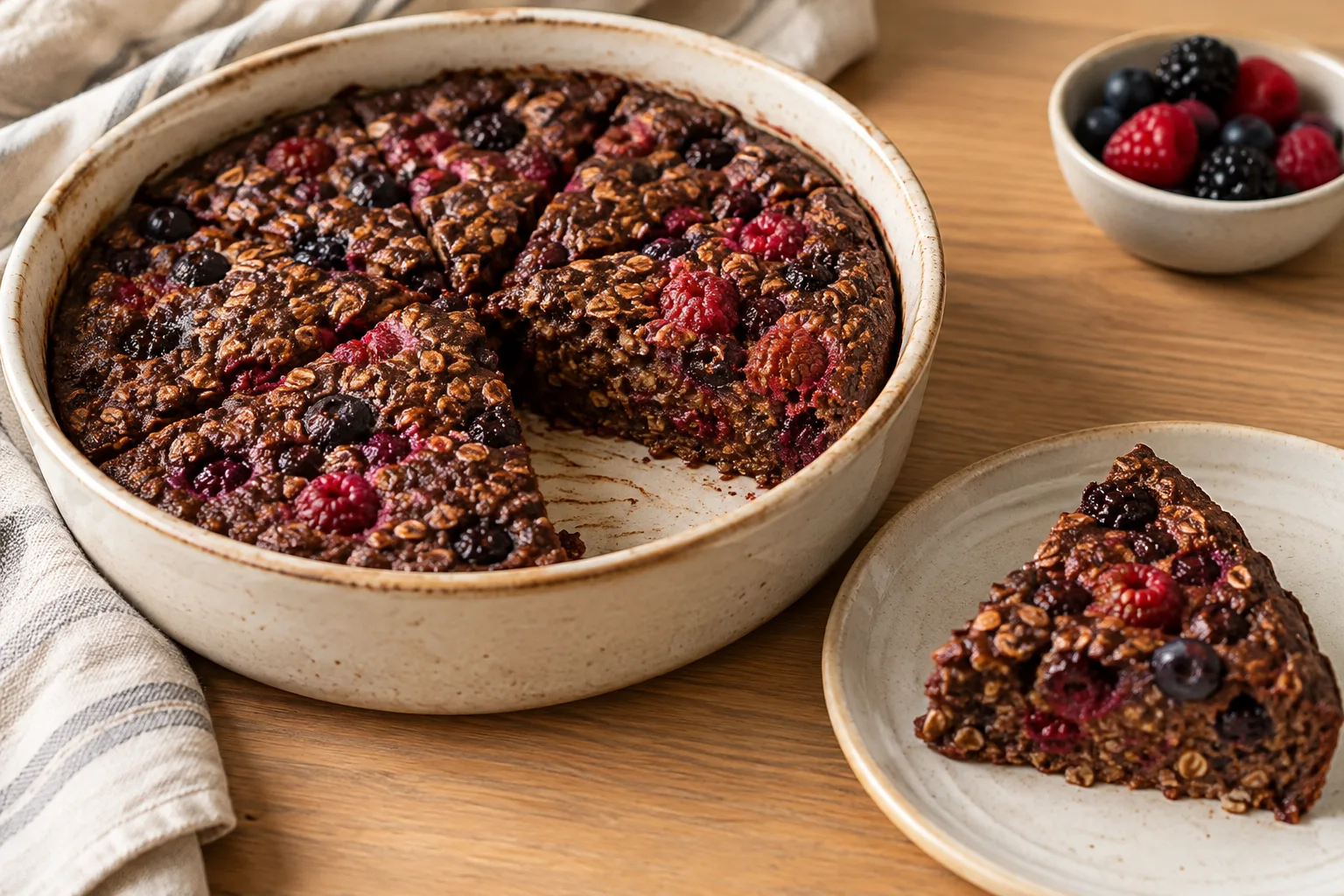
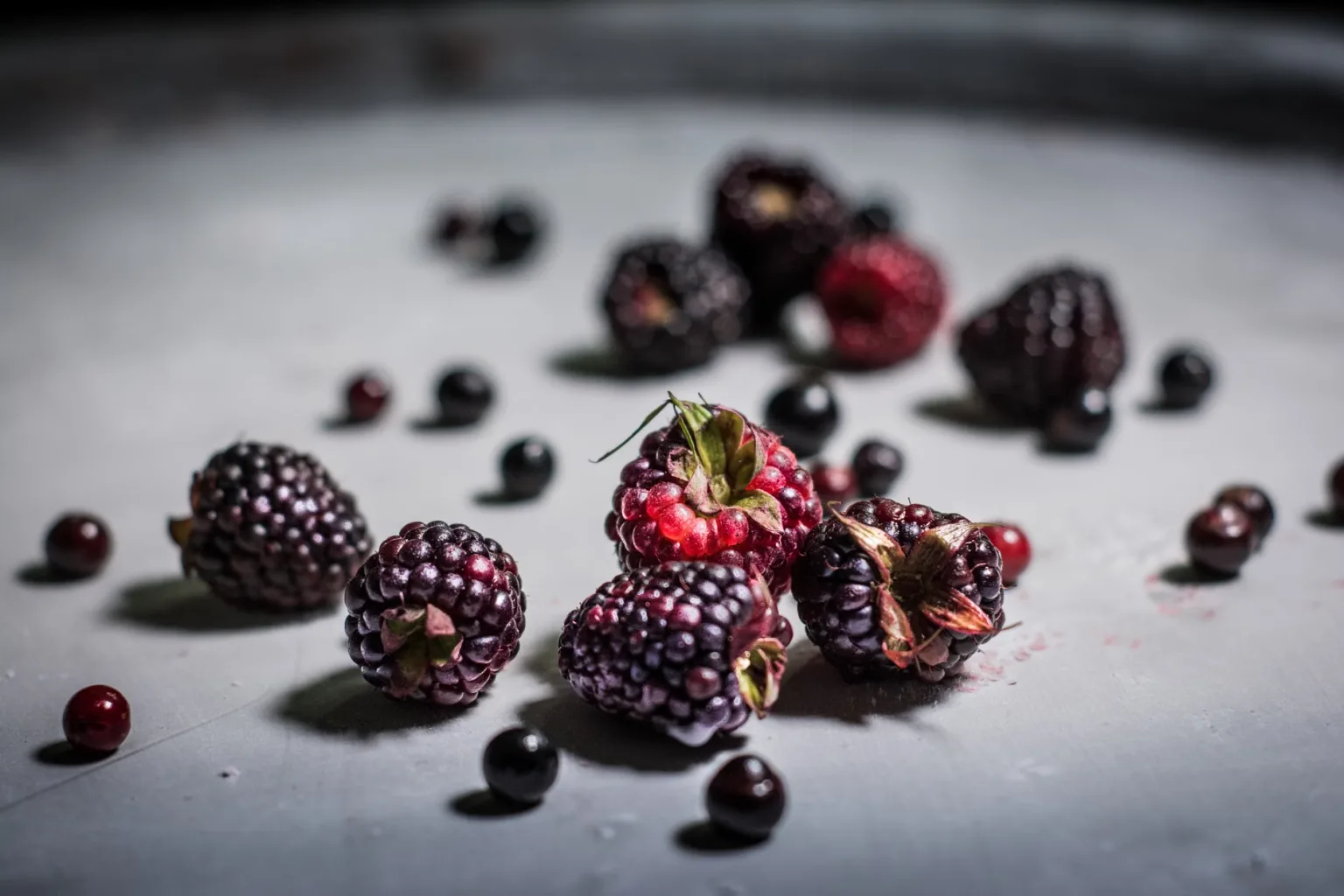
“Berries” is a broad culinary label rather than one fixed botanical list. Depending on the recipe or product, it can include strawberries, raspberries, blackberries and blueberries, among other small fruits. The group spans red, purple and blue shades, while each fruit keeps its own flavour and texture. A berry mixture may therefore taste sweeter, tarter or juicier depending on what it contains. Berries are sold fresh and may also be available frozen or preserved. In cooking, treat the term as a convenient grouping of fruits with differing qualities, not as a single uniform ingredient.
When to use it
Use berries when you want colour, freshness or a sweet-tart contrast in a dish. Fresh whole fruit works in salads, appetisers and as a topping; cooked berries can become sauces, preserves or dessert toppings. They also suit smoothies, tarts and other sweets. Since the term covers different fruits, choose according to the effect you want: a sweeter berry can soften a dessert, while a tarter one can balance a rich dish or a sauce for meat. Fresh, frozen and preserved forms can all be useful, though their textures differ.
How to use it
Prepare each fruit according to its type, then serve it whole to decorate tarts, yoghurt, ice cream, toast or salads. For a sauce, crush the berries or cook them to the texture you want; you can also combine them with meat cooking juices for a sweet-tart accompaniment. Blend them into smoothies with other ingredients of your choice. For a preserve, use one kind of berry or combine several. In baking, add them as a topping or fold them into a mixture, bearing in mind that frozen or preserved fruit may have a different texture from fresh fruit. Taste before adjusting sweetness or acidity, as both vary among fruits and batches.
Flavour and texture
The flavour varies by fruit: it may be sweet, tart or sweet-tart, and some blueberries can have slightly bitter notes. Berries are often juicy, but their flesh is not all alike; raspberries and blackberries are delicate and have noticeable small seeds, while other fruits may feel firmer. Red, purple and blue hues add visual contrast. A mixed selection will not always taste or feel the same: its qualities depend on the fruits included and whether they are fresh, frozen or preserved.
How to choose it
Decide which fruit you need and how you plan to use it first: this category can include fruits with different flavours and textures. Choose fresh fruit when you want to serve or decorate with whole berries; frozen or preserved options can also suit sauces, smoothies and cooked dishes. Read the product name on packaged fruit to see which varieties it contains, and check any storage or use directions provided. Do not assume every berry mixture has the same ingredients.
Storage
There is no single storage rule that applies to every fruit grouped as berries or to every product form. Follow the package’s storage and use directions when provided, and observe the dates that apply to the product. For loose, unpackaged fruit, ask the seller about applicable guidance if you are unsure. A selection may be fresh, frozen or preserved, so do not automatically transfer the instructions for one form to another or assume a shared storage period.
Substitutions
You can replace one berry with another available fruit, but the result may differ in sweetness, acidity, juiciness and texture. For dishes that are cooked or blended, frozen or preserved berries may also work; for whole-fruit decoration or serving, the form can noticeably change appearance and firmness. Taste and adjust for the particular fruit rather than assuming all substitutions are equivalent.
Common mistakes
Treating all berries as if they were one fruit can make a dish too tart, too sweet or too soft for its purpose. Another common mistake is replacing fresh fruit with frozen or preserved fruit without allowing for a texture change. Check which varieties are in the mix, taste before adjusting sweetness, and choose the form for the intended use: fruit suited to a sauce may not give the same finish as fruit served whole.
Safety and allergens
For packaged products, follow the storage and use directions and check ingredient and allergen information where relevant. Required information can vary with the product and how it is sold.
Culinary uses
- fruta fresca para comer sola o añadir a ensaladas
- ingrediente para postres, salsas y mermeladas
Recommended techniques
- servir enteros como guarnición o decoración
- triturar o mezclar para batidos, coulis y salsas
- cocinar para elaborar salsas o mermeladas
Pairs well with
- queso fresco y pan
- ensaladas de hojas, frutas y vinagretas
- postres de chocolate, tartas y helados
- carnes, especialmente en salsas agridulces
Frequently asked questions
Which fruits count as berries?
There is no single culinary list. The term commonly covers strawberries, raspberries, blackberries and blueberries, while the exact selection depends on the product or recipe.
Can I use frozen berries instead of fresh ones?
Yes. They can work in sauces, smoothies and cooked preparations. Their texture may differ, so they may not give the same finish as fresh berries served whole.
Can berries be used in savoury dishes?
Yes. Add them to salads or cook them into sweet-tart sauces for meat; they also work in appetisers and desserts.
Estimated nutrition
- Fat
- 0.36 g
- Saturates
- 0.08 g
- Carbohydrate
- 21.3 g
- Sugars
- 15 g
- Fibre
- 1 g
- Protein
- 1.01 g
- Salt
- 0 g
Sources and review
Automatically researched, cross-checked and validated content. Sources consulted:
- En el etiquetado alimentario hay algunas menciones que son obligatorias eletiquetadocuentamucho.aesan.gob.es
- Client Challenge doi.org
- Pimentón - Wikipedia, la enciclopedia libre es.wikipedia.org
- Frutos rojos: cinco ideas para cocinar | Consumer consumer.es
- ¿Qué es el maridaje de sabores? - Hostelería Benidorm hosteleriabenidorm.com
- Tipos de frutos rojos: sabores y usos culinarios - ALDI aldi.es
- Cuáles son los frutos rojos freshis.com
- Conoce las 10 variedades de frutos rojos | Recetas Nestlé recetasnestle.com.co
- Todo sobre los frutos rojos y sus propiedades - canalSALUD salud.mapfre.es
- Frutos rojos alrededor del mundo: historia, cocina y tradición - Freson de Palos fresondepalos.es
- Frutas y verduras rojas para comer: ejemplos y beneficios finedininglovers.com
- Frutos rojos: qué son, tipos y propiedades okdiario.com
- Esos pequeños frutos secos rojos: las bayas de goji terceraedad.com
- Conocé las 10 variedades de frutos rojos | Recetas Nestlé recetasnestle.com.ar
- 5 maridajes para el té de frutos rojos, una sinfonía de sabores gourmetdemexico.com.mx
- Uso de frutos rojos en repostería: Delicias que encantarán tu paladar pasteleriaberry.com
- Prompts para Aprovechar al Máximo la Herramienta: Pastelería Creativa | Blog AI Chef Pro aichef.pro