- Category
- Grains, flour and pasta
- State
- Dry
- Usual unit
- g
What it is
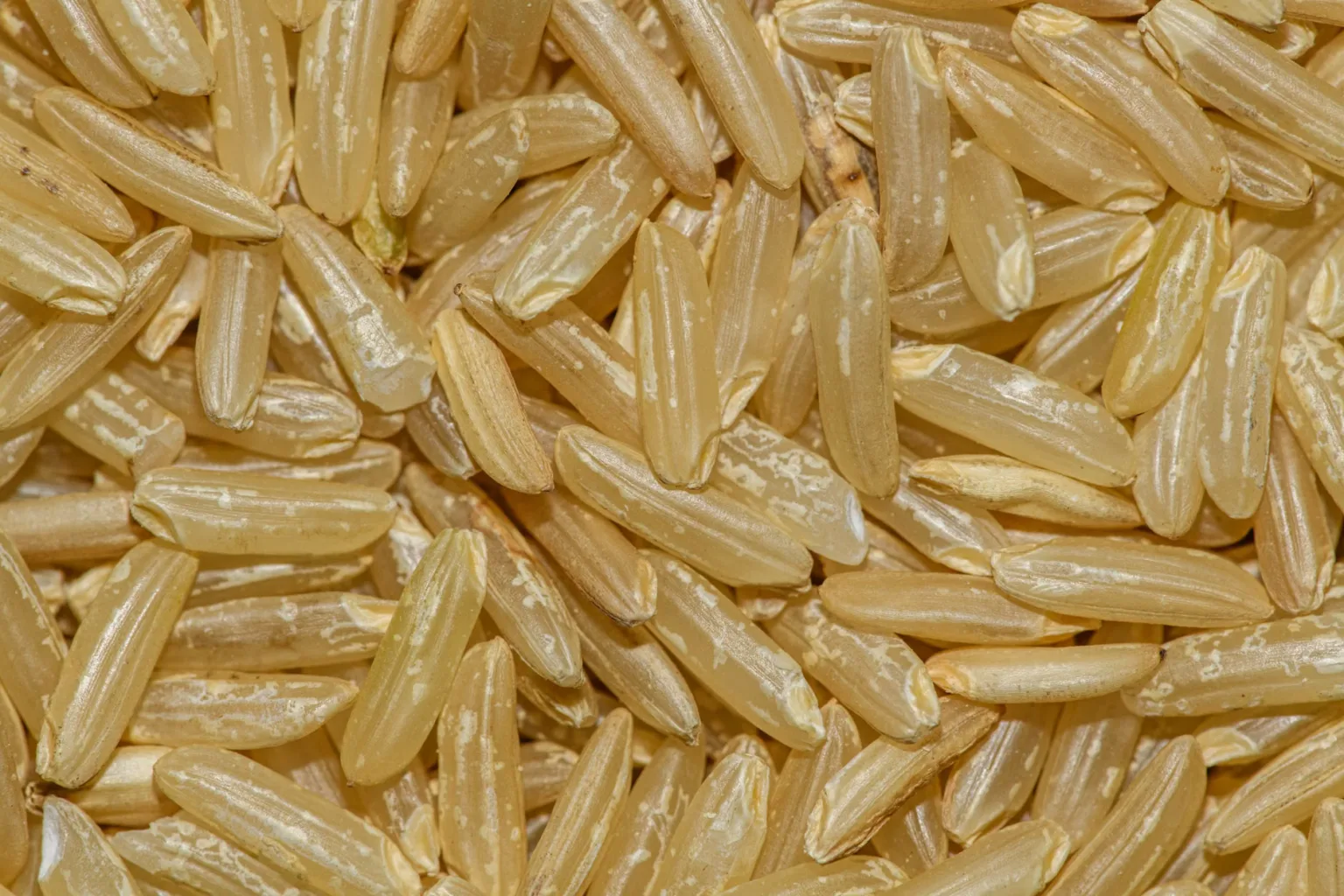
Brown rice is a whole-grain form of rice. The inedible hull is removed, while the bran layers and germ remain with the endosperm. White rice, by contrast, is milled and polished to remove the bran and embryo. “Brown” describes the grain’s usual color and whole-grain processing, not one specific rice variety. Whole-grain rice can be long-, medium-, or short-grain, and it also comes in colors other than the familiar brown.
When to use it
Choose brown rice when you want a grain with more chew and a nuttier flavor than refined white rice. It can serve as a side, form the base of a rice salad, or accompany vegetables and legumes. Grain shape matters too: long-grain rice tends to cook up more separate, while short-grain rice tends to be stickier. Whole-grain rice generally takes longer to cook than refined rice, so consider the product’s instructions and the texture your dish needs before choosing it.
How to use it
Start by reading the package directions: cooking time and liquid depend on the particular product and variety, so one ratio cannot be assumed for every brown rice. Cook it in water or broth, following the product’s directions, and check the texture before serving. If using an absorption method, use the package guidance for that rice. Serve it as a side, combine it with vegetables for a salad, or pair it with legumes. Differences among long-, medium-, and short-grain rice affect how separate or sticky the cooked grains become.
Flavour and texture
Brown rice is generally nuttier and chewier than refined white rice. Products vary: variety and grain length influence aroma, shape, and the cooked result. Long-grain rice tends to remain more separate, while short-grain rice tends to be stickier.
How to choose it
Choose the grain shape to suit the dish. Labels may identify long-, medium-, or short-grain rice, and whole-grain rice can come in colors other than the familiar brown. Check that the package clearly identifies brown or whole-grain rice and is intact. For cooking time and liquid, follow the directions for the product you buy rather than assuming all varieties behave alike.
Storage
Keep dry brown rice in a clean, tightly closed container in a cool, dry place, and follow any storage directions on the label. Protecting the product from moisture helps keep it dry before cooking. The available evidence does not establish a single storage period for every product, so no fixed duration is given here; follow the package date and instructions.
Substitutions
White rice can replace brown rice in a dish that allows rice, but it is less chewy and may need different cooking directions. Another whole-grain rice variety can also work, though grain size, aroma, and stickiness may differ. Adjust liquid and cooking time according to the alternative’s package.
Common mistakes
Do not assume every brown rice is the same variety, color, or grain size, or that all types cook alike. Avoid automatically using liquid amounts or cooking times intended for white rice: whole-grain rice generally takes longer. Check the package and choose the grain for the texture you want.
Safety and allergens
No brown-rice-specific safety warning is established here. Use clean utensils and follow the package’s cooking and storage directions; consult local official food-safety guidance if you have a safety question.
Culinary uses
- Base o acompañamiento para platos salados
- Ingrediente para ensaladas, guarniciones y platos de arroz
Recommended techniques
- Cocción en agua o caldo, siguiendo las instrucciones del envase
- Cocción por absorción, ajustando el líquido y el tiempo a la variedad y al producto
Pairs well with
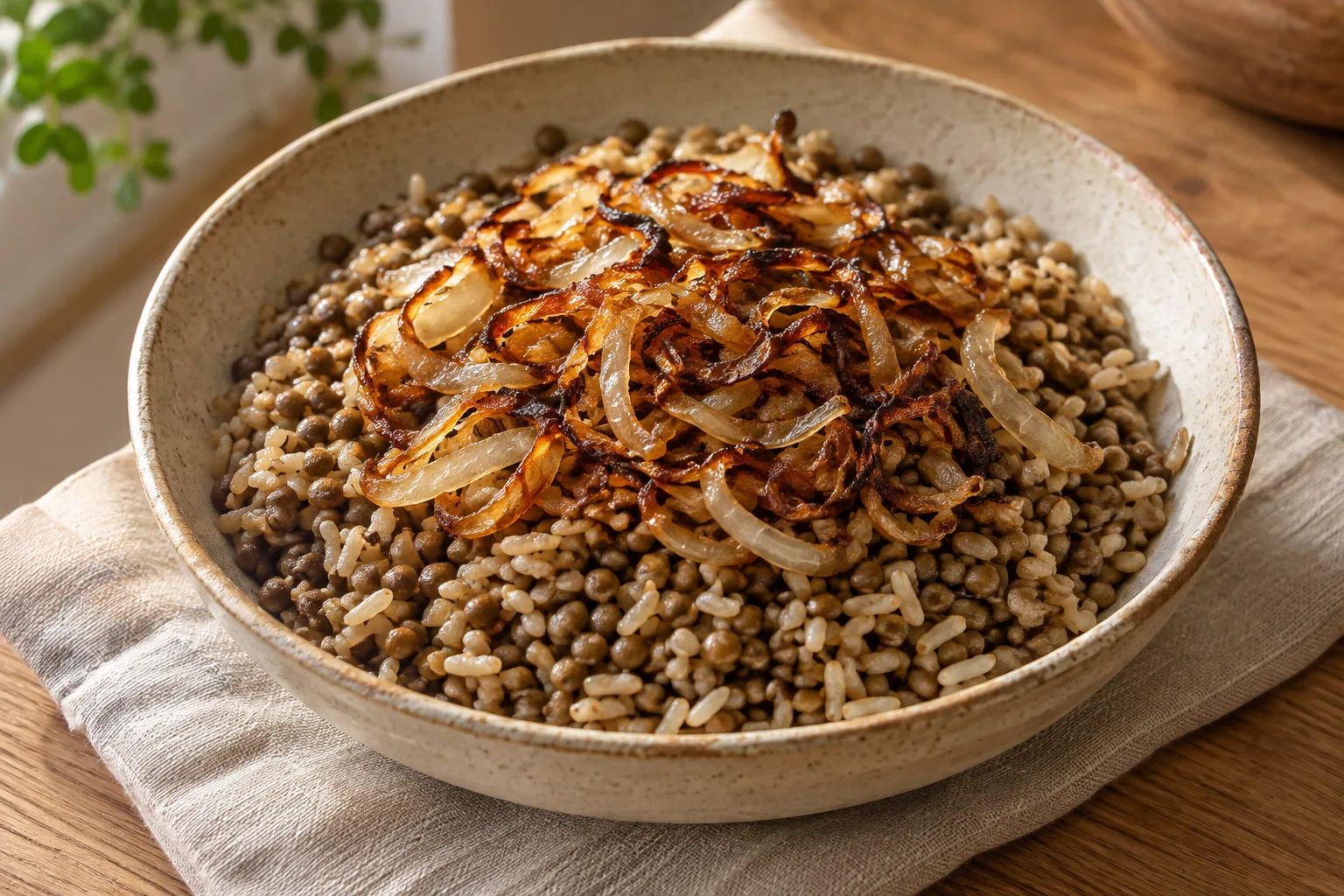
- Legumbres, como en platos de arroz con frijoles
- Verduras y condimentos elegidos para guarniciones o platos de arroz
Frequently asked questions
Is brown rice a specific variety of rice?
No. The term describes whole-grain rice that retains its bran and germ; it can be long-, medium-, or short-grain.
Why can brown rice feel firmer than white rice?
The bran and germ remain on whole-grain rice. As a result, it is generally chewier and often takes longer to cook than refined white rice.
Can I use any water ratio for brown rice?
There is no single ratio for every product. Follow the package directions, since variety and product affect the liquid and cooking time needed.
Estimated nutrition
- Fat
- 2.33 g
- Saturates
- 0 g
- Carbohydrate
- 76.7 g
- Sugars
- 0 g
- Fibre
- 4.7 g
- Protein
- 9.3 g
- Salt
- 0 g
Sources and review
Automatically researched, cross-checked and validated content. Sources consulted:
- Client Challenge doi.org
- The Essential Glossary of Cooking Terms for the Culinary Arts - Escoffier escoffier.edu
- Tipos de arroz integral, propiedades y cómo cocinarlo conasi.eu
- Agencia Española de Seguridad Alimentaria y Nutrición aesan.gob.es
- Nutrition After Your Transplant - Health Online healthonline.washington.edu
- Tipos de arroz: ¿cuántos hay y para qué se usa cada uno? mastershosteleria.com
- Safe & Healthy Food Pantries Project - Health & Well-Being health.extension.wisc.edu
- Rice • The Nutrition Source nutritionsource.hsph.harvard.edu
- informe anual de indicadores - agricultura, pesca y alimentación servicio.mapa.gob.es
- Culinary | Miami Dade College ce.mdc.edu
- MyPlate-Try Whole Grains! coloradosph.cuanschutz.edu
- FCS8667s/FY1342: Datos sobre la Tiamina ask.ifas.ufl.edu
- Arroz. Tipos y usos en la cocina. ¿Cuáles son y cómo usarlos en cada receta? abc.es