- Category
- Sugar and sweeteners
- State
- Dry
- Usual unit
- cup
What it is
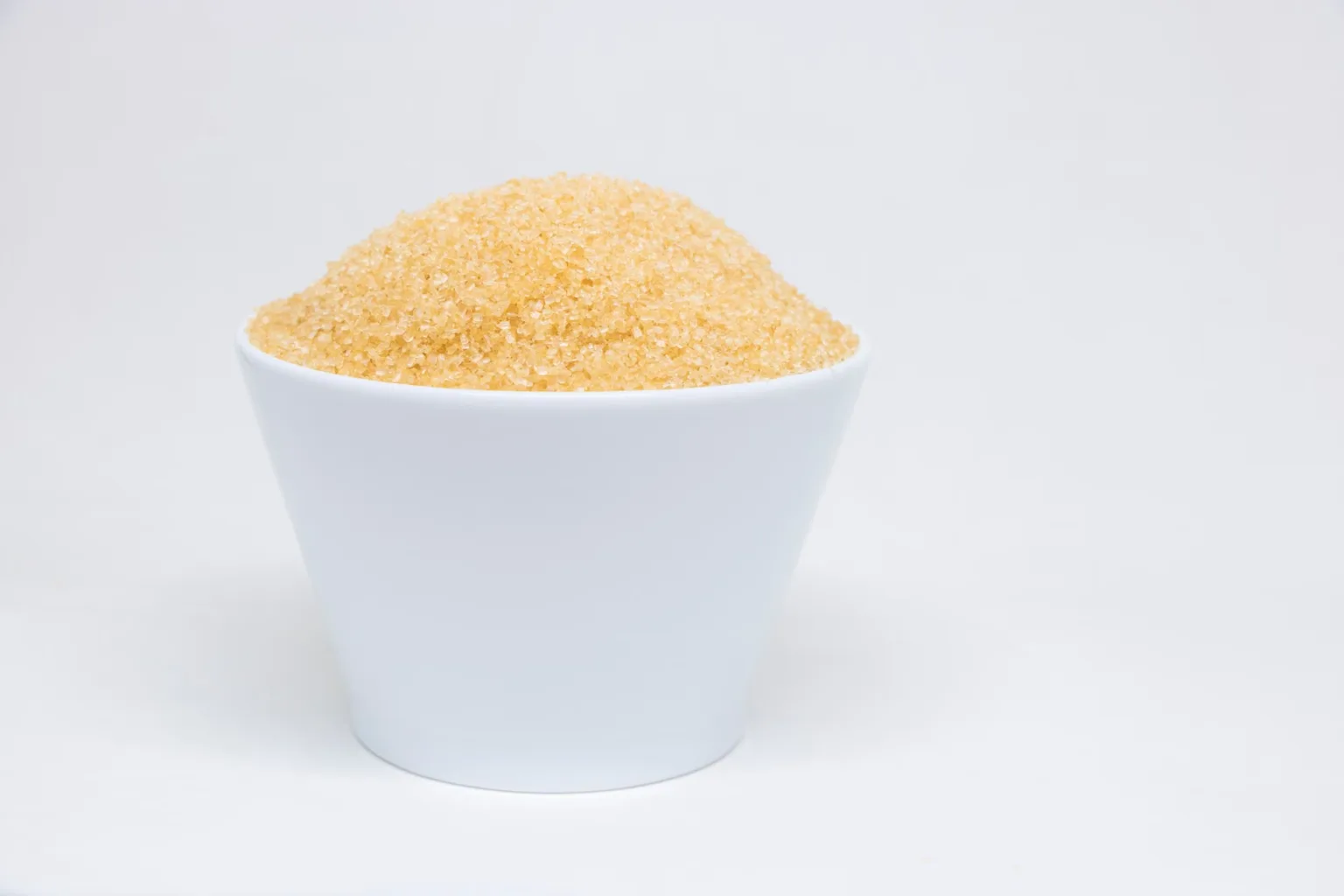
Muscovado, also called muscovado sugar or mascabado, is a cane sugar that retains molasses and is usually dark brown, moist and sticky. It is made by concentrating cane juice while retaining some of its molasses, which distinguishes it from lighter, more neutral-tasting sugars. Products can vary in color, moisture and flavor intensity. Muscovado works as a sweetener, but it also gives dishes a distinctive character. It should not automatically be treated as interchangeable with every brown sugar: some brown sugars are made by adding molasses to refined sugar.
When to use it
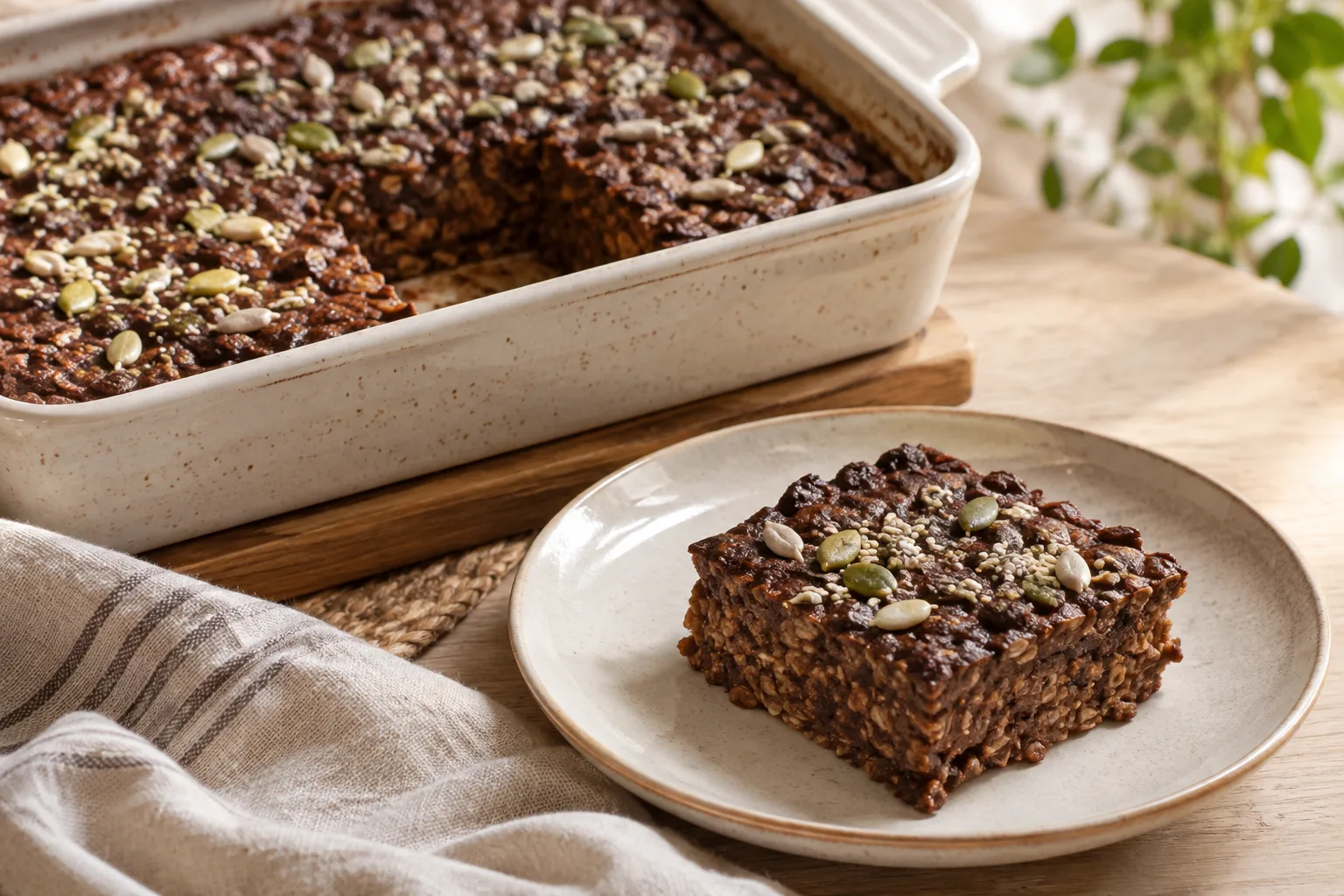
Choose muscovado when you want molasses, caramel or toffee notes to be noticeable, rather than sweetness alone. It suits cookies, brownies, spice cakes, gingerbread and puddings; it can also add depth to barbecue sauces, marinades and glazes. It is less suitable when a recipe depends on neutral sweetness, a pale color or a substantially different texture. Before swapping it into a baking recipe, bear in mind that its moisture and crystals may affect the mixture and the finished result.
How to use it
Measure it according to the recipe and break up any compacted lumps so it distributes evenly. Mix it into cookie, brownie, spice-cake or pudding batters when molasses notes complement the other ingredients. You can also stir it into drinks as a sweetener or use it in marinades, barbecue sauces and glazes. Replacing white sugar with muscovado can change a recipe’s flavor and appearance, so do not assume the result will be identical. If you want a milder profile, consider a less strongly flavored alternative.
Flavour and texture
Muscovado is sweet and strongly flavored, with pronounced molasses notes and hints that may suggest caramel. It is usually dark brown. Its texture tends to be moist, sticky and sometimes grainy or compacted; moisture and flavor intensity vary between products. These qualities can add depth to a recipe, but can also make the sugar clump or blend differently from a drier, more neutral sugar.
How to choose it
Read the product name and description to distinguish muscovado from other brown sugars, since the name alone does not guarantee the same production method or flavor profile. If a recipe depends on the ingredient, choose a product clearly identified as muscovado. Check that the package is sealed and undamaged. Color, moisture and flavor intensity can vary, so take those differences into account when choosing sugar for a delicate recipe.
Storage
Keep it in its closed package or a clean, tightly sealed container, and follow any specific directions on the label. Because muscovado is moist and can clump, avoid leaving it exposed to air or ambient moisture. If it hardens or forms lumps, check that it is still suitable to use and break up the lumps before adding it to a dish. A specific storage life cannot be inferred without checking the date and instructions on the package.
Substitutions
Dark brown sugar can provide sweetness, moisture and some molasses character, though its flavor may not be identical. You can also combine white sugar with molasses to approximate muscovado, or use panela or jaggery. These alternatives differ in moisture, crystal size and flavor, so they may change the texture and outcome. For a sensitive recipe, test a small amount before replacing the full quantity.
Common mistakes
Do not assume every brown sugar is muscovado: production method, moisture and flavor may differ. Do not choose it expecting neutral sweetness, since its molasses notes can dominate a delicate dish. Lumps can prevent even distribution, so break them up before mixing. When substituting, remember that a different sugar can also change the color, moisture and texture of the finished dish.
Safety and allergens
Check the product label and follow its storage and use directions. If you need to avoid an ingredient because of an allergy or intolerance, check the package’s allergen information or ask the seller; formulations and labeling can vary. Keep the product closed and do not use it if the package is damaged or there are signs of contamination.
Culinary uses
- Sweetener for baking and desserts
- Flavoring for drinks, marinades, barbecue sauces and glazes
Recommended techniques
- Mix into cake, cookie and pudding batters
- Dissolve or stir into drinks, sauces and marinades
Pairs well with
- Cinnamon, ginger and cloves
- Gingerbread, spice cakes and barbecue sauces
Frequently asked questions
Is muscovado the same as brown sugar?
Not necessarily. Muscovado retains molasses and has a moist, pronounced profile; some brown sugars are made by adding molasses to refined sugar. Check the product description.
What can I use muscovado sugar in?
Use it in cookies, brownies, cakes, gingerbread, puddings and drinks. It can also add depth to marinades, barbecue sauces and glazes.
Can I replace muscovado with white sugar?
You can try, but the flavor and texture will not be identical. White sugar is more neutral; combining it with molasses is one option for approximating muscovado’s flavor.
Estimated nutrition
- Fat
- 0 g
- Saturates
- 0 g
- Carbohydrate
- 98.1 g
- Sugars
- 97 g
- Fibre
- 0 g
- Protein
- 0.12 g
- Salt
- 0.07 g
Sources and review
Automatically researched, cross-checked and validated content. Sources consulted:
- En el etiquetado alimentario hay algunas menciones que son obligatorias eletiquetadocuentamucho.aesan.gob.es
- Client Challenge doi.org
- Cooking Food Storage | USU extension.usu.edu
- Diferencias entre Tipos de Azúcar | Estuchados Júcar ejucar.com
- i ^ i ^ii^^ Núm. 2-77 HD EL ENSILADO Y SUS VENTAJAS JOSE M.e NOGUER MASSOT mapa.gob.es
- (DOC) PRODUCCIÓN DE CHOCOLATE AMARGO Y AZUCARADO academia.edu
- Freezing Rutabagas - National Center for Home Food Preservation nchfp.uga.edu
- BFSN_A_325050_O talcottlab.tamu.edu
- Azúcar mascabado - Wikipedia, la enciclopedia libre es.wikipedia.org
- Azúcar moscovado | qué es, tipos de azúcar y usos culinarios codinafoods.com
- Azúcar mascabado: qué es, para qué sirve, propiedades y cómo consumir - Tua Saúde tuasaude.com
- ¿Qué es el azúcar mascabado? Usos y sustitutos campuskinesico.com