- Category
- Pulses
- State
- Canned
- Usual unit
- g
What it is
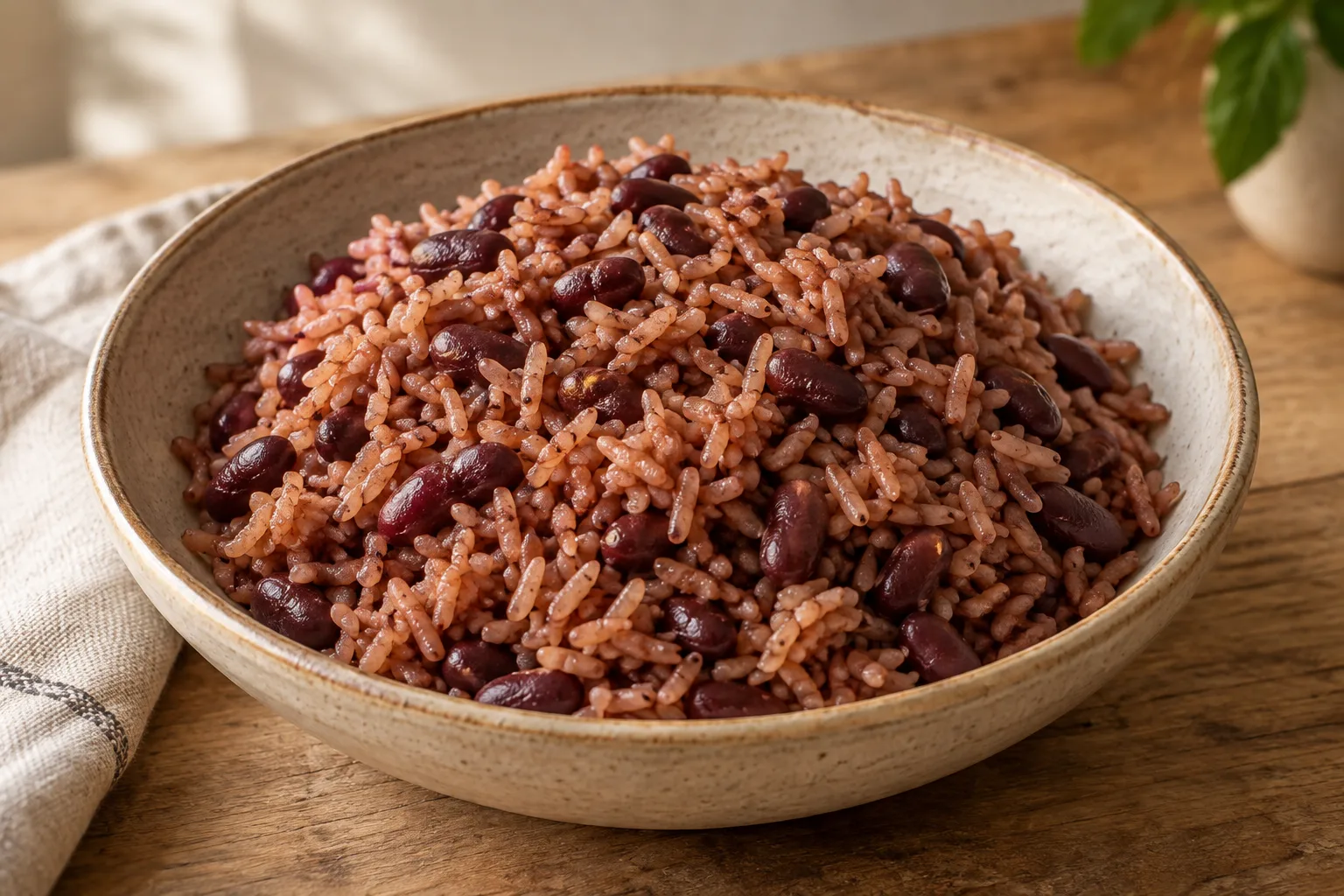
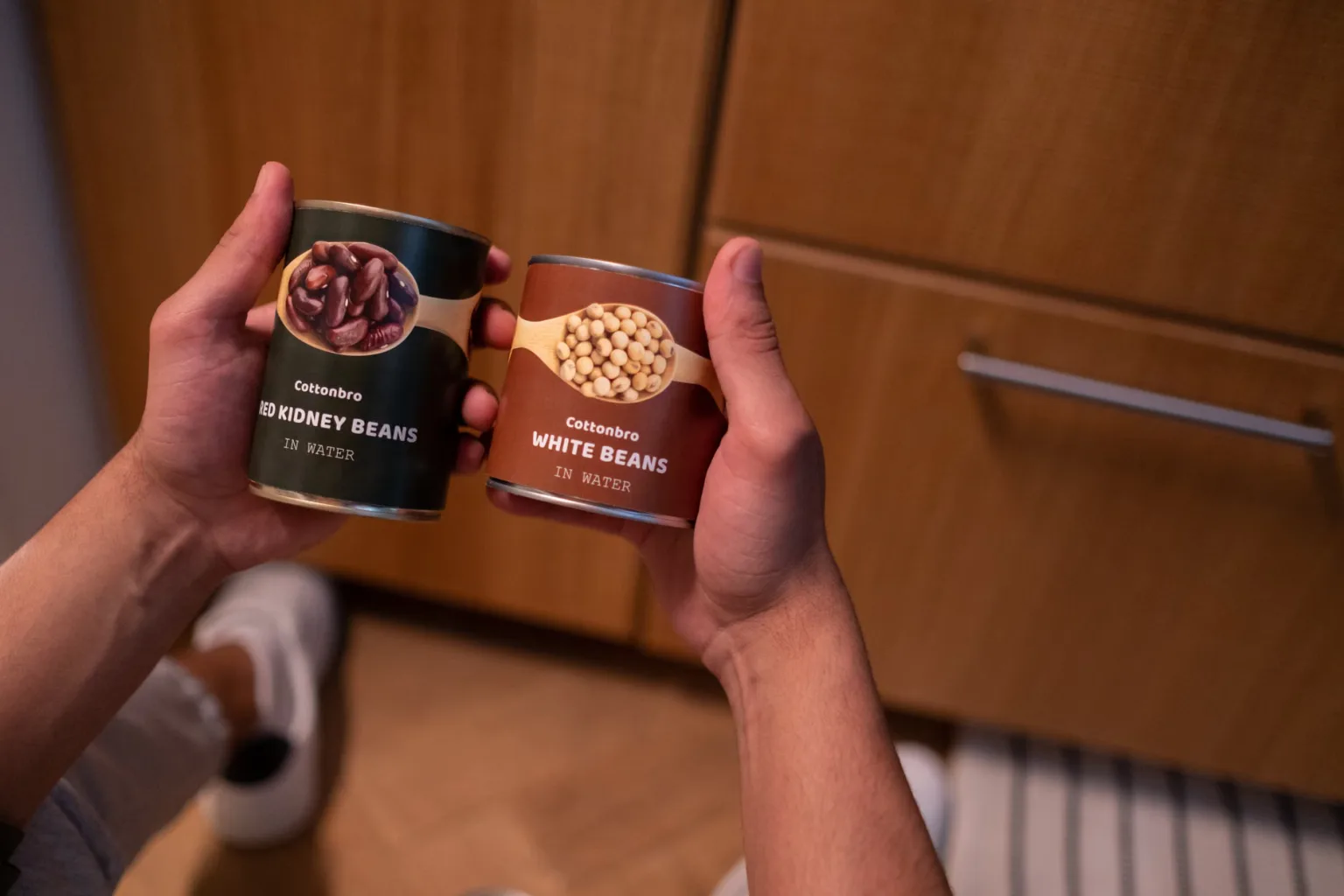
Canned red beans are legume seeds that have been cooked and packed as a convenient ingredient ready to add to meals. The name “red beans” can cover products that differ in size, shape and variety, so not every can is necessarily the same kind of bean. Unlike dried beans, canned beans do not need soaking or a long cooking step before use. Depending on the product, they may be packed in a covering liquid, which can be drained or rinsed to suit a recipe. They work in both cold dishes and hot preparations, including salads, soups and stews.
When to use it
Use them when you want to add a cooked legume without starting with dried beans. They suit salads, soups, stews, chili and rice dishes, and can also accompany cooked vegetables or form part of a simple meal. In a salad, add them cold; in a stew, stir them in and warm them with the other ingredients. If a recipe is written for beans cooked from scratch, remember that canned beans are already cooked and adjust when you add them so they retain their shape.
How to use it
Open the can and check the product directions. For a salad, drain the beans and rinse them if you want to remove some of the packing liquid; then combine them with ingredients such as tomato, onion, garlic, olives or a vinaigrette. For soup, chili or stew, add them to the prepared dish and warm them with the other ingredients. They can also be stirred into a prepared sauce or sautéed mixture. Serve cold or gently warmed. For a thicker consistency, crush some of the beans in the dish while leaving the rest whole. They do not need the soaking and long cooking used for dried beans.
Flavour and texture
Cooked red beans have a mild flavor that works with seasonings and other ingredients, and a tender texture. Firmness and size can vary between varieties and canned products. When warmed in a sauce or stew, they take on some of the surrounding flavors; mashing a portion can help thicken a dish. In a salad, drain and mix them gently if you want the beans to remain distinct.
How to choose it
Look for a product labelled canned red beans and check the ingredient list and package directions to see what is included and how it should be used. The name can refer to different red-bean varieties, so size, shape and firmness may differ between products. Choose a format that suits the recipe, and do not assume that every can has the same packing liquid or seasoning.
Storage
Before opening, store the can according to the directions printed on its packaging; the available evidence does not establish one universal shelf life for every brand. After opening, follow the manufacturer’s instructions for refrigeration and use. If the directions are unclear, do not leave the opened product unattended and check the label or contact the manufacturer. The supplied evidence does not support a specific storage time after opening.
Substitutions
Other cooked beans, such as black or white beans, can replace red beans if you are comfortable with differences in flavor, size and texture. Red beans cooked from dried beans are another option, but they must be prepared before use and are less convenient. Adjust when you add them: canned beans are already cooked, while dried beans need their own preparation.
Common mistakes
Do not treat canned beans like dried beans: they are already cooked and do not need soaking or prolonged cooking. Avoid adding them too early to a dish that will be stirred heavily, since tender beans can break apart. Do not assume all red varieties have the same shape or firmness; check the product and adapt the recipe.
Safety and allergens
Follow the package directions and the manufacturer’s recommendations. The supplied evidence establishes no specific safety warning for canned red beans and no universal storage duration after opening.
Culinary uses
- ingredient for salads and cold dishes
- base or addition for soups, stews, chili and rice dishes
Recommended techniques
- drain and rinse before use
- add directly to a dish or warm gently in a stew
- serve cold or warm
- mash or partially crush for a thicker texture
Pairs well with
- tomato, onion, garlic and pepper
- rice and other grains
- olive oil, herbs and spices
- meat or seafood in stews
Frequently asked questions
Do canned red beans need to be cooked before eating?
The available sources describe canned beans as cooked and ready to use. They can be served cold or warmed in a dish; follow the package directions.
Should I rinse canned red beans?
Rinsing can remove some of the packing liquid. It is useful before adding the beans to a salad or when you want to control the liquid in a recipe.
What dishes can I make with them?
Add them to salads, soups, stews, chili or rice dishes. They can be served cold or warmed with other ingredients.
Sources and review
Automatically researched, cross-checked and validated content. Sources consulted:
- Romanica Olomucensia : «¿Qué pinga es esto?». Usos disfemísticos en el español de Cuba doi.org
- Los alimentos como medicina: la dieta antiinflamatoria | Children's Hospital of Philadelphia chop.edu
- educational content to support healthful lifestyle practices sjsu.edu
- Supervivencia Básica: Alimentos | Servicio de Extensión de OSU extension.oregonstate.edu
- Lo que Necesita Saber Sobre Derrames Cerebrales patientslearn.uams.edu
- Pantry Staples and Other Commodity Food Recipes – Food Smart Colorado foodsmartcolorado.colostate.edu
- Vamos a Conservar Alimentos: Sopas extension.psu.edu
- Population Genomics of Phaseolus spp.: A Domestication ... psfaculty.plantsciences.ucdavis.edu
- El frijol rojo | La Fundación Louis Bonduelle fondation-louisbonduelle.org
- ¿Qué son los frijoles? Descubre tipos y variedades-Blog goya.es
- Los fríjoles, imprescindibles en la comida latinoamericana | Distribuidora Latinoandina distribuidoralatinoandina.com
- Frijol Rojo vimafoods.com
- Frijoles Rojos | Cook for Your Life cookforyourlife.org