- Category
- Fish and seafood
- State
- Canned
- Usual unit
- lata
What it is
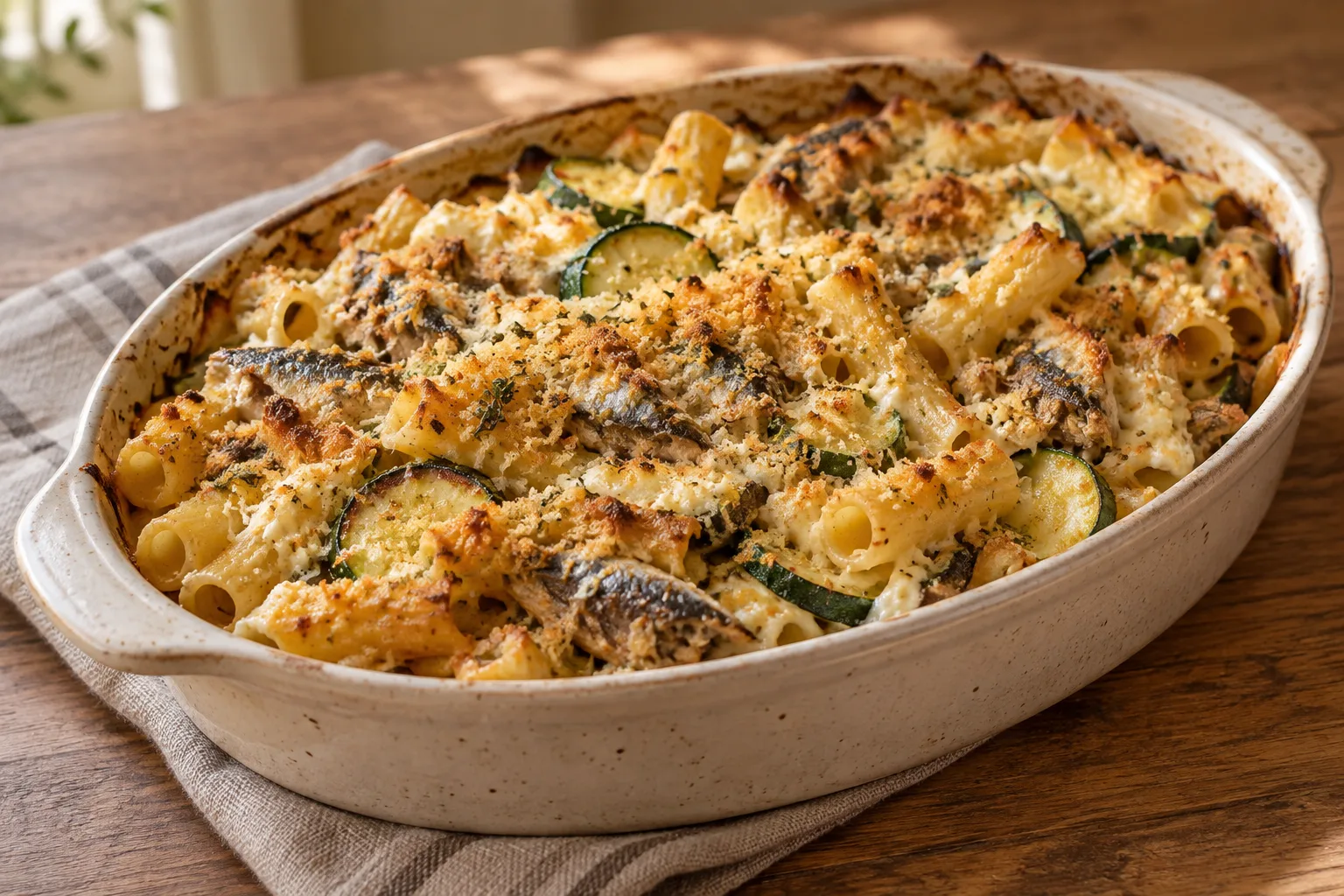
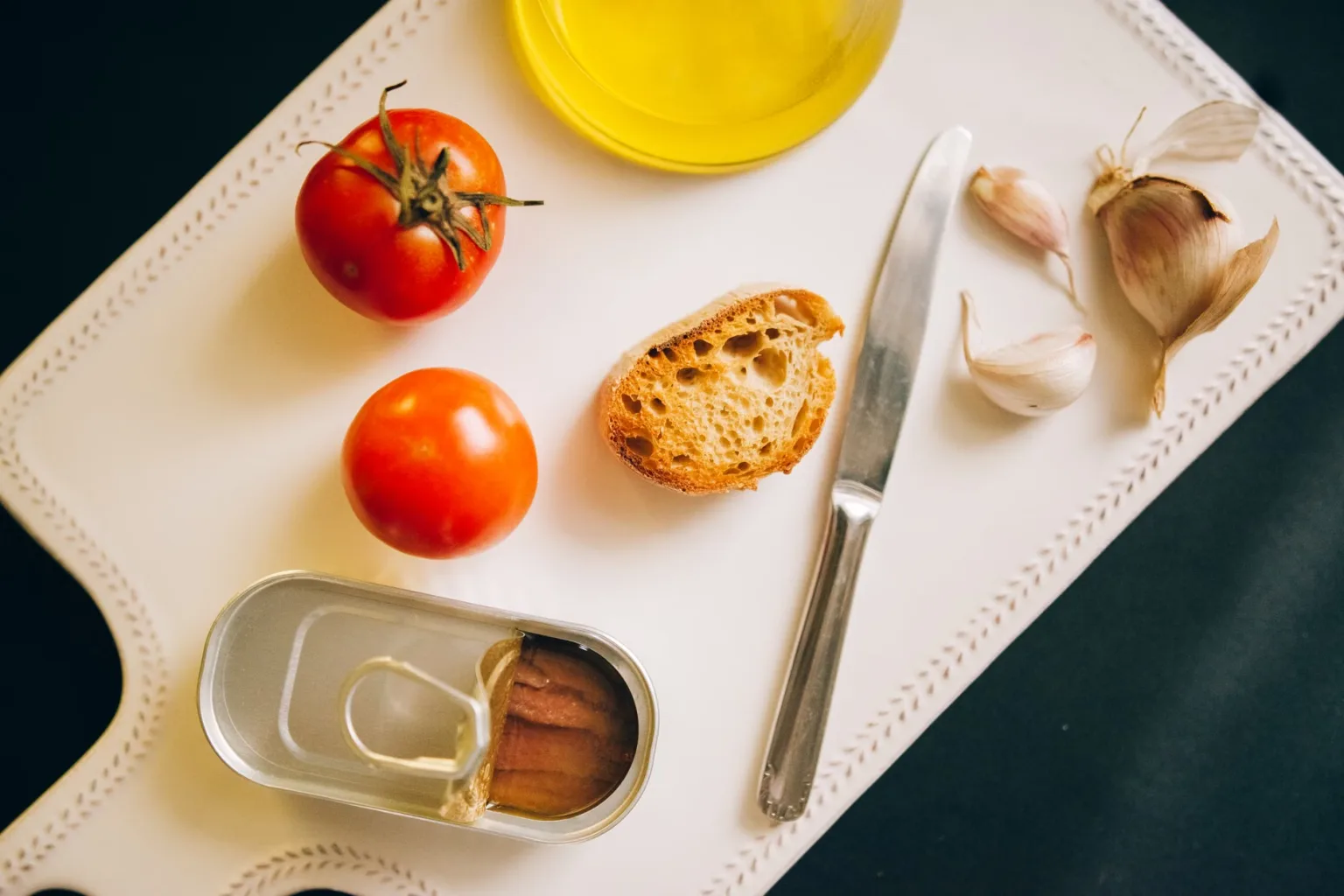
Canned sardines are sardines prepared and packed as a convenient pantry product. They do not all come in the same preparation: examples include oil, escabeche, plain versions, and sauces such as tomato or spicy sauce. The packing liquid or sauce contributes to the character of the finished product, so read the product name and ingredient list rather than assuming every can is alike. Some products contain whole pieces; others may be sold as fillets. Sardines can be served straight from the can or included in a dish without elaborate preparation. This profile concerns commercially canned sardines; it is not a guide to home-canning fish.
When to use it
Use canned sardines when you want to add fish to a meal with little assembly: serve them on toast, put them in a sandwich, or include them in a salad or simple dish. Sardines packed in oil also bring their packing liquid, while escabeche and sauce versions offer different flavors; choose according to the result you want. Whole pieces work for direct serving, while fillets may suit portions where you do not want a whole piece. Check the label whenever you need details about ingredients, allergens or storage conditions.
How to use it
Open the can according to its package instructions and serve the sardines directly, for example on toast. You can also place them in a sandwich, serve them with tomato or add them to a simple dish. For a filling, mash or mix the sardines with other ingredients; mayonnaise is another possible combination. Choose the style first: oil, escabeche, tomato sauce, spicy sauce and plain preparations each give the dish a different character. If you use the packing liquid, remember that it contributes to the flavor of that variety. Check the label for the product’s ingredients and specific directions.
Flavour and texture
Flavor and texture depend on the preparation and the size of the pieces. Sardines in oil have the character of the fish together with that of the packing liquid; escabeche brings an acidic, spiced profile, while tomato or spicy versions add their own notes. Smaller pieces may have a more delicate texture, while larger ones may feel firmer and taste more pronounced. The label helps distinguish products that are not identical.
How to choose it
Read the product name and ingredient list to see whether the sardines are packed in oil, escabeche, sauce or another preparation, and whether the product contains whole pieces or fillets. Check the allergen information and any storage directions printed on the package as well. Products and recipes vary, so do not assume that different brands have the same flavor, packing liquid or format.
Storage
Store the can according to the conditions printed on its label. Packaged foods must give storage directions when special conditions are needed; follow the instructions for the particular product you bought. After opening, check the package for any applicable directions and do not assume an opened can keeps in the same way as a sealed one. The label is the reference for your product.
Substitutions
If a recipe calls for sardines in oil and you have escabeche, plain or sauce-packed sardines, you can use them as an alternative, but the flavor and packing liquid will change the result. For a milder profile, choose a preparation whose label does not indicate spicy sauce or escabeche. Check the ingredients before swapping one style for another.
Common mistakes
Treating all canned sardines as interchangeable can change a dish’s flavor and moisture: oil, escabeche, tomato and spicy sauces do not have the same effect. Another common mistake is overlooking the ingredient list, allergen information or storage directions on the package.
Safety and allergens
Fish is an allergen to consider. Read the label for allergens, ingredients and storage conditions, follow the manufacturer’s directions, and do not assume every preparation has the same instructions.
Culinary uses
- aperitivo o tapa
- ingrediente para bocadillos, ensaladas y platos sencillos
Recommended techniques
- servir directamente de la conserva
- machacar o mezclar para preparar un relleno
Pairs well with
- pan tostado
- tomate
Frequently asked questions
Do canned sardines need to be cooked?
They can be served straight from the can, or added to a recipe depending on the result you want.
Do all canned sardines come in oil?
No. Plain, escabeche and sauce-packed versions are also available; check the label.
How should I store an opened can?
Follow the storage directions for that product on its package; do not assume every brand has the same instructions.
Estimated nutrition
- Fat
- 11.4 g
- Saturates
- 1.53 g
- Carbohydrate
- 0 g
- Sugars
- 0 g
- Fibre
- 0 g
- Protein
- 24.6 g
- Salt
- 0.77 g
Sources and review
Automatically researched, cross-checked and validated content. Sources consulted:
- En el etiquetado alimentario hay algunas menciones que son obligatorias eletiquetadocuentamucho.aesan.gob.es
- Vamos a Conservar Alimentos: Ingredientes Utilizados en las Conservas Preparadas en Casa extension.psu.edu
- Romanica Olomucensia : «¿Qué pinga es esto?». Usos disfemísticos en el español de Cuba doi.org
- Pacific Sardine | California Sea Grant caseagrant.ucsd.edu
- Sardinas en conserva y otros pescados: un breve recorrido jamonarium.com
- Aesan - Agencia Española de Seguridad Alimentaria y Nutrición aesan.gob.es
- 1 SECRETARIA GENERAL DE PESCA MINISTERIO DE AGRICULTURA, PESCA Y ALIMENTACIÓN mapa.gob.es
- Sardinas en lata - Wikipedia, la enciclopedia libre es.wikipedia.org
- Canned Sardines: Guide to the Best – Bacalalo bacalalo.com
- Sardinas y Sardinillas: todo sobre este pescado y sus conservas | Isabel isabel.net
- Sardinas en Conserva: Tipos, Beneficios y Cómo Elegir – Ibérico Taste ibericotaste.us
- Sardinas en conserva gourmet | Guía y recetas elpaladar.es
- Sardinillas y Sardinas en Conserva, la mejor variedad artesanal (2) anchoasdeluxe.com