- Category
- Herbs and spices
- State
- Fresh
- Usual unit
- unit
What it is
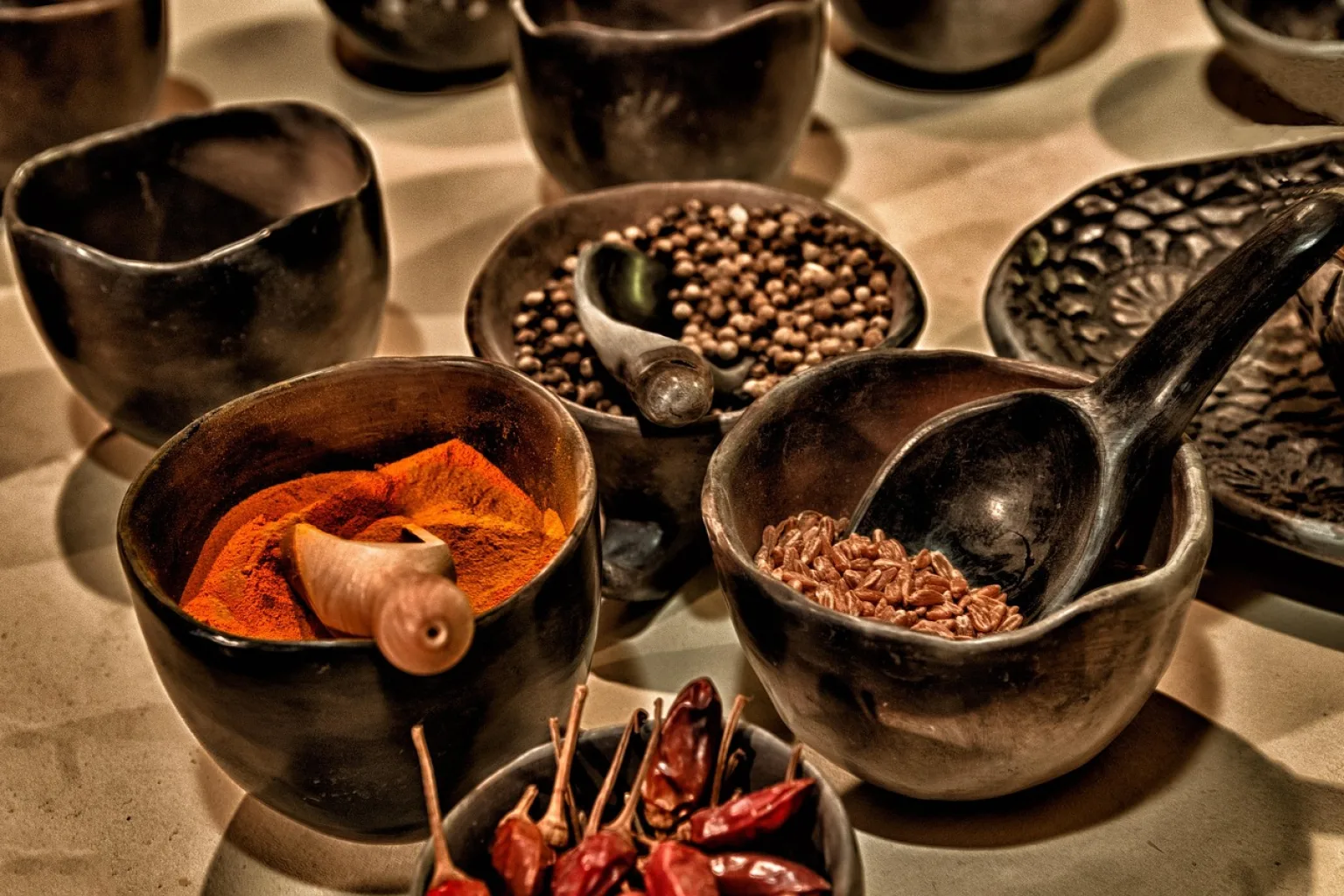
Fresh cayenne chili is a chile from the Capsicum genus used as a spicy ingredient and seasoning. It is commonly described as an elongated, reddish fruit, though appearance and heat can vary by variety and individual pepper. It is not black pepper: the culinary name “cayenne pepper” refers to a chile-based spice that is also sold dried or ground. This profile concerns the fresh form. Its main kitchen role is to add heat and a warm chile note; the amount needed depends on the pepper and the cook’s preference.
When to use it
Use it when you want to add heat to a dish and can control how much goes in. It can be included in sautés, sauces, soups and stews, or used with meat, vegetables and seafood. For a new recipe, start with a small amount, taste the result and add more only if needed. Chiles can vary in intensity, so the ingredient name does not guarantee exactly the same heat level from one purchase to the next.
How to use it
Wash and prepare the chile using ordinary food-handling practices, then slice or chop it for the recipe. Add it to a sauce, soup, stew or sauté according to the result you want; it can also be grilled or used in pickled preparations. Start with a small amount, mix thoroughly and taste before adding more, because heat varies between peppers. Avoid touching your face while handling it and wash your hands well afterward; wearing gloves is a useful precaution when cutting chiles.
Flavour and texture
Its best-known culinary feature is its heat, accompanied by the warm note characteristic of chiles. Fresh, it has the texture of a fleshy fruit that can be sliced or chopped; cooking incorporates it into the dish. Heat is not necessarily consistent: it can vary between individual peppers and varieties, so taste and adjust.
How to choose it
Check that the product name or label identifies it as fresh cayenne chili, rather than dried cayenne, flakes or powder. Those forms behave differently in a recipe. If a seller offers several chiles, ask which variety it is, and remember that heat can vary; do not assume that two peppers called cayenne will taste equally hot.
Storage
The available evidence does not establish a specific shelf life or storage conditions for fresh cayenne. Check the package directions or ask the seller and follow that guidance; do not assume a particular storage life. Keep the pepper separate from ready-to-eat foods if preparation could cause cross-contamination, and use clean utensils and surfaces.
Substitutions
Another fresh red or green chile may work in a similar role in some recipes, but its heat and flavor can differ; adjust the amount gradually. Dried or ground cayenne is another form of the seasoning, not an identical replacement for the fresh fruit: it disperses differently, so the recipe may need adjusting.
Common mistakes
Adding a large amount without tasting first can make a dish hotter than expected. It is also easy to confuse the fresh fruit with dried or ground cayenne, although their forms change how they are incorporated. Do not assume every pepper has the same heat, and avoid touching your eyes or face after handling chiles.
Safety and allergens
When cutting chiles, avoid touching your face and wash your hands well afterward. Gloves are a reasonable precaution; follow any handling directions supplied with the product. For packaged food, check the label for product-specific storage and use instructions.
Culinary uses
- Adds heat and a peppery note to dishes
- Seasoning ingredient for sauces, soups, stews and sautés
- Fresh chile component in cooked or pickled preparations
Recommended techniques
- Slice or chop and add during cooking
- Grill
- Cook in sauces, soups or stews
- Use fresh in pickled preparations
Pairs well with
- Meat and vegetable dishes
- Soups, stews and sauces
- Pasta and pizza
- Seafood and salads
Frequently asked questions
Is fresh cayenne chili black pepper?
No. Cayenne comes from chiles in the Capsicum genus; “cayenne pepper” is a culinary name for a chile spice, not black pepper.
How can I control how hot a dish becomes?
Add a small amount, mix and taste before adding more. Heat can vary between peppers, so do not assume every cayenne will be equally hot.
Can I use it instead of cayenne powder?
It can add heat in some recipes, but fresh chile and powder disperse differently. Adjust gradually and taste the dish as you go.
Sources and review
Automatically researched, cross-checked and validated content. Sources consulted:
- En el etiquetado alimentario hay algunas menciones que son obligatorias eletiquetadocuentamucho.aesan.gob.es
- Client Challenge doi.org
- Cooking Food Storage | USU extension.usu.edu
- Food Selection & Storage | Home & Garden Information Center hgic.clemson.edu
- Storing Staple Ingredients in the Kitchen extension.psu.edu
- Aesan - Agencia Española de Seguridad Alimentaria y Nutrición aesan.gob.es
- FLORA AGRÍCOLA Y FORESTAL DE AL-ANDALUS 244 mapa.gob.es
- Salsa de Chiles Cayenas (Spanish) - National Center for Home Food Preservation nchfp.uga.edu
- Arizona Culinary Institute – Hands-On Culinary School in Scottsdale azculinary.edu
- Guindilla: Botánica, cultura y sabor en una Especia | Alveus alveus.eu
- Guindilla cayena, la tradición del picante de nuestros platos: qué es, cómo usarla y 13 recetas para sacarle todo el partido directoalpaladar.com
- Cayena: qué es, cómo se usa y recetas | JUST SPICES ® justspices.es
- Guindilla: qué es, beneficios y usos en la cocina de este pimiento picante bonviveur.com
- WIN79 : Link SLOT777 Terbaik Hari Ini Situs Slot Gacor Maxwin Gampang Jackpot Hoki wasabidelnorte.es
- COCINA Y GASTRONOMÍA: Los condimentos: Hierbas y especias - 11ª parte natureduca.com