- Category
- Dairy and eggs
- State
- Fresh
- Usual unit
- g
What it is
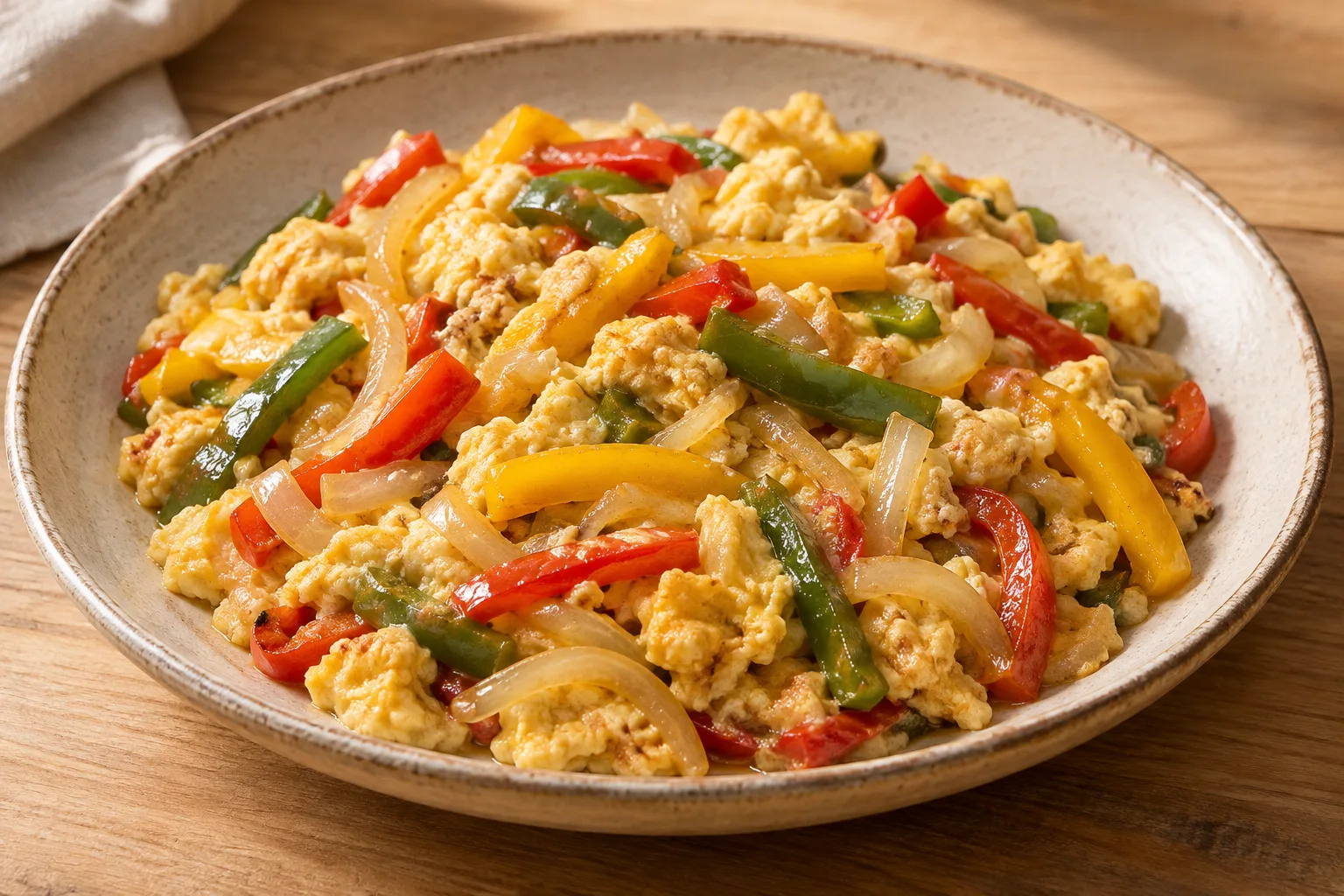
A chicken egg is a shelled ingredient made up mainly of a white and a yolk. In cooking, these parts behave differently: the white can be whipped into foam and provide structure, while the yolk contributes emulsion, colour and a creamy texture. This makes eggs useful as the centre of an omelette or as an addition to a sauce, batter, custard or dessert. The result depends on how the egg is combined and which technique is used; not every recipe calls for the whole egg.
When to use it
Use an egg when a preparation needs to set, bind ingredients or gain structure, or when a recipe calls for foam or an emulsion. A whole egg is convenient for omelettes and dishes in which white and yolk cook together. Separate the parts when a recipe specifically relies on whipped white or on the yolk’s emulsifying and creamy qualities. Eggs work in savoury cooking as well as in batters and desserts.
How to use it
Crack an egg into a bowl and use it whole when the recipe combines white and yolk. For an omelette or scrambled eggs, beat both parts and cook until set to the texture you want. If a preparation needs aeration, whip the whites and handle them as a distinct component of the recipe; for a sauce or custard, the yolk can contribute emulsion and creaminess. An egg can also set as a dish in its own right. Match the technique to the recipe, rather than assuming white and yolk do the same job.
Flavour and texture
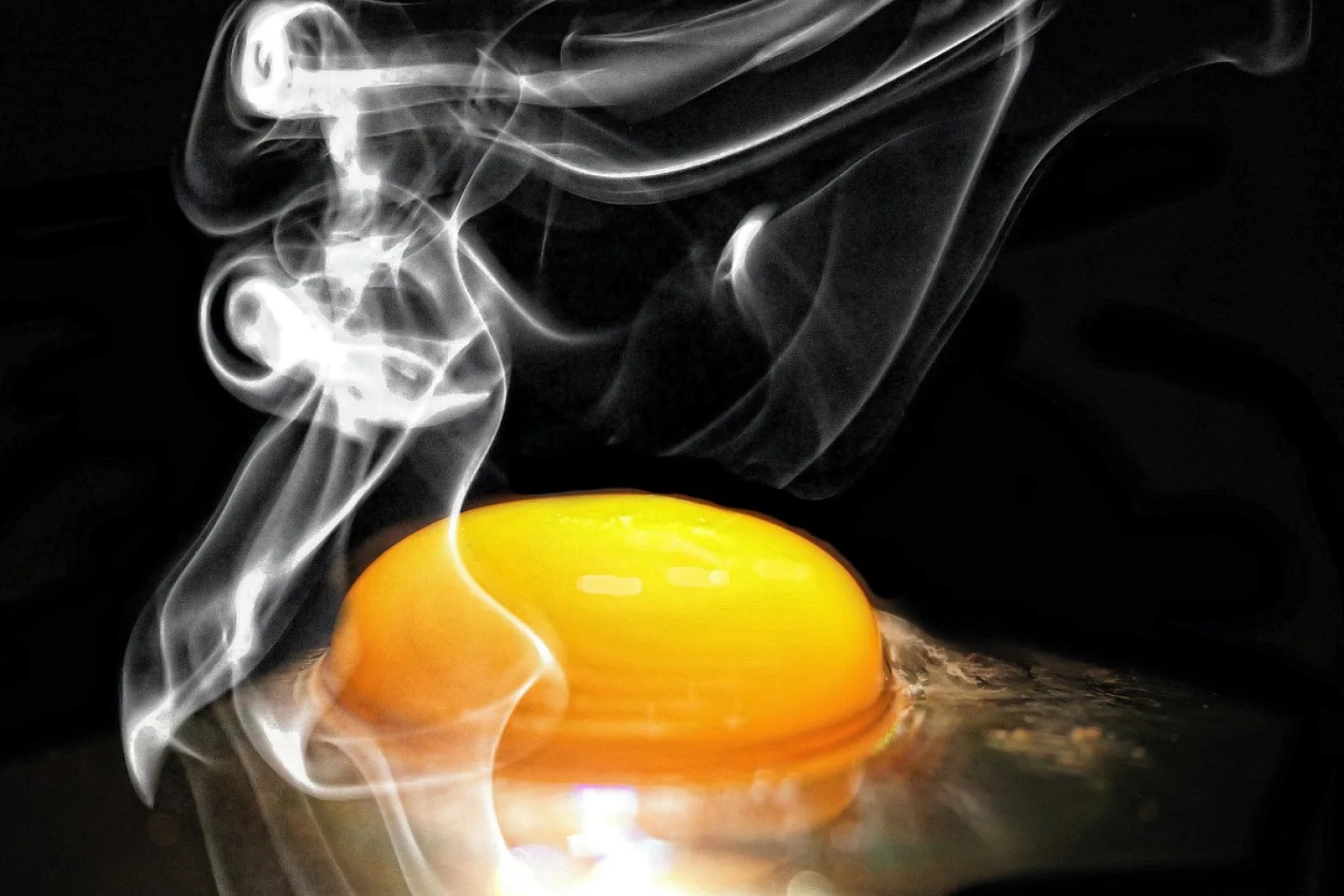
Egg has a mild base flavour that can fit savoury or sweet recipes. The raw white is fluid and translucent; when whipped it can foam, and when heated it becomes opaque and set. The yolk brings a richer, creamier quality as well as colour. Texture changes considerably with whipping, emulsifying and setting, so the same ingredient can become airy, tender or firm.
How to choose it
Shell colour can vary and, on its own, is not a reliable reason to conclude that one egg is better quality than another. When choosing eggs, look for clean, intact shells and check the information and directions on the package. Eggs with different shell colours can be used in the same kinds of preparations; choose based on availability and intended use, not appearance alone.
Storage
Store eggs according to the package directions and local food-handling guidance. Take care not to knock or crack them during transport or storage. If a recipe involves storing the product after opening or separating white and yolk, check the guidance that applies to that preparation; instructions may differ for shell eggs and processed egg products.
Substitutions
The evidence does not establish a universal one-for-one substitute for a whole egg. The white can serve foaming and structuring roles, while the yolk is used for emulsion and creaminess; neither part alone replaces every function of the whole egg. Choose according to what the egg does in the recipe rather than changing quantities automatically.
Common mistakes
Treating white and yolk as interchangeable can change a dish: the white is especially associated with foam and structure, while the yolk contributes emulsion and creaminess. Another mistake is assuming shell colour alone indicates quality or flavour. Follow the function specified by the recipe and check that the shell is intact before use.
Safety and allergens
Handle eggs hygienically and follow the package directions for storage and use. If you are unsure whether an egg is suitable or how to handle a particular preparation, consult official food-safety guidance in your area.
Culinary uses
- Ligante y aglutinante
- Emulsionante
- Espumante y agente de estructura
- Ingrediente principal en platos salados y dulces
Recommended techniques
- Cocer y cuajar
- Batir para incorporar aire
- Emulsionar
- Usar la clara y la yema por separado
Pairs well with
- Patata
- Chalota
- Pimiento verde
- Guindilla en polvo
Frequently asked questions
What is the culinary difference between an egg white and a yolk?
The white can be used to foam and provide structure; the yolk contributes emulsion, colour and creaminess.
Does shell colour change egg quality?
Shell colour alone should not be used to judge quality; it can vary among chicken eggs.
Can I replace a whole egg with only the white or only the yolk?
Not universally. The parts have different functions, so a substitution depends on what the recipe needs.
Estimated nutrition
- Fat
- 4.51 g
- Saturates
- 0.96 g
- Carbohydrate
- 28.5 g
- Sugars
- 5.57 g
- Fibre
- 2.4 g
- Protein
- 10.4 g
- Salt
- 1.2 g
Sources and review
Automatically researched, cross-checked and validated content. Sources consulted:
- Maite López, cocinera Hasnna Hamarras, ayudante de cocina unav.edu
- Guía de Buenas Prácticas de Higiene para la Elaboración de Ovoproductos aesan.gob.es
- Huevo (alimento) - Wikipedia, la enciclopedia libre es.wikipedia.org
- El huevo: origen, tipos, tamaños, propiedades y elaboraciones faborit.com
- Huevo: tipos, usos, técnicas y recetas - CocinoPedia.com cocinopedia.com
- Artes culinarias/Ingredientes/Huevo - Wikilibros es.wikibooks.org
- Tipos de huevos, categorías y derivados - Scoolinary Blog blog.scoolinary.com
- Huevos y derivados edualimentaria.com
- Alteraciones de la cáscara, clara y yema de huevo [ ALIMENTACIÓN ] mapa.gob.es
- Criar gallinas para huevos | Extensión de la UMN es.extension.umn.edu
- (DOC) EL HUEVO, aplicaciones culinarias academia.edu
- Huevos al Estilo Español 1908 (Spanish Eggs) - lacocina.utsa.edu
- Producción de Huevos en Pequeña Escala (Orgánica y Convencional) extension.psu.edu
- Qué productos son derivados de la gallina elblogdelasaves.com
- El huevo de gallina | Consumer consumer.es