- Category
- Meat
- State
- Fresh
- Usual unit
- piece
What it is
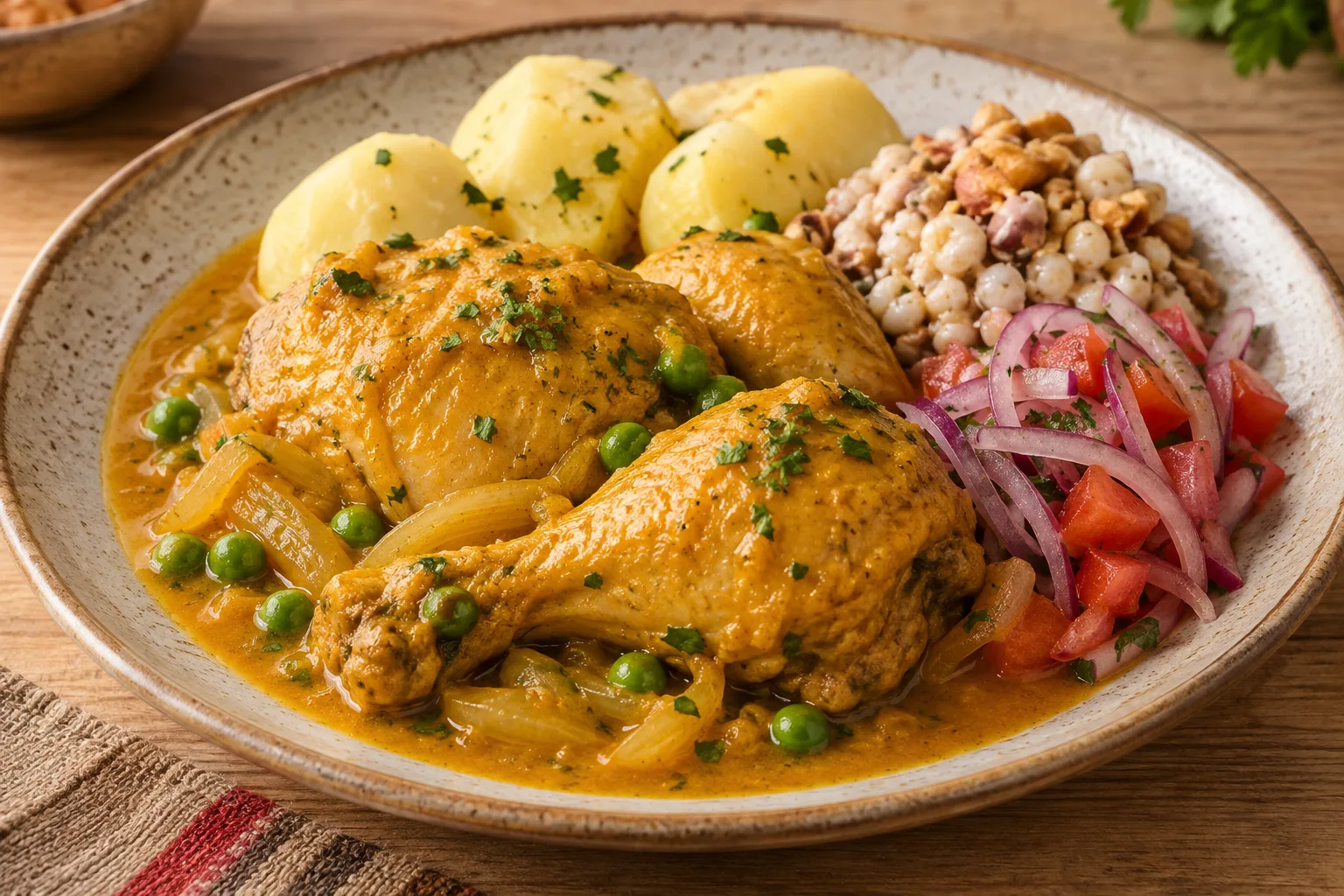
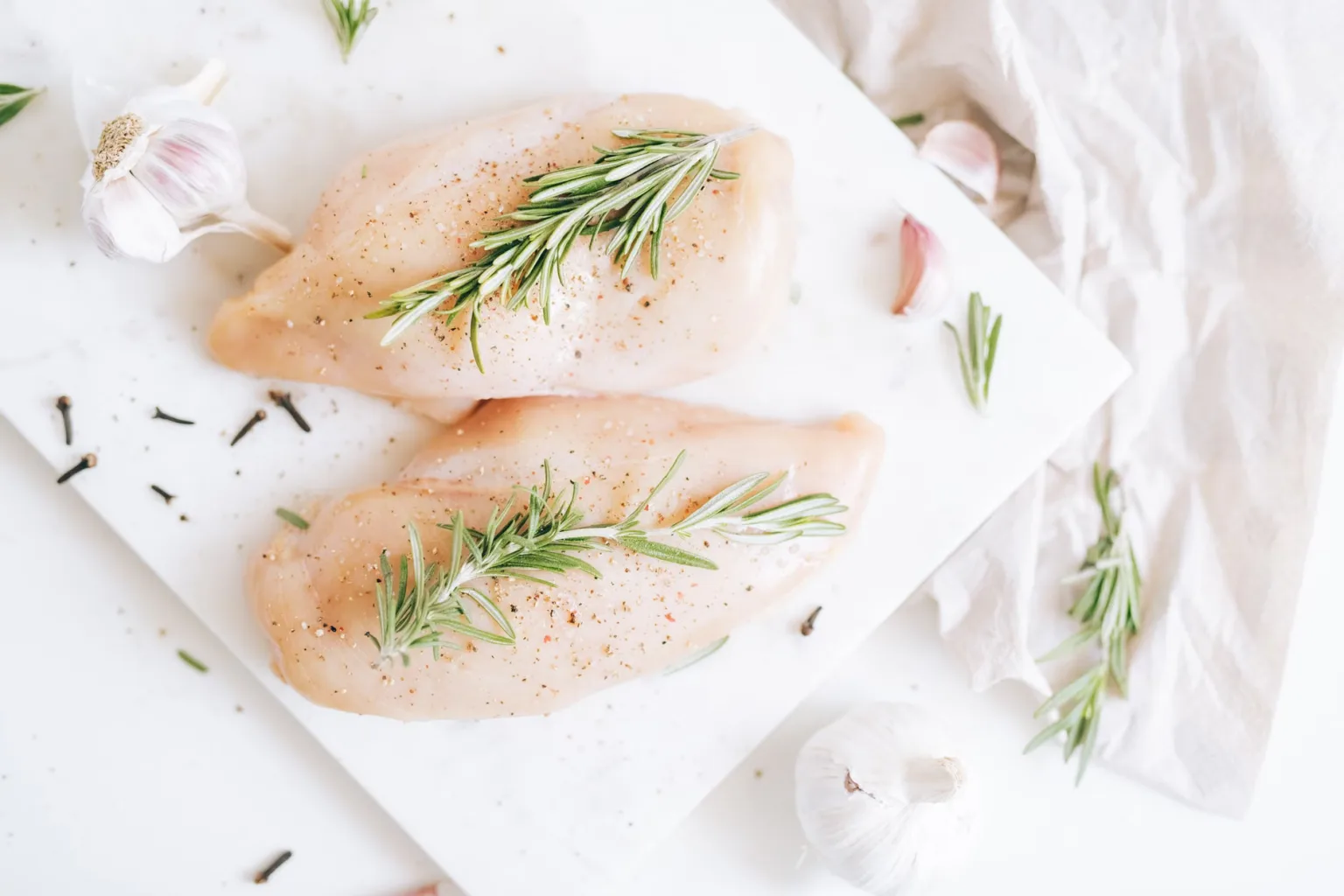
Chicken pieces are portions cut from a chicken rather than one whole bird or a single large cut. Depending on how the chicken has been prepared and sold, the pieces may include thighs, legs, wings, or other cuts; they may be bone-in or boneless and may or may not have skin. These differences matter in the kitchen because cut, size, and bone affect how a piece heats through. The term does not identify one standardized cut, so check the package or identify the pieces before choosing a recipe. Chicken pieces can serve as the main ingredient or contribute flavor to broth, soup, and stew.
When to use it
Choose chicken pieces when you want individual portions or cuts that can cook in a pot, roasting pan, or on a grill. Bone-in pieces suit liquid-based preparations such as soups and stews and can also be roasted; boneless pieces are convenient for sautéing or cutting up when a recipe calls for it. Bone-in cuts can be used for broth, while boneless cuts may be more practical for a quicker meal. Since pieces vary in cut and size, match them to the cooking method and check that they are fully cooked rather than assuming every piece will finish at the same time.
How to use it
Before cooking, identify the cuts and check whether they have bones or skin; grouping pieces of similar size can help them cook more evenly. Roast or brown them, cook them in liquid for a stew, or simmer them with vegetables for soup or broth. Once cooked, the meat can also be removed from the bones and shredded for soups, tacos, sandwiches, or salads. Adapt the preparation to the cut instead of assuming all pieces cook alike. Keep raw chicken separate from ready-to-eat food, do not wash it, and clean hands, utensils, and surfaces after handling it. Check the thickest part with a food thermometer; it should reach at least 74 °C (165 °F).
Flavour and texture
Chicken generally has a mild flavor that takes well to herbs, spices, sauces, and aromatics. Flavor and texture vary with the cut and with whether skin or bone is present, so chicken pieces do not necessarily cook or eat alike. Roasting can brown the surface, while a stew or broth lets the meat cook alongside other ingredients. The cut and degree of cooking affect whether the result is firmer or more tender, so avoid treating every piece as interchangeable.
How to choose it
Choose pieces suited to your cooking method and the portions you need. Check whether the package contains bone-in or boneless cuts and whether skin is included; these details affect preparation and use. Boneless pieces can save preparation time, while a whole raw chicken often costs less per pound than pre-cut pieces, although prices vary by shop and promotion. Pick up raw chicken near the end of your shopping trip, keep it cold, and keep it separate from other foods.
Storage
Keep raw chicken refrigerated and use it within one to two days. If you will not cook it within that period, freeze it; for best quality, raw chicken pieces can be frozen for nine to twelve months. Wrap pieces separately if you want to thaw only what you need, place them in a freezer-safe container, and label it with the name and date. Thaw in the refrigerator in a container that catches drips. Cold-water or microwave thawing is also possible, but cook the chicken immediately afterward. Keep raw chicken separate from other foods.
Substitutions
If a recipe can use cooked chicken, substitute cooked shredded or precooked chicken for raw pieces and adjust when you add it so it does not dry out. Bone-in pieces can also be exchanged for boneless pieces, or vice versa, but do not assume they need the same cooking time: cut and size matter. Check the thickest part for doneness. In a broth where bones contribute flavor, boneless chicken will not give exactly the same result.
Common mistakes
Do not treat all chicken pieces as the same cut: bone, size, and the part of the bird affect cooking. Avoid crowding pieces of very different sizes when you need them to finish together. Do not wash raw chicken, since water can spread bacteria to nearby surfaces. Do not rely only on color to decide whether chicken is cooked; check the thickest part with a food thermometer.
Safety and allergens
Keep raw chicken separate from other foods, do not wash it, and wash hands, utensils, and surfaces after handling it. Thaw it safely and cook to at least 74 °C (165 °F) in the thickest part, measured with a food thermometer.
Culinary uses
- main ingredient
- base for soups and broths
- ingredient for stews and braises
Recommended techniques
- roasting
- braising
- grilling
- stewing
- sautéing
Pairs well with
- onion and garlic
- tomato and bell pepper
- rice and corn
- carrots, celery, and cabbage
- cilantro and lime
Frequently asked questions
What does “chicken pieces” mean?
It means portions cut from a chicken. The pieces can be different cuts and may be sold bone-in or boneless, so check the package to see what is included.
Can chicken pieces be used for broth?
Yes. Chicken pieces can be used in broth and soup; for example, a broth recipe may use bone-in thighs. Vegetables and aromatics can be added as well.
How can I tell when chicken is cooked?
Use a food thermometer in the thickest part of the piece. Chicken should reach at least 74 °C (165 °F).
Estimated nutrition
- Fat
- 20.4 g
- Saturates
- 3.57 g
- Carbohydrate
- 14.9 g
- Sugars
- 0.08 g
- Fibre
- 0.9 g
- Protein
- 15.9 g
- Salt
- 1.48 g
Sources and review
Automatically researched, cross-checked and validated content. Sources consulted:
- ¿Por qué la muerte es origen de miedos y tabúes? doi.org
- The Essential Glossary of Cooking Terms for the Culinary Arts - Escoffier escoffier.edu
- 8 usos del pollo en la cocina que no conocías cashfresh.es
- Sopa De Pollo Baja En Sodio - Recipes - Live Healthier - UTHealth Houston School of Public Health sph.uth.edu
- Aplicaciones de la Biotecnología en Seguridad Alimentaria aesan.gob.es
- Pantry Staples and Other Commodity Food Recipes – Page 4 – Food Smart Colorado foodsmartcolorado.colostate.edu
- Caldo de Pollo Spanish Recipe | Kitsap County | Washington State University extension.wsu.edu
- Fiesta Chicken Soup/Sopa de Pollo Fiesta (LCH) | CSU Northridge w2.csun.edu
- Todo lo que debes saber sobre la carne de pollo - Estudia Hostelería estudiahosteleria.com
- Pollo - Marzo 2025 | OSU Extension Service extension.oregonstate.edu
- Chileajo de Pollo (Chile and Garlic Chicken Stew) - lacocina.utsa.edu
- Ensalada De Pollo Con Arándanos - Expanded Food and Nutrition Education Program efnep.tamu.edu
- Recetas con presas de pollo: irresistibles y variadas cookpad.com