- Category
- Herbs and spices
- State
- Fresh
- Usual unit
- teaspoon
What it is
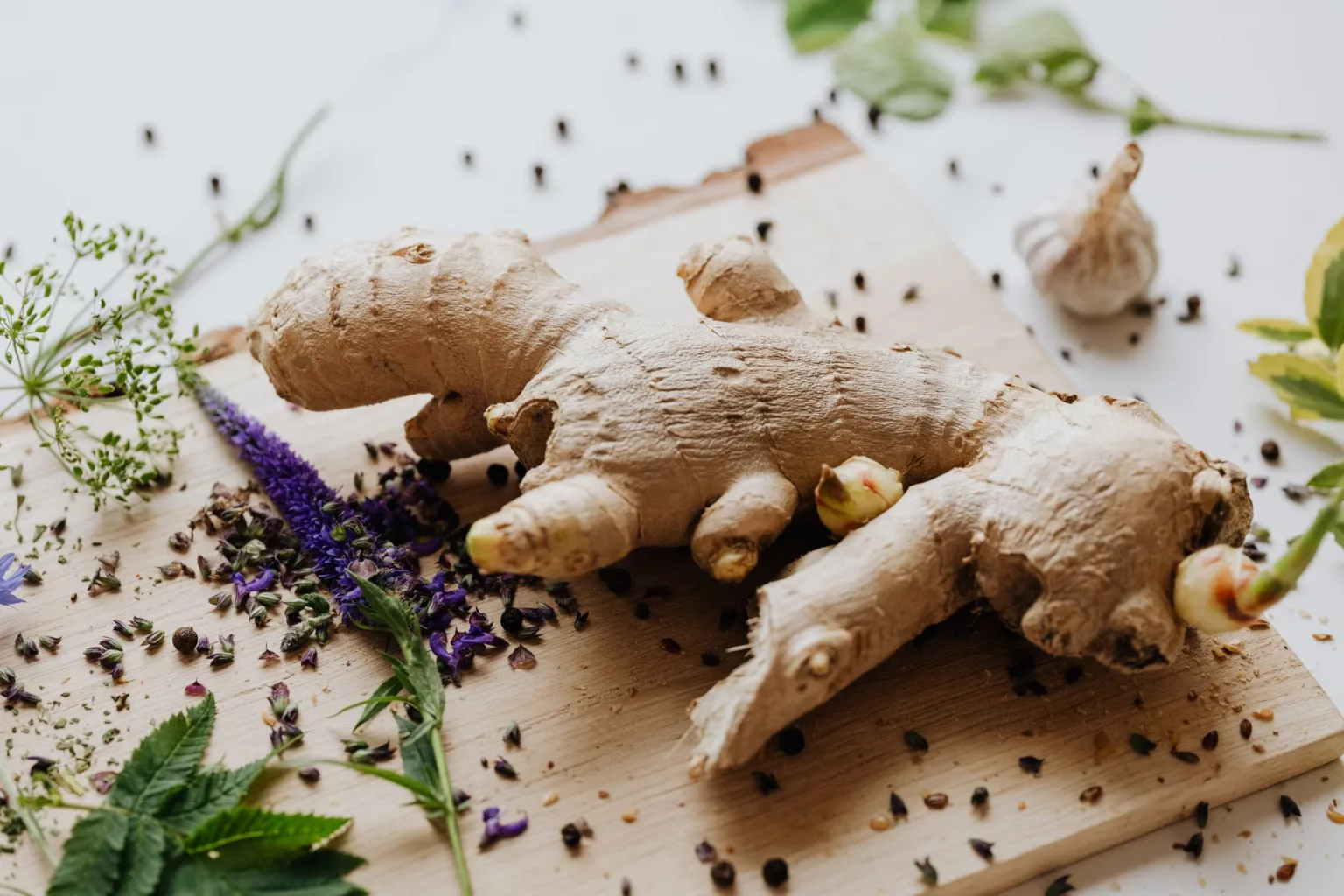
Chopped ginger is fresh ginger cut into small pieces. The culinary part is often called a root, although botanically it is a rhizome, an enlarged underground stem. Ginger belongs to the Zingiberaceae family. A small chop distributes it through a dish while leaving more noticeable texture than grated or ground ginger. Its characteristic aroma and flavor can seem fresh, spicy and pungent, sometimes with lemon-like notes. The intensity varies with the product and the amount used, so start with a little and adjust to taste. This profile is for fresh chopped ginger, not dried, ground or pickled ginger, which have different forms and culinary qualities.
When to use it
Use chopped ginger when you want fresh ginger distributed in small pieces, adding aroma and warm pungency to a dish. It works in stir-fries, stews, vegetable soups, marinades, sauces and dressings, and can also bring character to sweet recipes. For a quick-cooking dish, briefly warm it in oil to release its aroma before adding other ingredients. In salads and dressings, mix it in carefully and taste as you go because its flavor can stand out. If you are unsure how much you like, begin with a small amount and add more only after tasting.
How to use it
Peel the fresh ginger if you prefer, then chop it finely for more even distribution; a larger chop leaves a more noticeable texture. Add it to a stir-fry with garlic, mix it into a marinade for fish, meat or poultry, or fold it into a stew or vegetable soup. To perfume oil, warm the ginger briefly before adding the other ingredients. It also works in salad dressings and sweet preparations, where it can be combined with spices such as cinnamon, cloves or nutmeg. Start with a small amount, taste and adjust: ginger has a distinctive flavor. If a recipe calls for grated ginger, remember that chopped ginger will leave more texture in the finished dish.
Flavour and texture
Fresh chopped ginger has an aromatic, spicy, fresh and pungent flavor, sometimes with citrus-like or lemony notes. Small pieces retain some fibrous texture and feel more substantial than finely grated or ground ginger. Depending on the cut and quantity, it can provide a background note or become a dominant flavor; adding it gradually helps keep the balance where you want it.
How to choose it
When buying a whole rhizome to chop at home, look for pieces that feel firm, thick and solid, without visibly damaged areas. Fresh pieces are easier to cut and use than ginger that has dried out or hardened. For ready-chopped packaged ginger, check that the product is clearly identified and follow its label for storage and use. Ground, pickled and preserved ginger are different forms with different qualities, rather than exact equivalents to fresh chopped ginger.
Storage
Store fresh ginger according to the package directions, if provided. Culinary guidance in the evidence recommends refrigerating the whole rhizome wrapped, or freezing it, and avoiding exterior moisture during storage. Cut ginger can dry out and become hard when exposed to air, so chop only what you plan to use and protect and refrigerate any remainder. No specific storage life is established here: check the product's condition and follow any directions from the seller or package.
Substitutions
Ground ginger can work when you want ginger flavor in a dry form, but it will not reproduce the aroma or pieces of fresh ginger exactly. Pickled or preserved ginger may suit dishes that work with its particular flavor; it can bring additional notes and is not a neutral replacement. Taste and adjust the amount, remembering that a substitution changes both texture and flavor. If freshness and the texture of chopped ginger matter to the recipe, fresh ginger is the closer choice.
Common mistakes
Adding too much ginger at once can let its assertive flavor overwhelm a dish; start small, taste and adjust. Do not assume that ground, pickled and fresh chopped ginger are interchangeable without a change in result: they have different forms and flavor profiles. Leaving cut ginger exposed to air can dry and harden it, making it harder to incorporate. Consider the cut size too: larger pieces are more noticeable than finely grated ginger.
Safety and allergens
No ginger-specific safety warning is established by the supplied evidence. Store the product as directed on its package and follow the seller's use and storage guidance. For packaged or prepared ginger, check the product's ingredient and allergen information; this profile does not replace the label for a specific product.
Culinary uses
- Aromatic seasoning for savory dishes
- Fresh, peppery accent for sauces, dressings and sweets
Recommended techniques
- Finely chop or mince
- Grate, crush or slice
- Briefly warm in oil to perfume a dish
- Mix into marinades, dressings or sauces
Pairs well with
- Garlic and onion
- Fish, meat and poultry
- Citrus, cinnamon, cloves and nutmeg
- Vegetables, salads and chocolate
Frequently asked questions
Is chopped ginger the same as ground ginger?
No. Chopped ginger is fresh ginger cut into pieces; ground ginger is a dried form with a different texture and flavor profile.
What dishes can I use chopped ginger in?
Use it in stir-fries, stews, soups, marinades, sauces and dressings, as well as some sweet recipes.
How can I stop ginger from overpowering a dish?
Start with a small amount, mix it in and taste before adding more. Its assertive flavor can become prominent quickly.
Sources and review
Automatically researched, cross-checked and validated content. Sources consulted:
- En el etiquetado alimentario hay algunas menciones que son obligatorias eletiquetadocuentamucho.aesan.gob.es
- Client Challenge doi.org
- The Essential Glossary of Cooking Terms for the Culinary Arts - Escoffier escoffier.edu
- Dictionary of Health Related Terms: English – Spanish hia.berkeley.edu
- El jengibre en la cocina asiática dragonimperial.es
- Jengibre, más que una especia: usos, formatos y qué puede aportar a tu bienestar margavilan.substack.com
- Jengibre: un superfood con múltiples usos y propiedades | Gastronosfera gastronosfera.com
- Pictorial Recipes - OSU Extension Service extension.oregonstate.edu
- Salsa de Mango (Spanish) - National Center for Home Food Preservation nchfp.uga.edu
- Seasonal Produce Handouts | UNL Food | Nebraska food.unl.edu
- Todo lo que debes saber sobre el jengibre | Recetas Nestlé recetasnestle.com.ec
- El Jengibre en la cocina, usos y propiedades eladerezo.com
- Going To Market: A Guide to Selling Raw, Processed, and Prepared Food Products from Your Home, at Farmers’ Markets, Stores, and Roadside Stands | VCE Publications | Virginia Tech pubs.ext.vt.edu
- President's and Dean's List Fall Semester | SNHU snhu.edu