- Category
- Fish and seafood
- State
- Fresh
- Usual unit
- unit
What it is
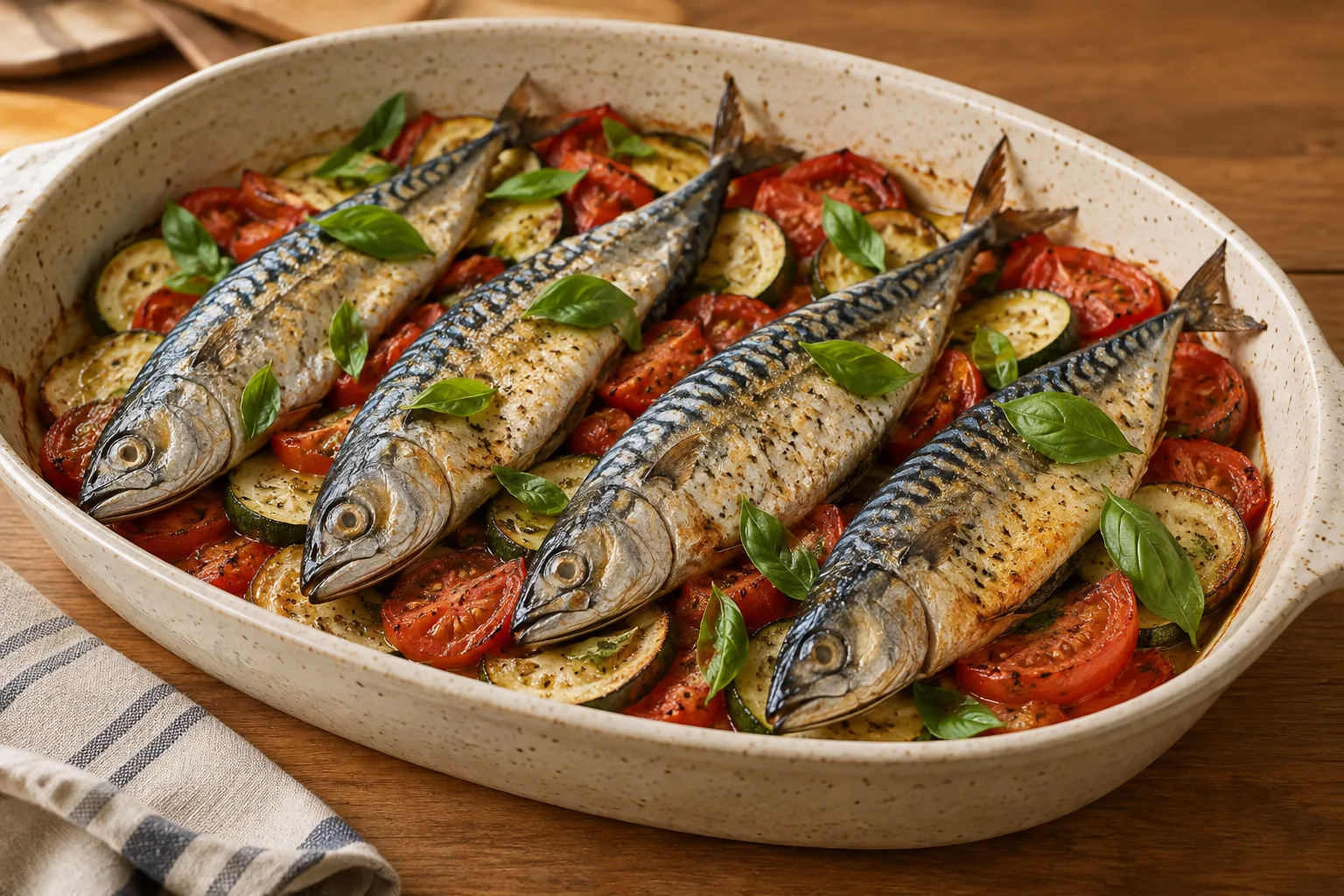
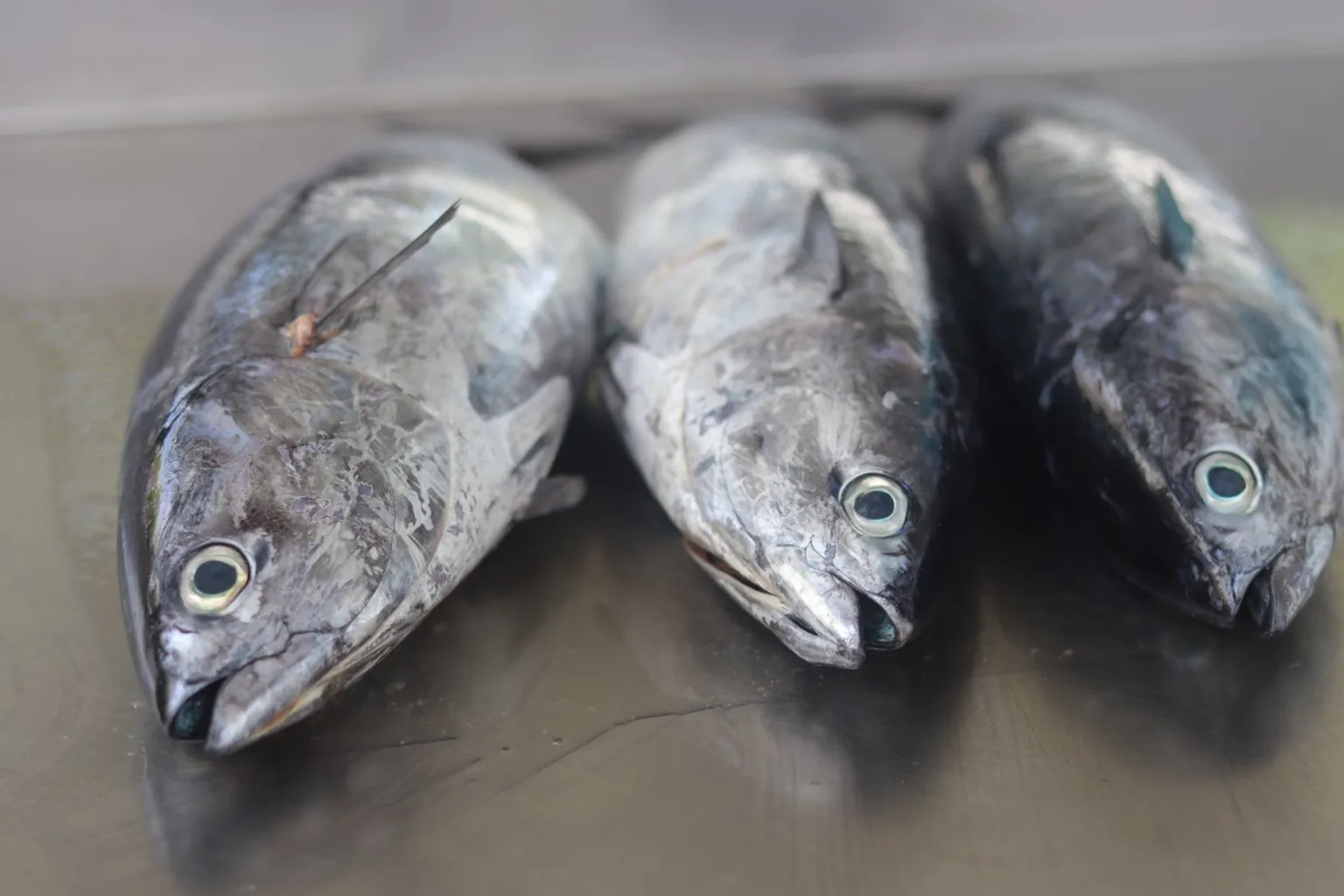
Cleaned mackerel is fresh mackerel prepared for easier cooking, usually with its entrails removed. The word “cleaned” does not guarantee that the fish has been filleted, deboned or headed; preparation varies, so confirm exactly what has been done with the fishmonger. Mackerel is described as an oily fish, and the Atlantic mackerel is identified in one consulted source as Scomber scombrus; other species may also be sold under closely related common names. This profile is for fresh fish, not canned mackerel.
When to use it
Use it when you want fish as a main course or cooked mackerel to add to salads and toast. It is convenient if it has already been gutted, but check the cut and look for remaining bones before deciding how to cook it. Larger fish can be filleted, while a whole fish can be prepared in other ways. The available evidence does not establish season months that apply across all origins.
How to use it
First check whether the fish is whole, split or filleted, and whether the head, fins or bones remain. If needed, ask the fishmonger to fillet it and inspect the flesh for any pin bones. Mackerel can be grilled or pan-seared, steamed, fried or baked; these methods are documented for the fish, but cooking time depends on the size and cut. Serve it with flavors such as garlic, vinegar or chili. Follow the seller’s or package’s storage instructions, and do not serve it raw without controls appropriate for that use.
Flavour and texture
Mackerel is described as having a pronounced flavor and rich, fatty flesh. One cooking source recommends using little oil when pan-cooking it because the fish is already oily, and removing a fillet once its appearance has changed as it cooks. The final texture depends on the size, cut and cooking method.
How to choose it
Ask the fishmonger what “cleaned” means for that particular fish: whether only the entrails have been removed or whether the head, fins and bones have also been dealt with. Check that it is sold as fresh and ask whether it is whole or filleted. If you want it without bones, request fillets and inspect them before cooking.
Storage
The available evidence does not give a storage temperature or a specific keeping time for fresh cleaned mackerel. As fresh, perishable fish, it should be kept according to the storage instructions on its label or provided by the fishmonger and handled under those stated conditions until preparation. Follow any use instructions supplied; do not apply storage advice for canned mackerel to fresh fish.
Substitutions
Sardines or anchovies may work as alternatives when you want another small fish in a seafood-forward dish, but neither duplicates mackerel’s flesh or flavor exactly. Adapt the cut and cooking method to the fish you choose. This is a culinary suggestion, not an exact one-for-one replacement.
Common mistakes
Do not assume that “cleaned” means boneless or filleted: ask and check the fish. Avoid adding a lot of oil without considering that mackerel is an oily fish. Do not apply storage directions for a can to fresh fish, or serve it raw without suitable safety controls.
Safety and allergens
Follow the storage and use instructions on the label or from the fishmonger. The available evidence does not establish a specific temperature or time for this fresh fish, so do not assume one. If you plan to eat it raw, do not rely on cleaning alone; that use requires appropriate safety controls.
Culinary uses
- main course
- salad or toast topping
Recommended techniques
- grilling or pan-searing
- steaming
- baking
- frying
Pairs well with
- garlic
- vinegar
- chili
Frequently asked questions
Does cleaned mackerel come boneless?
Not necessarily. “Cleaned” commonly means the entrails have been removed, but the degree of preparation varies. Confirm with the fishmonger and check the fillets.
How can I cook fresh mackerel?
It can be grilled or pan-seared, steamed, fried or baked. The cut and size affect the result.
What flavors go well with mackerel?
The consulted preparations pair it with garlic, vinegar and chili. Adjust these flavors to taste.
Sources and review
Automatically researched, cross-checked and validated content. Sources consulted:
- En el etiquetado alimentario hay algunas menciones que son obligatorias eletiquetadocuentamucho.aesan.gob.es
- Vamos a Conservar Alimentos: Calabazas y Calabacines extension.psu.edu
- Client Challenge doi.org
- Cold Storage Chart & Reference Guide rvpadmin.cce.cornell.edu
- DOP/IGP - detalle mapa.gob.es
- HS1495/HS1495: Harvest and Handling of Calabaza (Tropical Pumpkin) ask.ifas.ufl.edu
- Culinary and Healthy Living - Cabrillo College Extension extension.cabrillo.edu
- Using and Preserving Jicama - National Center for Home Food Preservation nchfp.uga.edu
- Culinary Program - Cabrillo College cabrillo.edu
- Egg Cleansings (Limpia de Huevo) | USC Digital Folklore Archives folklore.usc.edu
- Culinary MakerSpace | Auxiliary Services | Binghamton University binghamton.edu
- Todo sobre la caballa: las mejores recetas caseras, fáciles, al horno y a la plancha directoalpaladar.com
- Paté de caballa en conserva ecológico – Conservas Frinsa frinsa.es
- Caballa enlatada - información nutricional, beneficios para la salud y consejos de compra listonic.com
- Caballa - La Platjeta - Peix fresc de la barca a casa laplatjeta.net
- Caballa curada con aliño oriental | Recetas | Gastronomía | EL PAÍS elpais.com
- Caballa: propiedades y caballa en conserva conservasriasbaixas.com