- Category
- Fish and seafood
- State
- Fresh
- Usual unit
- g
What it is
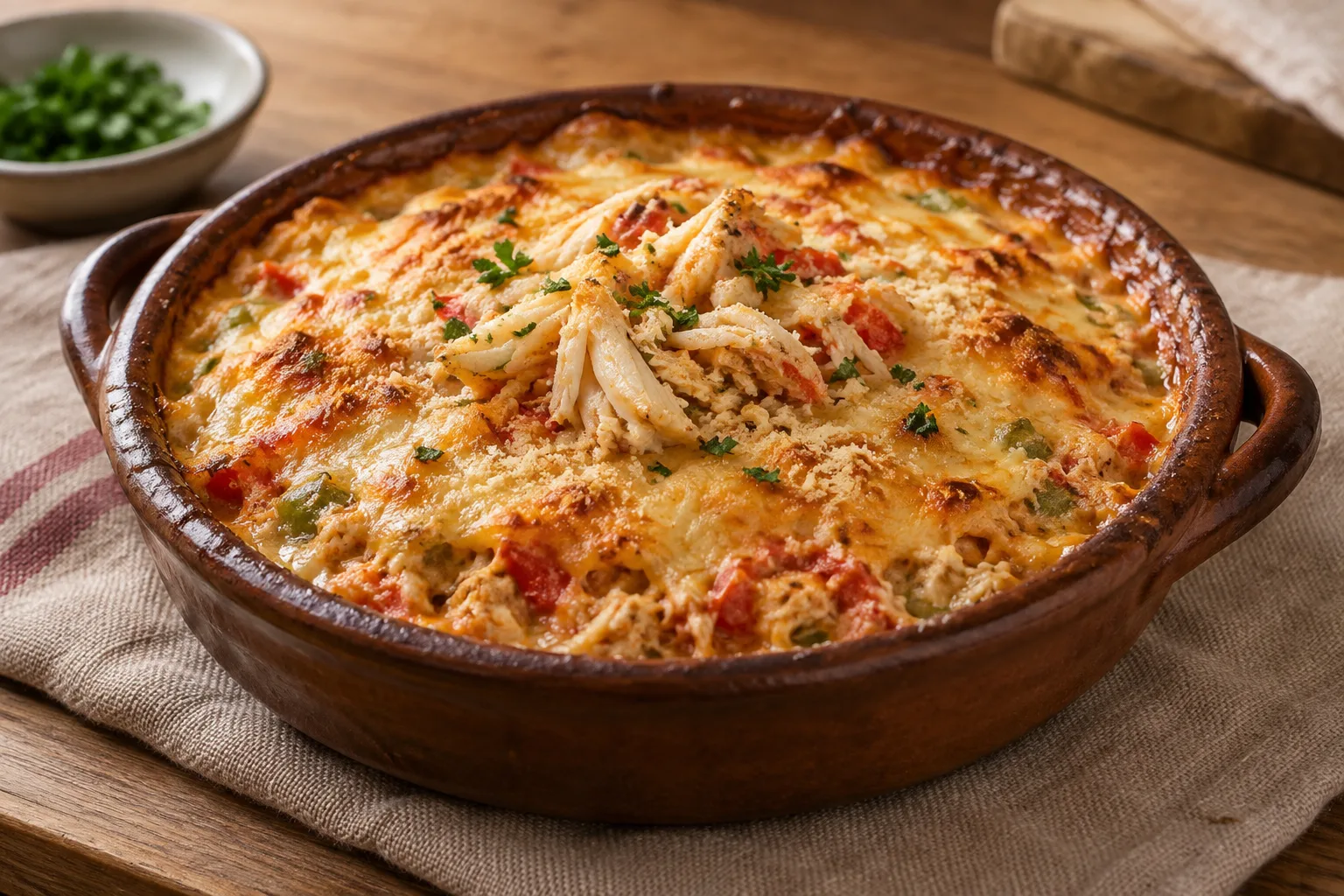
Cooked crab meat is the edible meat of a crab that has already been cooked and removed from its shell, although the way it is sold can vary. Jaiba is a name used for certain crabs; Callinectes sapidus is a familiar, consumed species. The meat may be sold in pieces or shredded, and species, cut and processing can affect its texture and flavor. Cooked products are available, as are vacuum-packed or frozen options. Do not assume that every package needs the same handling: check which product you have and follow its label.
When to use it
Use it when you want to add a tender, marine flavor without extracting meat from a whole crab. It works in salads and starters, as well as rice dishes, pasta sauces, stir-fries and fillings. For cold preparations, it can be paired with avocado, lemon or herbs; for hot dishes, fold it into a sauce or filling. Since it is already cooked, use it as the recipe directs rather than treating it like raw meat.
How to use it
Read the label first to confirm the product format and any preparation directions. Drain the meat if it is packed with liquid, and check carefully for shell fragments before serving. Add it to a salad, rice dish or pasta sauce; alternatively, mix it with onion, pepper and herbs for empanada or pie fillings. For patties or croquettes, combine it with the binding ingredients specified by your recipe. When adding it to a hot dish, fold it in gently and follow the method for that preparation, bearing in mind that the meat is already cooked.
Flavour and texture
Crab meat is described as gently sweet and can have a tender texture. The size of the pieces and their consistency depend on species, cut and processing: larger pieces are more distinct in a dish, while shredded meat blends easily into fillings. Other ingredients and seasonings also shape the flavor of the finished preparation.
How to choose it
Choose a package whose label clearly identifies the product and its format, and check the stated date. Crab meat comes in different forms, including cooked products and vacuum-packed or frozen options; do not assume that they all require the same handling. If buying it loose, use a trusted retailer and ask how it has been kept and when it was prepared. Prefer an intact package and follow the producer’s specific directions.
Storage
The available information does not establish one storage period that applies to every cooked crab product. Handling depends on whether the product is refrigerated, frozen or sold in another format. Store it according to the label and seller’s directions; do not assume that every format should be stored in the same way. A reference for fresh jaiba advises eating it on the day of purchase and keeping unused crab frozen, but that guidance does not establish the shelf life of every cooked product.
Substitutions
Other cooked crab meat is the closest substitute in salads, fillings or rice dishes, though species can change sweetness and texture. Another cooked jaiba product may also work if its consistency suits the recipe. Adjust the piece size and seasonings to the product you have.
Common mistakes
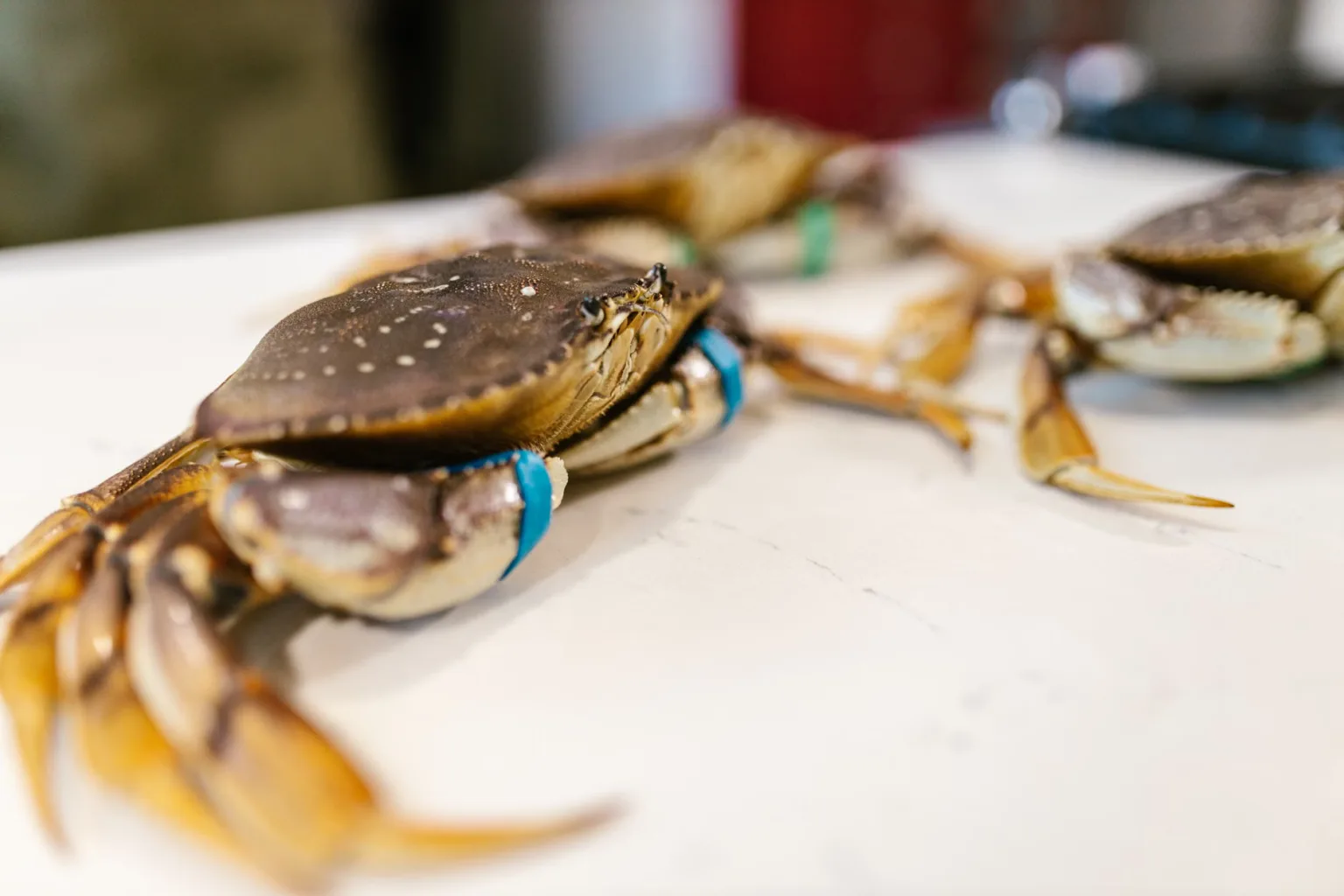
Do not confuse cooked jaiba meat with raw crab: the product is already cooked, and its use depends on the recipe and package directions. Avoid assuming that all formats are sold or handled in the same way. Do not stir roughly if you want to keep the pieces intact, and check for shell fragments before serving.
Safety and allergens
Follow the package directions for storage and use, and check the stated date. If the label is missing or unclear, ask the seller or manufacturer before using the product.
Culinary uses
- Ingrediente principal o complemento para ensaladas y entradas.
- Relleno para empanadas, pasteles, croquetas y preparaciones similares.
Recommended techniques
- Incorporar con suavidad para conservar los trozos de carne.
- Mezclar con otros ingredientes para preparar rellenos, hamburguesas o croquetas.
- Añadir a platos calientes, como arroz o salsas, siguiendo la receta.
Pairs well with
- Aguacate, limón y cilantro.
- Cebolla, pimiento y hierbas.
- Mayonesa o mostaza en mezclas para hamburguesas y croquetas.
Frequently asked questions
Does cooked crab meat need further cooking?
It is already cooked. Add it to the preparation as the recipe directs, and follow the package instructions for the specific product.
What dishes can I make with it?
Add it to salads, starters, rice, pasta sauces and stir-fries, or use it in empanada and pie fillings.
Do all product formats store the same way?
Not necessarily. Options include cooked meat and vacuum-packed or frozen products. Follow the directions for the specific package.
Estimated nutrition
- Fat
- 9.95 g
- Saturates
- 2.93 g
- Carbohydrate
- 0.07 g
- Sugars
- 0 g
- Fibre
- 0 g
- Protein
- 27.3 g
- Salt
- 0.26 g
Sources and review
Automatically researched, cross-checked and validated content. Sources consulted:
- ¿Por qué la muerte es origen de miedos y tabúes? doi.org
- The Essential Glossary of Cooking Terms for the Culinary Arts - Escoffier escoffier.edu
- Dieta prehispánica de Mesoamérica - Wikipedia, la enciclopedia libre es.wikipedia.org
- Gastronomía de El Salvador - Wikipedia, la enciclopedia libre es.wikipedia.org
- - YouTube youtube.com
- Recetas fáciles y prácticas - ensumesa ensumesa.com
- 80 recetas muy ricas de carne de jaiba compartidas por cocineros caseros- Cookpad cookpad.com
- Tacos de Camarón Fresco 194- (Fresh Shrimp Tacos) - lacocina.utsa.edu
- Composición y vida útil de carne cocida de cangrejo ... scielo.cl
- - YouTube youtube.com