- Category
- Vegetables
- State
- Other
- Usual unit
- g
What it is
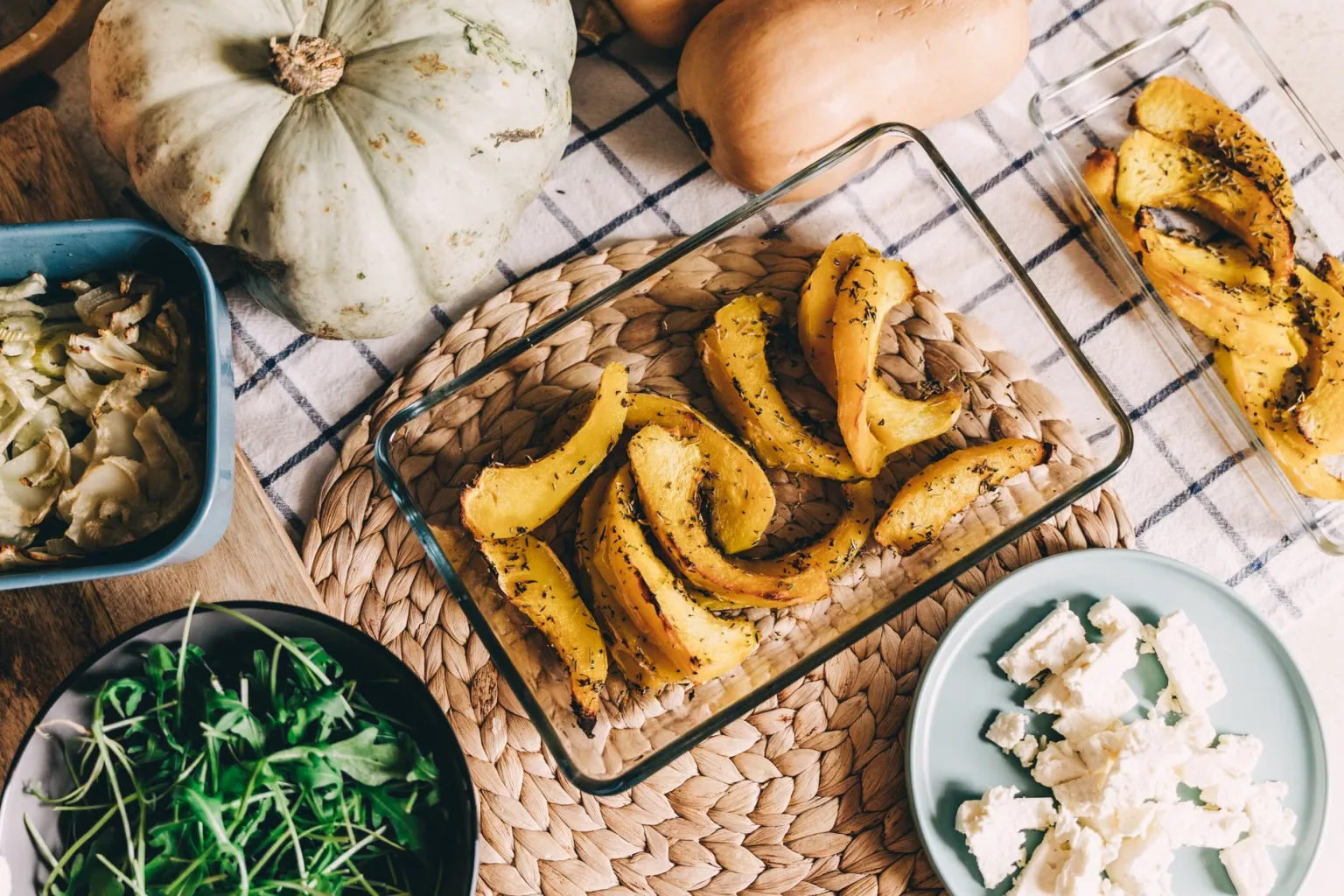
Cooked pumpkin is pumpkin flesh that has already been cooked and is ready to use as an ingredient. The name does not refer to one specific variety: pumpkins differ in shape, color, flavor and texture, and their flesh can be smooth, creamy or somewhat fibrous. Depending on how it was cooked and prepared, it may be kept in pieces or mashed and blended into a purée. In the kitchen it is commonly treated as a versatile vegetable, although botanically pumpkin is the fruit of a plant in the cucurbit family. This profile covers cooked pumpkin flesh, not pumpkin seeds or other pumpkin products.
When to use it
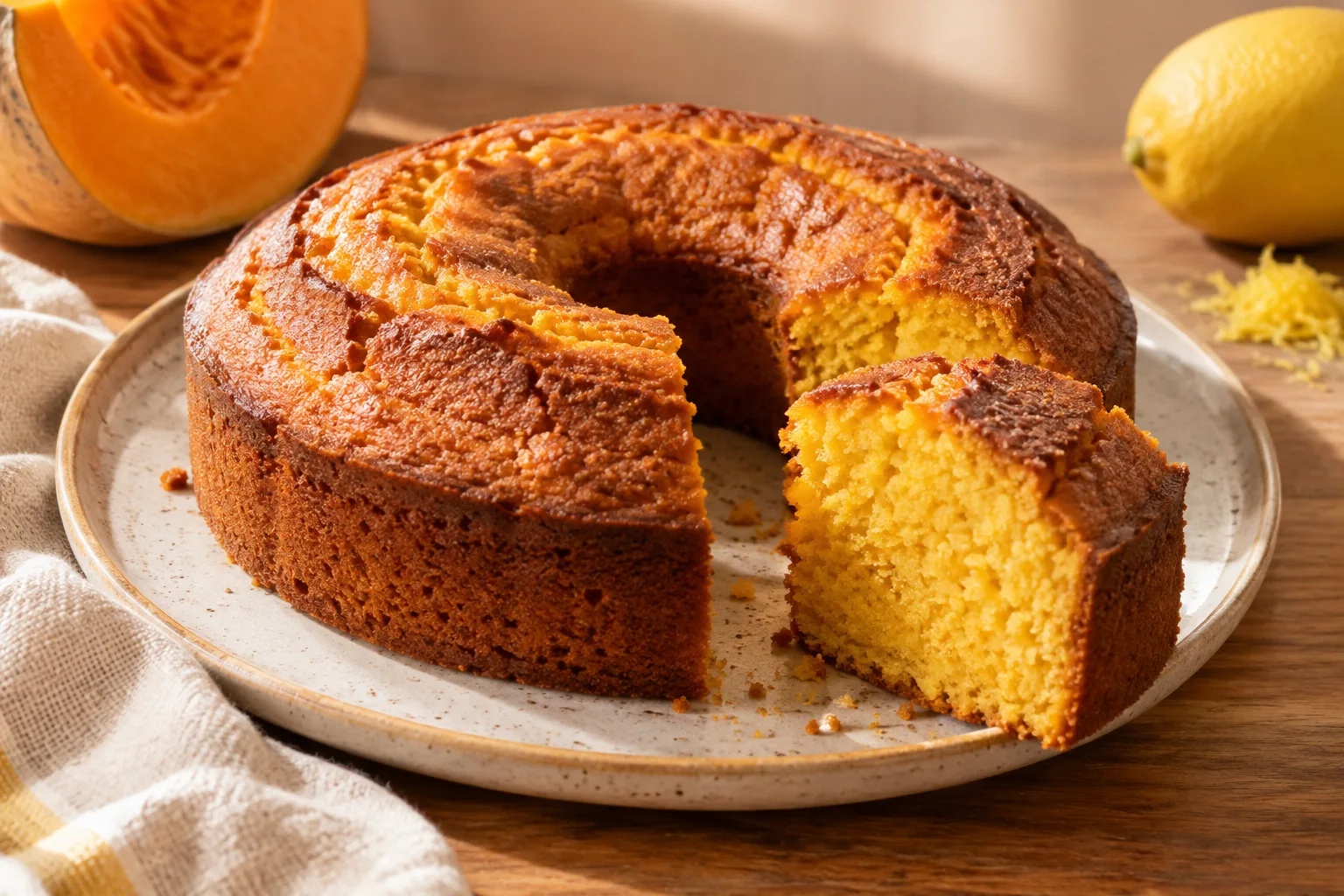
Use cooked pumpkin when a recipe calls for tender pumpkin flesh but you do not want to start with raw pumpkin, especially for soups, purées, stews and creamy dishes. If it is still in pieces, add it to a dish where you want the pieces to remain noticeable; mash or blend it when you want a smooth consistency. Cooked pumpkin flesh is also used in sweet preparations such as tarts, cakes and puddings. Check its texture before adding it, as varieties do not all become equally creamy or fibrous.
How to use it
First check whether your cooked pumpkin is in pieces or already mashed: the format affects the final texture and how it combines with the dish. Add pieces to stews or rice dishes when you want them to remain distinct; for a soup, cream or purée, mash or blend the flesh to the consistency you want. You can also work it into mixtures for tarts, cakes or puddings. For savory dishes, pumpkin pairs well with garlic, onion, ginger or soy sauce; cinnamon and nutmeg are options for sweet or spiced preparations. Adjust the other ingredients to the pumpkin’s texture and sweetness.
Flavour and texture
Pumpkin generally has a mild, distinctive, somewhat sweet flavor, though its intensity varies among varieties. Once cooked, the flesh may be creamy and easy to blend or remain firmer and more fibrous. Cooking and presentation—pieces or purée—also affect how it feels in a dish. Taste it before seasoning and adapt the recipe to its texture.
How to choose it
When buying packaged cooked pumpkin, read the product name and ingredient list to confirm what you are buying and whether other ingredients have been added. Also check the quantity, storage and use instructions, and any date shown on the package. If it is sold unpackaged, ask or check the information provided to confirm that it is cooked pumpkin flesh and to find out about added ingredients, if any. Required information can vary with the product and how it is sold.
Storage
The available evidence does not establish a specific storage time or temperature for cooked pumpkin. For a packaged product, follow the manufacturer’s storage and use instructions and check the dates provided; do not assume it can be kept outside the stated conditions. For unpackaged pumpkin, ask the seller how it should be stored. Official guidance notes that following food-storage instructions helps prevent food from spoiling sooner than expected.
Substitutions
One variety of cooked pumpkin can be replaced with another, but flesh does not always have the same consistency or flavor; adjust the mashing and seasoning. You can also replace cooked pieces with purée, or the reverse, if the recipe can accommodate the change in texture. In batters and desserts, purée gives a more even result than pieces; in stews, pieces remain more noticeable.
Common mistakes
Do not assume every cooked pumpkin will have the same sweetness or consistency: varieties can be creamy or fibrous. Another common mistake is using purée when distinct pieces are needed, or pieces when the recipe calls for a smooth texture. Check whether the product already contains added ingredients and follow its storage and use instructions.
Safety and allergens
The evidence consulted does not specify storage times or temperatures for cooked pumpkin. For packaged products, follow the manufacturer’s instructions and observe the use-by date where applicable; do not eat food after that date. If you do not know how an unpackaged product has been stored, ask the seller.
Culinary uses
- base para cremas, purés y sopas
- ingrediente para guisos, platos salados y repostería
Recommended techniques
- triturar o aplastar para obtener una crema o un puré
- incorporar en trozos a guisos o preparaciones con arroz
- usar la pulpa cocida en tartas, pasteles y budines
Pairs well with
- ajo y cebolla
- jengibre y salsa de soja
- canela y nuez moscada
- arroz y legumbres
Frequently asked questions
Can cooked pumpkin be used to make purée?
Yes. Mash or blend it to make purée, soup or a creamy dish. Check whether the flesh is in pieces or already mashed, then adjust the consistency to suit the recipe.
Can cooked pumpkin be used in desserts?
Yes. Cooked pumpkin flesh is used in tarts, cakes and puddings. Its flavor and texture vary by variety, so taste it and adjust the seasoning.
How long does cooked pumpkin keep?
The available evidence does not set a general storage period for this product. Follow the storage instructions and dates on packaged pumpkin; ask the seller about unpackaged pumpkin.
Estimated nutrition
- Fat
- 0.22 g
- Saturates
- 0.11 g
- Carbohydrate
- 3.39 g
- Sugars
- 0.69 g
- Fibre
- 2.7 g
- Protein
- 2.72 g
- Salt
- 0.02 g
Sources and review
Automatically researched, cross-checked and validated content. Sources consulted:
- En el etiquetado alimentario hay algunas menciones que son obligatorias eletiquetadocuentamucho.aesan.gob.es
- Aesan - Agencia Española de Seguridad Alimentaria y Nutrición aesan.gob.es
- Calabaza: cocina fácil, casera, tradicional y barata con recetas de la abuela directoalpaladar.com
- Client Challenge doi.org
- Guía de tipos de calabaza para tus recetas | Recetas Nestlé recetasnestle.com.co
- Calabaza - Wikipedia, la enciclopedia libre es.wikipedia.org
- Calabaza: Propiedades, beneficios y usos en la cocina mercadosantamariadelacabeza.es
- Calabaza: propiedades, beneficios y valor nutricional cuerpomente.com
- La calabaza: tipos, usos y propiedades - Nueva Mutua Sanitaria blog.nuevamutuasanitaria.es
- Cocinar con calabaza: usos culinarios y recetas | Gastronómica Internacional gastronomicainternacional.com
- 10 variedades de calabaza que tienes que conocer y cómo cocinarlas hola.com
- Guía definitiva de tipos de calabazas: características, variedades, beneficios, usos y recetas jardineriaon.com
- Cómo cocinar calabaza: lo que debes saber para preparar la hortaliza más otoñal | El Comidista | Gastronomía | EL PAÍS elpais.com
- Ingredientes que maridan con calabaza ✓ basmatic.com
- 13 recetas de calabaza para disfrutar del sabor dulce de este alimento en todas tus comidas trendencias.com