- Category
- Fish and seafood
- State
- Fresh
- Usual unit
- g
What it is
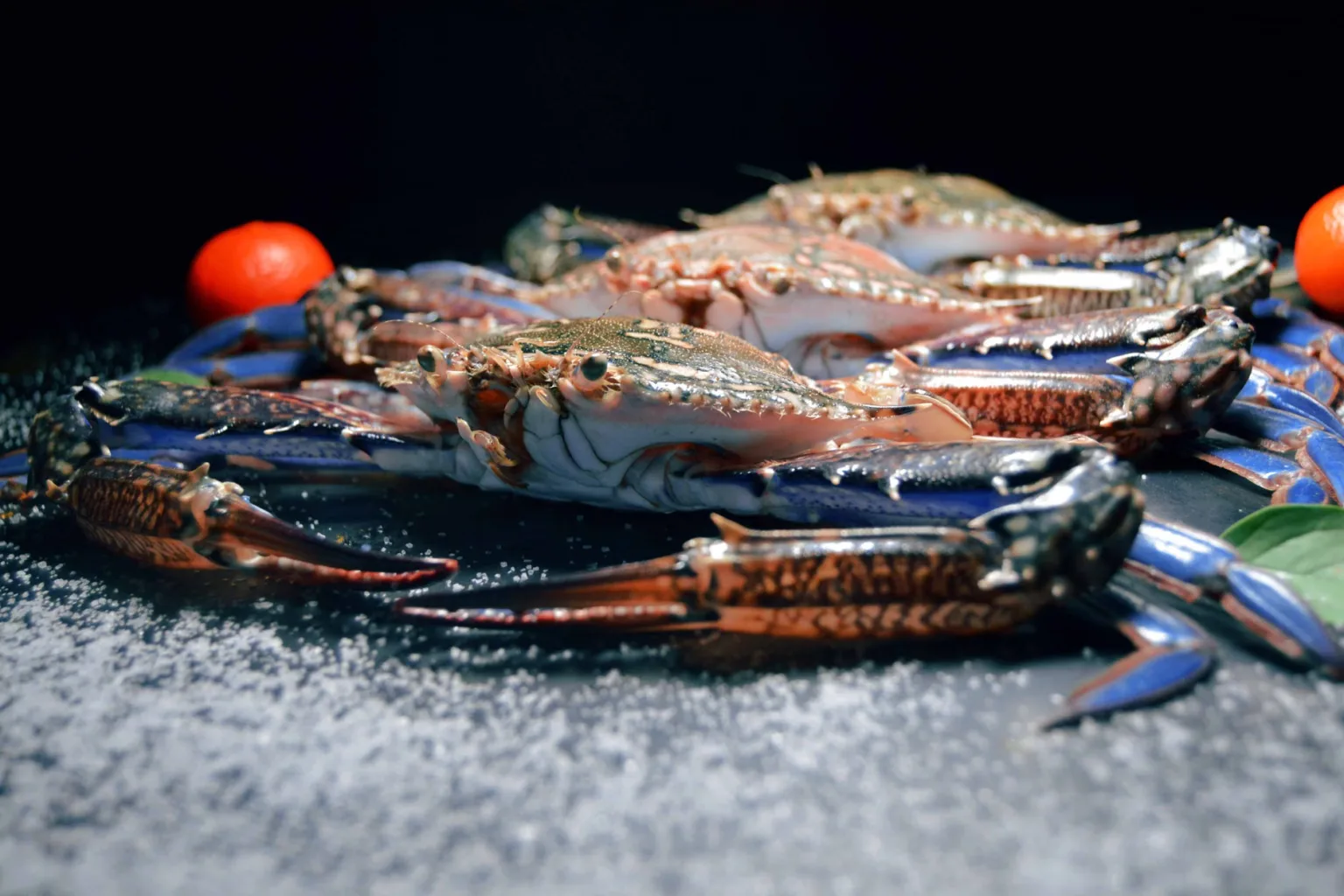
Crab meat is the edible flesh of a crab, a crustacean. It is sold and used in different forms, so check the package to see whether it is raw or already cooked and whether it is fresh, frozen, or packaged. Recipes may call for it flaked or chopped, and it is often described as delicate and mildly sweet. Loose crab meat is not the same product as a whole crab: this profile focuses on the meat as an ingredient. It suits simple dishes such as salads as well as hot preparations such as fillings and gratins.
When to use it
Use crab meat when you want a seafood ingredient with a delicate flavor that will not overwhelm the other parts of a dish. It can anchor a salad with vegetables and a citrus dressing, or be added to a hot preparation with onion, chile, and herbs. It also works in fillings, pies, empanadas, and gratins. Since texture and cooking status vary by product, choose a preparation that fits what you have. If the meat is already cooked, avoid heating it longer than needed.
How to use it
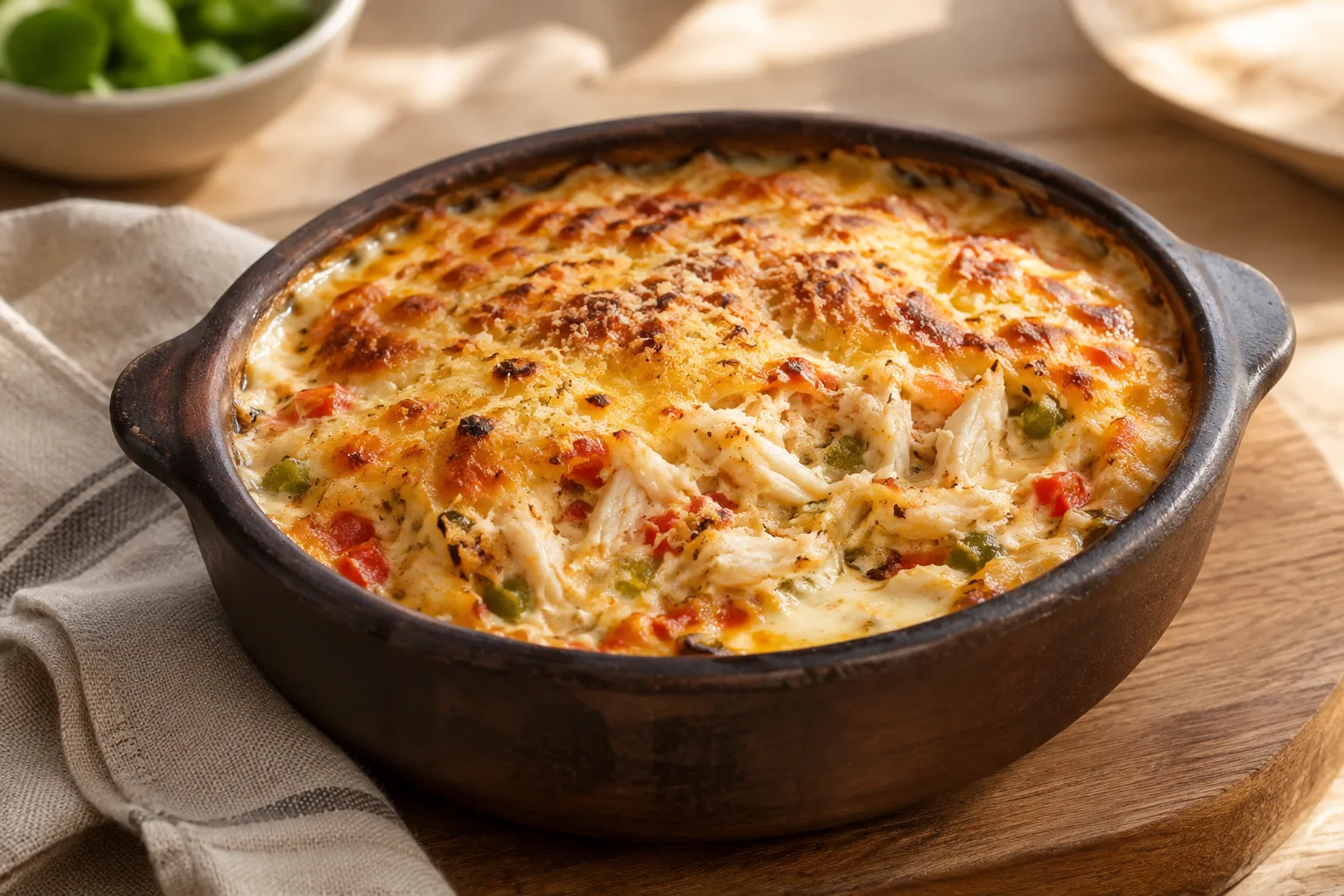
Before cooking, check the package to confirm whether the crab meat is raw or cooked and whether it needs thawing or other handling specified by the manufacturer. For a salad, combine it with the dressing and other ingredients shortly before serving. For a hot dish, add already-cooked meat to a pan with onion and chile and heat it briefly. You can also fold it into a creamy mixture for a filling and finish the dish under a gratin topping. Leave larger pieces intact when you want the crab to stand out; flake or chop it to distribute it through fillings. Season thoughtfully to preserve its subtle flavor.
Flavour and texture
Crab meat is often described as mild, delicate, and slightly sweet. This profile allows it to pair with citrus, sauces, and other ingredients without being easily overwhelmed. Texture depends on the cut and processing: it may come in pieces or flakes. Recipes use the pieces in salads and hot mixtures; very assertive seasoning or prolonged cooking can mask its delicate character.
How to choose it
Check the label for the product’s state, storage instructions, and date. Crab meat may be sold fresh, frozen, or packaged, and it may already be cooked; appearance alone does not confirm its cooking status. If buying fresh meat, choose a trusted seller and check that it is displayed appropriately. For packaged crab, make sure the packaging is intact and follow the specific instructions from the seller or manufacturer.
Storage
Store crab meat according to the label and the condition in which you bought it. If it is frozen, keep it frozen until needed and follow the manufacturer’s thawing directions. For fresh or refrigerated products, follow the date and storage conditions stated on the package or provided by the seller. One culinary source advises using fresh jaiba on the day of purchase, but the product’s own instructions should guide storage of packaged crab meat.
Substitutions
Other cooked crab meat can work in recipes calling for jaiba meat, although flavor, piece size, and texture may differ. Cooked jaiba can also be used in dishes that call for crab meat. No exact equivalence is established here: adjust the amount and seasoning to suit the recipe, and account for whether the substitute is already cooked so you do not reheat it unnecessarily.
Common mistakes
A common mistake is assuming that all crab meat is cooked or that every form needs the same handling. Check the label before using it. Also avoid cooking it for too long if it is already cooked, as that can diminish its delicate character. Finally, do not cover it with strong seasonings before tasting: citrus, herbs, and restrained seasoning can complement its subtle flavor without hiding it.
Safety and allergens
Jaiba is a crustacean and may be unsafe for people with a crustacean allergy. Check the label for ingredients and possible cross-contact warnings. Follow the package directions and local official advice for handling seafood; if you are unsure about the product’s condition, do not eat it.
Culinary uses
- Ingrediente principal en ensaladas y platos de marisco
- Relleno para empanadas, pasteles y preparaciones gratinadas
Recommended techniques
- Mezclar con ingredientes frescos y aderezo para ensalada
- Incorporar brevemente a una preparación caliente
- Rellenar y gratinar
Pairs well with
- Cítricos como limón, mandarina y naranja
- Cebolla, hierbas frescas y ají o chile
- Salsas cremosas y preparaciones gratinadas
Frequently asked questions
Is crab meat always cooked?
No. Product form and cooking status vary. Check the label or ask the seller before deciding how to prepare it.
What flavors pair well with crab meat?
Its mild, slightly sweet flavor works well with citrus, onion, fresh herbs, chile, and sauces. Keep the seasoning balanced so it does not hide the crab’s delicate profile.
What dishes can I make with crab meat?
Use it in salads, hot dishes, fillings, empanadas, and gratins. Choose a preparation based on whether the meat is raw or cooked and on the package directions.
Estimated nutrition
- Fat
- 1.19 g
- Saturates
- 0 g
- Carbohydrate
- 0 g
- Sugars
- 0 g
- Fibre
- 0 g
- Protein
- 23.8 g
- Salt
- 0.95 g
Sources and review
Automatically researched, cross-checked and validated content. Sources consulted:
- ¿Por qué la muerte es origen de miedos y tabúes? doi.org
- The Essential Glossary of Cooking Terms for the Culinary Arts - Escoffier escoffier.edu
- Dieta prehispánica de Mesoamérica - Wikipedia, la enciclopedia libre es.wikipedia.org
- cocinando lo auténtico: la comida como patrimonio cultural en la ideals.illinois.edu
- The Small Activisms of Everyday Life (peer reviewed) - Contours ArteCalle contours.lib.umn.edu
- Receta Chupe de Jaiba | Gourmet gourmet.cl
- Salpicón de Jaiba 1995 (Stir-Fry of Crab with Onions and Chile) - lacocina.utsa.edu
- LAII Lecture Series: La culinaria afrodescendiente de Tamiahua :: Latin American & Iberian Institute | The University of New Mexico laii.unm.edu
- China-linked wildlife poaching and trafficking in Mexico brookings.edu
- SUBJECTIVITY IN THE FICTION OF JOSÉ REVUELTAS, ... repository.upenn.edu
- - YouTube youtube.com
- La jaiba, un crustáceo del sur del mundo afuegolento.com
- Recetas fáciles y prácticas - ensumesa ensumesa.com
- ¿Por qué la jaiba es una protagonista de las mariquerías? elcantodesirenas.com
- 80 recetas muy ricas de carne de jaiba compartidas por cocineros caseros- Cookpad cookpad.com
- La Jaiba es un alimento por explorar en las gastronomías locales - El Comercio elcomercio.com