- Category
- Baking
- State
- Dry
- Usual unit
- g
What it is
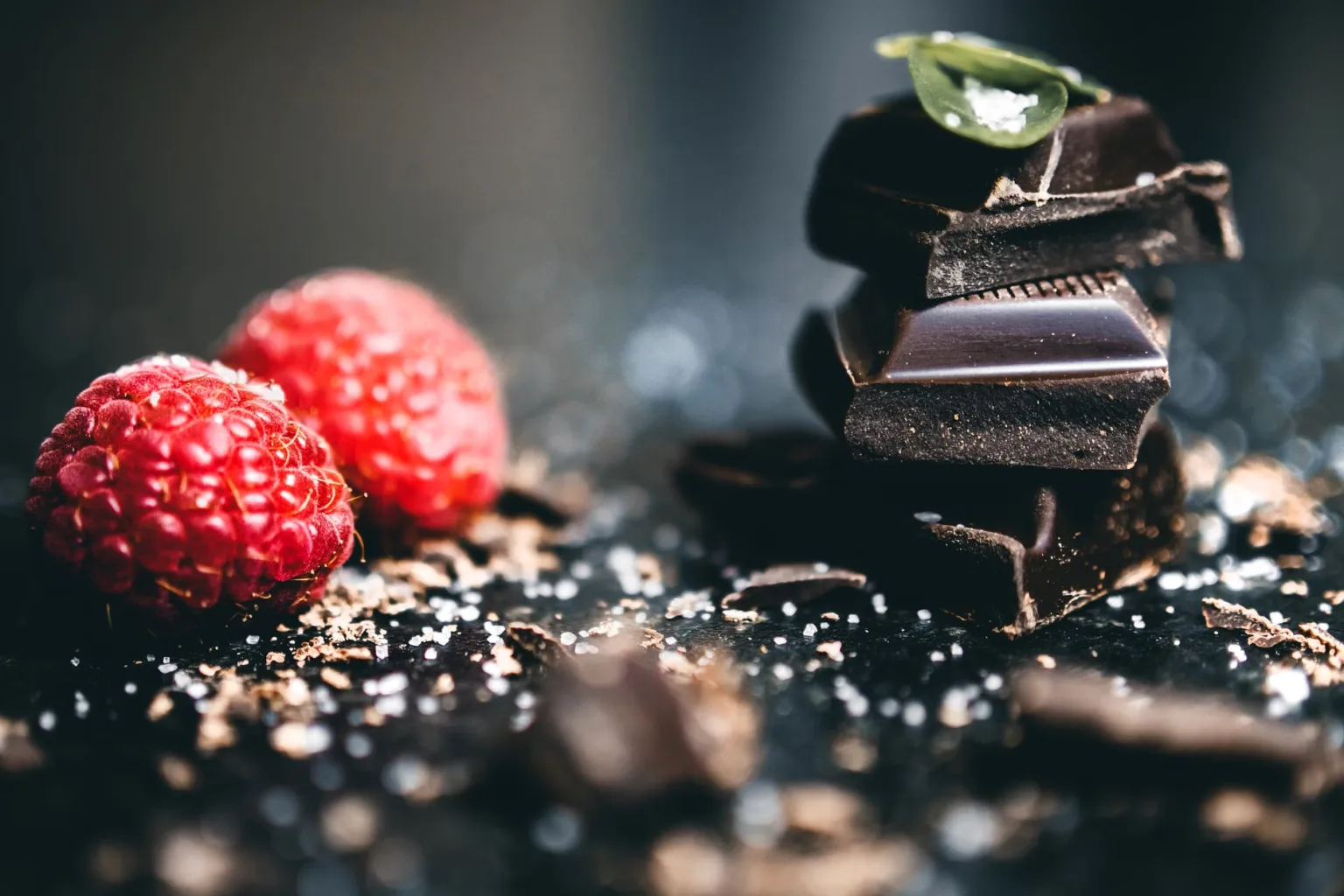
Dark couverture chocolate is chocolate intended for pastry applications such as molding and enrobing. A relatively high cocoa-butter content is a common feature of couverture and helps it flow when worked; one culinary-school source describes couverture for tempering as having more than 32% cocoa butter. Products are not all formulated alike: cacao percentage, sugar and other ingredients affect both flavor and handling. Read the product name and ingredient list rather than assuming every couverture behaves in the same way.
When to use it
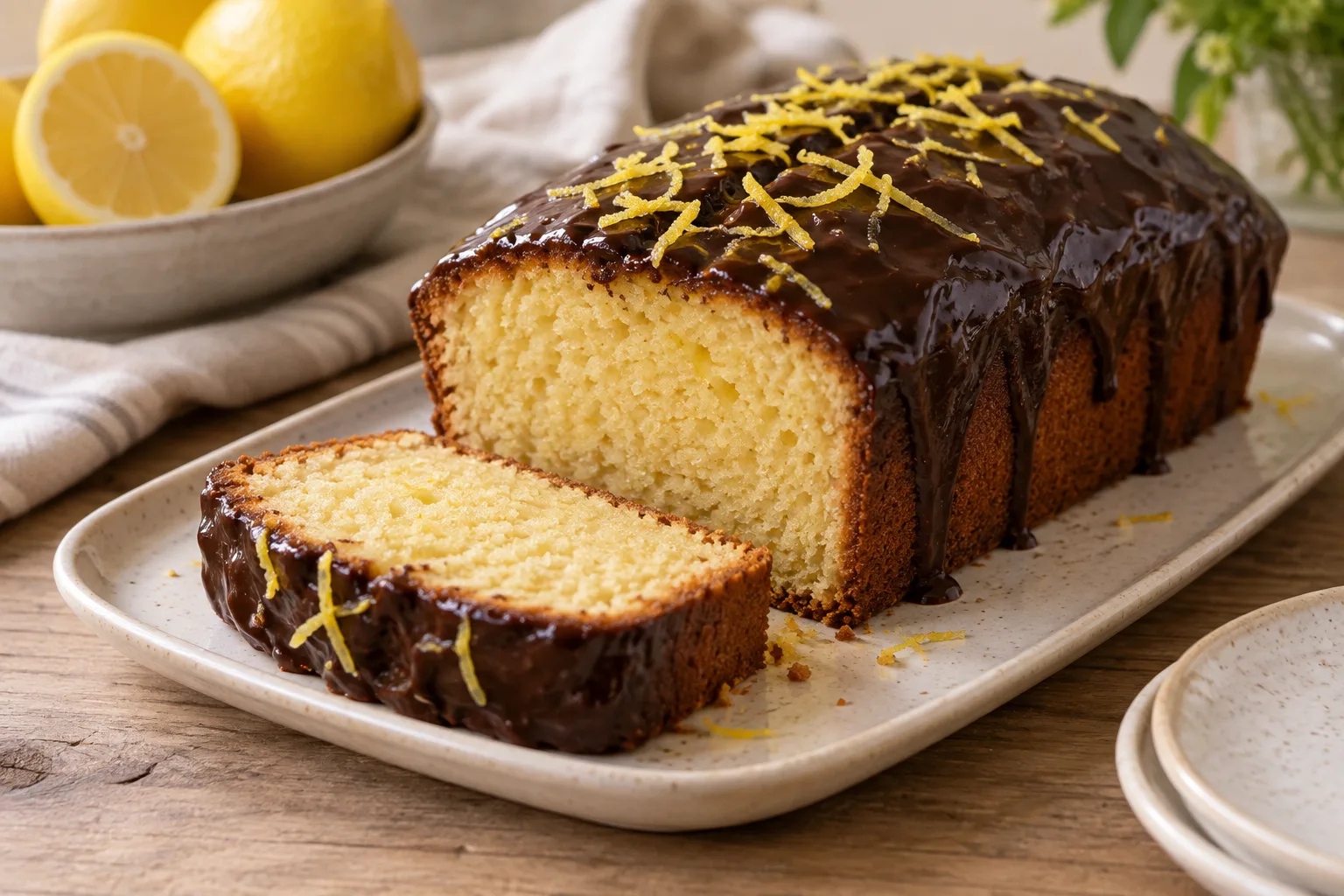
Choose dark couverture when you need to coat pieces, mold chocolates or figures, or make a chocolate preparation such as ganache or mousse. It is useful when flow and the finish of a coating matter, but the result depends on the particular formula and how it is handled. For recipes where chocolate is mixed into a batter, check that the couverture suits the application and consider its intensity and sweetness. When couverture-specific handling is not needed, an ordinary dark chocolate may be sufficient.
How to use it
Start by reading the label: couverture products differ in ingredients, cacao percentage and handling. For enrobing or molding, melt the chocolate and, if the recipe calls for a set, glossy finish, temper it using reliable directions suited to that product; the available evidence does not support universal temperatures. Keep the bowl and utensils dry, and check that additions are compatible before mixing them in. Use the melted chocolate for coating, molding, or for ganache and mousse according to a recipe. Choose the chocolate for the flavor you want: higher cacao percentages tend to taste more bitter.
Flavour and texture
Its flavor can range from intense and distinctly bitter to more balanced, depending on cacao percentage and formulation. Dark chocolate generally brings a deep cocoa profile, while the specific aroma can vary between products. The relatively high cocoa-butter content common in couverture helps it flow when melted and worked, a useful quality for molds and coatings. The final finish depends on both the product and the technique.
How to choose it
Look for a clear couverture designation on the package and check the ingredient list, cacao percentage and directions for use. Formulas vary between brands, so two couvertures with the same percentage need not behave alike. Choose a product suited to the application and the level of bitterness you want. If you need to avoid an ingredient, verify the label for that specific product.
Storage
Keep the chocolate sealed in a cool, dry, dark place, away from strong odors. Moisture and odors can affect its appearance and quality, while light and air can contribute to flavor loss. Avoid refrigeration when it is not needed, since it can encourage odor absorption or a pale surface bloom related to moisture. Follow any specific storage directions on the package.
Substitutions
Another dark couverture can replace it, but differences in cacao content, sweetness and flow may change the result; adapt the recipe to that product’s directions. For a simple coating, compound coating chocolate may be an option, but it is not an equivalent cocoa-butter couverture: it is generally based on vegetable fat instead of cocoa butter and is designed to be used without tempering. Do not choose it when couverture’s particular properties are required.
Common mistakes
Do not assume every couverture has the same formula: cacao percentage alone does not describe its flow, sweetness or aroma. Do not confuse chocolate couverture with compound coating, since the two are not interchangeable for every technique. Another common mistake is ignoring the maker’s directions or assuming that one product is equally suitable for molding, enrobing and baking.
Safety and allergens
Check the specific product label for its ingredients and declared allergens; formulations vary between brands. If an allergy or intolerance requires avoiding an ingredient, do not rely on the name “dark chocolate” alone.
Culinary uses
- Cobertura y baño de piezas de repostería
- Moldeado de bombones y figuras
- Ingrediente para ganaches y mousses
Recommended techniques
- Templado
- Fundido
- Moldeado y recubrimiento
Pairs well with
- Chile y especias en salsas saladas
- Miso en preparaciones saladas
- Fruta y vainilla en postres
Frequently asked questions
What makes chocolate a couverture?
It is formulated for uses such as molding and enrobing; a relatively high cocoa-butter content helps it flow. The exact composition depends on the product.
Does dark couverture need tempering?
Tempering is used for chocolate molding and enrobing, but follow the recipe and manufacturer’s directions; there is no universal temperature that applies to every product.
How should couverture chocolate be stored?
Keep it sealed in a cool, dry, dark place away from odors. Moisture can affect its appearance, so refrigeration is generally avoided when it is not necessary.
Estimated nutrition
- Fat
- 32.4 g
- Saturates
- 19.2 g
- Carbohydrate
- 59.4 g
- Sugars
- 46.3 g
- Fibre
- 7.6 g
- Protein
- 5.19 g
- Salt
- 0.01 g
Sources and review
Automatically researched, cross-checked and validated content. Sources consulted:
- En el etiquetado alimentario hay algunas menciones que son obligatorias eletiquetadocuentamucho.aesan.gob.es
- Aesan - Agencia Española de Seguridad Alimentaria y Nutrición aesan.gob.es
- Consumo de chocolate, cacao y sucedáneos Alimentos de España. Castilla-La mapa.gob.es
- Territorialidades, usos e cobertura da terra na Reserva de Desenvolvimento Sustentável do Rio Negro (AM) | Revista de Geografia doi.org
- Savory Cooking With Chocolate - Escoffier escoffier.edu
- A Chocolate Primer for Aspiring Chefs | Institute of Culinary Education ice.edu
- Chocolate Overload: Tips for Storing Various Forms of Chocolate | Home & Garden Information Center hgic.clemson.edu
- Chocolate – Shelf Life, Storage, and Bloom • AnswerLine • Iowa State University Extension and Outreach blogs.extension.iastate.edu
- Cocoa and chocolate Research Papers - Academia.edu academia.edu
- Chocolate: cuanto más negro, mejor, y nunca para combatir el estrés | UOC uoc.edu
- Discovering the Taste of Molecules in Chocolate | ReVista revista.drclas.harvard.edu
- El chocolate previene la enfermedad cardiovascular upf.edu
- COBERTURAS DE CHOCOLATE Y SUS TIPOS . dulceslaly.es
- Les Différents Types de Chocolat | Chocolat Valrhona valrhona.com
- ▷ Chocolate: origen, historia, tipos, usos y algunos refranes y falsos mitos | Robot de cocina Mycook mycook.es
- Chocolate - Wikipedia, la enciclopedia libre es.wikipedia.org
- Chocolate: tipos, usos y trucos | La Unión launionmallorca.com
- Cobertura de chocolate negro - La Salmantina lasalmantina.com