- Category
- Sugar and sweeteners
- State
- Paste
- Usual unit
- teaspoon
What it is
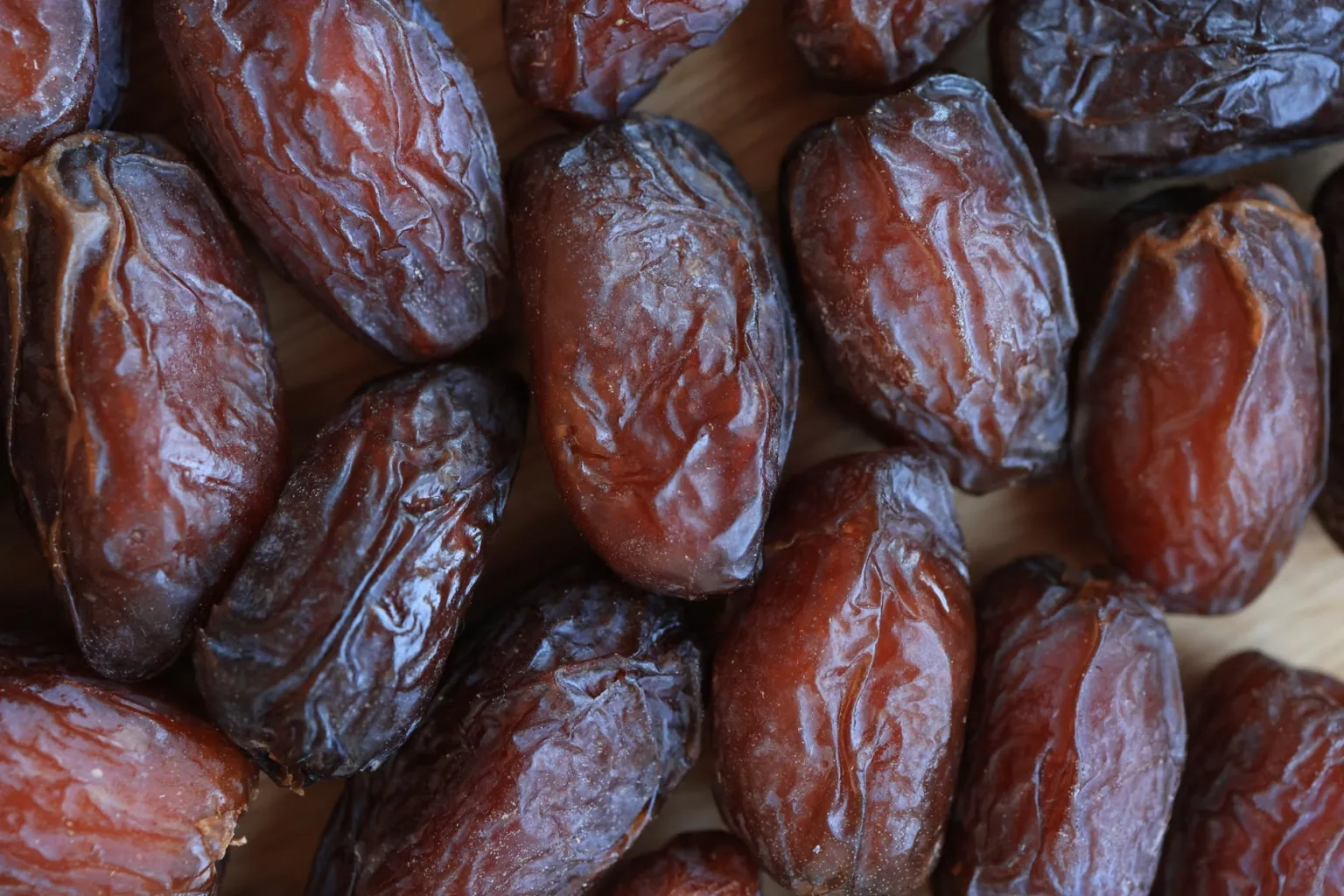
Date paste is a blended preparation made from dates, often combined with water until smooth. Depending on the dates used and the amount of water, it may be thick and spreadable or more fluid. It keeps the fruit’s characteristic sweetness, with flavors often described as reminiscent of caramel or brown sugar. It is not the same as granulated sugar: besides sweetening, it adds fruit pulp and moisture, which can change the consistency of a batter or mixture. Commercial products may differ in composition, so check the ingredient list on the package.
When to use it
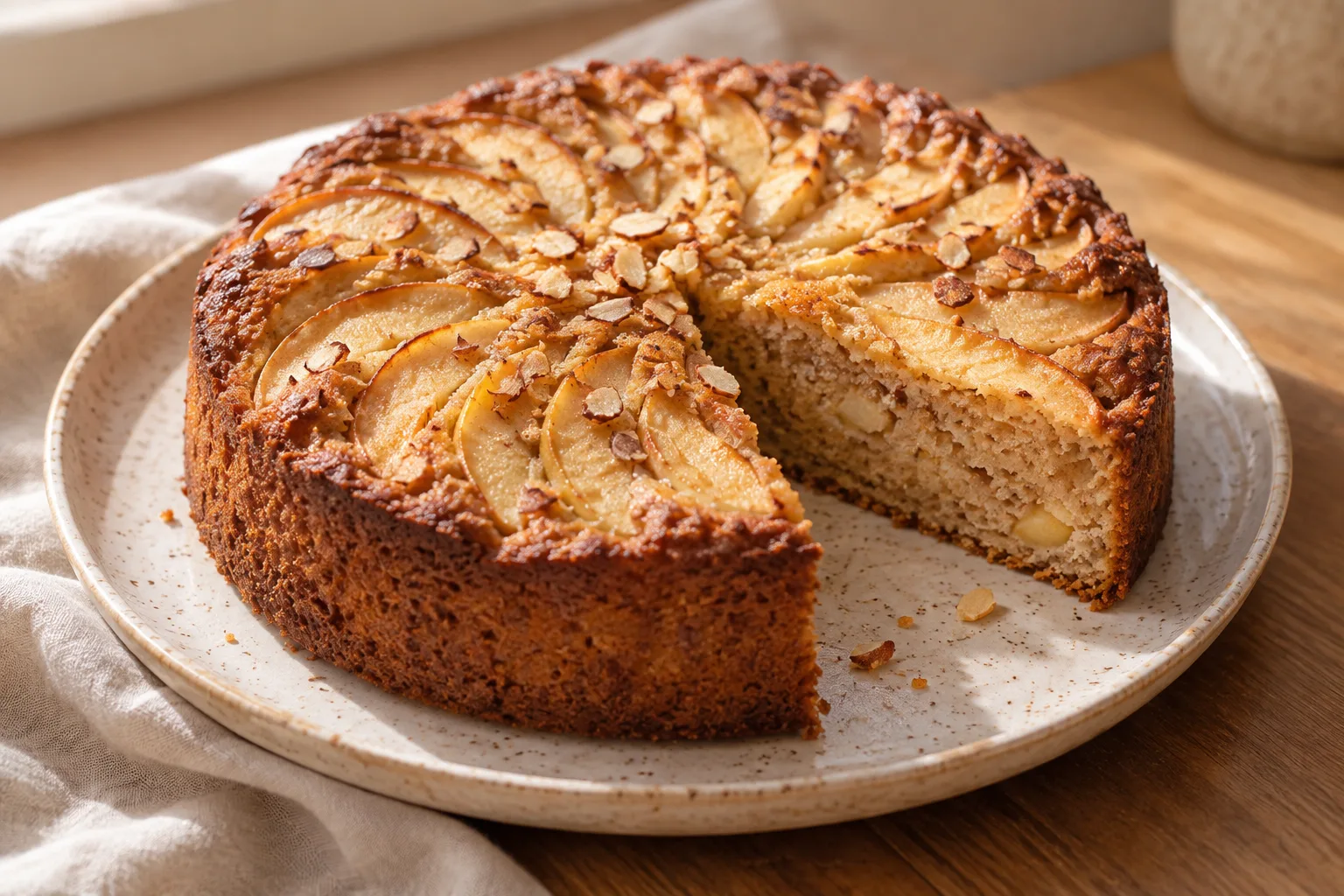
Use date paste when you want fruit-based sweetness and moisture in a recipe, such as cakes, cookies, muffins, bars, or oat mixtures. It can also sweeten smoothies and form part of sweet or sweet-and-sour sauces. It may replace sugar in some recipes, but it does not behave exactly the same way: start with a small amount and check the texture before adding more. It is most useful in recipes that can accommodate a moister consistency and a distinct date flavor.
How to use it
Stir it into smoothies, oatmeal, baking mixtures, or bar mixtures, mixing thoroughly so it is evenly distributed. To make a thinner sauce, gradually mix it with water until it reaches the desired consistency. For a savory dressing, combine it with balsamic vinegar, olive oil, and mustard to add a sweet counterpoint. If using it instead of sugar, begin with a moderate amount and adjust to taste; date paste adds moisture, so you may need to reduce some liquid or increase dry ingredients. Treat a recipe’s proportions as a starting point rather than a universal conversion.
Flavour and texture
Date paste has a pronounced, fruity sweetness; its flavor is sometimes compared with caramel, honey, or brown sugar. Its texture is usually dense, smooth, and sticky, though it depends on the water proportion and the dates used. It adds body and moisture as well as sweetness, so a recipe may turn out denser or moister than one made with granulated sugar. If it is too thick for a particular use, gradually mix in water to loosen it.
How to choose it
Read the product name and ingredient list to see whether it contains only dates or also water or other ingredients. Sweetness and consistency can vary among brands and preparations. Choose a texture suited to your use: a thick paste is convenient for spreading or mixing into batters, while a more fluid one is easy to blend into drinks and sauces. Check the package condition and any storage instructions before buying.
Storage
Follow the storage instructions and date on the label, since recommendations can depend on the specific product and packaging. For homemade paste, use a clean, closed container and consult a reliable recipe for storage directions; the available evidence does not establish a universal storage period. Do not assume that every commercial or homemade paste keeps in the same way. If the label specifies refrigeration or another condition, follow it after opening.
Substitutions
Date paste can replace sugar in some recipes, but it is not a perfect one-for-one match: it adds water, fruit pulp, and date flavor. Start with a small amount, taste for sweetness, and adjust the mixture’s moisture by reducing liquid or increasing dry ingredients if needed. It can also stand in for other sweeteners, but the flavor and texture will change. Avoid treating one fixed ratio as suitable for every preparation.
Common mistakes
A common mistake is replacing all the sugar without accounting for the moisture and fruit pulp in the paste. It is also easy to add too much before tasting, since sweetness and thickness vary between products. Mix it thoroughly to prevent dense patches or lumps, and do not expect a batter to behave exactly as it would with granulated sugar. Adjust sweetness and liquid gradually to suit the recipe.
Safety and allergens
Check the label for ingredients, declared allergens, and storage and use instructions. Requirements can differ by product and presentation; after opening, follow the manufacturer’s directions.
Culinary uses
- sweetener
- moisture-adding ingredient
- fruit-based paste
Recommended techniques
- blend or process until smooth
- stir into batters and mixtures
- thin with water for a pourable sauce
Pairs well with
- oats and nuts
- smoothies with fruit, milk, or yogurt
- salad dressing with balsamic vinegar, olive oil, and mustard
Frequently asked questions
Can date paste replace sugar in every recipe?
It can replace sugar in some preparations, but it adds moisture and pulp and changes the flavor. Adjust the amount and liquid to suit the recipe.
How can I make date paste thinner?
Add water gradually and mix until it reaches the consistency needed for your recipe.
How should I store date paste?
Follow the product label. For homemade paste, use a clean, closed container and do not assume a universal storage period.
Estimated nutrition
- Fat
- 0.1 g
- Saturates
- 0.1 g
- Carbohydrate
- 73 g
- Sugars
- 62 g
- Fibre
- 8 g
- Protein
- 2 g
- Salt
- 0.02 g
Sources and review
Automatically researched, cross-checked and validated content. Sources consulted:
- En el etiquetado alimentario hay algunas menciones que son obligatorias eletiquetadocuentamucho.aesan.gob.es
- ¿Por qué la muerte es origen de miedos y tabúes? doi.org
- Cooking Fresh or Dry Pasta Formula - Ratio Guide - LibGuides at Conrad N. Hilton Library library.culinary.edu
- COLABORACIONES TECNICAS EI mercado Español de Dátiles: mapa.gob.es
- The Celebrity Pasta Lovers’ Cookbook web.stanford.edu
- (PDF) Chemical composition, cooking quality, texture and consumer acceptance of pasta withEruca vesicarialeaves academia.edu
- Pasta Types Chart: Ultimate Guide to 20+ Shapes & Sizes - CodeForge Studio 6857simon.csail.mit.edu
- Endulza tus bebidas y alimentos con esta receta de pasta de dátiles hogarmania.com
- Dátiles: variedades, beneficios y usos| Excelencias Gourmet excelenciasgourmet.com
- Dátil: qué es, sus propiedades, beneficios y 13 recetas en donde la pequeña fruta dulce popular en Medio Oriente brilla directoalpaladar.com
- Dátiles y pasta de dátiles, ¿de verdad son lo mismo? cuidateplus.marca.com
- Pasta de datil. Endulzante natural y saludable además de nutritivo. elmanaturalmarket.com
- Receta de pasta de dátil okdiario.com
- PASTA DE DÁTILES – Crudo&Cocido crudoycocido.com