- Category
- Fruit
- State
- Dry
- Usual unit
- g
What it is
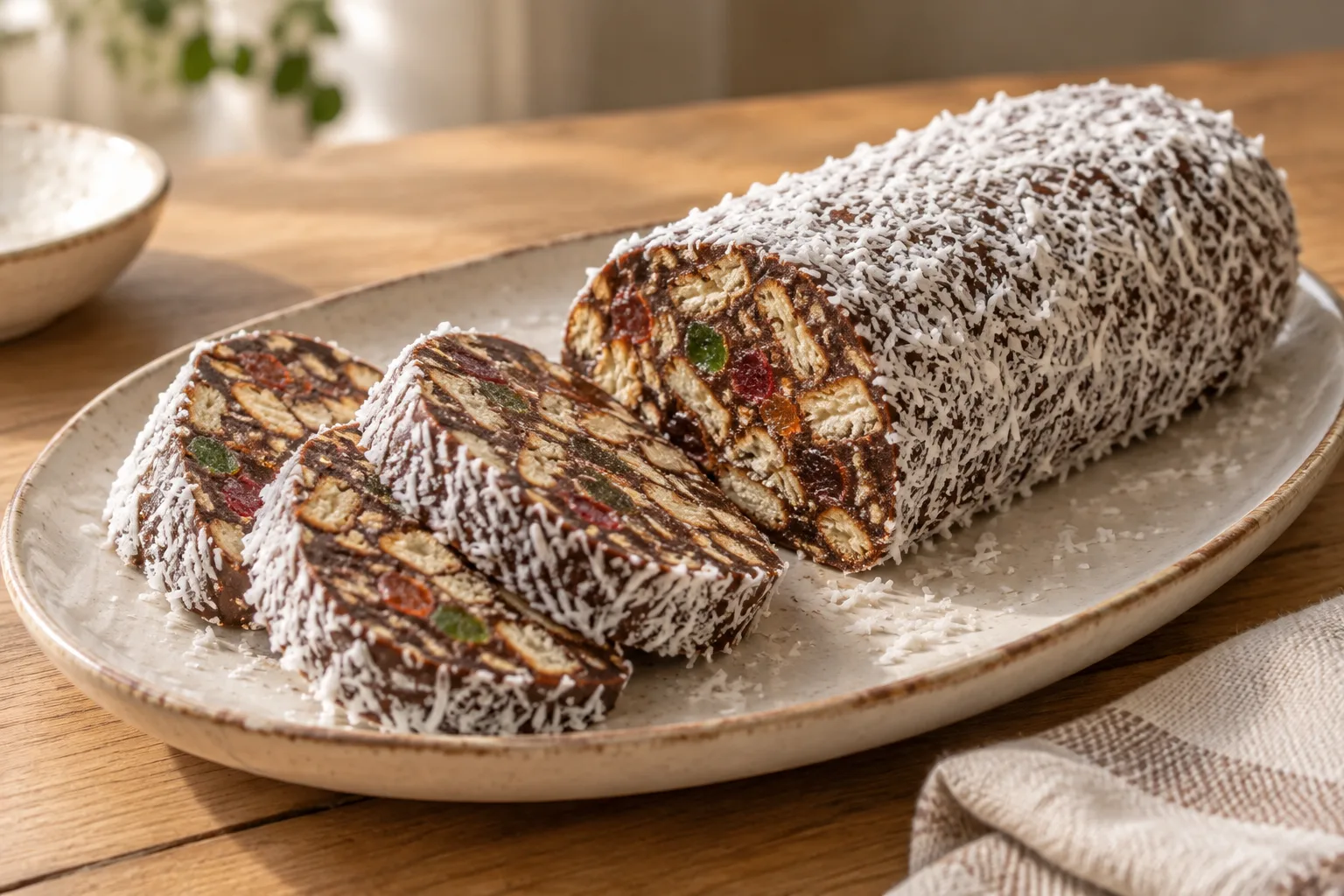
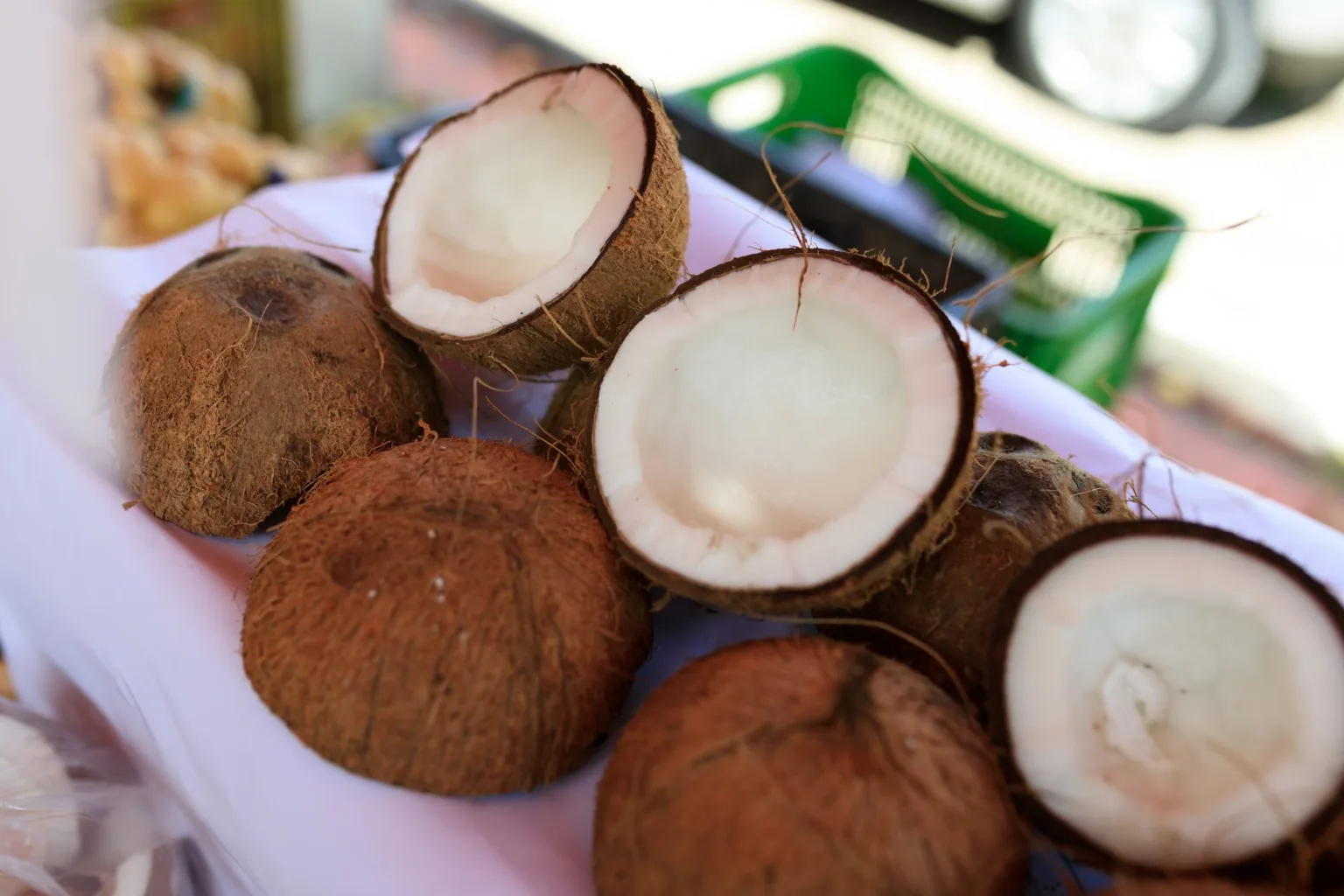
Desiccated coconut is coconut flesh that has been dried and grated or ground into a dry ingredient. Products may differ in how fine or coarse the pieces are, so the final texture can vary; the available evidence does not establish one universal cut. It is not the same as coconut water or coconut milk: those are liquid preparations, while desiccated coconut is a solid grated ingredient. It is used in baking and also appears in savory cooking, where it can contribute coconut flavor and texture. Check the product name and form on the package to distinguish it from other coconut products.
When to use it
Use it when you want coconut flavor with a grated, dry texture, especially in cakes, biscuits and other baked goods. It can also be added to rice dishes, curries, salads or stews when a coconut note and textural contrast suit the dish. Sprinkle it on as a topping, or mix it into batter or other ingredients when you want it distributed throughout. Do not treat it as an automatic replacement for a coconut liquid: its form and texture are different.
How to use it
Stir it into cake or biscuit batter to distribute its flavor and texture, or sprinkle it over cupcakes, yogurt or cereal as a finishing touch. In savory dishes, add it to rice, curries, salads or stews, remembering that it remains a solid ingredient rather than a sauce. You can also toast it for a crisper, more aromatic finish; watch it as it toasts and remove it when it reaches the result you want rather than relying on a fixed time. Adjust the amount to suit how prominent you want the coconut flavor to be, and follow a recipe if it specifies a particular grade of grating.
Flavour and texture
It brings recognizable coconut flavor and a dry, grated texture. Depending on the size of the pieces and the dish, the texture may feel fine or more distinctly chewy. Toasting can make it crisper and more aromatic; the result depends on the product and how it is used.
How to choose it
Read the label to confirm that you are buying desiccated coconut rather than coconut milk, water, oil or flour, which are different products. Grating size can vary and affects the finished texture, so choose a form that suits mixing into batter or using as a topping. Check that the package is intact and read any manufacturer guidance about ingredients and storage.
Storage
The available evidence does not establish a storage period or universal conditions for every product. Store it according to the package instructions and close the package again after use. If the manufacturer gives specific directions for storage after opening, follow them; do not infer a shelf life simply because the product is dry.
Substitutions
Freshly grated coconut may work in recipes that can accommodate a moister ingredient, but it will not necessarily give the same texture as desiccated coconut. Coconut milk can replace it only in liquid preparations where the flavor matters and grated texture is not required; it is not a direct substitute for a topping or for adding texture to batter.
Common mistakes
Do not confuse desiccated coconut with coconut milk, water or oil: their forms and culinary roles differ. Another mistake is assuming every grated product has the same particle size or that a liquid can replace it without changing texture. If toasting it, keep an eye on it rather than assuming there is one universal toasting time.
Safety and allergens
The available evidence provides no ingredient-specific safety alert. Check that the package is intact and follow the manufacturer's directions for use and storage.
Culinary uses
- Baking ingredient and topping
- Textural addition for sweet and savory dishes
- Coconut flavoring for rice dishes and curries
Recommended techniques
- Stir into cake or biscuit batter
- Sprinkle over finished dishes
- Toast until fragrant for a crisp garnish
Pairs well with
- Cakes and biscuits
- Rice dishes and curries
- Yogurt and cereal
Frequently asked questions
Is desiccated coconut the same as coconut milk?
No. Desiccated coconut is dried grated flesh; coconut milk is a liquid preparation. They are not interchangeable in every recipe.
Can I use it in savory dishes?
Yes. Culinary sources describe it in rice dishes, curries, salads and stews, as well as in baking.
Can I toast desiccated coconut?
Yes. It can be toasted for a crisp, aromatic finish. Watch it as it cooks, since there is no single toasting time that applies to every product and method.
Estimated nutrition
- Fat
- 62 g
- Saturates
- 0 g
- Carbohydrate
- 18.7 g
- Sugars
- 0 g
- Fibre
- 6.7 g
- Protein
- 6.67 g
- Salt
- 0 g
Sources and review
Automatically researched, cross-checked and validated content. Sources consulted:
- Client Challenge doi.org
- El coco rallado: Historia, Curiosidades y Usos ruca.es
- Comité Científico aesan.gob.es
- PRIMER INTERCAMBIO scu.edu
- aplicación de fibras vegetales de no tejido como refuerzo ... upcommons.upc.edu
- CARACTERIZACIÓN DE COMPUESTOS VOLÁTILES EN ... diposit.ub.edu
- Los muchos usos culinarios del coco desecado que debes probar - Ceylon Exports & Trading Sri Lanka export-lanka.com
- El coco: de fruta tropical a producto estrella del bienestar plataformatierra.es
- Aprende todo sobre el coco en la enciclopedia Cocinista cocinista.es
- Aceite de coco y otros derivados | Recetas Nestlé recetasnestle.com.ec