- Category
- Sauces and condiments
- State
- Paste
- Usual unit
- g
What it is
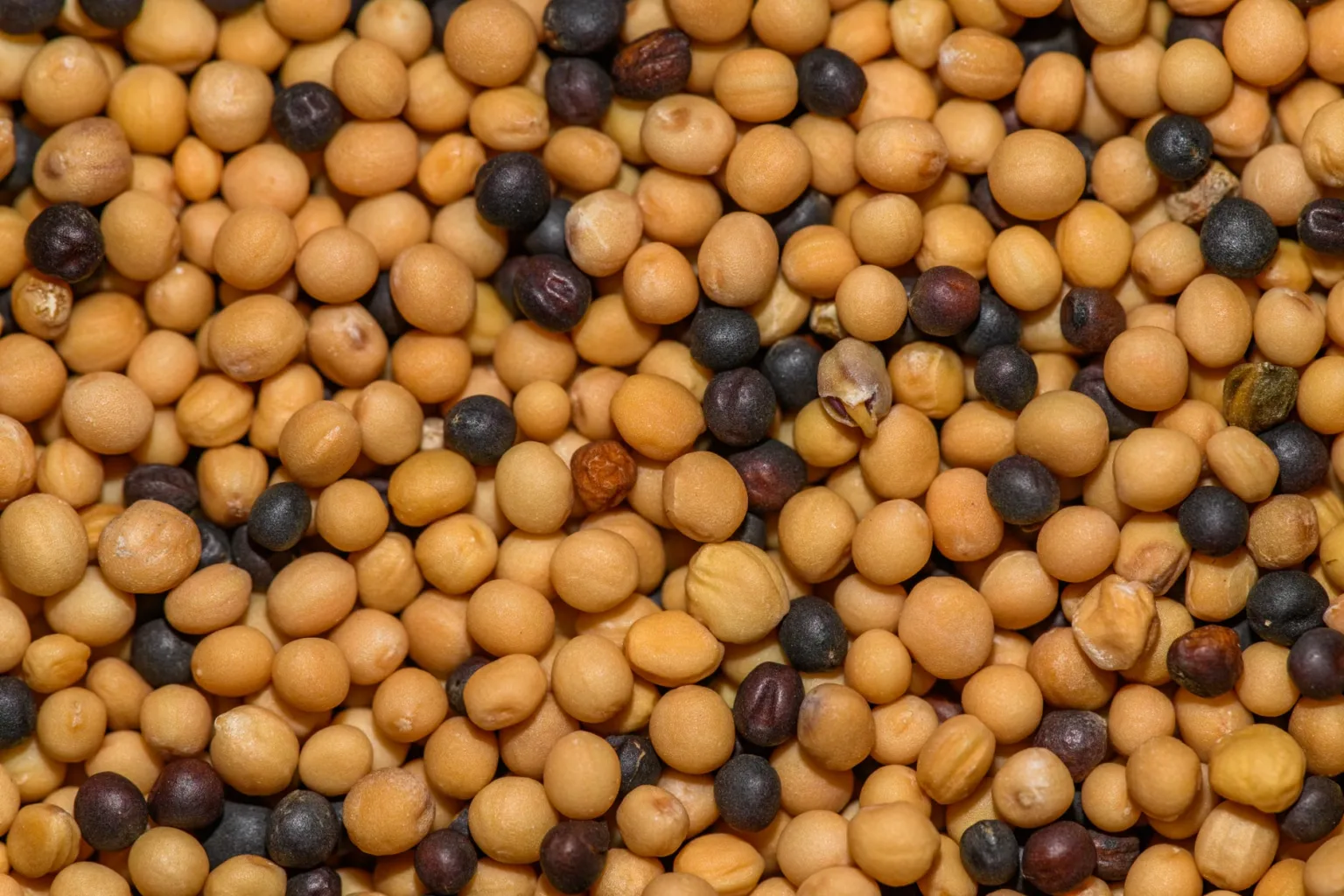
Dijon mustard is a mustard condiment in paste or sauce form, made from ground mustard seeds and a liquid, which may include vinegar, wine or other acidic liquids. Commercial formulas are not identical: the seeds, liquids and other ingredients can vary. It is often finely textured and creamy, although coarser styles with visible seeds are also available. The name refers to a culinary style associated with Dijon; by itself, it does not establish where a particular product was made or what it contains. Check the specific product label.
When to use it
Use it when you want to add a bold, acidic and mildly hot note without relying on a large amount of sauce. It works in vinaigrettes and other dressings, sauces served with meat, marinades and sandwiches. If you do not know how strong your brand is, start with a small amount and adjust to taste. In delicate dishes, add it gradually so it does not overwhelm the other ingredients.
How to use it
Mix it with the ingredients for a vinaigrette or dressing to add flavor and help bring the mixture together. You can also stir it into a sauce, combine it with other ingredients for a marinade, or spread a small amount in a sandwich. When trying a new product, start with a little, mix well and taste before adding more: intensity varies by brand. For a smooth result, stir until evenly distributed; for a more rustic texture, choose a whole-grain style rather than assuming all Dijon mustards have the same texture.
Flavour and texture
Its profile often combines acidity, a bold taste and noticeable heat, although strength varies by product. Finely ground versions can be smooth and creamy; other Dijon-style mustards include seeds and feel more rustic. Color and composition also vary, so the name does not guarantee an identical formula.
How to choose it
Read the ingredient list and allergen information for the specific brand, especially if you need to avoid mustard or sulfites. Check whether you want a smooth or grainy texture and whether the described flavor suits your recipe. The Dijon name alone does not confirm where the product was made or that two jars have the same formula.
Storage
Follow the storage and use instructions printed on the package; they can differ by product and presentation. Also observe the stated date and any directions about use after opening. If you do not have the label or cannot understand its directions, do not assume that storage conditions are the same for every brand.
Substitutions
Spicy brown mustard can work when you want a bold character; whole-grain mustard adds a more pronounced texture. Yellow mustard may replace Dijon in some dressings or sandwiches, but usually gives a different, milder result. Adjust by tasting the dish rather than assuming the same amount will work in every substitution.
Common mistakes
Do not assume all Dijon mustards have the same strength, texture or ingredient list. Adding a large amount before tasting can make the condiment dominate the dish. Substituting yellow or whole-grain mustard without considering how it changes flavor or texture can also alter the result.
Safety and allergens
Mustard is an allergen. If you have an allergy, do not consume the product without checking its label and the relevant information for unpackaged food. Check for sulfites too, as their presence varies among brands. Follow the package’s safe-use and storage instructions.
Culinary uses
- condimento de mesa
- base para aliños y salsas
Recommended techniques
- batir o mezclar en vinagretas
- incorporar a salsas y adobos
Pairs well with
- ensaladas y vinagretas
- carnes asadas y sándwiches
Frequently asked questions
Is Dijon mustard always smooth?
No. Some versions are fine-textured and creamy, while others are coarser or contain visible seeds. Check the product description and appearance.
What is Dijon mustard made from?
It can be made with ground mustard seeds and liquids such as vinegar or wine, but recipes vary. Check the ingredient list on the specific product.
How can I use it?
Try it in vinaigrettes, sauces, marinades and sandwiches, or serve it with meat. Start with a small amount and adjust to taste.
Does Dijon mustard contain allergens?
Mustard is an allergen. Some brands also list sulfites, so always check the label, particularly if you have an allergy or intolerance.
Sources and review
Automatically researched, cross-checked and validated content. Sources consulted:
- En el etiquetado alimentario hay algunas menciones que son obligatorias eletiquetadocuentamucho.aesan.gob.es
- Client Challenge doi.org
- Aesan - Agencia Española de Seguridad Alimentaria y Nutrición aesan.gob.es
- Mostaza de Dijon - Wikipedia, la enciclopedia libre es.wikipedia.org
- Mostaza de Dijon: Qué es, Propiedades y usos sazoncasera.com
- La guía definitiva de las mostazas: variedades, usos en cocina y cuáles tienen más azúcar directoalpaladar.com
- Descubre la Elegancia de la Mostaza Dijon: Ideas Creativas importacionescantabria.com
- Ingredientes de la Mostaza Dijon: Guía Definitiva para Entenderla spice.alibaba.com
- La mostaza Dijon es más que una delicia francesa, es patrimonio culinario mundial - Antojo en tu cocina antojoentucocina.com
- Mostaza tipo Dijon: Guía completa para entender, elegir y usar esta salsa icónica – Innovationflavours.es innovationflavours.es
- Descubre el Origen y Usos de la Mostaza de Dijon saboresdefrancia.net
- 6 sustitutos de la mostaza de Dijon que puede usar en una pizca | Constant Reader theconstantreader.com
- Receta de Mostaza Dijon casera fácil de preparar okdiario.com
- Mostaza Maille Dijon Original | La mejor salsa de mostaza maille.com.es
- 4 formas de hacer mostaza de Dijon - wikiHow es.wikihow.com
- Recetas con mostaza de Dijon: más que un aderezo codigococina.com
- Como hacer mostaza estilo Dijon - Pan de Broa pandebroa.es