- Category
- Fish and seafood
- State
- Dry
- Usual unit
- g
What it is
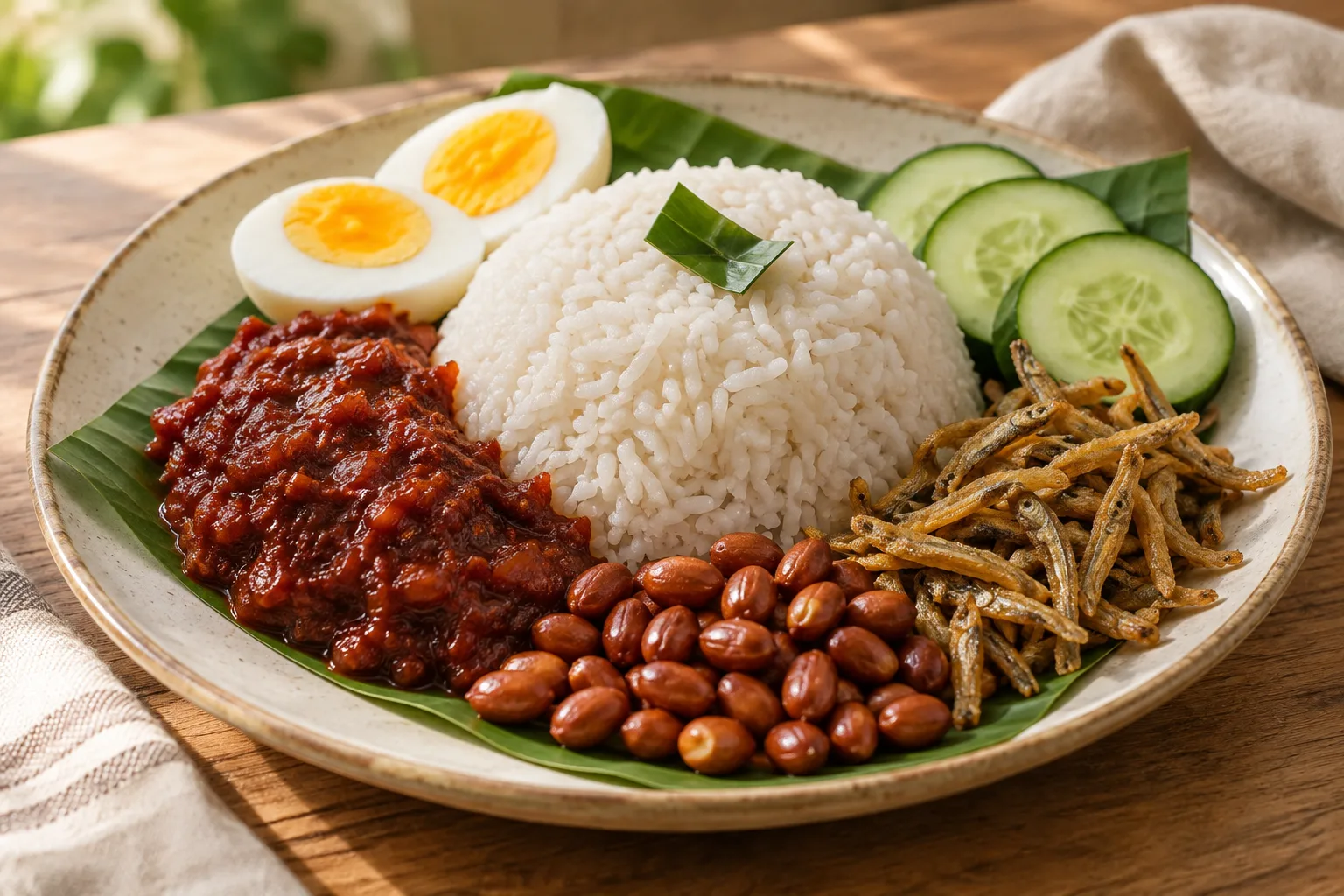
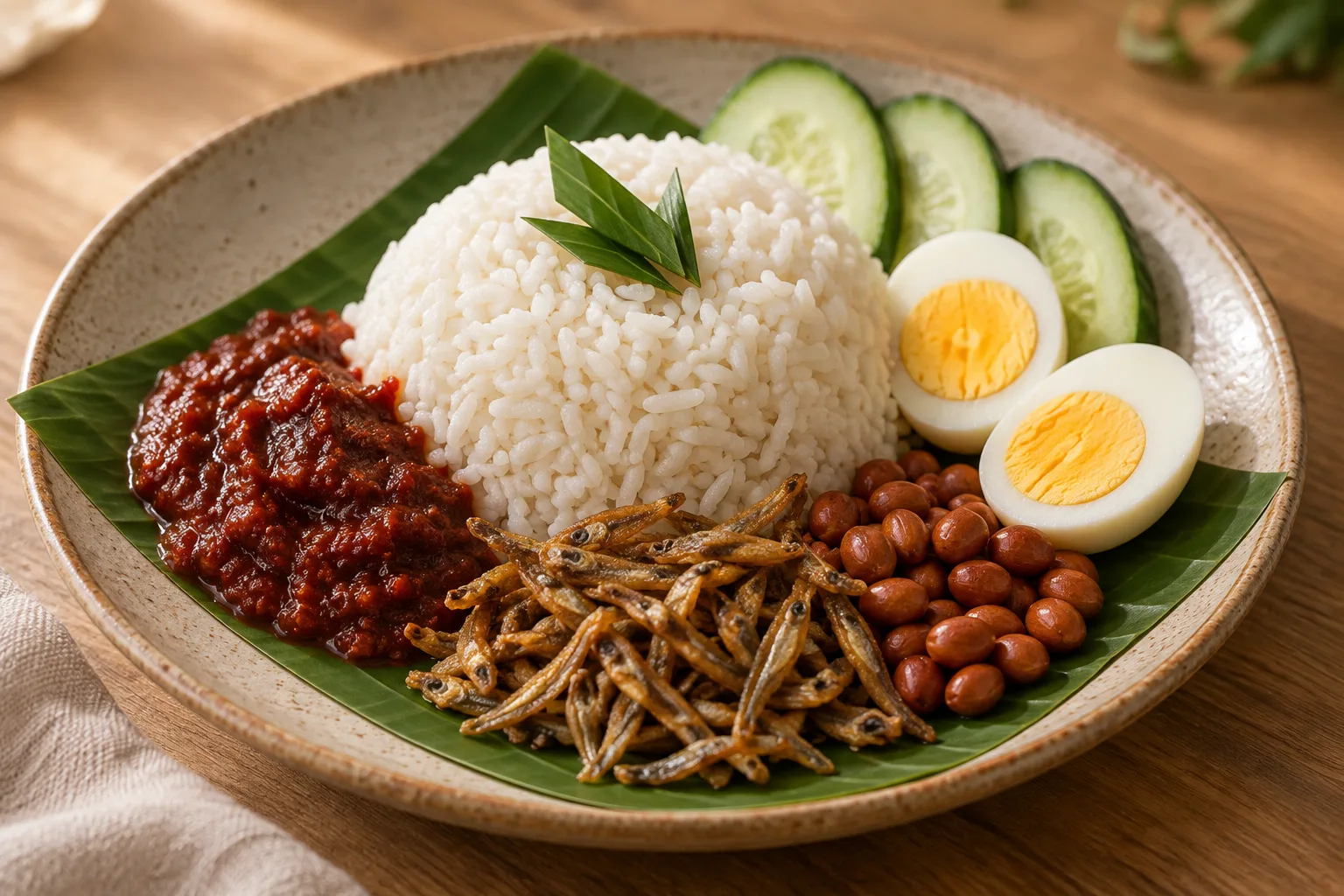
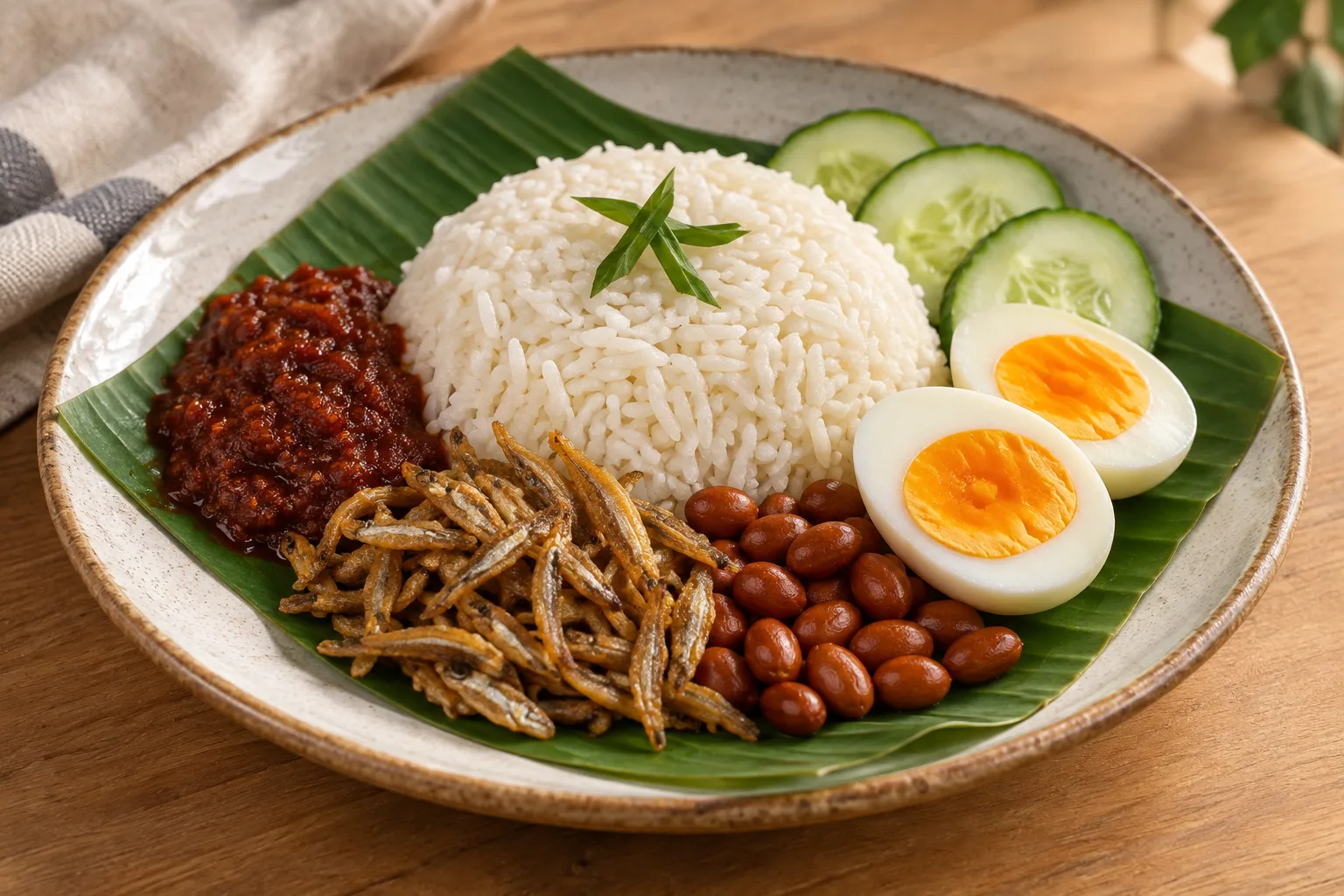
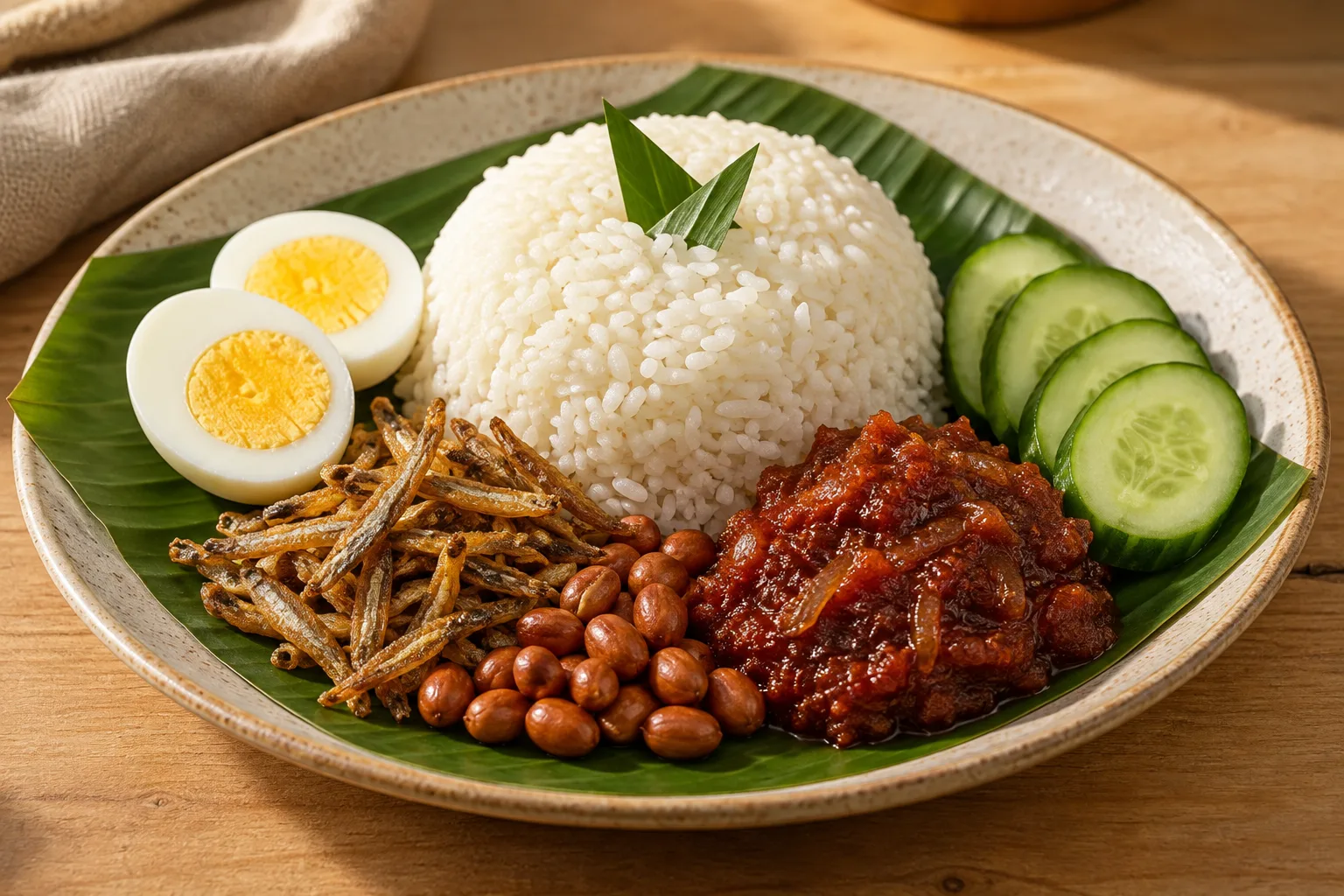
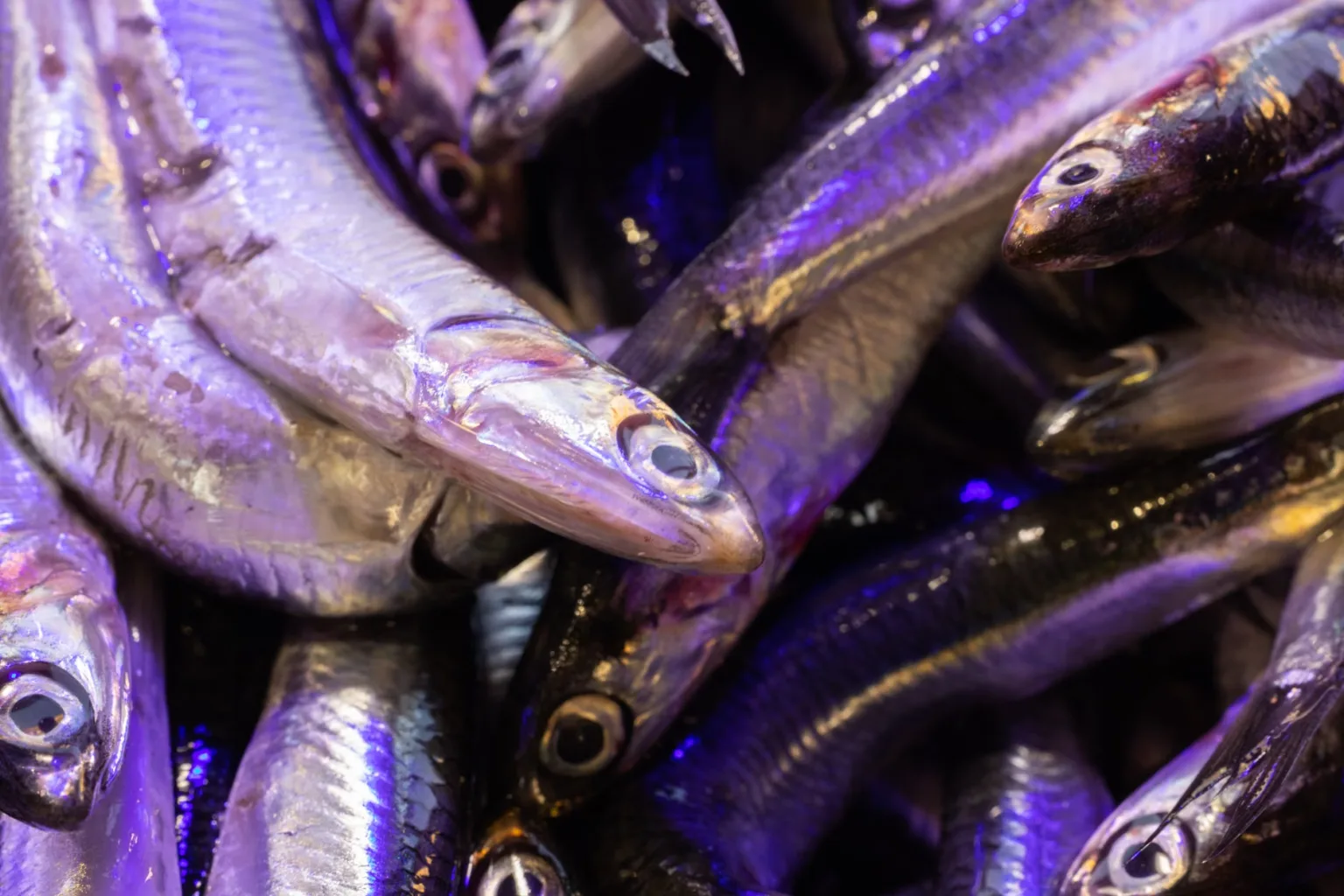
Dried anchovies are anchovies from which moisture has been removed through drying. The name alone does not indicate a precise salt level or guarantee that every product is made in the same way. Anchovies belong to the Engraulidae family and are distinct from sardines. They are sold in different preparations, including dried, salted and oil-preserved forms. For that reason, check the package before cooking: a dry product may need different handling from anchovies in oil or salt-cured anchovies. Their concentrated flavor makes them useful in small amounts, either to season a dish or to serve as a more prominent ingredient.
When to use it
Choose dried anchovies when you want a pronounced marine, savory note or when a recipe specifically calls for dried fish. They can be used in sauces, pasta, pizza, salads and toast, or served as a snack. They are particularly useful for deepening a base of garlic and oil or contrasting with ingredients such as tomato. Products can differ in their drying and salting, so start with a small amount and taste before adding more. Check the label as well to see whether the product needs any preparation before use.
How to use it
Read the package first to establish whether the anchovies are simply dried, also salted, or require preparation; do not assume every dried product is used in the same way. If the recipe allows, crumble or chop them and add them gradually to a sauce or dressing so their flavor is distributed. They can also be added to pasta, pizza, salads or toast, or served as a snack. In a pasta sauce, they pair well with garlic, oil and chili; with tomato, they can bring a salty contrast. Taste the dish before adding more salt, and adjust the amount to the product's intensity. If substituting oil-preserved or salt-cured anchovies, adapt both the quantity and seasoning to that format.
Flavour and texture
Their flavor is typically intense, marine and salty, although strength and texture depend on how they were dried and whether they were also salted or otherwise preserved. A small amount can season a sauce, while whole pieces or larger fragments remain more noticeable in a dish. Do not assume every product has the same salt level: check the package and taste the food before seasoning further.
How to choose it
Choose a package that clearly identifies the product and its preparation, and check the ingredients and manufacturer’s directions. The word “dried” alone does not tell you how salty the anchovies are or whether they need preparation. Select a format that suits the recipe, whether you plan to serve pieces or crumble them into a dish. If the package is damaged or its preparation directions are unclear, choose a product with clearer information.
Storage
The available evidence does not establish a universal storage period or method for every kind of dried anchovy. Follow the package and manufacturer’s storage directions, which may depend on the product format. After opening, use the specific instructions on the label; do not assume the product stores like anchovies in oil or salt-cured anchovies. If directions are missing, ask the seller or manufacturer rather than guessing a storage period.
Substitutions
You can substitute anchovies preserved in oil or salt-cured anchovies, but these formats are not identical. Adjust the amount to the substitute’s strength and saltiness, and taste before adding extra salt. If a recipe relies on the texture of dried anchovies, a substitute may change the result; describe it as an adaptation rather than an exact equivalent.
Common mistakes
Treating dried, salt-cured and oil-preserved anchovies as interchangeable can change a dish’s saltiness, texture and overall result. Avoid adding a large amount at once or seasoning heavily before tasting the dish with the anchovies. Another mistake is ignoring the package directions and assuming a preparation or storage method that the manufacturer has not specified.
Safety and allergens
Contains fish; do not serve it to anyone with a fish allergy. Handle and store the product according to its label and the manufacturer’s directions. The available evidence provides no specific official warning or universal storage method or period for every product format.
Culinary uses
- Condimento salado y sabroso para aportar profundidad a salsas y platos
- Ingrediente o aperitivo para tostadas, ensaladas, pizzas y pastas
Recommended techniques
- Desmenuzar o triturar para integrar en salsas y aderezos
- Hidratar o desalar solo si el envase lo indica o la receta lo requiere
Pairs well with
- Ajo, aceite y guindilla en salsas para pasta
- Tomate y pan en tostadas o pizzas
- Ensaladas y patatas
Frequently asked questions
Are dried anchovies the same as salt-cured anchovies?
Not necessarily. “Dried” describes a product with reduced moisture, while salt-cured anchovies are prepared with salt. A product may have undergone more than one process, so check the label.
How can I add dried anchovies to a dish?
Crumble or chop them into sauces and dressings, or add them to pasta, pizza, salads and toast. Start with a small amount and taste before seasoning further.
Do dried anchovies need to be soaked before cooking?
There is no basis for saying that every product needs soaking. Check the package and follow the recipe; preparation can vary by product.
Sources and review
Automatically researched, cross-checked and validated content. Sources consulted:
- Client Challenge doi.org
- The Essential Glossary of Cooking Terms for the Culinary Arts - Escoffier escoffier.edu
- Anchoas: beneficios y usos culinarios mercantilmx.com
- Nutrition After Your Transplant - Health Online healthonline.washington.edu
- Glimpses of an 18th century Colonial Kitchen in Manila archium.ateneo.edu
- Automation in food-marketing - selected case studies iro.uiowa.edu
- This document is discoverable and free to researchers ... ageconsearch.umn.edu
- Monitoring and Management Strategies for Harmful Algal hab.whoi.edu
- Las anchoas en la gastronomía friolisa.es
- Secretos de las Anchoas: Tesoros del Mar en un Bocado Inolvidable – Conservas Ana Maria conservasanamaria.com
- Anchoas en salazón: toda su historia, sabor y usos en la cocina conservasmontebuciero.com
- Las anchoas son un ingrediente clásico en la gastronomía mediterránea – Sagaretxe – La Sidrería Vasca en Madrid sagaretxe.net
- Anchoas del Cantábrico: una historia de sabor y tradición gastronómica - Casa Santoña casasantona.com