- Category
- Fruit
- State
- Dry
- Usual unit
- tablespoon
What it is
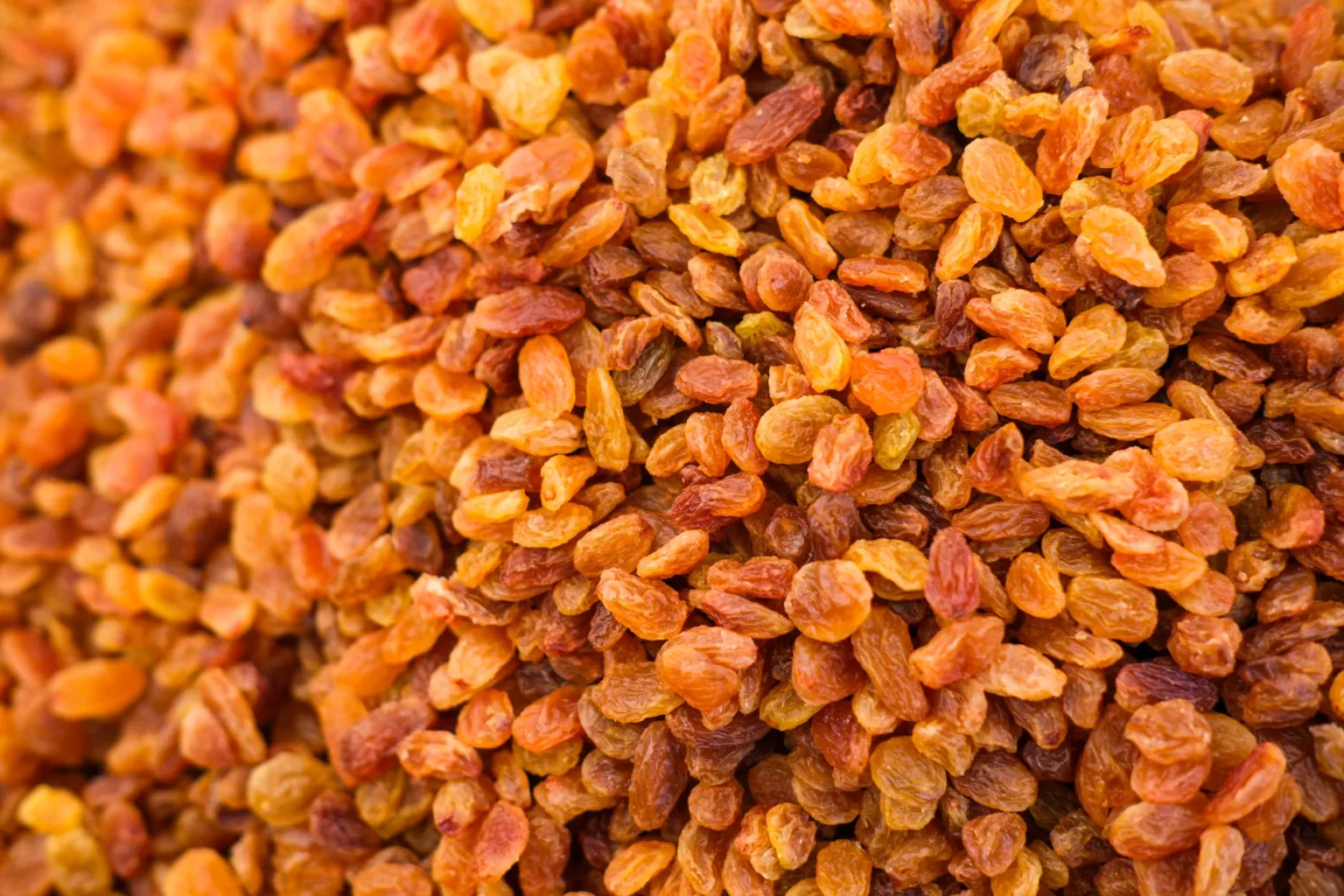
Dried barberries are dehydrated berries from barberry plants in the Berberis genus. Culinary sources describe the berries as small, red and elongated; once dried, they wrinkle and resemble tiny raisins in shape. Their flavor is tart with a fruity note, and they are used whole as an ingredient and seasoning rather than as a powder. They appear in rice dishes and other savory preparations, as well as salads and baked goods. The name may refer to barberries from different species: the culinary evidence mentions Berberis vulgaris, but does not establish the species in every commercially sold pack.
When to use it
Use dried barberries when a dish needs a tart, fruity counterpoint, especially if its other ingredients are mild or rich. They are commonly added to spiced rice and also work in couscous, quinoa, salads, lentil stews and meat dishes. In baking, they can give cakes, muffins or other bakes a tart accent. In rice dishes, they can be paired with saffron and nuts. Since their tartness is a notable part of their flavor, start with a moderate amount and adjust to taste.
How to use it
Sprinkle dried berries directly over salads, yogurt, porridge, muesli or a finished dish. For a softer texture, briefly soak them in warm water before adding them; drain them first if the recipe does not call for the soaking liquid. In rice, couscous or quinoa, mix them with the cooked grain or add them as directed by the recipe. You can also briefly sauté them in butter to serve alongside white meat. For baking, fold them into cake or muffin batter, or use them as a topping. Taste the dish before adding more so their tartness does not overwhelm the other flavors.
Flavour and texture
Their flavor is tart and fruity, bringing a lively contrast reminiscent of an intensely flavored red fruit. The dried berries are small and wrinkled, and look like tiny raisins, though they are usually red. A brief soak in warm water softens them; unsoaked, they remain drier and chewier. Tartness and texture can vary between products, so taste a berry before adjusting the amount in a recipe.
How to choose it
Look for a product clearly labeled as dried barberries and intended for food use. The berries are usually red, small and wrinkled. Since the name can cover different species and the available sources cannot establish the species in every product, check the label if species identification matters to you. Inspect the packaging and the berries; do not use berries that appear spoiled or show mold.
Storage
Follow the package directions and keep the pack sealed between uses. The available evidence describes dried barberries as an ingredient but does not establish a universal shelf life or precise storage conditions for all commercial products. Do not use berries that show mold, spoilage or an unusual appearance. To help maintain quality, avoid leaving them unnecessarily exposed to air and moisture.
Substitutions
Dried cranberries can stand in for barberries when you want a fruity contrast, but they change the flavor and will not give an identical result. Fresh pomegranate offers another tart, fruity alternative, though its texture and moisture are different. Adjust the amount to suit the recipe and taste before adding more: neither option reproduces the barberry flavor exactly.
Common mistakes
Do not assume all dried berries have the same level of tartness, or add a large amount before tasting. If you want a softer texture, briefly soak the berries before using them. Do not mistake dried barberries for a sweeter dried fruit or expect a substitute to reproduce their flavor exactly. Also check that the product is intended for food use and that the berries show no visible spoilage.
Safety and allergens
Use berries sold for food, follow the package directions and do not eat berries with visible mold or spoilage. No specific official warning about dried barberries is available here.
Culinary uses
- Ácido afrutado para equilibrar platos salados
- Toque de fruta seca para arroces, ensaladas y repostería
Recommended techniques
- Hidratar brevemente en agua templada antes de usar
- Incorporar al arroz, al cuscús o a una ensalada
- Saltear brevemente con mantequilla para servir como acompañamiento
Pairs well with
- Arroz y azafrán
- Cuscús y quinoa
- Carnes blancas
- Ensaladas templadas y repostería
Frequently asked questions
What do dried barberries taste like?
They taste tart and fruity. The intensity can vary between products, so taste one berry and adjust the amount to your preference.
Do I need to soak dried barberries before cooking?
Not necessarily. You can add them dry or briefly soak them in warm water if you prefer a softer texture.
What dishes can I use dried barberries in?
They pair well with rice, couscous, quinoa, salads, some meat dishes and baked goods such as cakes or muffins.
Sources and review
Automatically researched, cross-checked and validated content. Sources consulted:
- ¿Por qué la muerte es origen de miedos y tabúes? doi.org
- Client Challenge doi.org
- The Origin of Species -- El origen de las especies people.duke.edu
- Agricultura revista agropecuaria, ISSN mapa.gob.es
- Vegetative plant parts | Servicio de Extensión de OSU extension.oregonstate.edu
- El agracejo como especia | El Huerto Urbano elhuertourbano.net
- Agracejo. La especia ácida que transforma arroces, carnes y platos orientales abc.es
- Agracejos, secos (orgánicos, ¿crudos?) | Fundación G+E diet-health.info
- Agracejo | www.cocinista.es cocinista.es
- Agracejo: Beneficios de Berberis Vulgaris y Berberis Aristata en Complementos Alimenticios - Corexnat corexnat.com
- Características del agracejo – Botanical-online botanical-online.com
- Berberis vulgaris: un arbusto contra la diabetes - Agromática agromatica.es
- Agracejo, Berberis vulgaris - Equisalud equisalud.com
- Agracejo | fitoterapia.net fitoterapia.net