- Category
- Nuts and seeds
- State
- Dry
- Usual unit
- g
What it is
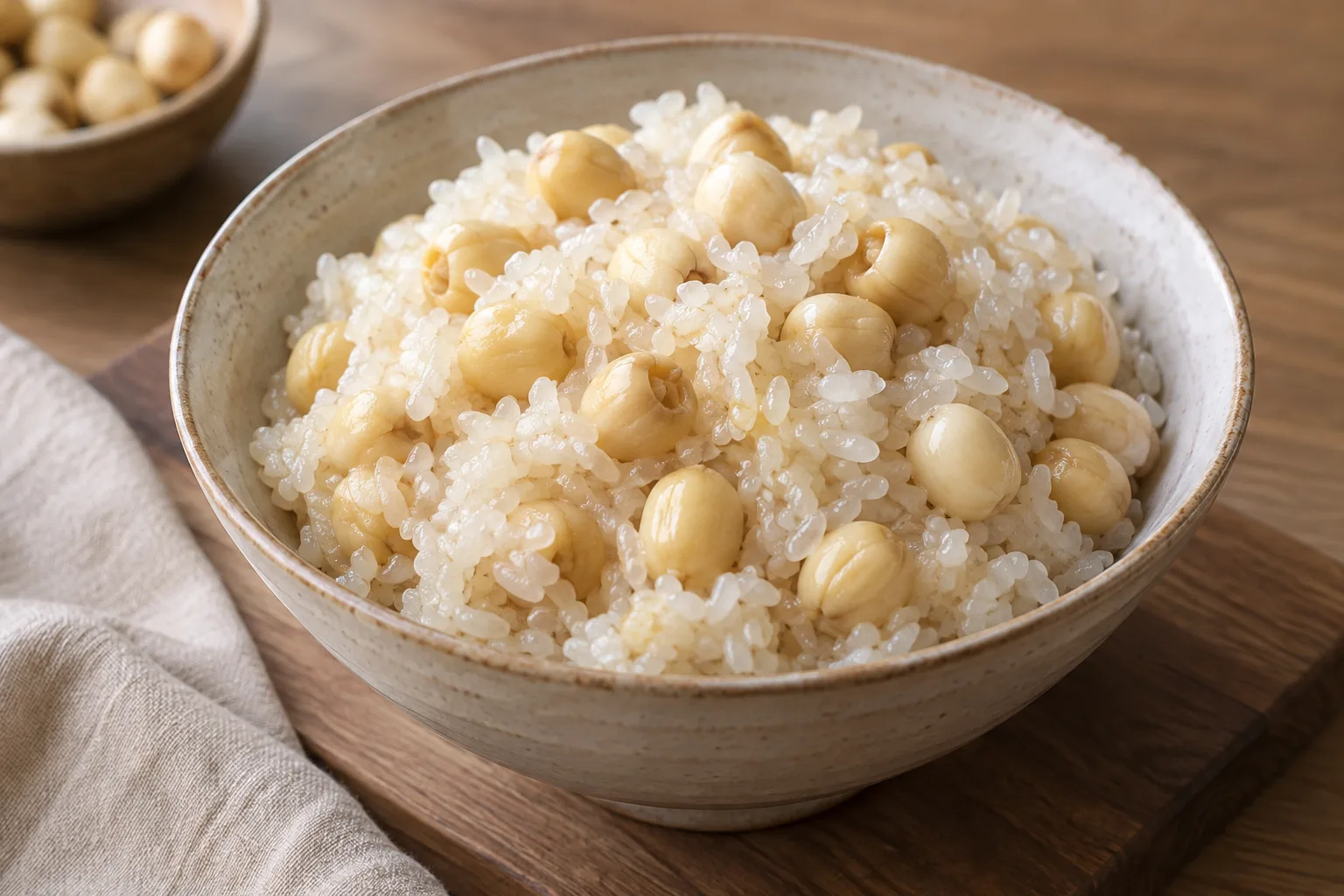
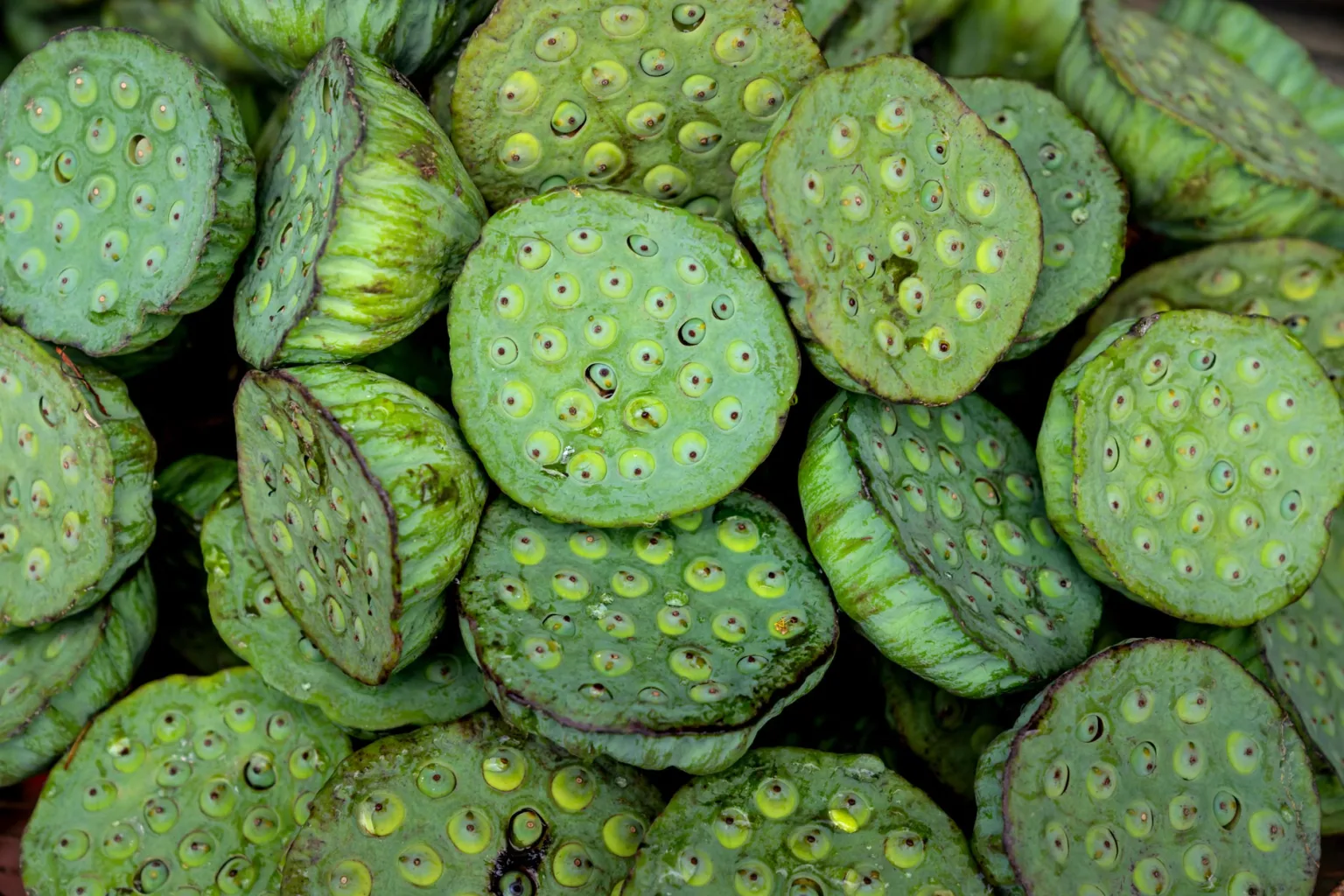
Dried lotus seeds are the edible seeds of the lotus plant, sold in a dehydrated form for cooking. In this form, they generally need soaking and cooking before they are added to a dish. Once cooked, they can become tender, with a starchy texture and a mild flavor that takes on the flavors of broth and other ingredients. They can be added whole to soups and stews, or cooked until very soft and mashed into a paste for fillings, including some pastries. The inner germ can taste bitter; some products are sold with it removed, and it can also be removed before cooking when present.
When to use it
Use dried lotus seeds when you want a mild, starchy ingredient for soup, stew or porridge-style dishes. They can also form the base of a paste for sweet fillings, such as those used in some pastries and mooncakes. Their restrained flavor works in both savory broths and sweet soups. Because the seeds are dried, allow for soaking and cooking before serving. The time needed can vary by product, and the available evidence does not establish one consistent cooking time.
How to use it
Check the product and, if the central germ is still present and you prefer a less bitter flavor, remove it before cooking. Soak the dried seeds in water; culinary sources recommend anything from several hours to overnight, so also follow the package directions. Drain and cook them in water or broth, or directly in a soup or stew, until tender. Check the texture before finishing the dish: seeds that are still firm may need more cooking. For a filling, cook them until very soft and mash or blend them into a paste; a recipe may then add sugar and oil. Puffed lotus seeds are a different form: toast or sauté them for a crunchy snack.
Flavour and texture
Cooked lotus seeds have a mild, unobtrusive flavor, with starchy and sometimes gently sweet or earthy notes depending on the product. When cooked until tender, they can feel creamy or floury and absorb the flavor of their cooking liquid. If undercooked, they may remain firm. The central germ, when present, is described as bitter; some products are therefore sold with it removed.
How to choose it
Look for whole dried seeds and check the label to see whether the germ has been removed or additional preparation is needed. Sources describe white and brown seeds associated with different stages of maturity, as well as dried, powdered and puffed forms; these formats are not interchangeable in every recipe. Choose whole dried seeds for soups and stews. For a ready-to-eat snack, check that the product is puffed and review any added ingredients.
Storage
The available evidence does not provide verified storage instructions or a shelf life for dried seeds. Follow the package directions for storage and use-by information, and do not apply guidance for cooked paste or other forms to whole dried seeds. If the package gives no clear instructions, ask the seller or manufacturer before storing them for an extended period.
Substitutions
Hominy can replace lotus seeds in a soup or stew, as shown in one recipe, but the flavor and texture will change. Some commercial sweet lotus-seed pastes include white-bean paste; it can replace part of the paste, but it is not an exact equivalent. Puffed seeds are another lotus-seed form suited to snacking, not a direct replacement for dried whole seeds in a liquid-based cooking method.
Common mistakes
Adding dried seeds to a dish without allowing for soaking and cooking can leave them too firm. Do not assume every dried seed has had its germ removed: if present, it may add bitterness. Also, do not treat whole dried seeds, puffed seeds and lotus-seed flour as interchangeable; each form has different uses.
Safety and allergens
Follow the package directions and cook dried seeds before serving them in dishes that require cooking. Check that they are tender, and do not serve a product marked for cooking without preparing it as directed. The supplied evidence contains no specific official safety warning for this ingredient.
Culinary uses
- Whole seed in soups, stews and porridge
- Base for sweet or savory lotus-seed paste
- Ingredient for a crunchy snack when sold puffed
Recommended techniques
- Soak dried seeds before cooking; one source recommends soaking overnight, while another suggests several hours or overnight
- Simmer soaked seeds in soup or stew until tender
- Cook until very soft, then mash or blend to make a paste
- Toast or sauté puffed seeds for a crunchy snack
Pairs well with
- Sweet soups with rock sugar, jujubes, white fungus or goji berries
- Savory soups and stews with chicken, pork, mushrooms or leafy vegetables
- Mooncake and other pastry fillings when prepared as lotus-seed paste
Frequently asked questions
Do dried lotus seeds need soaking?
Culinary sources recommend soaking them before cooking, with suggestions ranging from several hours to overnight. Follow the package directions if they provide specific guidance.
Why might lotus seeds taste bitter?
The central germ can be bitter. Some seeds are sold with it removed; if it is present, you can remove it before cooking to avoid that flavor.
How do you use lotus seeds in sweet dishes?
Cook them until very soft, then mash or blend them into a paste. The paste can be used as a filling for pastries and other sweets.
Sources and review
Automatically researched, cross-checked and validated content. Sources consulted:
- ¿Por qué la muerte es origen de miedos y tabúes? doi.org
- elBulli: un nuevo lenguaje en la gastronomía repositorio.ucjc.edu
- Azahares 2024 uafs.edu
- llistat 2016 cast contextos (19/09/2024) repositori.upf.edu
- Letras Hispanas gato-docs.its.txst.edu
- "THE PICTURE OF DORIAN GRAY -- El retrato de dorian Gray" people.duke.edu
- Semillas de loto | www.cocinista.es cocinista.es
- Intercultura y Cocina: Dos ingredientes interculturaycocina.blogspot.com
- Las semillas de loto quieren desbancar a las palomitas y quicos: así es el nuevo snack crujiente que llega a España directoalpaladar.com
- Pasta de semilla de loto - Wikipedia, la enciclopedia libre es.wikipedia.org
- Semillas de Loto — Open Spice Box openspicebox.com
- Navegando en mi Cocina: PASTA DE SEMILLAS DE LOTO navegandoenmicocina.blogspot.com
- Pozole de Chile Verde con Semillas de Loto ducros.com
- Semillas de Loto Secas Deshuesadas 300g Sopas y Postres | Ingrediente tradicional de sabor suave y aroma ligero, perfecto para caldos y gachas : Amazon.es: Alimentación y bebidas amazon.es