- Category
- Herbs and spices
- State
- Dry
- Usual unit
- leaves
What it is
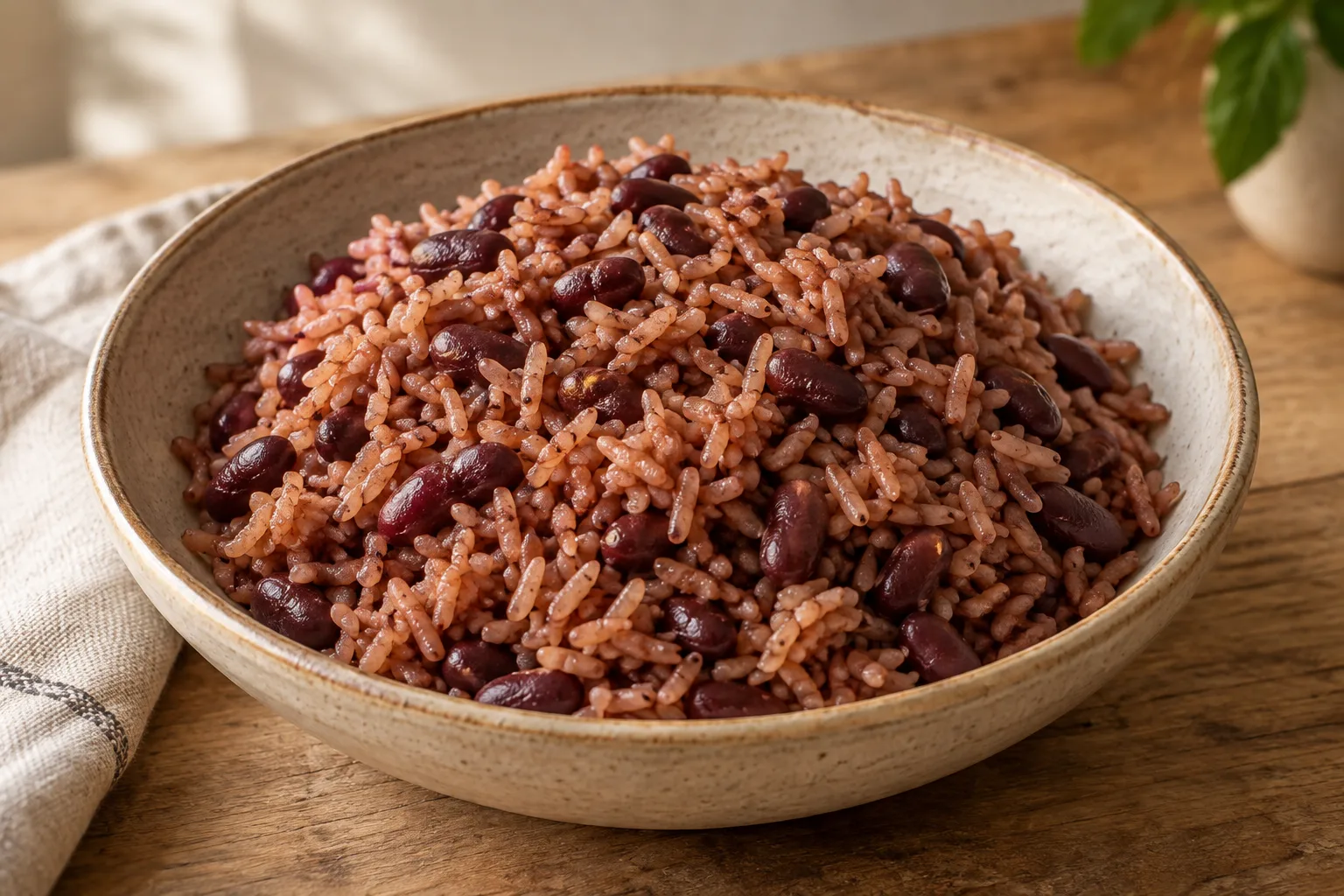
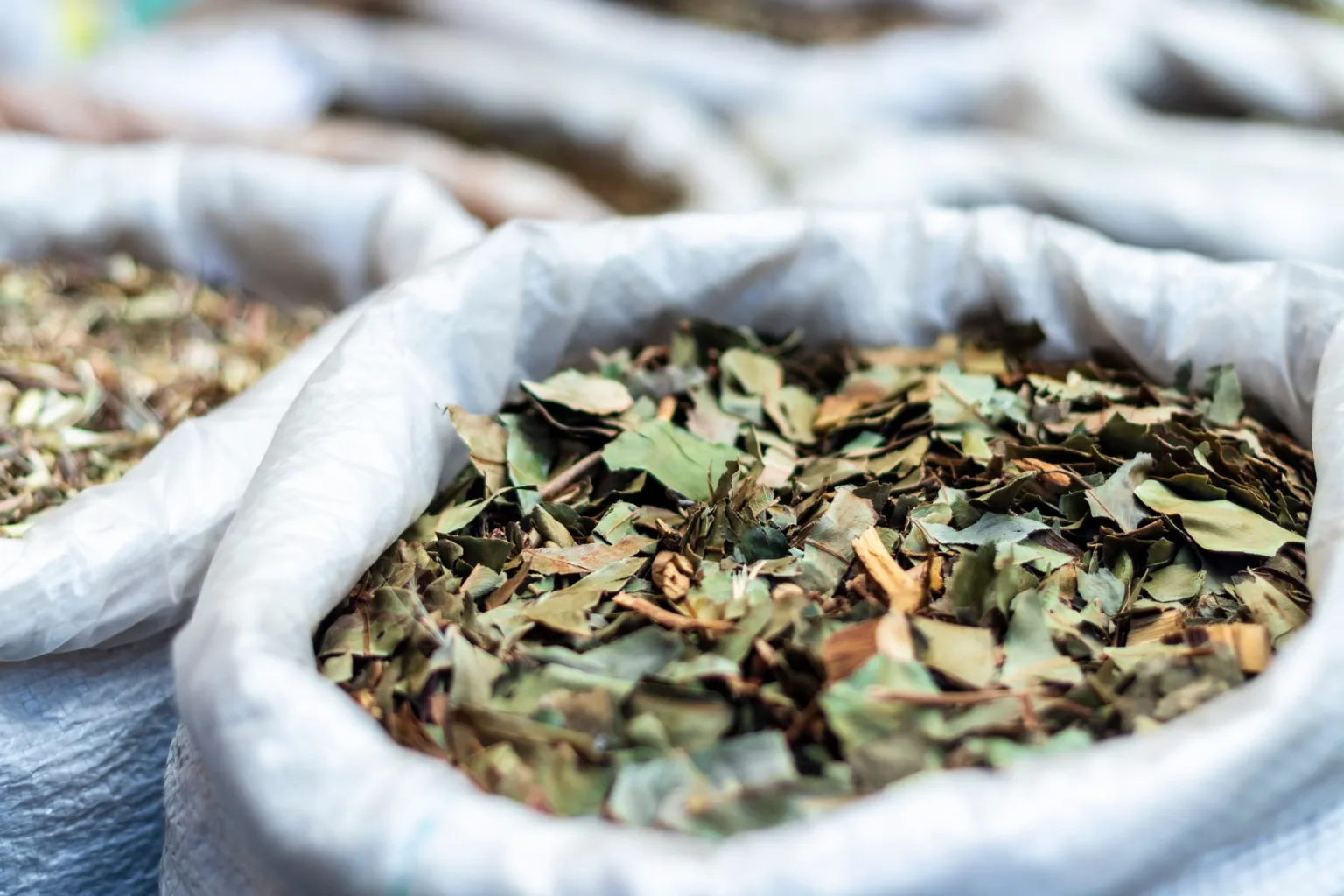
Dried waakye leaves are leaves used to prepare the Ghanaian rice-and-bean dish called waakye. In the recipes consulted, the leaves are boiled in water to make a reddish infusion, and the rice and beans are cooked with that colored liquid. The sources do not identify the plant consistently: some call the leaves millet, while another recipe offers red sorghum leaves or dried leaves. It is therefore more accurate to describe them as waakye leaves and check the product label for its stated identification. They are not the finished rice-and-bean dish or a powdered spice; they are used whole to make an infusion.
When to use it
Use these leaves when making waakye or when you want to give rice and beans the reddish color associated with that dish. They suit recipes that boil the leaves before cooking the rice, so the colored liquid can be used in the cooking. They may also be relevant when a recipe calls for dried millet or sorghum leaves, but check the name on the package because sources describe waakye leaves both ways. They are not a direct substitute for a seasoning that adds salt or heat.
How to use it
Check that the product is labeled for food use and follow any directions on its package. To prepare waakye, boil the leaves in water and use the colored infusion to cook the rice and beans; this is the method described in the recipes consulted. The amount of leaves and water can vary by recipe and product, so no single ratio can be recommended here. If your recipe calls for cooking the beans first, do that according to its directions, then use the infusion while cooking the rice with the beans. The leaves are used to make an infusion, not as fresh garnish leaves.
Flavour and texture
The clearest culinary effect described for these leaves is visual: their infusion gives waakye a reddish or burgundy color. One source also attributes flavor to the leaves, but the available evidence does not describe a specific aroma or taste profile. Since the leaves are boiled to make an infusion, they are not intended to add a crisp texture to the finished dish. The final result also depends on the recipe and on the ingredients served with the rice and beans.
How to choose it
Look for a package identified as dried waakye leaves and intended for cooking. Sources call the leaves both millet and sorghum, so check the product description or label to see how the seller identifies them. The available evidence does not support a recommendation for a particular brand, package size, or leaf color as a definitive quality test. If the product information does not establish that the leaves are for food use, choose a clearly labeled food product instead.
Storage
Keep the leaves in their package or in a clean, closed container, and follow any storage directions from the manufacturer. The available evidence describes them as dried but does not establish a shelf life or specific storage temperature. Do not use them if the package is damaged or the leaves show visible signs of deterioration. Check the label for product-specific instructions.
Substitutions
Sources mention dried sorghum leaves as an alternative and also describe waakye leaves as millet leaves. Those names do not establish that every product is identical, so check what the recipe asks for and what the package says. A substitute may serve the same purpose of making an infusion for rice and beans, although the color or result may vary. Do not replace the leaves with an ordinary seasoning if you want the infusion effect.
Common mistakes
A common mistake is assuming that all leaves sold for waakye have one consistent botanical identification: the sources mention both millet and sorghum. Also, do not confuse the leaves with the finished rice-and-bean dish. Do not use them as if they were a ground spice; recipes boil them to make an infusion that is used during cooking.
Safety and allergens
Use only leaves labeled for food use and follow the package directions. Do not use a damaged product or leaves with visible signs of deterioration. The available sources do not provide a specific safety warning for these leaves.
Culinary uses
- Infusionar el agua de cocción del arroz y los frijoles
- Aportar el tono rojizo característico del waakye
Recommended techniques
- Hervir las hojas en agua para preparar una infusión coloreada
- Cocer arroz y frijoles con la infusión de las hojas
Pairs well with
- Arroz y frijoles, como preparación de waakye
- Plátano frito, huevo, salsas picantes o pescado como acompañamientos
Frequently asked questions
What do dried waakye leaves do?
They are boiled to make a reddish infusion that colors the rice and beans in waakye.
Are waakye leaves millet or sorghum?
The sources consulted use both identifications. Check the product description and label; the available evidence does not resolve the difference for every product.
How do I use them in a recipe?
Boil the leaves in water and use the infusion to cook the rice and beans. Follow the quantities and directions in your chosen recipe.
Sources and review
Automatically researched, cross-checked and validated content. Sources consulted:
- ¿Por qué la muerte es origen de miedos y tabúes? doi.org
- Receta de Waakye montsia.es
- 10 cosas sobre la gastronomía de Ghana | ANESVAD anesvad.org
- Waakye | The Recipe Collection recipecollection.food
- Waakye - Receta Tradicional Ghanesa | 196 flavors 196flavors.com
- Hojas Secas Waakye King África (85gr.) - Caja 12 uds. · seleki seleki.es
- Técnica | Umami Madrid umami-madrid.com
- Waakye - Receta Tradicional Ghanesa | 196 flavors 196flavors.com