- Category
- Dairy and eggs
- State
- Powdered
- Usual unit
- Variable
What it is
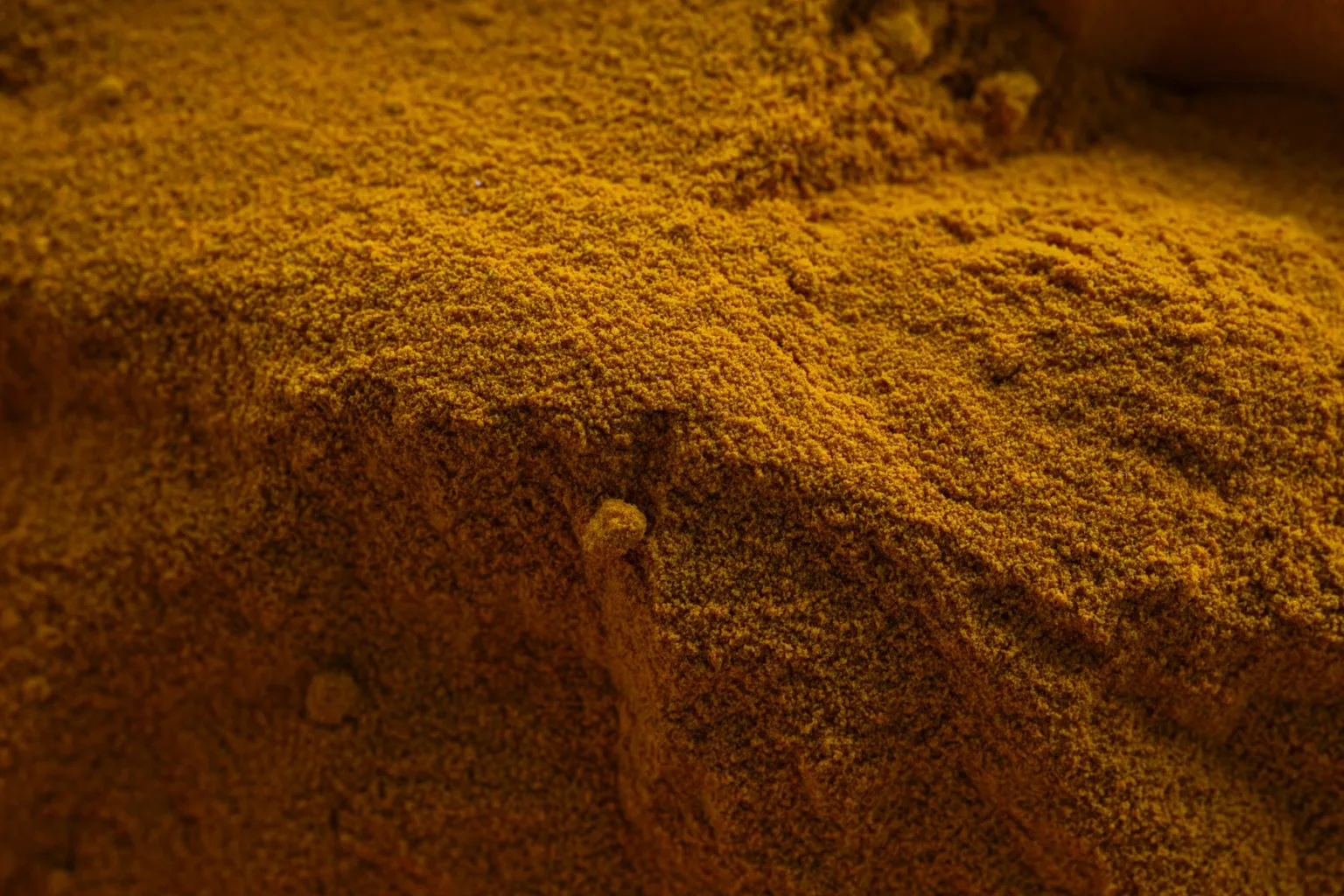
Dry milk powder is made by removing much of the water from milk, leaving a dry powdered product that can be mixed with water to make milk. Products include nonfat and whole varieties, among others, so they do not all have the same fat content or behave alike in cooking. Instantized versions are designed to dissolve more readily; other products may need more mixing. Reconstituted powder does not necessarily taste exactly like fresh milk: processing can give it cooked or mildly caramelized notes. Powdered milk is used both to prepare a drink and to add dairy ingredients to baked goods, desserts, soups and sauces.
When to use it
Use it when you want to make milk from a dry ingredient, or when a recipe benefits from dairy without adding the volume of liquid milk. It can be useful in doughs, baking, desserts, ice cream, soups and sauces, and in some egg or mashed-potato preparations. The result depends on the product and the recipe: instantized powder is generally easier to dissolve in a drink, while other products may be better suited to mixing into food. Check the label before swapping whole milk powder for nonfat, or the reverse.
How to use it
To make milk, mix the powder with the amount of water specified on its package, since the ratio can vary by product. As a culinary reference, one extension guide gives ⅓ cup powder plus 1 cup water as the equivalent of 1 cup liquid milk. Mix thoroughly; instantized powder usually dissolves more readily, while non-instantized powder may need whisking or blending. You can also add dry milk powder to a recipe when you want dairy flavor without adding the volume of liquid milk. Distribute it evenly and follow the recipe’s proportions. It is used, for example, in breads and other baked goods, desserts, soups, sauces, coffee, eggs and mashed potatoes.
Flavour and texture
Dry milk powder has a dairy flavor that can suggest cooked milk, with mild sweet or caramel-like notes. The finished flavor varies with processing, fat content, brand and storage. Once reconstituted, it does not necessarily taste the same as fresh milk. In a recipe, it may also contribute to a thicker texture or a more consistent mixture, although the precise effect depends on the dish and the amount used.
How to choose it
Choose a type that suits the recipe: whole and nonfat milk powders differ in fat content, and they are not interchangeable for every use. If easy drink preparation matters, check whether the package identifies the product as instantized, since that form is intended to dissolve more readily. Read the package, preparation directions and manufacturer’s date information. If buying a large quantity, compare products and package formats so you can choose one appropriate for your intended use and storage conditions.
Storage
Keep the powder away from moisture, oxygen, light and heat, and seal the package well after each use. For larger quantities, a university source describes Mylar-type bags and cans as suitable options; jars can be used for smaller amounts if light is kept out. Once opened, nonfat dry milk has a limited storage life, but the actual period depends on the product and conditions. Follow the package directions and do not assume all types—especially those containing fat—store equally well. Poor storage can lead to stale or oxidized flavors.
Substitutions
Liquid milk may replace powder in a recipe that can accommodate added liquid, but other liquid amounts may need adjustment. In the other direction, one guide gives a mixture of ⅓ cup powder and 1 cup water as a replacement for 1 cup liquid milk. Always check the product directions: the type of powder and the recipe can affect the suitable ratio. Do not automatically swap whole milk powder for nonfat when fat affects the result.
Common mistakes
Do not assume every milk powder dissolves equally well or that a cup of powder is equivalent to a cup of liquid milk. Follow the package ratio; a mixture that is too concentrated or too dilute can change the result. Avoid storing an opened product where it is exposed to moisture, light or heat, and do not expect reconstituted milk to taste exactly like fresh milk. Check whether the recipe calls for whole or nonfat powder.
Safety and allergens
The supplied evidence contains no specific official warning about dry milk powder. Follow the package directions for preparation and storage, and consult the relevant food-safety authority for guidance on the specific product. Keep the powder dry and protected from contamination.
Culinary uses
- Reconstituted milk for drinks and recipes
- Dairy ingredient for adding milk flavor and body to baked goods, desserts, sauces and soups
Recommended techniques
- Whisk or blend with water to reconstitute; instantized powder dissolves more readily
- Stir into dry or wet recipe ingredients, choosing the amount and form to suit the recipe
Pairs well with
- Flour and leavened baked goods
- Eggs, apple purée, sugar and cinnamon in pancake batter
- Coffee, mashed potatoes, soups and sauces
Frequently asked questions
How do I make milk from dry milk powder?
Mix it with water using the ratio on the package. As a reference, one guide gives ⅓ cup powder and 1 cup water for the equivalent of 1 cup milk.
Does all dry milk powder dissolve the same way?
No. Instantized powder dissolves more readily; some non-instantized products may need whisking or blending.
Can I add dry milk powder directly to a recipe?
Yes. It is used in baked goods, desserts, soups and sauces, among other dishes. Follow the recipe so you do not unnecessarily change its balance of dry and liquid ingredients.
Estimated nutrition
- Fat
- 13.7 g
- Saturates
- 8.07 g
- Carbohydrate
- 57.9 g
- Sugars
- 1.75 g
- Fibre
- 37 g
- Protein
- 19.6 g
- Salt
- 0.05 g
Sources and review
Automatically researched, cross-checked and validated content. Sources consulted:
- Preparación para Emergencias: Almacenamiento de Alimentos a Largo Plazo para Desastres | CAES Field Report fieldreport.caes.uga.edu
- The Essential Glossary of Cooking Terms for the Culinary Arts - Escoffier escoffier.edu
- Storing Dried Milk | USU extension.usu.edu
- Agencia Española de Seguridad Alimentaria y Nutrición aesan.gob.es
- Nutrition After Your Transplant - Health Online healthonline.washington.edu
- Appendix B: Recipes for Disease Prevention – Culinary Medicine opentextbooks.library.arizona.edu
- Healthy Food Donation List.pdf lyon.k-state.edu
- Safe & Healthy Food Pantries Project - Health & Well-Being health.extension.wisc.edu
- Cocinar y Congelar Artículos de la Despensa de Alimentos extension.psu.edu
- Leche en polvo | Gastronomía & Cía gastronomiaycia.com
- Leche en polvo: ¿cuál es su uso como aditivo? eldiario.es
- - YouTube youtube.com
- Qué es la leche en polvo y de dónde sale - Vendival vendival.com
- Beneficios de la leche en polvo | T.Aliment 2021 taliment.com