- Category
- Herbs and spices
- State
- Fresh
- Usual unit
- unit
What it is
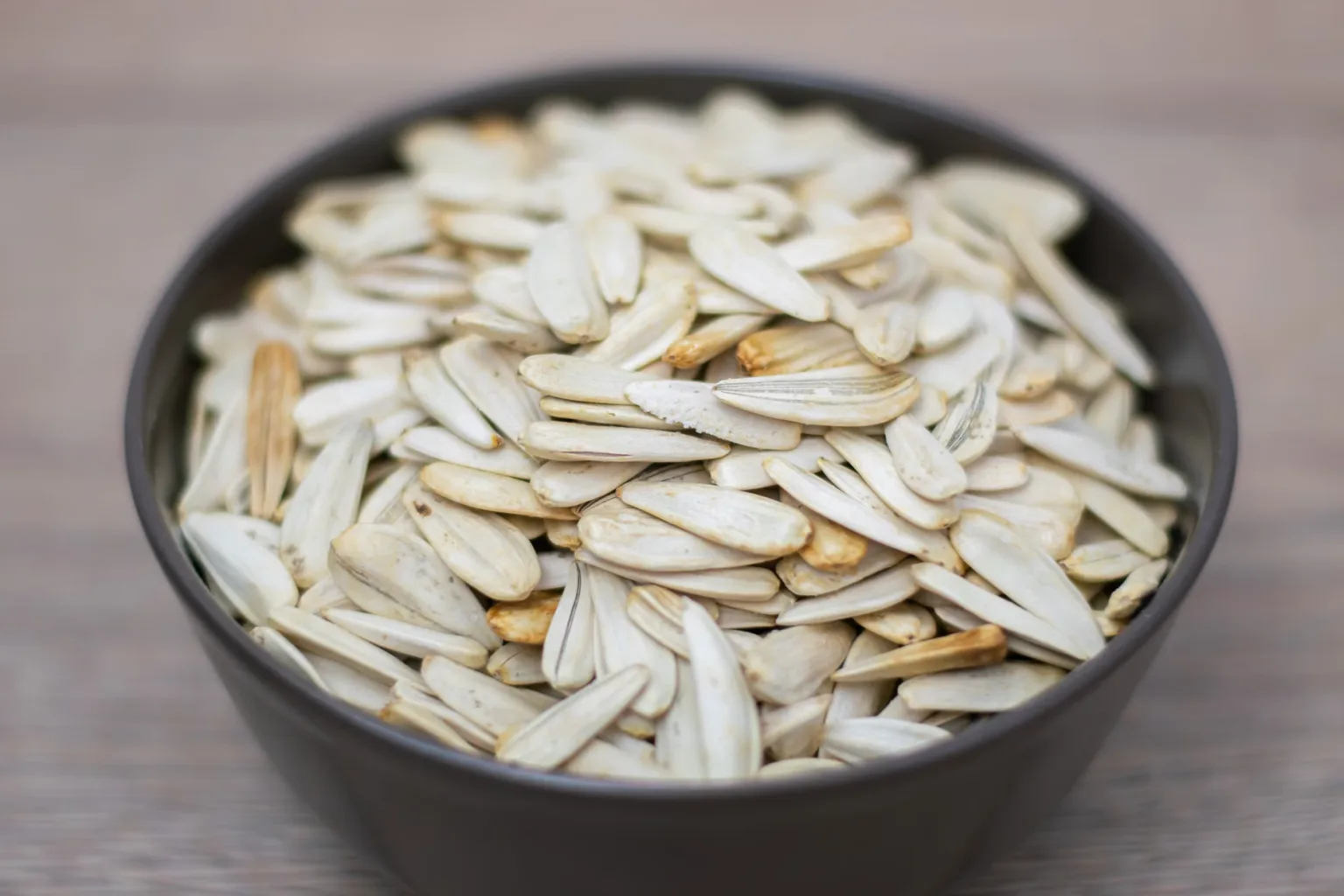
The request names the ingredient as “ehuru seeds,” but the source package does not confirm its botanical identity, commercial form, or culinary characteristics. One academic source has a title mentioning Monodora, but the supplied excerpt is unreadable and cannot establish whether it concerns ehuru or what it concludes. Sources about egusi and fenugreek describe different ingredients, so their information should not be attributed to ehuru. Accordingly, this profile does not assign the product a species, origin, flavor, texture, or usual form of sale. The classification retains the current category without presenting it as a verified botanical identification.
When to use it
The available evidence cannot establish which dishes, occasions, or quantities call for ehuru seeds. The supplied sources do not document a specific culinary use for this ingredient, and references to egusi, fenugreek, or other seeds do not show that their applications are interchangeable. Before adding it to a recipe, confirm what the product is by checking a clear label and, if needed, asking the supplier or consulting a specialist reference. If its identity remains uncertain, do not base a recipe or substitution on the name alone.
How to use it
The supplied sources do not support preparation instructions specific to ehuru seeds. They do not establish whether to grind, toast, add whole, cook for a particular length of time, or use them in particular dishes. Those techniques appear in information about other ingredients and should not be transferred to this product without verification. First confirm its identity and the form in which it is sold using a reliable label or specialist culinary reference. If you cannot identify it clearly, ask the supplier before cooking. No quantity, order of addition, or method can be presented here as verified advice for ehuru.
Flavour and texture
The supplied sources do not verifiably describe the flavor, aroma, or texture of ehuru seeds. It is therefore not possible to attribute sweet, bitter, spicy, resinous, or other notes associated with different ingredients. The sources also do not confirm whether a product sold under this name is whole, ground, or presented in another form. Descriptions of egusi and fenugreek apply to those ingredients and cannot serve as a sensory profile for ehuru. Check the specific product rather than inferring its characteristics from a name alone.
How to choose it
Look for a product with a legible label that clearly identifies its contents and, where possible, gives its form and supplier details. The supplied sources do not establish which trade names are equivalent to “ehuru” or what an authentic seed should look like. If the name or packaging description is ambiguous, ask the seller for clarification or consult a specialist reference. Do not rely only on visual resemblance, a local name, or information about other seeds to decide what you are buying.
Storage
The available evidence provides no storage instructions specific to ehuru seeds and does not confirm whether the product should be treated as fresh, dried, ground, or otherwise. Follow the label instructions for a product whose identity you have confirmed, and ask the supplier if instructions are missing. This profile gives no shelf life, temperature, container, or storage method because the supplied sources do not support those details. Do not extrapolate storage advice for egusi, fenugreek, or other seeds.
Substitutions
The supplied sources do not document a specific, reliable substitute for ehuru seeds. Information about fenugreek or egusi concerns different products and does not show that either can replace them. Before choosing an alternative, confirm the product’s identity and its function in the original recipe. Without those details, a substitution could change the result and cannot be recommended as equivalent. If the identity cannot be verified, ask the supplier or consult a specialist culinary source instead of improvising a replacement.
Common mistakes
A mistake would be to apply to ehuru the instructions, flavor, or uses that the sources describe for egusi, fenugreek, or other seeds. Avoid inferring its species, form of sale, or storage requirements from the name alone. The academic reference mentioning Monodora is not enough to confirm an equivalence because its supplied excerpt is unreadable. Verify the specific product before cooking, and distinguish information about other seeds from what is actually documented for ehuru.
Safety and allergens
The supplied sources include no official warning specific to this ingredient. As a general precaution, use only a product whose identity and label you can confirm, and follow its packaging instructions. If you cannot identify it confidently, do not consume it until you have reliable information from the supplier or a specialist source.
Culinary uses
- Ingrediente cuya función culinaria no queda establecida por la evidencia suministrada
- Producto pendiente de identificación fiable antes de asignarle un uso en una receta
Recommended techniques
- Comprobar la identidad y la forma del producto en una etiqueta fiable antes de cocinar
- Consultar al proveedor o una referencia culinaria especializada si la identificación no está clara
Pairs well with
- No se puede recomendar un maridaje específico con la evidencia disponible
- No trasladar a este ingrediente combinaciones descritas para otras semillas o especias
Frequently asked questions
What exactly are ehuru seeds?
The source package cannot confirm their botanical identity or safely describe the product. The academic source whose title mentions Monodora has an unreadable excerpt and does not establish an equivalence with ehuru.
How should ehuru seeds be prepared?
The available sources verify no preparation technique for this ingredient. Confirm the product’s identity before grinding, toasting, or adding it to a recipe.
What can I use instead?
No specific reliable substitute is documented. Egusi and fenugreek are treated as separate ingredients in the sources and should not be considered confirmed replacements.
Sources and review
Automatically researched, cross-checked and validated content. Sources consulted:
- ¿Por qué la muerte es origen de miedos y tabúes? doi.org
- Maridaje de sabores 101: cómo descubrir combinaciones perfectas - Aromatech aromatechgroup.com
- Qué es (y qué no es) la estadística, usos y abusos de una disciplina clave en la vida de los países y las personas | Estudios económicos doi.org
- Fenogreco o alholva | CreatiVegan.net creativegan.net
- gc-ms profiling of bioactive compounds in monodora ... repository.uniben.edu
- Drink Me and Abort Your Baby: The Herbal Abortion Tea academicworks.cuny.edu
- Historical Newspapers of South Carolina historicnewspapers.sc.edu
- THE ROYAL SANITARY INSTITUTE, storage.lib.uchicago.edu
- Sriøtlig od) flolitish toning, for ^nmskarw i Jamta collections.carli.illinois.edu
- - YouTube youtube.com
- Semillas comestibles - Wikipedia, la enciclopedia libre es.wikipedia.org
- semillas - Koken Kosmetics koken.es
- Egusi | www.cocinista.es cocinista.es
- Sabores y Texturas: Qué Son, Tipos y Ejemplos | Escuela de Turismo y Gastronomía de los Pirineos escuelaturismopirineos.com
- La Barraca Alimentación - La Casa del Sabor labarraca1912.es
- La Barraca Alimentación - La Casa del Sabor labarraca1912.es