- Category
- Herbs and spices
- State
- Dry
- Usual unit
- teaspoon
What it is
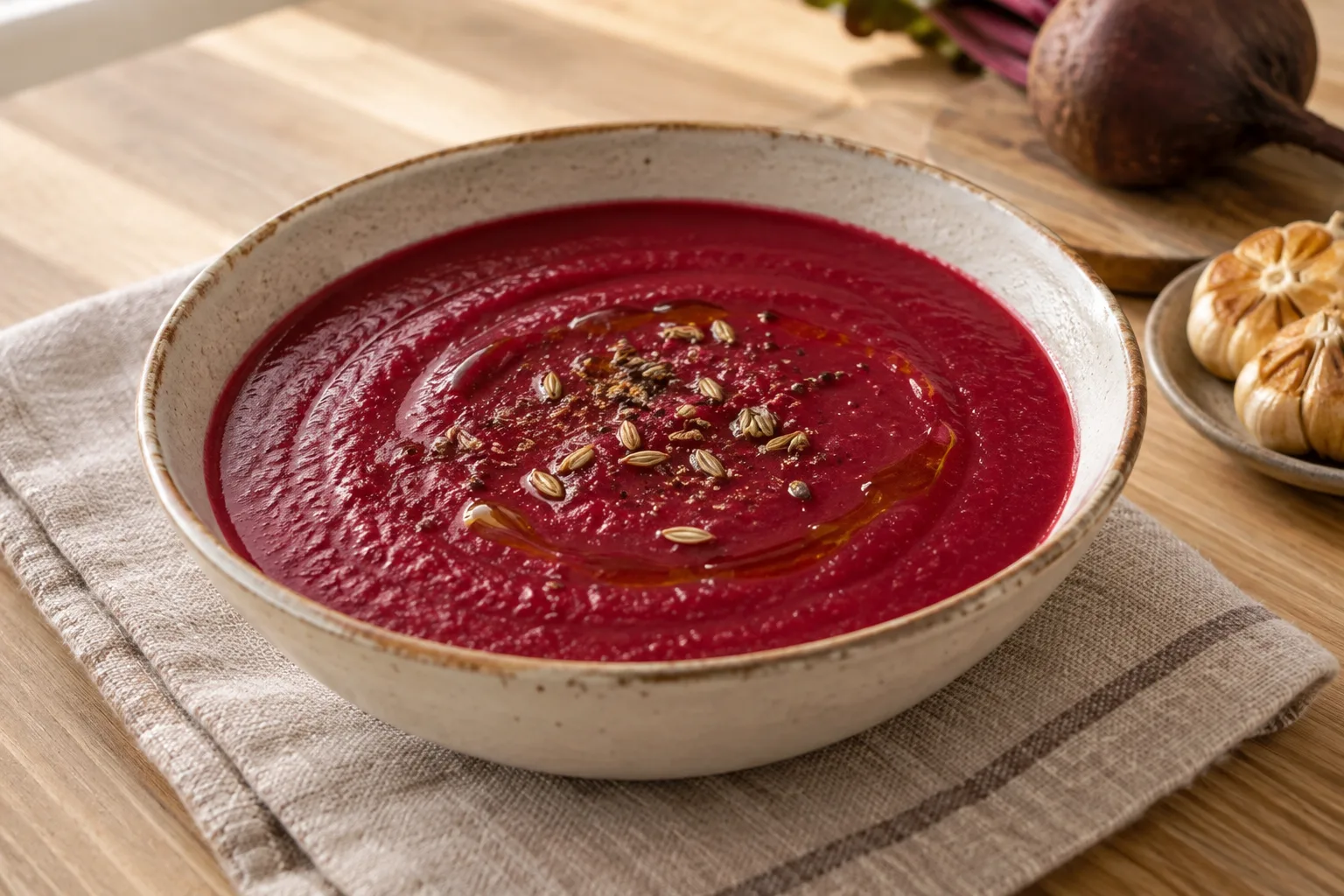
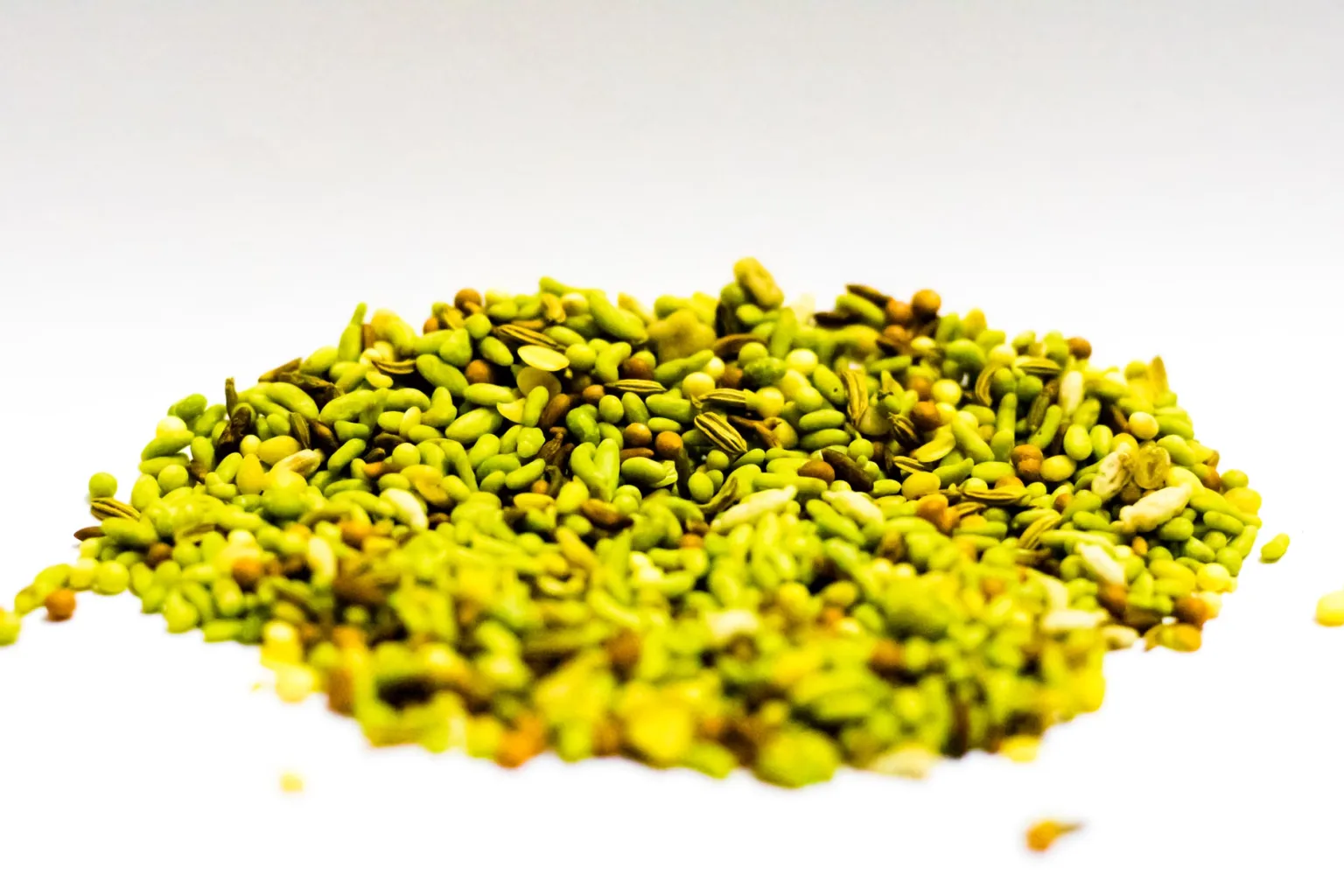
Fennel seeds are the culinary spice obtained from Foeniculum vulgare, a plant in the Apiaceae family. They are sold whole or ground and used in dried form. Although cooks call them seeds, the fennel fruit is botanically described as having two parts. They are not the same as the fresh fennel bulb, another part of the plant used as a vegetable. Their most recognizable culinary feature is an anise-like aroma. The exact flavor can vary between products, so start with a modest amount and taste as you go.
When to use it
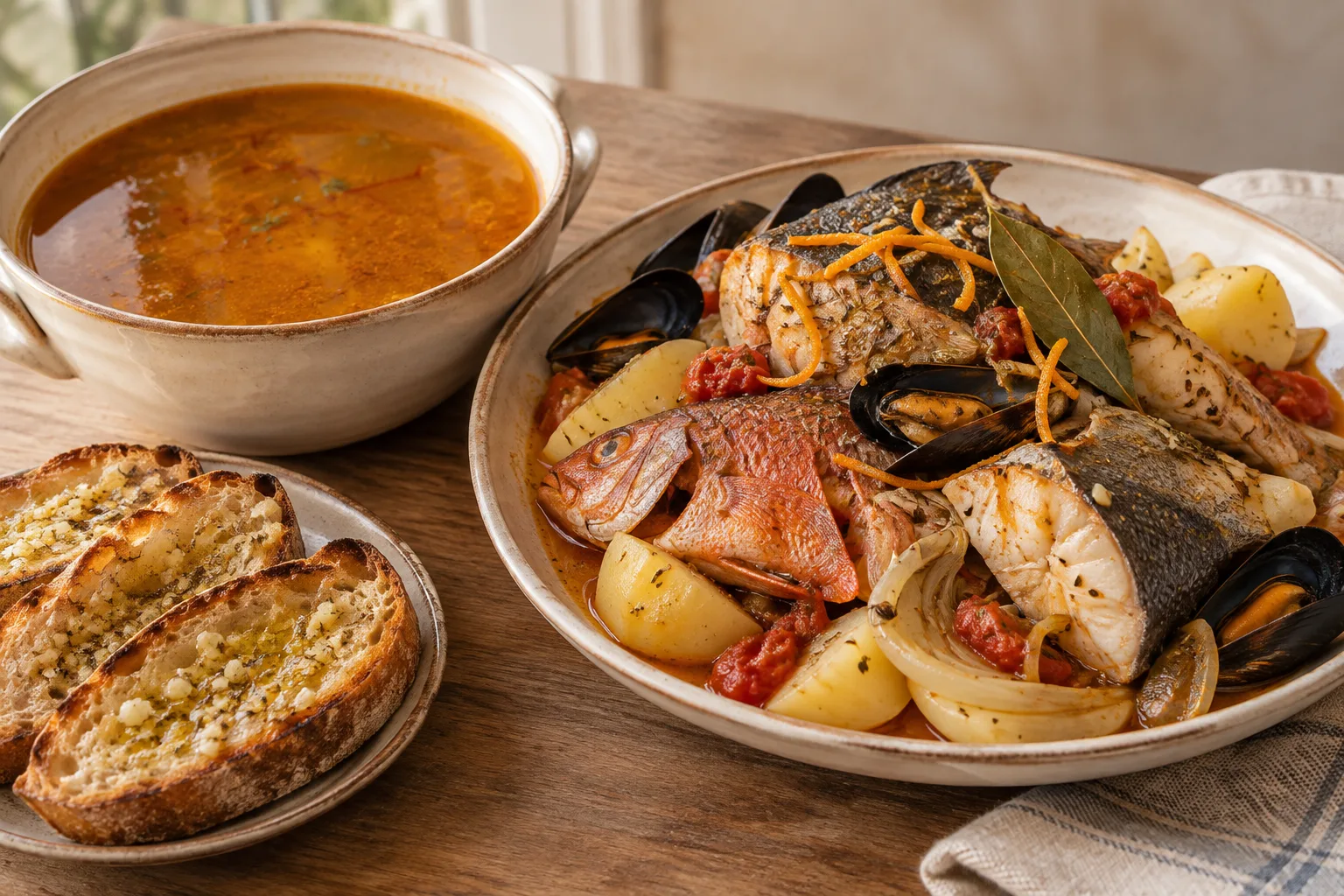
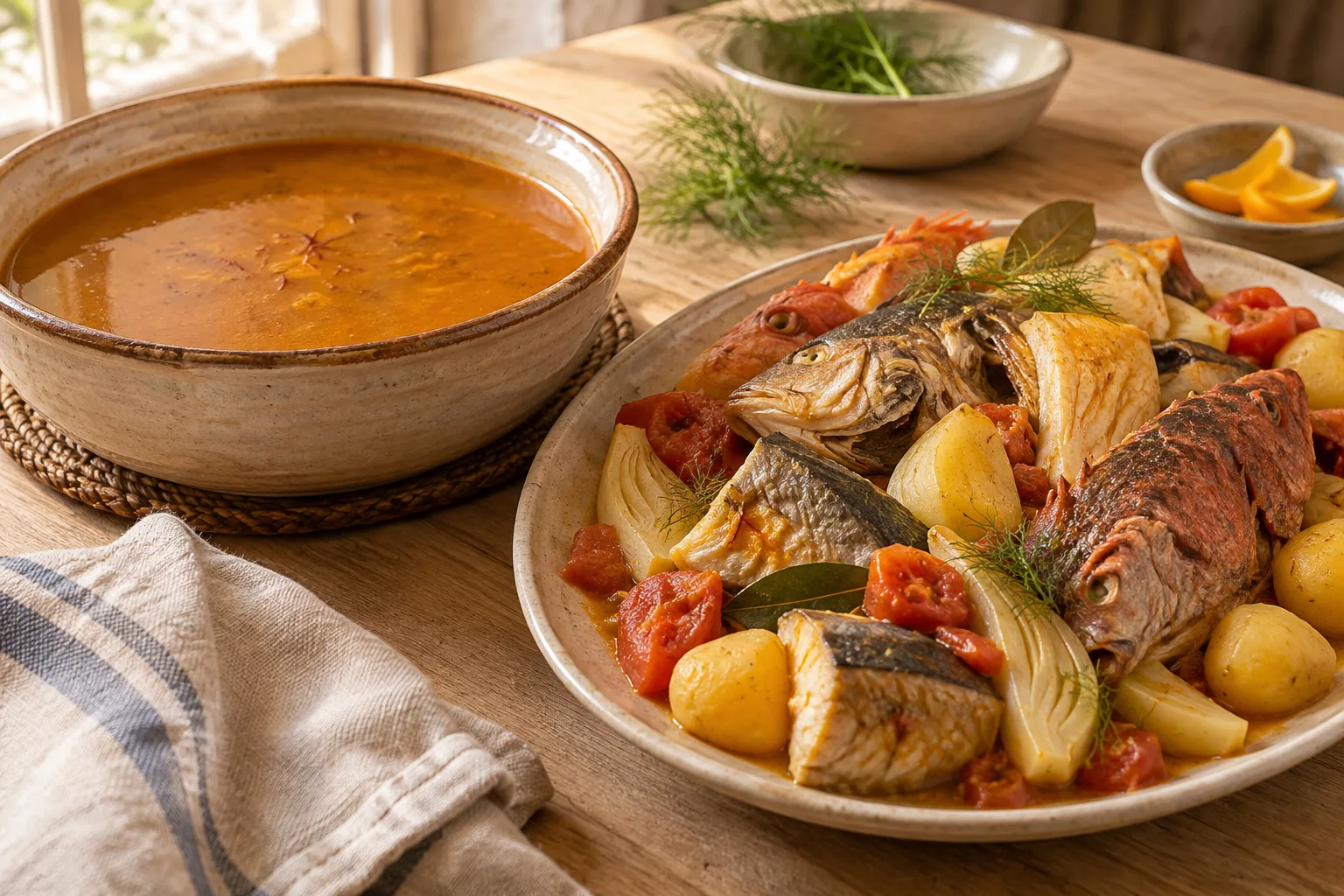
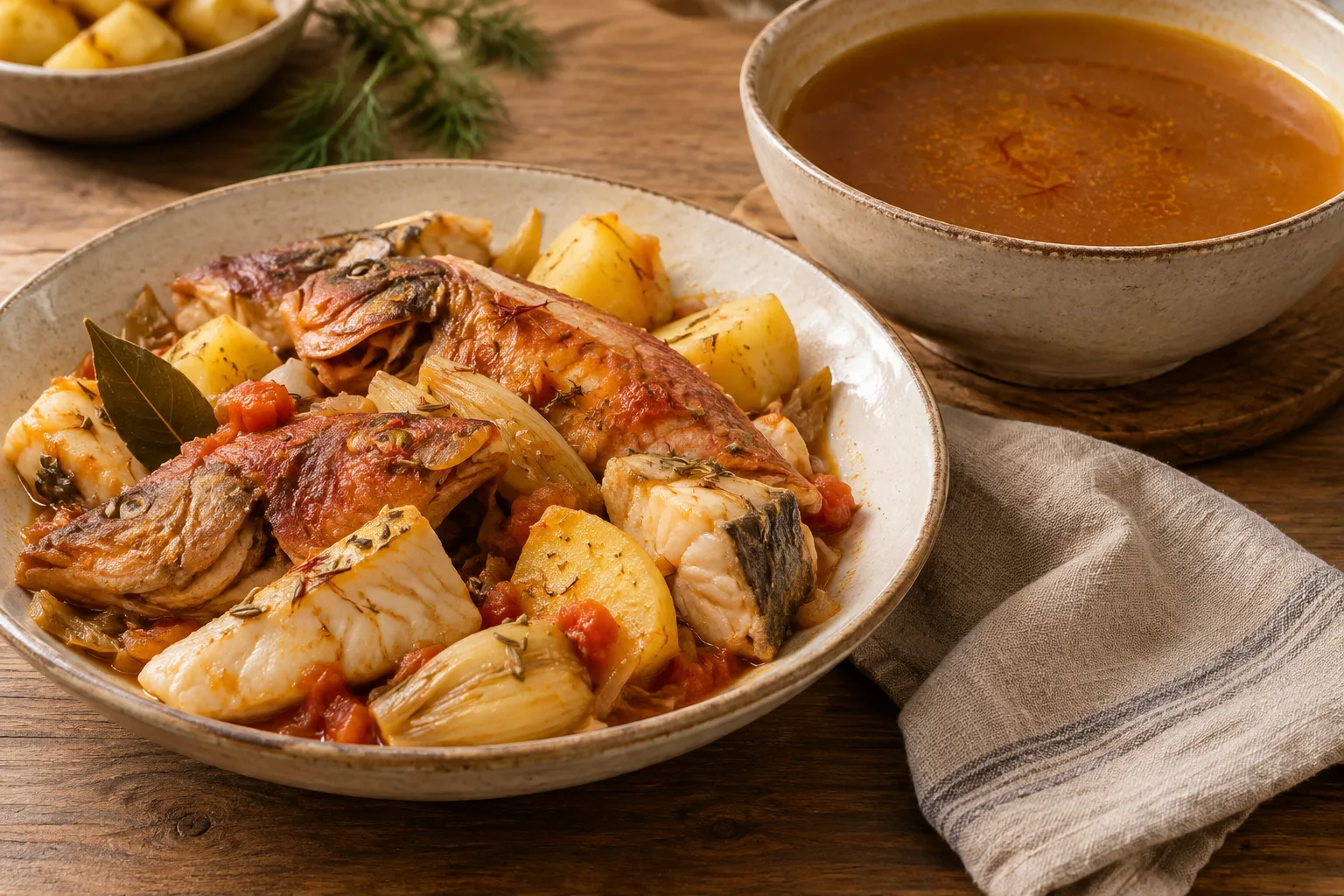
Use fennel seeds when you want to add an anise-like, gently spiced aroma without using fresh fennel bulb. They work in fish and vegetable dishes, stews, soups, sauces, pickles, bread and some sweet preparations. They can also be included in spice blends. They are useful when you want an aromatic note to carry through a dish; for a subtler result, start with a small amount, since fennel can readily become the dominant flavor.
How to use it
Add whole seeds to stews, soups, pickles or aromatic liquids, or mix them into bread and baking dough. For a more even distribution of flavor, grind or crush them before adding; crushing just before use helps release their aroma. You can also dry-toast them carefully and use them whole or ground, though toasting can change the flavor. Taste and adjust gradually: the anise-like aroma can easily dominate. Do not confuse the seeds with the bulb, which has a different culinary use.
Flavour and texture
Their aroma is anise-like, warm and spicy, with a noticeable aromatic sweetness. Whole seeds provide small crunchy bites; crushed or ground seeds spread their aroma more widely through a dish. The precise profile can vary among products and fennel types, so the intensity is not always exactly the same.
How to choose it
Fennel seeds are available whole or ground. Choose the form to suit the texture you want: whole seeds remain noticeable, while ground fennel blends in more easily. Check that the package clearly identifies the product, and read its label for ingredients, declared allergens and any use or storage instructions. Whole seeds let you crush or grind only what you need, which can help you control the intensity.
Storage
Keep dried seeds in a tightly closed container in a dry place, and follow the storage directions on the package. Avoid leaving them exposed to air or moisture, which can affect product quality. To keep a more distinct aroma, grind or crush only the amount you plan to use and keep the rest protected.
Substitutions
Anise can provide a similar aromatic profile, though it is not identical; add it gradually and adjust to taste. Caraway can work as an alternative in some blends or savory dishes, but its flavor is also different. Neither substitution exactly reproduces fennel’s character, so taste the dish before adding more.
Common mistakes
A common mistake is adding too many seeds at the start: their anise-like aroma can become the dominant flavor. Begin sparingly and adjust after tasting. It is also easy to confuse dried seeds with the fresh bulb; they are different parts of the plant and do not provide the same texture or culinary use.
Safety and allergens
Check the product label for ingredients, allergen information and use and storage directions. If it is sold in bulk or served in a prepared dish, ask for allergen information when needed.
Culinary uses
- Aromatizante anisado para platos salados y dulces
- Ingrediente para mezclas de especias, panes, salsas y encurtidos
Recommended techniques
- Añadir las semillas enteras o molidas
- Machacar ligeramente justo antes de usar para intensificar el aroma
- Tostar en seco con cuidado para realzar el aroma
Pairs well with
- Pescado y verduras
- Pan, salsas y encurtidos
- Comino, cilantro, canela y pimienta
Frequently asked questions
Are fennel seeds and the bulb the same thing?
No. Dried seeds are used as a spice; the fresh bulb is another part of the plant and is cooked as a vegetable.
Do fennel seeds need to be ground?
No. They can be used whole, crushed or ground. Choose the form that suits the texture and intensity you want.
What foods pair well with fennel seeds?
They are used with fish, vegetables, bread, sauces and pickles. They also appear in blends with spices such as cumin, coriander, cinnamon and pepper.
Estimated nutrition
- Fat
- 0 g
- Saturates
- 0 g
- Carbohydrate
- 0 g
- Sugars
- 0 g
- Protein
- 0 g
- Salt
- 0 g
Sources and review
Automatically researched, cross-checked and validated content. Sources consulted:
- En el etiquetado alimentario hay algunas menciones que son obligatorias eletiquetadocuentamucho.aesan.gob.es
- ¿Por qué la muerte es origen de miedos y tabúes? doi.org
- Foeniculum vulgare - Wikipedia, la enciclopedia libre es.wikipedia.org
- Hinojo ¿Qué es? Propiedades y usos en la cocina abc.es
- Quédate en casa y cocina: #LeCordonBleuAtHome (Steak de coliflor con especias) cordonbleu.edu
- Informe del Comité Científico de la ... aesan.gob.es
- Bulbos recién cosechados El hinojo, una verdura poco conocida mapa.gob.es
- (PDF) Almacenamiento de semillas academia.edu
- SEMILLAS SELECTAS – Tienda de ventas de semillas y productos de la Estación Experimental Agrícola (EEA) del Recinto Universitario de Mayagüez uprm.edu
- Collecting and Storing Seeds for Beginners | K-State | Kansas State University douglas.k-state.edu
- Cultivando vegetales de semillas | UC Master Gardener Program of Sonoma County sonomamg.ucanr.edu
- 1 PM 1893 April 2003 Iowa State University Horticulture Guide Home Gardening walworth.extension.wisc.edu
- Explora los secretos del hinojo en la Enciclopedia Cocinista cocinista.es
- Semillas de hinojo, crudas (¿orgánicas?) | Fundación G+E diet-health.info
- Hinojo: qué es, para qué sirve, beneficios y uso en la cocina bonviveur.com
- Semillas de Hinojo: Orígenes, Historia, Descripción, Uso ... antropocene.it