- Category
- Herbs and spices
- State
- Dry
- Usual unit
- teaspoon
What it is
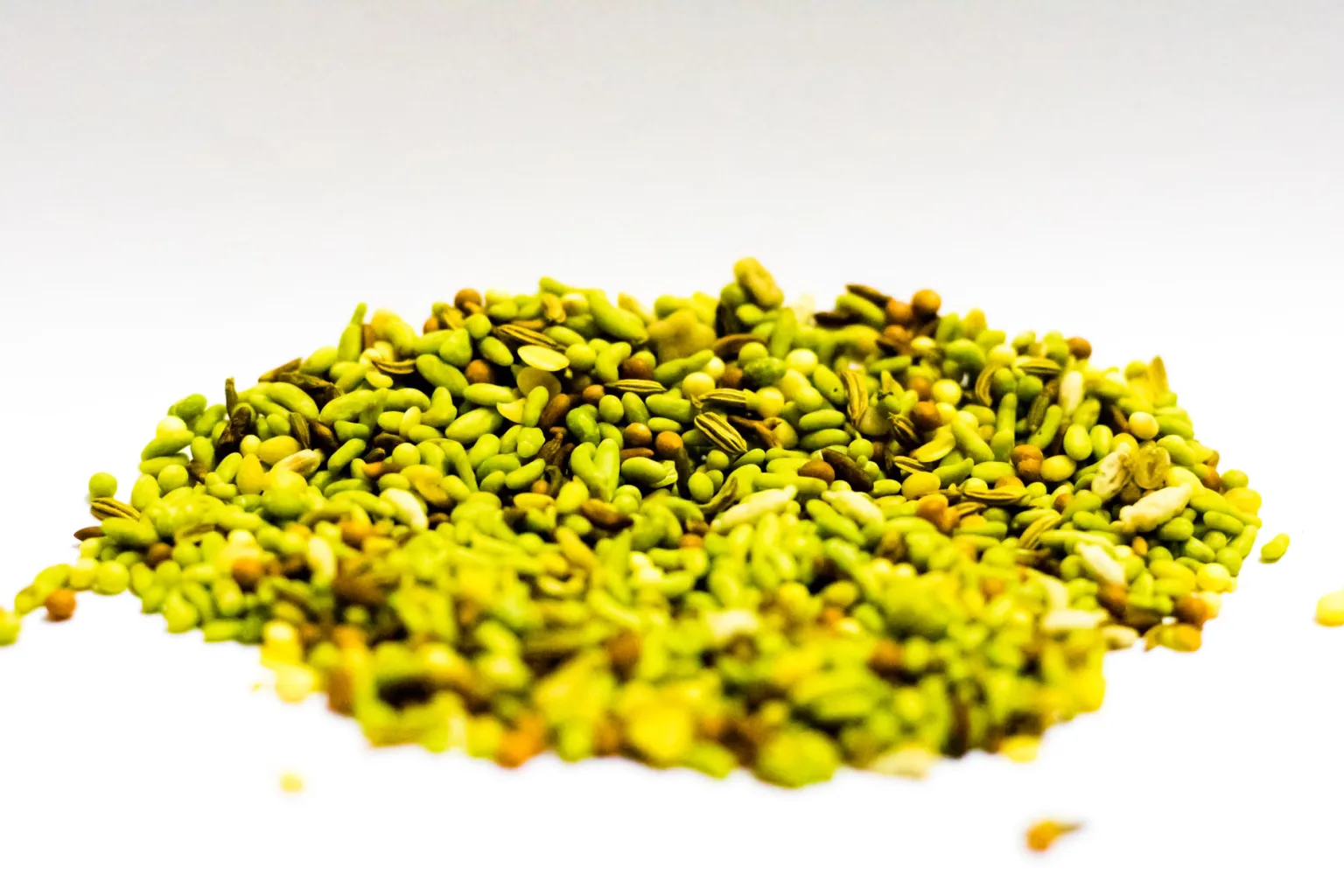
Fennel seeds are the dried aromatic seeds of Foeniculum vulgare, used as a spice. Their aroma is commonly described as anise-like, with fresh and slightly sweet notes; the profile can vary with variety and maturity. They are available whole or ground and can be added to savory recipes, baked goods and infused drinks. Despite the similar aromatic note, fennel is not the same ingredient as anise. This profile is about the seeds, not the plant's fresh bulb or leaves. Using the seeds whole gives a different, generally more gradual aromatic presence than crushing or grinding them shortly before use.
When to use it
Choose fennel seeds when you want a noticeable anise-like note in bread, biscuits, stews, soups, sauces or marinades. They also work in spice blends and herbal infusions. Whole seeds keep their shape in a dish, while crushing or grinding them shortly before use makes their aroma more pronounced. Because the flavor can become dominant, begin with a modest amount and adjust to the recipe and your preference. They can suit both savory and sweet preparations, so consider whether their distinctive aroma will complement the other ingredients.
How to use it
Add whole seeds to bread dough, biscuits, stews, soups, sauces or marinades, or crush them shortly before adding them when you want a more pronounced aroma. You can also grind them and combine them with other spices. For an infusion, crush or chop the seeds before adding them to the water, then strain the drink before serving. Preparation affects intensity: whole seeds tend to give a more gradual aromatic effect, while broken or ground seeds are more prominent. Start with a small amount, taste and adjust. When making an infusion, use seeds known to be safe as food and clean utensils.
Flavour and texture
The most distinctive feature is an anise-like aroma, with fresh and slightly sweet notes. The profile is not always identical: seeds can vary with variety and maturity, and some may have more pronounced spicy or woody nuances. Whole seeds remain visible and tend to give a more gradual aromatic presence; crushed or ground seeds produce a stronger flavor. Try a small amount before adding more to a recipe, especially when the other ingredients have delicate flavors.
How to choose it
Look for fennel seeds clearly identified as a food product, and choose whole or ground seeds according to how you plan to use them. Whole seeds let you decide whether to use them as they are or crush them shortly before cooking; ground seeds can be mixed in directly. The available evidence does not establish specific visual freshness or quality criteria. Check that the package is intact and follow the manufacturer's information. Do not confuse the seeds with fresh fennel bulb or leaves.
Storage
The available evidence does not establish a storage duration or specific storage conditions for fennel seeds. Follow the directions on the package and from the manufacturer, and keep the product according to its label. A precise shelf life or more detailed storage method cannot be supported by the evidence provided here. If you make an infusion, refrigerate any leftovers within two hours, following the food-safety guidance supplied for herbal infusions.
Substitutions
Anise seeds can be an approximate alternative when you want an anise-like note, but they do not reproduce fennel's flavor exactly. Caraway or cumin may fill a similar role in some savory blends, although each changes the dish's flavor. Add a substitute gradually and taste before adding more. The best choice depends on the recipe; these are practical alternatives, not exact equivalents.
Common mistakes
Adding a large amount at once can let fennel's anise-like flavor dominate the dish. Start modestly, taste and increase only if needed. Another mistake is assuming whole and ground seeds have the same intensity: crushing or grinding makes the aroma more pronounced. Do not treat fennel seeds as interchangeable with the plant's bulb or leaves; these are different parts used differently in cooking.
Safety and allergens
Use seeds identified as suitable for food and clean utensils. For an infusion, use only ingredients known to be safe to eat and refrigerate leftovers within two hours. The supplied evidence does not identify an additional specific safety warning for fennel seeds.
Culinary uses
- Especia aromática para platos salados y dulces
- Ingrediente para mezclas de especias e infusiones
Recommended techniques
- Usar las semillas enteras
- Machacar o moler poco antes de incorporarlas
- Tostar brevemente para intensificar el aroma
Pairs well with
- Anís, alcaravea, comino, cilantro, canela y pimienta
- Panes, guisos, sopas, pescados y marinados
Frequently asked questions
Should I use fennel seeds whole or ground?
Either is suitable. Use them whole for a more gradual aromatic presence, or crush or grind them shortly before cooking for a more pronounced flavor.
What do fennel seeds taste like?
They are mainly anise-like, with fresh and slightly sweet notes. The intensity and some nuances can vary.
Can fennel seeds be used in an infusion?
Yes. Crush or chop the seeds, steep them in the drink and strain before serving. Refrigerate any leftovers within two hours.
Estimated nutrition
- Fat
- 0 g
- Saturates
- 0 g
- Carbohydrate
- 0 g
- Sugars
- 0 g
- Protein
- 0 g
- Salt
- 0 g
Sources and review
Automatically researched, cross-checked and validated content. Sources consulted:
- Romanica Olomucensia : «¿Qué pinga es esto?». Usos disfemísticos en el español de Cuba doi.org
- Guía completa para aprovechar el hinojo | Recetas Nestlé recetasnestle.com.ar
- El hinojo y su uso como especia y en blends de té | Alveus alveus.eu
- Washington State Food Access English-Spanish Glossary wpcdn.web.wsu.edu
- Semillas de hinojo, crudas (¿orgánicas?) | Fundación G+E diet-health.info
- Hinojo: qué es, para qué sirve, beneficios y uso en la cocina bonviveur.com
- Vamos a Conservar Alimentos: El secado de las plantas medicinales y aromáticas extension.psu.edu
- Té de Hierbas del Jardín | Servicio de Extensión de OSU extension.oregonstate.edu
- Maqueta.qxp:Maqueta Comità CientÃfico Nâ« 2 aesan.gob.es
- "Native plant recovery in study plots after fennel (Foeniculum vulga" by Paula J. Power, Thomas Stanley et al. scholarsarchive.byu.edu
- Risotto de Cebada con Granada - MyLLU myllu.llu.edu
- Hinojo Semillas: Comparativa de Mejores Productos para Potenciar tu Café inucafe.es
