- Category
- Vegetables
- State
- Fresh
- Usual unit
- unit
What it is
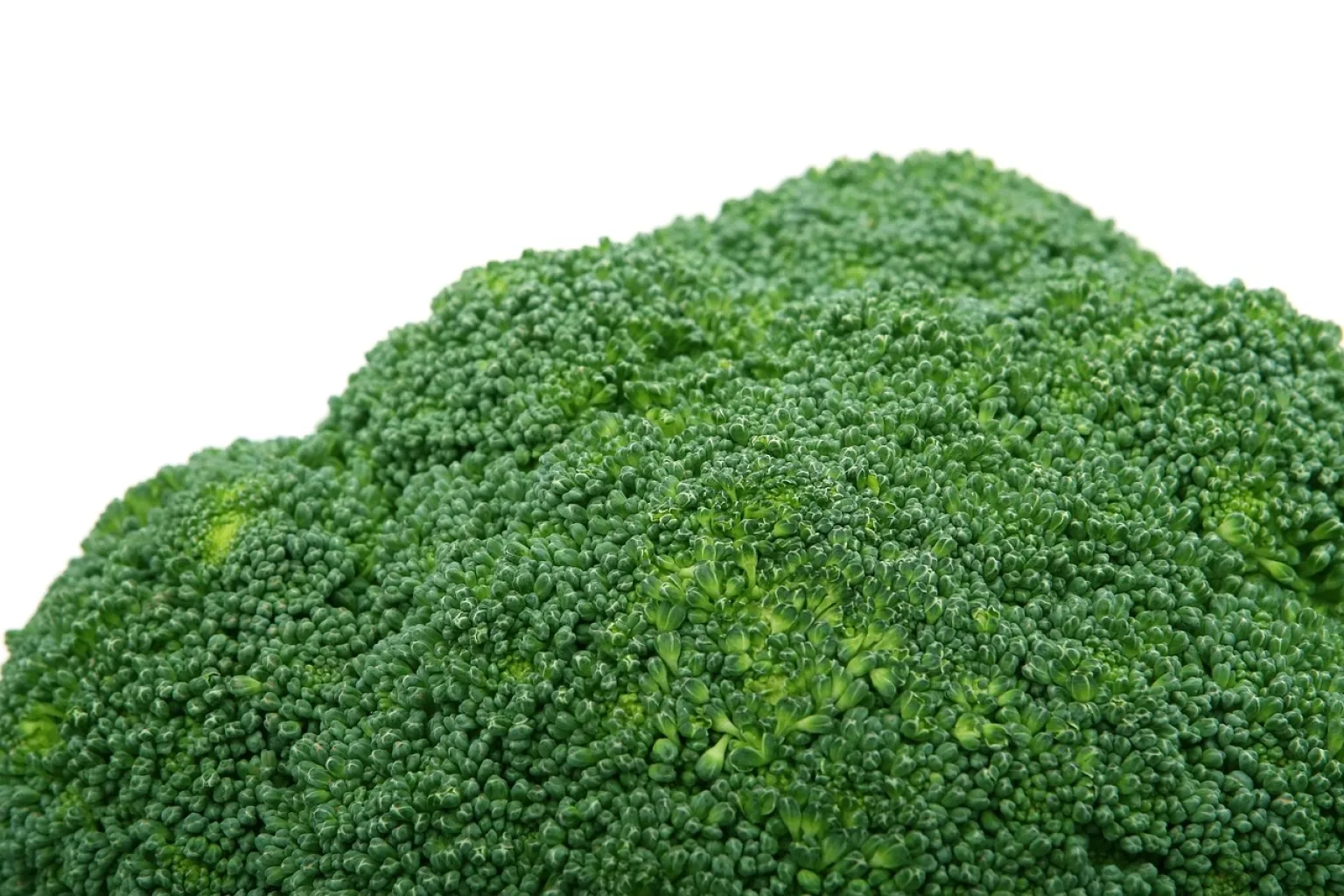
Fresh broccoli is a vegetable made up of clusters of compact flower buds arranged on branching stems. Both the florets and stems are commonly eaten; leaves can also be used when they are in good condition. Appearance varies by variety: green is typical, though some buds may have a purplish cast. Broccoli is related to cauliflower, but the two are not the same vegetable. In the kitchen, broccoli can be eaten raw or cooked. Its firm stems and florets make it useful in simple sides as well as in more substantial dishes.
When to use it
Use broccoli when you want a firm-textured vegetable for a salad, side dish, soup, or stir-fry. Small raw florets work on a vegetable platter; cooked broccoli can accompany eggs, rice, or meat, or be added to quiches and casseroles. Choose the cooking approach for the texture you want: brief cooking keeps it firmer, while longer cooking softens it. Check its condition before preparing it, and do not use pieces that are visibly spoiled.
How to use it
Rinse broccoli under running water just before preparing it, then cut the florets into similar-sized pieces so they cook evenly. Do not automatically discard the stem: peel or trim its outer layer if it seems tough, and cut the tender inside into pieces or sticks. Steam or boil it while checking the texture, and avoid cooking it longer than needed; it can also be stir-fried, microwaved, or grilled. For a salad or vegetable platter, serve small florets raw. Pair it with lemon, butter, eggs, or carrots, or add it to soups, omelets, and casseroles.
Flavour and texture
Raw broccoli is crisp; cooking softens the stems and florets, though they can retain some firmness when cooked just until tender. The buds are usually compact, and the stem may feel firmer than the florets. Its flavor is described as vegetal with slight sweet and bitter notes. Strength of flavor and texture vary with the variety and preparation.
How to choose it
Look for compact clusters of small, dark-green buds; a purplish or bluish cast can be normal. The stem should feel firm. Avoid wilted, soft, or slippery heads, as well as buds that are open or yellowish and stems that look dry or damaged. A modest color difference between varieties does not by itself mean the broccoli is spoiled; consider firmness and overall condition too.
Storage
Refrigerate fresh broccoli after purchase, preferably in a plastic bag in the crisper drawer. Leave it unwashed until just before preparation. Do not treat a fixed storage period as a guarantee of freshness or safety: the broccoli’s condition when purchased and actual refrigeration conditions can vary. If it is packaged, follow the storage instructions on the label; discard pieces that show clear signs of spoilage.
Substitutions
Cauliflower, which is related to broccoli, can work in dishes that suit a vegetable with compact florets. Broccolini is another option for recipes that can use elongated stems and florets, though it is not identical to broccoli. These substitutions change the shape and texture of a dish, so adjust the cut and check for doneness as you cook.
Common mistakes
Cutting the stems much thicker than the florets can make the different parts cook unevenly. It is also easy to discard the stem unnecessarily or cook broccoli longer than intended, losing its firm texture. Wash it just before use, not well before storing it, and do not mistake natural color variation for enough evidence to decide whether it is safe.
Safety and allergens
Rinse broccoli under running water before cutting it, and use clean utensils and work surfaces. Keep it refrigerated and follow package storage directions when provided. Appearance and smell alone are not enough to establish whether food is safe; if you are unsure about how it has been stored, do not eat it.
Culinary uses
- verdura para guarniciones y platos principales
- ingrediente para ensaladas, sopas y guisos
Recommended techniques
- crudo
- al vapor
- hervido
- salteado
- a la parrilla
Pairs well with
- limón y mantequilla
- huevos y tortillas
- zanahoria y cebolla
- arroz y carne
Frequently asked questions
Can you eat the broccoli stem?
Yes. The stem is edible. If its outer layer seems fibrous, peel it and cut the tender inside into sticks or pieces for cooking.
Can broccoli be eaten raw?
Yes. Rinse it just before preparation, separate small florets, and serve them in salads or with other raw vegetables.
How can I keep broccoli from becoming too soft?
Cut the pieces to a similar size and check the texture as it cooks. Remove it when tender if you want it to retain some firmness.
How should I store fresh broccoli?
Keep it refrigerated, unwashed, in a bag in the crisper drawer. Rinse it under running water just before cooking.
Estimated nutrition
- Fat
- 0.35 g
- Saturates
- 0.05 g
- Carbohydrate
- 5.06 g
- Sugars
- 1.48 g
- Fibre
- 2.3 g
- Protein
- 2.98 g
- Salt
- 0.07 g
Sources and review
Automatically researched, cross-checked and validated content. Sources consulted:
- En el etiquetado alimentario hay algunas menciones que son obligatorias eletiquetadocuentamucho.aesan.gob.es
- Aesan - Agencia Española de Seguridad Alimentaria y Nutrición aesan.gob.es
- Client Challenge doi.org
- Origen y usos del brócoli vegetables.bayer.com
- Brassica oleracea var. italica - Wikipedia, la enciclopedia libre es.wikipedia.org
- Brócoli: propiedades y usos culinarios - Ingredientes Culinarios cocinaycome.com
- Características del brócoli – Botanical-online botanical-online.com
- Broccoli | Cooperative Extension Service uaf.edu
- Preserve Smart apps.chhs.colostate.edu
- Using & Storing Broccoli | Home & Garden Information Center hgic.clemson.edu
- OU S D CO BRÓCOLI * El brócoli es una de las mejores fuentes vegetales wpcdn.web.wsu.edu
- Brócoli beneficios, cultivo y valor nutricional esencial flores.ninja
- El poder de... El brócoli - El Poder del Consumidor elpoderdelconsumidor.org