- Category
- Herbs and spices
- State
- Fresh
- Usual unit
- tablespoon
What it is
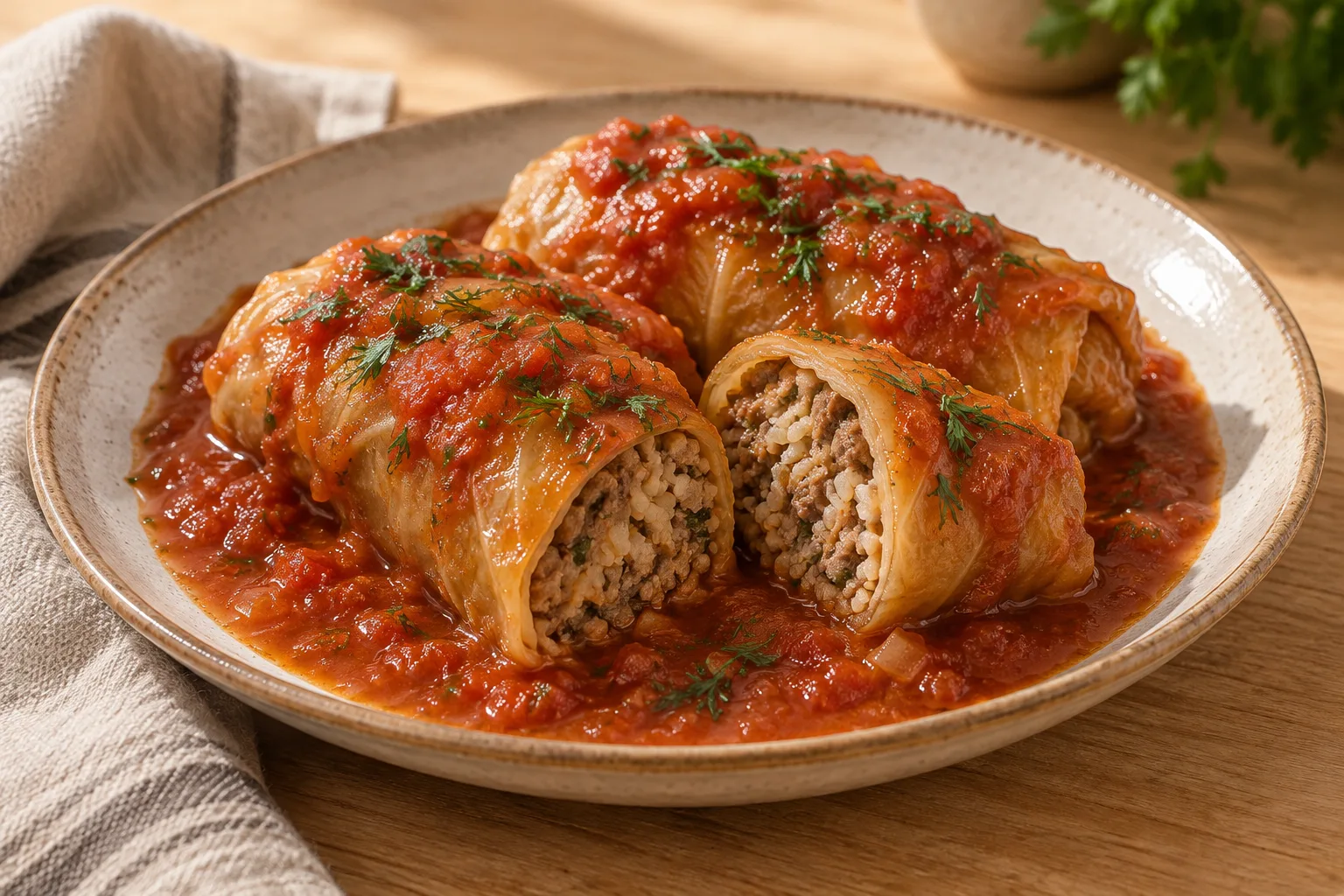
This profile covers two distinct choices, fresh parsley or fresh dill; it does not mean they must be used together. Both are aromatic herbs whose leaves season or finish dishes. Parsley is used broadly with fish, stews and sauces. Dill is known for a lightly anise-like note and is often paired with fish, salads and cucumber preparations. They can sometimes fill a similar role as fresh herbs, but their flavors are not the same, so swapping one for the other changes the result. This profile concerns fresh leaves, not dill seeds or dried versions of either herb.
When to use it
Choose fresh parsley or dill when a dish would benefit from herbal aroma or a green finish. Parsley suits fish, stews, sauces and many other savory dishes. Dill is especially at home with fish, salads and sauces, and its anise-like note can add contrast to mild-tasting foods. These fresh herbs are often most noticeable when used raw or stirred in near the end, rather than exposed to prolonged cooking. Choose between them according to the flavor you want; they are alternatives in some uses, not identical ingredients.
How to use it
Remove leaves that are limp, yellowed or brown-spotted, rinse the herb under running water, and dry it carefully before chopping. Finely chop the leaves and mix them into salads, sauces or dressings; alternatively, scatter them over potatoes, eggs, sandwiches or a finished dish. For soup or stew, add the herb toward the end of cooking or at serving so its fresh aroma remains noticeable. Chopped parsley gives savory dishes a versatile herbal finish, while dill works particularly well with fish and creamy sauces. Start with a little and adjust to taste: switching between the two herbs changes the aromatic profile.
Flavour and texture
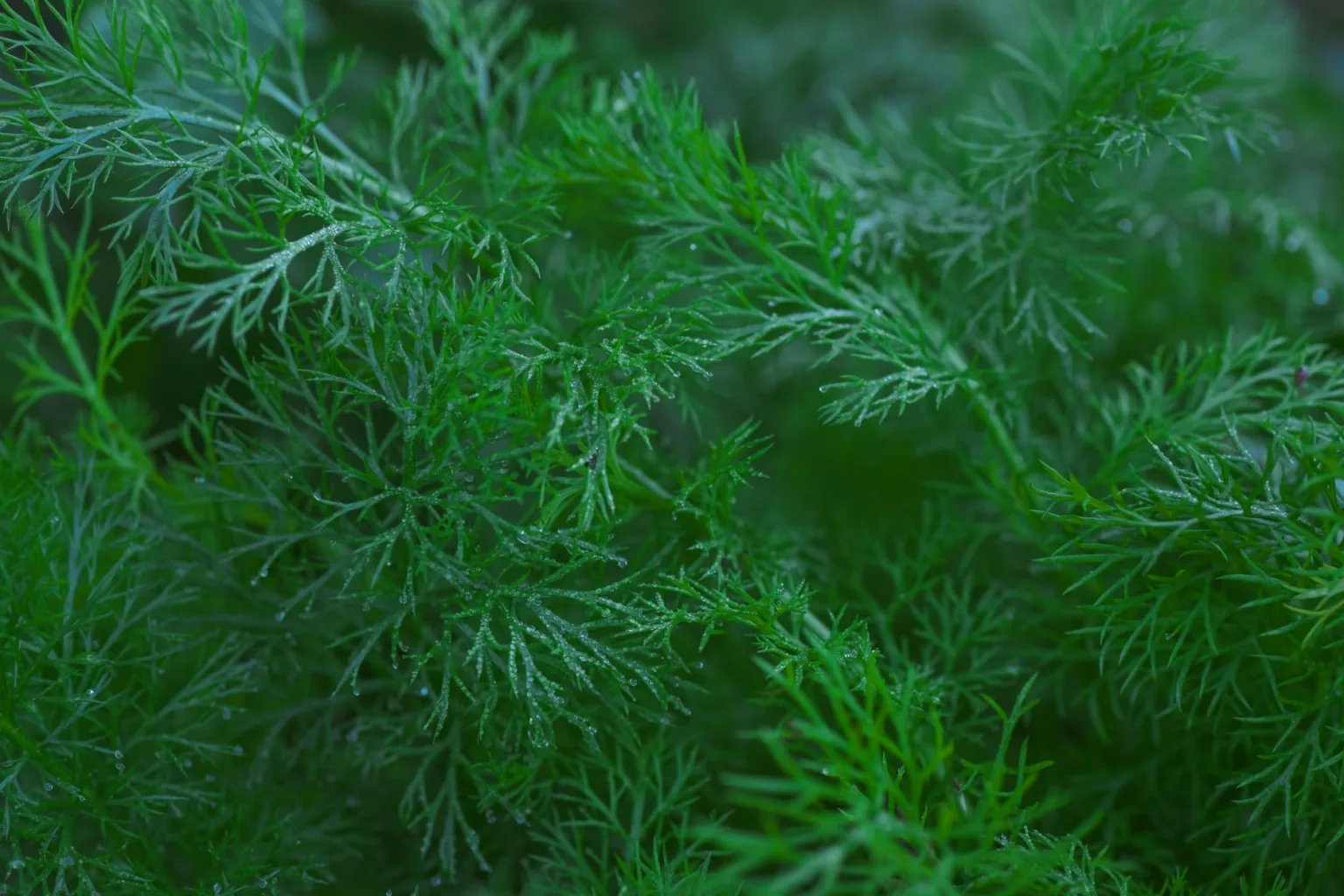
Parsley has an herbal aroma that works across many savory dishes, and its leaves add a green finish when chopped or sprinkled on top. Fresh dill is fragrant and delicate, with a lightly anise-like note. For both herbs, the fresh form gives a different impression from the dried form. Flavor varies with the product and the dish, so taste and adjust as you cook. Although parsley and dill can have similar jobs in some recipes, they do not taste alike.
How to choose it
Choose bunches with bright-colored leaves that are neither limp nor drooping and show no yellowing or brown spots. A clear, recognizable aroma is a useful sign when selecting fresh herbs. Check that the leaves look clean and in good condition, and buy an amount you can use while it still looks fresh. Parsley and dill differ in flavor: choose dill when a recipe relies on its anise-like note, and parsley when you want parsley’s own herbal profile.
Storage
For short-term storage, wrap the cut stems of fresh parsley or dill in a damp paper towel, place the herb in a plastic bag and refrigerate it. Fresh herbs can also be refrigerated in a covered container with a little water when you plan to use them soon. Check the bunch and remove leaves that have deteriorated. Fresh herbs lose quality over time, so do not assume their aroma will last indefinitely. If frozen for longer storage, the thawed leaves may become limp and are better suited to cooked dishes.
Substitutions
You can swap parsley for dill, or dill for parsley, when the herb is mainly a fresh finish, but expect a flavor change: dill has a more noticeable anise-like note, while parsley has its own herbal profile. Another option is to use the dried form of the same herb. As a practical equivalence, one tablespoon of finely chopped fresh herb corresponds to one teaspoon of dried herb; taste and adjust because fresh and dried forms do not have identical aromas.
Common mistakes
Do not treat parsley and dill as the same herb: substituting one for the other changes a dish’s flavor. Avoid bunches with limp, yellowed or brown-spotted leaves, and do not skip rinsing fresh herbs. Chopping the leaves and cooking them for a long time can make their fresh aroma less noticeable; for a brighter finish, add them near the end or serve them raw.
Safety and allergens
Before chopping, rinse the leaves under running water and use clean utensils and surfaces. Remove deteriorated leaves. This is a general fresh-produce preparation precaution; the available evidence does not identify a parsley- or dill-specific safety warning.
Culinary uses
- fresh aromatic seasoning
- finishing herb
- salad and sauce ingredient
Recommended techniques
- chop finely
- stir into dishes near the end of cooking
- use raw as a garnish or in a sauce
Pairs well with
- fish, especially salmon with dill
- soups and stews
- salads and sauces
- garlic with parsley
Frequently asked questions
Can I substitute dill for parsley?
In some dishes that call for a fresh herb, yes, but the flavor will change: dill has a lightly anise-like note and does not taste the same as parsley.
When should I add the herb to soup?
Add it near the end of cooking or at serving so its fresh aroma remains noticeable.
How should I store fresh parsley or dill?
Wrap the cut stems in a damp paper towel, put the herb in a bag and refrigerate it; check its condition before use.
Estimated nutrition
- Fat
- 0.3 g
- Saturates
- 0.08 g
- Carbohydrate
- 2.41 g
- Sugars
- 1.07 g
- Fibre
- 1 g
- Protein
- 0.5 g
- Salt
- 2.02 g
Sources and review
Automatically researched, cross-checked and validated content. Sources consulted:
- Client Challenge doi.org
- The Essential Glossary of Cooking Terms for the Culinary Arts - Escoffier escoffier.edu
- Eneldo: propiedades, beneficios y usos en cocina de una hierba que sirve más que para aderezar salmón directoalpaladar.com
- El eneldo: planta aromática y protagonista en la cocina - Plantamus blog.plantamus.com
- Eneldo. ¿Qué es? Propiedades y usos en la cocina abc.es
- FSHN13-03s/FS264: De compras para la salud: Las hierbas y las especias ask.ifas.ufl.edu
- CULTIVO DEL PEREJIL Y DE LA HIERBABUENA mapa.gob.es
- Sopa de Zanahoria Favorita | Servicio de Extensión de OSU extension.oregonstate.edu
- Veggie Prep - perejil web.uri.edu
- ¿Qué son los puerros? pediatrics.columbia.edu
- Ensalada de Quinua y Verduras - myLLU myllu.llu.edu
- Fresh Herbs | UNL Food | Nebraska food.unl.edu
- ¿Sabía qué? Nutrientes poderosos 2−9 % ... wpcdn.web.wsu.edu
- Perejil: propiedades, beneficios y usos en la cocina bonviveur.com