- Category
- Fruit
- State
- Fresh
- Usual unit
- g
What it is
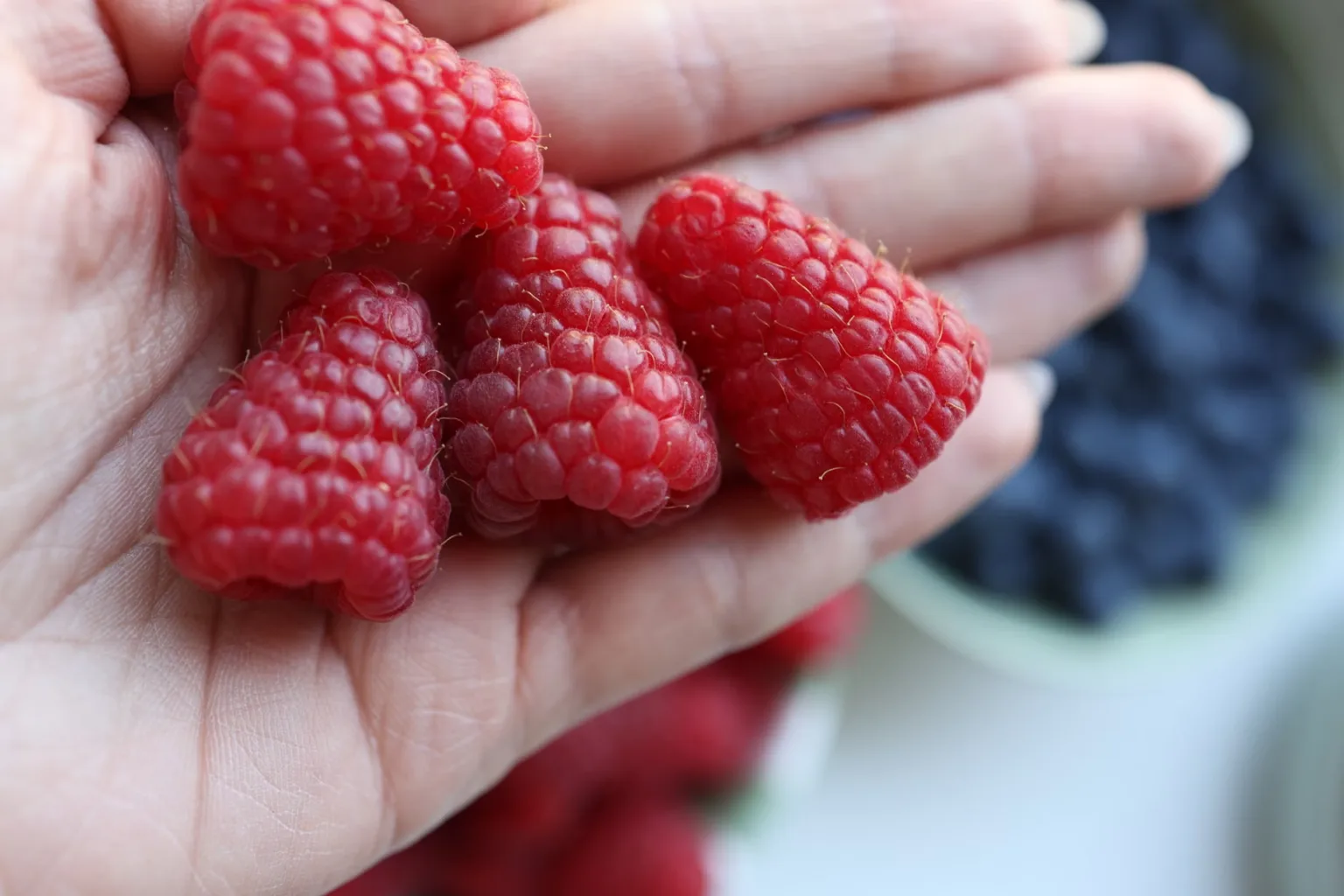
A raspberry is the edible fruit of the raspberry plant, in the Rubus genus and the rose family, Rosaceae. Each fruit is made up of many small drupelets grouped together, with a tiny seed in each one. Market raspberries are often red, but varieties in other colors also exist. They are fragrant, fragile, and sweet-tart in flavor. This profile refers to fresh raspberries, rather than frozen, canned, or otherwise processed forms. Their shape and color vary by variety, so ripe raspberries do not all have to look exactly alike.
When to use it
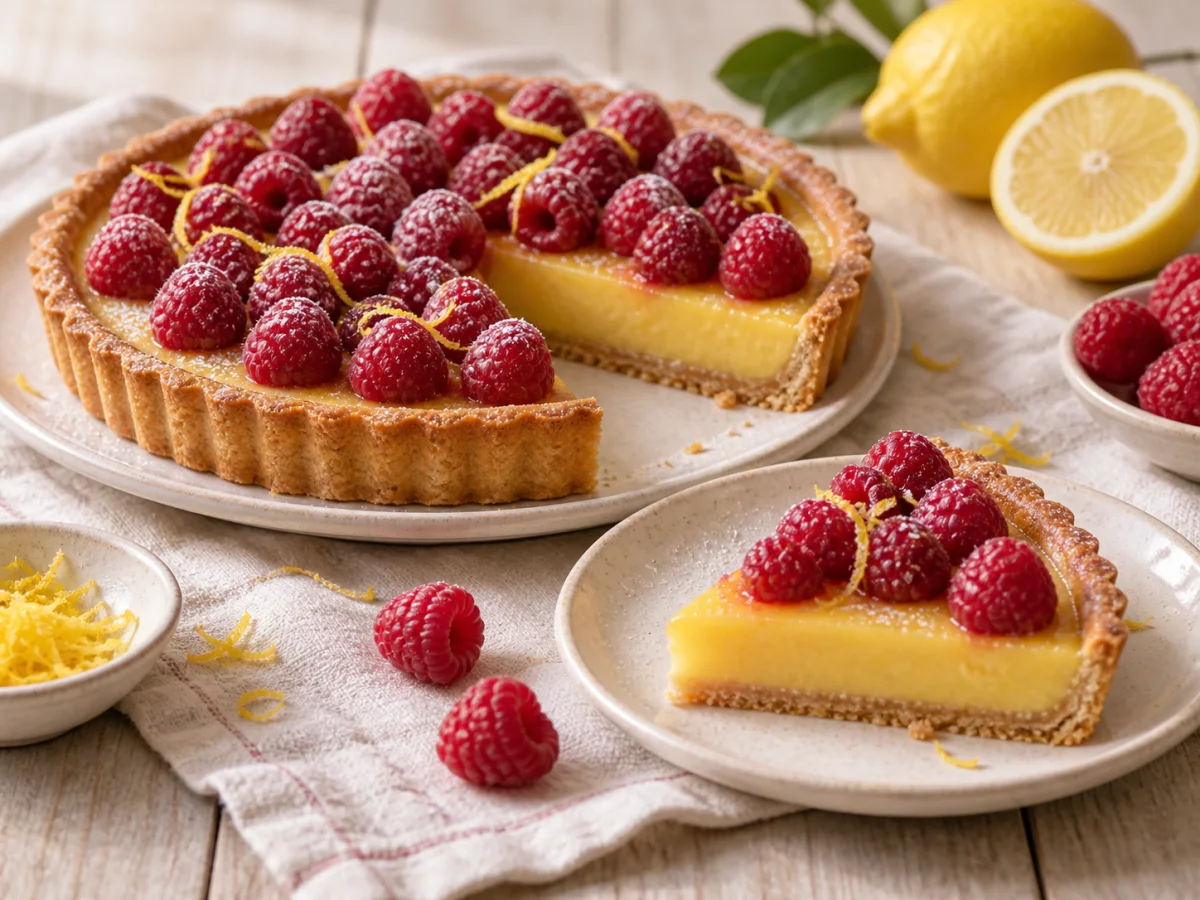
Choose fresh raspberries when you want a fragrant, fruity, slightly tart accent without cooking: serve them as fruit, with yogurt or oats, or use them to finish a dessert. They also work in cakes, ice cream, smoothies, and drinks. In savory dishes, they can add a fruity contrast to salads or a vinaigrette. Their delicate texture makes them especially suitable for adding at the end or serving whole when you want to preserve their shape. They can also be cooked for preparations such as compote or jam.
How to use it
Remove any spoiled fruit carefully and handle the rest as little as possible to avoid crushing it. If the berries are dirty, rinse them gently just before eating and do not leave them to soak: moisture can soften such delicate fruit. Serve them whole with yogurt, oats, or ice cream, or scatter them over cakes and other desserts. For a sauce or drink, crush or purée them; for a smoother texture, pass the purée through a sieve. They can also be cooked into compotes, jellies, or jams. Fold them gently into batters and mixtures to help them keep their shape.
Flavour and texture
Raspberries have a pronounced aroma and a flavor that combines sweet and tart notes. Their flesh is juicy and soft, while the small drupelets that make up the fruit give it a delicate, noticeable texture. The balance of sweetness and tartness can vary among varieties and individual berries. Their fragile structure means they crush easily and may lose their shape with rough handling. Puréed or cooked, they become more uniform in texture and their flavor can blend into sauces, drinks, and sweet preparations.
How to choose it
Look for fruit in good condition, firm for such a delicate berry, and without visible mold or signs of deterioration. Avoid berries that look shriveled or crushed, or packaging with accumulated moisture. Because raspberries spoil easily and are sensitive to handling, inspect the container without squeezing the fruit and carry it carefully. Color depends on variety: red is common, but raspberries also come in other colors, so color alone is not a reliable measure of quality.
Storage
Keep fresh raspberries refrigerated and handle them gently. They are highly perishable; the available references indicate that they may remain in good condition for around two to three days, though the fruit's condition when purchased matters. Check for deteriorating berries and remove them from the container. If you will not use them soon, they can be frozen for longer storage. If they need rinsing, do so gently just before serving, since moisture can soften them.
Substitutions
If fresh raspberries are unavailable, frozen raspberries can work when the preparation allows frozen fruit; their texture after thawing may differ and they may not keep the shape of fresh berries. Strawberries or blueberries can fill a similar fresh-fruit role in some recipes, but they will change the flavor, aroma, and texture. Choose according to the use: a garnish or whole-fruit serving benefits from berries that hold their shape, while appearance matters less in a sauce or smoothie.
Common mistakes
Do not squeeze raspberries when choosing, transporting, or mixing them: they are fragile and crush easily. Avoid washing them long before use or soaking them, as they can soften; if they need rinsing, do so gently just before eating. Do not assume every variety should have the same color, or that shriveled fruit is still in good condition. Remove fruit showing deterioration and avoid storing the berries longer than necessary.
Safety and allergens
Raspberries, like other fresh fruits, can cause an allergic reaction in some people. If you have a known raspberry allergy or develop symptoms after eating them, avoid them and seek advice from a healthcare professional. Check the container and discard fruit with visible mold or deterioration. If the berries are dirty, rinse them gently just before eating.
Culinary uses
- Fruta fresca para consumir sola o añadir a platos
- Ingrediente aromático para postres, salsas y bebidas
Recommended techniques
- Servir fresca y entera
- Triturar o hacer puré para salsas y preparaciones de fruta
- Cocinar para preparar compotas, jaleas o mermeladas
Pairs well with
- Yogur
- Avena y gachas
- Chocolate
- Ensaladas y vinagretas
Frequently asked questions
Should raspberries be washed before eating?
If they are dirty, rinse them gently just before eating. Avoid soaking them or washing them well in advance: they are delicate and may soften.
How long do fresh raspberries keep?
They are highly perishable. The available references indicate that they may keep in good condition in the refrigerator for around two to three days; the fruit's condition can affect this.
Can raspberries be frozen?
Yes. Freezing is an option for keeping them longer. Bear in mind that their texture may not be the same as that of fresh raspberries when used.
Are all raspberries red?
No. Red is common, but varieties in other colors also exist. Color can vary by variety.
Estimated nutrition
- Fat
- 0.65 g
- Saturates
- 0.02 g
- Carbohydrate
- 11.9 g
- Sugars
- 4.42 g
- Fibre
- 6.5 g
- Protein
- 1.2 g
- Salt
- 0 g
Sources and review
Automatically researched, cross-checked and validated content. Sources consulted:
- En el etiquetado alimentario hay algunas menciones que son obligatorias eletiquetadocuentamucho.aesan.gob.es
- Client Challenge doi.org
- Aesan - Agencia Española de Seguridad Alimentaria y Nutrición aesan.gob.es
- Frambuesa: usos en la cocina y propiedades - Cocina y Come cocinaycome.com
- Las frambuesas | Naturarla | Arla naturarla.es
- Frambuesa: origen, temporada, propiedades y beneficios. frutamerca.com
- Frambuesa | Trucos de cocina | Frutas | EROSKI CONSUMER frutas.consumer.es
- Frambuesa: Beneficios, Variedades y Usos Gastronómicos Clave flores.ninja
- Frambuesa - Información general frutas-hortalizas.com
- ¿Qué es la frambuesa? ¿Qué tipo de frutas es la frambuesa? arandanoselcierron.com
- Frambuesas de temporada, una fruta de verano tan fresca como versátil: qué es, cómo prepararla y seis recetas para aprovecharla directoalpaladar.com
- Compra Frambuesas Km 0 de Lleida — Dulces, Frescas y Listas para Postres, Ensaladas y Snacks - Km0 km0andanifruits.com
- Gastronomía de Argentina - Wikipedia, la enciclopedia libre es.wikipedia.org
- TALLER DE PANIFICACION CON MASA MADRE – La Obrería laobreria.com
- Orange Fizz Cóctel Receta | Cómo preparar un Orange Fizz cocktailwave.com
- Maridajes ideales para tus tortas de manteca - Raúl Asencio raulasencio.es
- 10 recetas con frambuesas para dar un toque de color y elegancia a tu mesa bonviveur.com
- 399 recetas muy ricas de frambuesa fresca compartidas por cocineros caseros- Cookpad cookpad.com