- Category
- Herbs and spices
- State
- Fresh
- Usual unit
- Variable
What it is
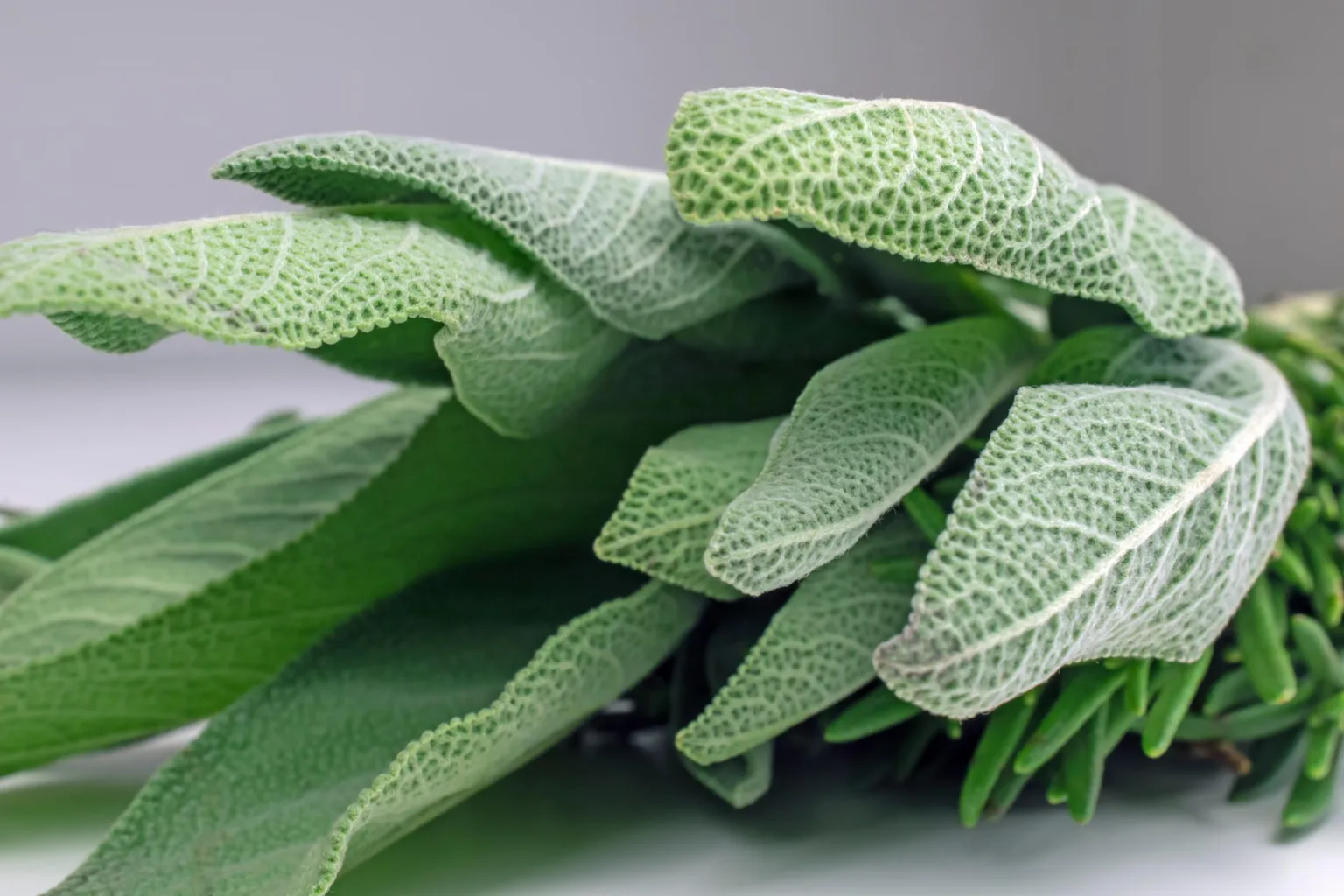
Fresh sage is the recently harvested leaf of an aromatic herb used to season food. Common sage is identified as Salvia officinalis and belongs to the Lamiaceae family, alongside other aromatic herbs. Its leaves are commonly described as elongated, green or gray-green, and strongly aromatic. The name “sage” can refer to different species, so check the product identification if a recipe depends on a particular variety. This profile covers fresh sage as a culinary ingredient, not as a remedy.
When to use it
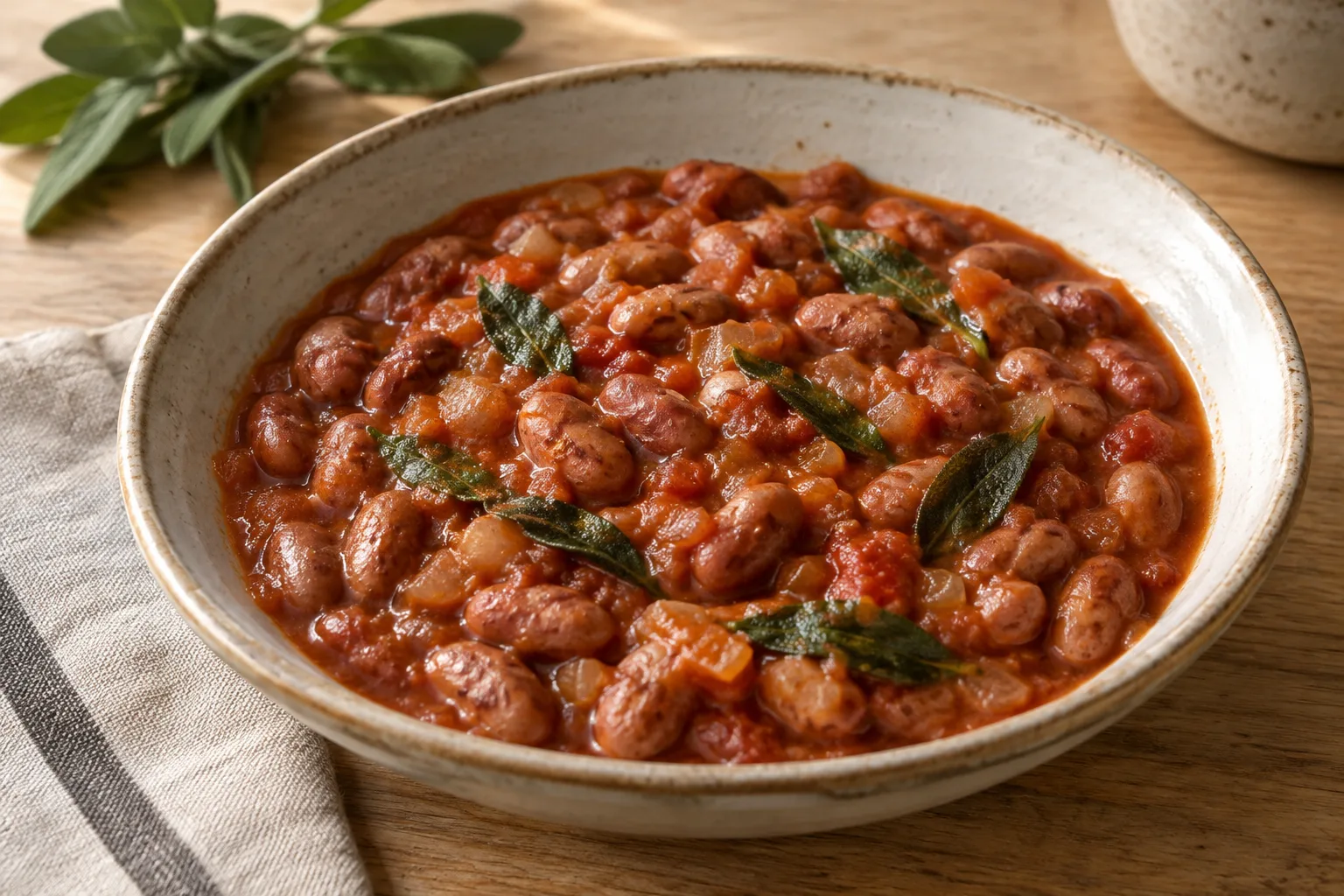
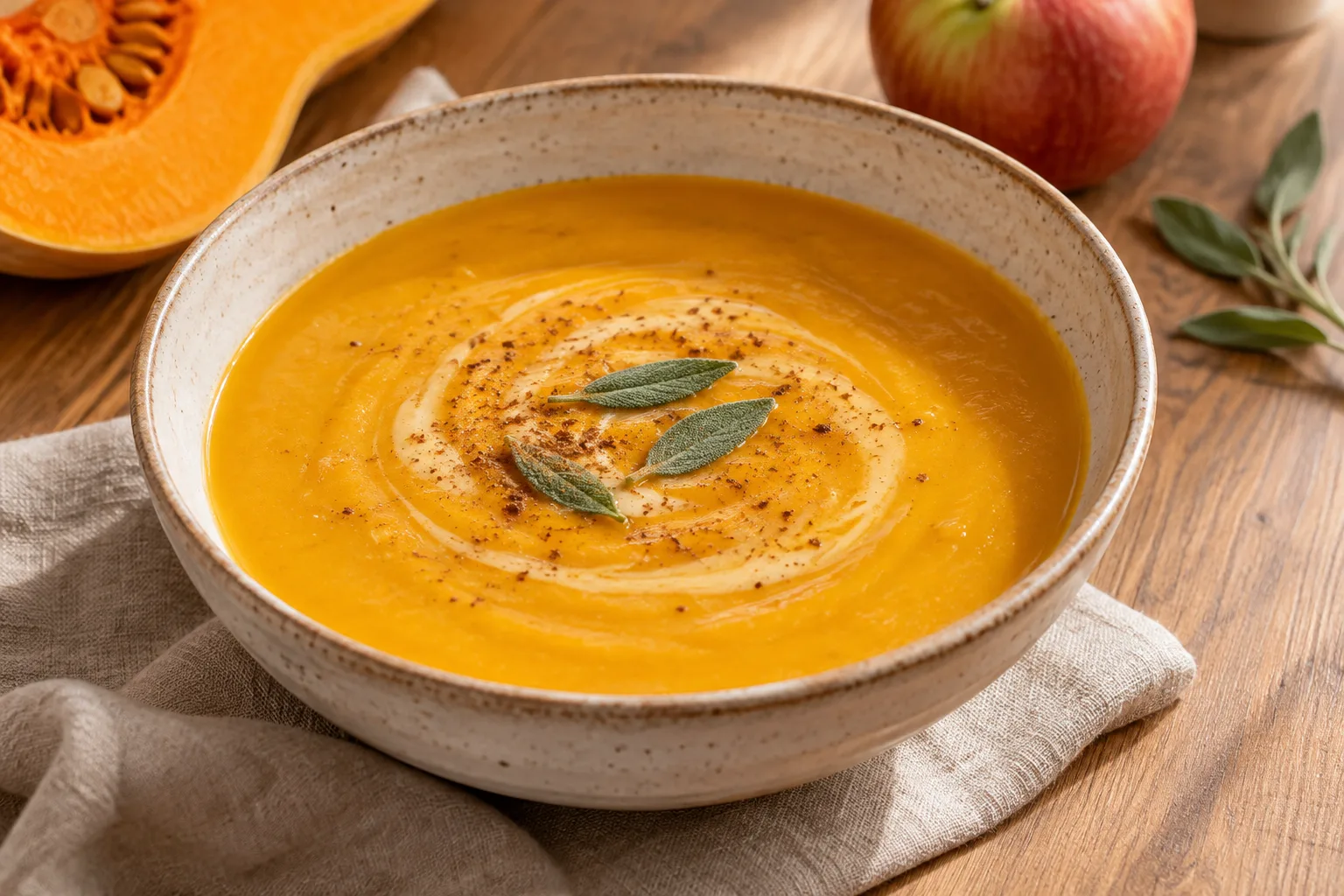
Choose fresh sage when you want to add a pronounced aroma and a somewhat bitter or peppery note to a dish. It can work in butter and pasta dishes, sauces and soups, and alongside meats such as pork, lamb or duck. It can also complement squash, eggplant and zucchini. Because its aroma can become dominant, use it when you want the herb to stand out and taste the dish before adding more.
How to use it
Remove the leaves from the stems if the preparation calls for it, then chop them to distribute their flavor, or leave them whole to gently perfume a dish as it cooks. A simple option is to infuse butter or oil with the leaves and use the flavored fat with pasta or other foods. You can also add sage to soups, sauces and stews, or pair it with meats, vegetables, cheeses and fish that suit a pronounced seasoning. Start with a small amount, taste, and add more only if needed. Dried sage has a different and more concentrated profile according to the available sources, so do not automatically substitute it in the same amount.
Flavour and texture
Fresh sage has a penetrating aroma and a pronounced flavor described as somewhat peppery, astringent and slightly bitter. Some descriptions note fresh, citrus, pine or eucalyptus notes; the profile can vary by species. The leaves are described as elongated and, in common sage, somewhat hairy. In cooking it contributes aroma as well as flavor, so too much can overwhelm a dish.
How to choose it
Look for a product identified as fresh sage, rather than confusing it with dried sage, which has a different profile. If you need a particular variety, check the name or package information: “sage” can refer to more than one species. Choose a presentation in which you can recognize and inspect the leaves; available sources describe common sage leaves as aromatic and green or gray-green, but do not provide a specific freshness-rating method.
Storage
The available evidence does not establish a specific shelf life or storage conditions for fresh sage. Follow the directions on the package or from the seller, and do not assume that guidance for dried sage also applies to fresh leaves. One culinary source mentions drying or freezing leaves for storage, but gives no times or conditions; if you choose either method, consult instructions suitable for the method and equipment you use.
Substitutions
If fresh sage is unavailable, try thyme, rosemary, summer savory or parsley, while expecting a different aroma. The best choice depends on the dish: rosemary and thyme are also pronounced aromatic herbs, while parsley makes a milder change. Add the substitute gradually and taste before adjusting, because herbs do not have an exact one-to-one equivalence.
Common mistakes
A common mistake is adding too much sage before tasting the dish: its aroma can overwhelm the other ingredients. Do not assume fresh and dried sage taste the same or can be used in identical amounts. If a recipe depends on a particular aromatic profile, avoid substituting without adjusting, and do not assume that every species called sage is identical.
Safety and allergens
The available sources provide no sage-specific official warning for fresh sage as food. Follow the storage and use directions on the label and the food-handling guidance applicable in your area; do not infer a safety procedure or storage period from this profile.
Culinary uses
- hierba aromática para sazonar
- ingrediente para perfumar grasas, salsas y platos cocinados
Recommended techniques
- picar las hojas e incorporarlas a la preparación
- usar hojas enteras para perfumar mantequilla o aceite
- añadir hojas a sopas, salsas o guisos
Pairs well with
- mantequilla y pasta
- cerdo, cordero y pato
- calabaza, berenjena y calabacín
- quesos y pescados grasos
Frequently asked questions
Does fresh sage taste the same as dried sage?
Not necessarily. Sources describe differences in aroma and flavor between the fresh and dried forms; do not automatically substitute one for the other in the same amount.
What foods pair well with fresh sage?
It can complement buttered pasta, meats such as pork or lamb, duck, soups, sauces and vegetables such as squash, eggplant or zucchini.
What can I use if I do not have fresh sage?
Thyme, rosemary, summer savory or parsley can work as substitutes, but each changes the dish’s profile. Add a little at a time and taste.
Estimated nutrition
- Fat
- 22.2 g
- Saturates
- 5.92 g
- Carbohydrate
- 71.9 g
- Sugars
- 43.9 g
- Fibre
- 1 g
- Protein
- 3.13 g
- Salt
- 0.53 g
Sources and review
Automatically researched, cross-checked and validated content. Sources consulted:
- En el etiquetado alimentario hay algunas menciones que son obligatorias eletiquetadocuentamucho.aesan.gob.es
- Client Challenge doi.org
- Aesan - Agencia Española de Seguridad Alimentaria y Nutrición aesan.gob.es
- La salvia, usos medicinales y culinarios - Pepekitchen pepekitchen.com
- Salvia officinalis - Wikipedia, la enciclopedia libre es.wikipedia.org
- ℹ Tipos de Salvia: Guía Completa de Variedades y Usos ✔️ cncompetencia.es
- Salvia | The Gourmet Journal thegourmetjournal.com
- La Salvia, su uso en la cocina directoalpaladar.com
- Cómo cuidar la salvia aromática y cuáles son sus propiedades y beneficios arquitecturaydiseno.es
- Salvia | Gastronomía & Cía gastronomiaycia.com
- Descubre todo sobre la salvia usos y beneficios greenuso.com
- Salvia. Qué es, cómo usarla y por qué es una de las hierbas más potentes del recetario mediterráneo abc.es
- 3 formas de cocinar con salvia - wikiHow es.wikihow.com
- Salvia Fresca vs Seca: Guía Definitiva para Cocinar spice.alibaba.com
- Salvia - Comer y Beber comerbeber.com
- Salvia | Cook for Your Life cookforyourlife.org
- Cómo sustituir ingredientes. Una guía de recomendaciones lossaboresdemexico.com