- Category
- Fish and seafood
- State
- Fresh
- Usual unit
- g
What it is
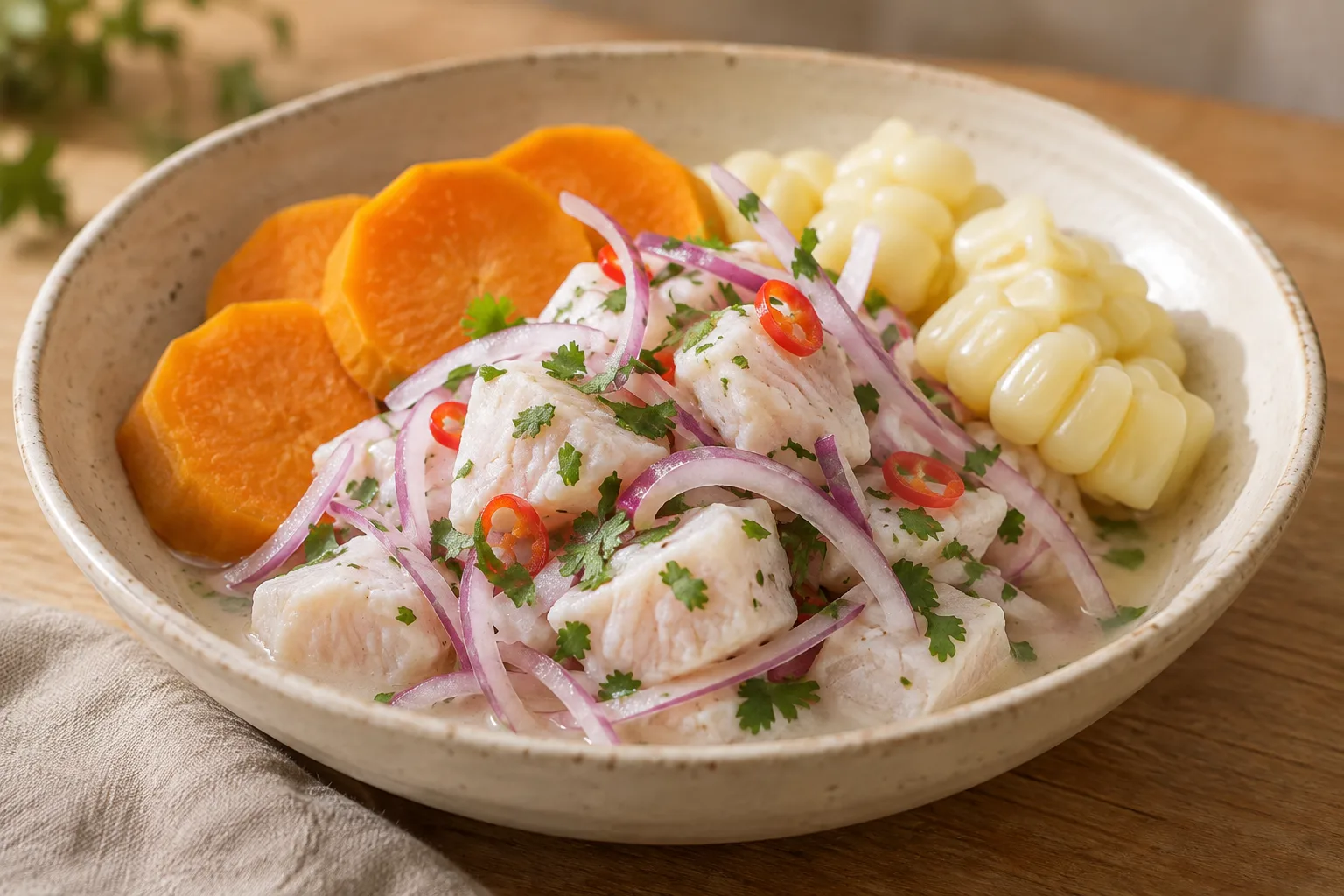
Fresh white fish is a culinary label for several species commonly described as having pale flesh and a leaner profile than oily fish. It does not name one species or a biological family. Cod, hake, sole, megrim, flatfish, haddock, and halibut are among the examples cited in the available material. Their appearance, firmness, and juiciness are not identical: these qualities can vary by species and cut. For that reason, it helps to identify the actual fish when shopping or following a recipe, rather than assuming every white fish can be exchanged without changing the method.
When to use it
Choose fresh white fish when you want a generally subtle-tasting fish that can be served with citrus, herbs, capers, or a sauce. Depending on the species and cut, it can be the main element of a meal, go into a stew, or be cooked by baking, grilling, griddling, or frying. It is useful in recipes that name a particular variety. If you plan to substitute another fish, account for differences in texture and firmness rather than applying the original method without consideration.
How to use it
First identify the species and cut: the broad term white fish does not promise one consistent texture. Select a preparation suited to the recipe; the sources describe baking, grilling, griddling, frying, and cooking in stews or sauces. Complement its flavor with lemon or other citrus, dill or rosemary, capers, pickles, or fermented ingredients; cream and white wine are also named as possible accompaniments. Adapt your approach to the piece and consult the recipe or seller for handling and cooking details, since the material here does not establish one method that applies to every species.
Flavour and texture
As a general guide, white fish is described as having pale flesh and a subtle flavor. Some varieties are characterized as drier, while others are described as juicy, firm, or flaky. Texture is not uniform: species, cut, and preparation all affect the result. Its delicate profile can work with citrus, herbs, and more assertive accompaniments without implying that every variety tastes the same.
How to choose it
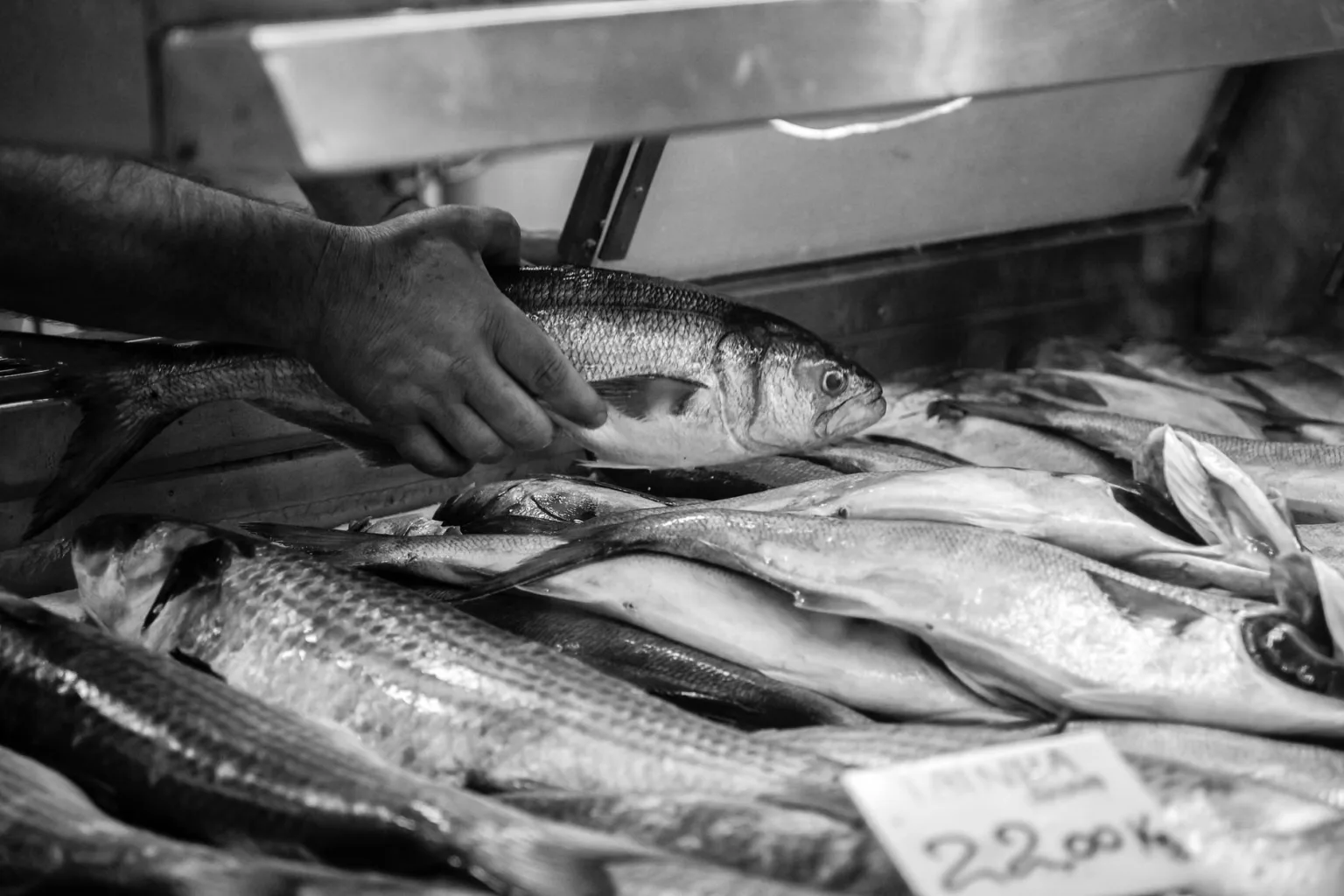
Check the label or ask the seller which species you are buying: “white fish” does not identify a particular variety, and the cited species differ in flavor and texture. If a recipe calls for cod, sole, hake, or another named fish, choose that variety when it matters to the result, or decide in advance what you will use instead. Follow the seller’s information and product label for details about the item and its instructions.
Storage
The available material does not specify storage times or temperatures for fresh white fish, so a universal duration should not be invented. Follow the product label or seller’s storage instructions and consult the official food-safety guidance applicable where you live. If you do not have enough information about how to store the fish, ask before storing or eating it; do not treat this profile as a substitute for product-specific instructions.
Substitutions
Cod, hake, sole, megrim, and flatfish are examples of white fish, but the category does not guarantee that they share a texture or behave identically in a recipe. When substituting, choose a species whose consistency suits the intended method and review the preparation instead of assuming the exchange is exact. If the recipe depends on a particular cut, keeping it is the more predictable option.
Common mistakes
A common mistake is treating “white fish” as the name of one species and assuming any variety will produce the same result. Choosing a substitute based only on flesh color can also overlook differences in texture and firmness described in the available material. Identify the fish, adapt the recipe to the piece, and do not guess at storage times or conditions that are not in reliable instructions.
Safety and allergens
This profile does not provide storage or cooking times or temperatures for a particular species. Follow the product label, seller’s instructions, and official food-safety guidance. AESAN is Spain’s authority for food-safety information and alerts.
Culinary uses
- Proteína principal para platos calientes
- Ingrediente para guisos, sopas y preparaciones con salsa
- Relleno o componente de croquetas y platos mixtos
Recommended techniques
- Al horno
- A la parrilla o a la plancha
- Frito o rebozado
- En guisos y salsas
Pairs well with
- Limón y otros cítricos
- Eneldo y romero
- Alcaparras, pepinillos e ingredientes fermentados
- Nata o vino blanco
Frequently asked questions
Is white fish one specific species?
No. It is a culinary category that includes several species, such as cod, hake, sole, and megrim.
Does all white fish have the same texture?
No. Descriptions vary: species may be drier, firmer, juicier, or flakier. Identify the variety and cut.
What flavors go well with white fish?
The sources mention citrus, dill, rosemary, capers, pickles, fermented ingredients, cream, and white wine.
Estimated nutrition
- Fat
- 2.32 g
- Saturates
- 0.45 g
- Carbohydrate
- 0 g
- Sugars
- 0 g
- Fibre
- 0 g
- Protein
- 16.8 g
- Salt
- 0.1 g
Sources and review
Automatically researched, cross-checked and validated content. Sources consulted:
- Client Challenge doi.org
- The Essential Glossary of Cooking Terms for the Culinary Arts - Escoffier escoffier.edu
- Agencia Española de Seguridad Alimentaria y Nutrición aesan.gob.es
- educational content to support healthful lifestyle practices sjsu.edu
- Food & Fun Afterschool hsph.harvard.edu
- Free Standing, Slide In, and Drop In Electric housing.illinoisstate.edu
- FSHN14-05s/FS275: De Compras Para la Salud: Mariscos ask.ifas.ufl.edu
- 1997 Activity Guide purdue.edu
- The traditional food of migrants scholar.smu.edu
- EFNEP Hispanic Heritage Recipes | Community Nutrition | Extension/College of Agriculture, Health & Natural Resources | University of Connecticut communitynutrition.cahnr.uconn.edu
- Beneficios del pescado blanco | Congelados Guerrero congeladosguerrero.es
- Pescado blanco: tipos y cómo cocinarlos | Fine Dining Lovers finedininglovers.es
- El pescado blanco y su producción acuícola | Escola Salut SJD escolasalut.sjdhospitalbarcelona.org
- Pescado Fresco - PescadosBalaguer pescadosbalaguer.es