- Category
- Oils and fats
- State
- Fresh
- Usual unit
- tablespoon
What it is
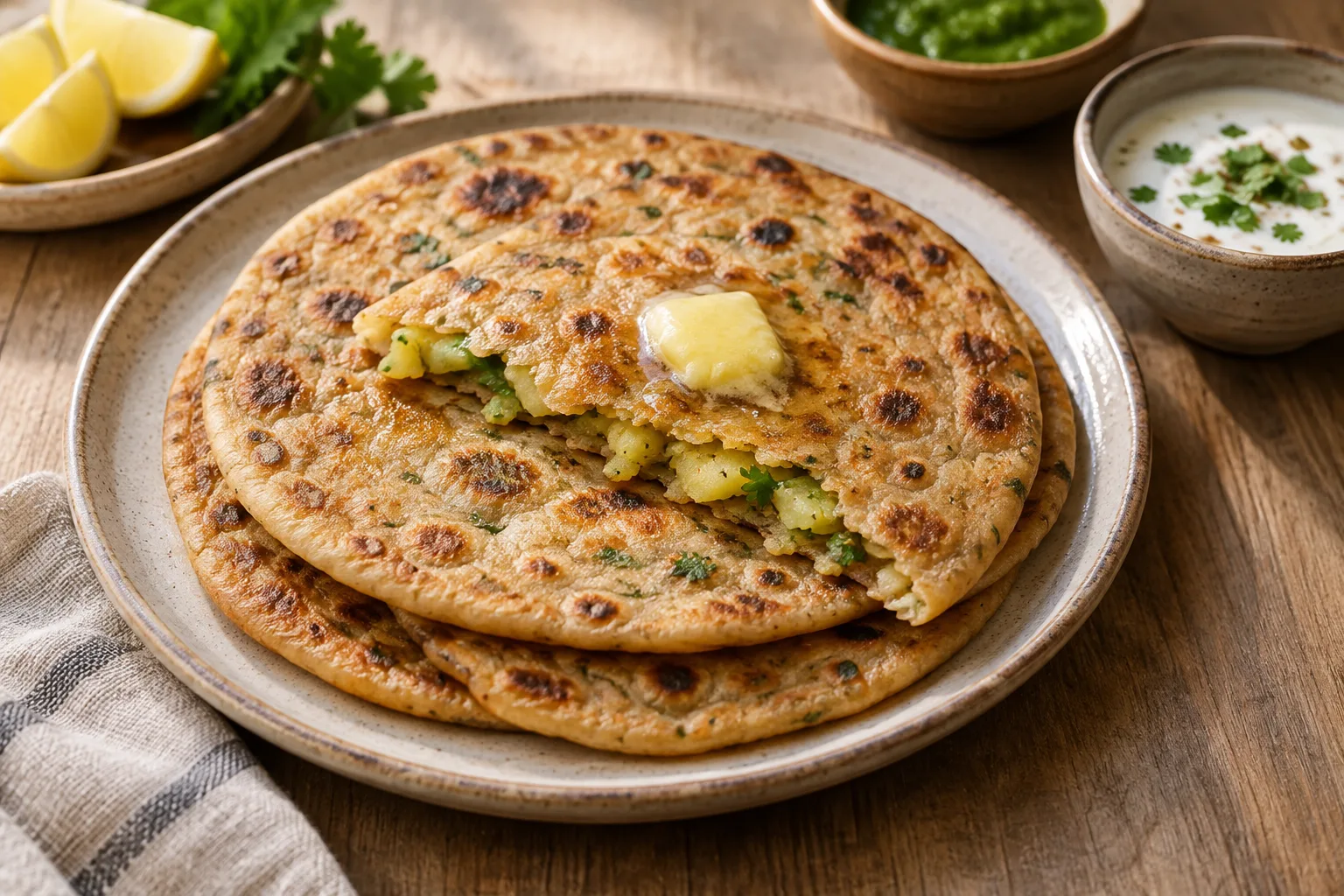
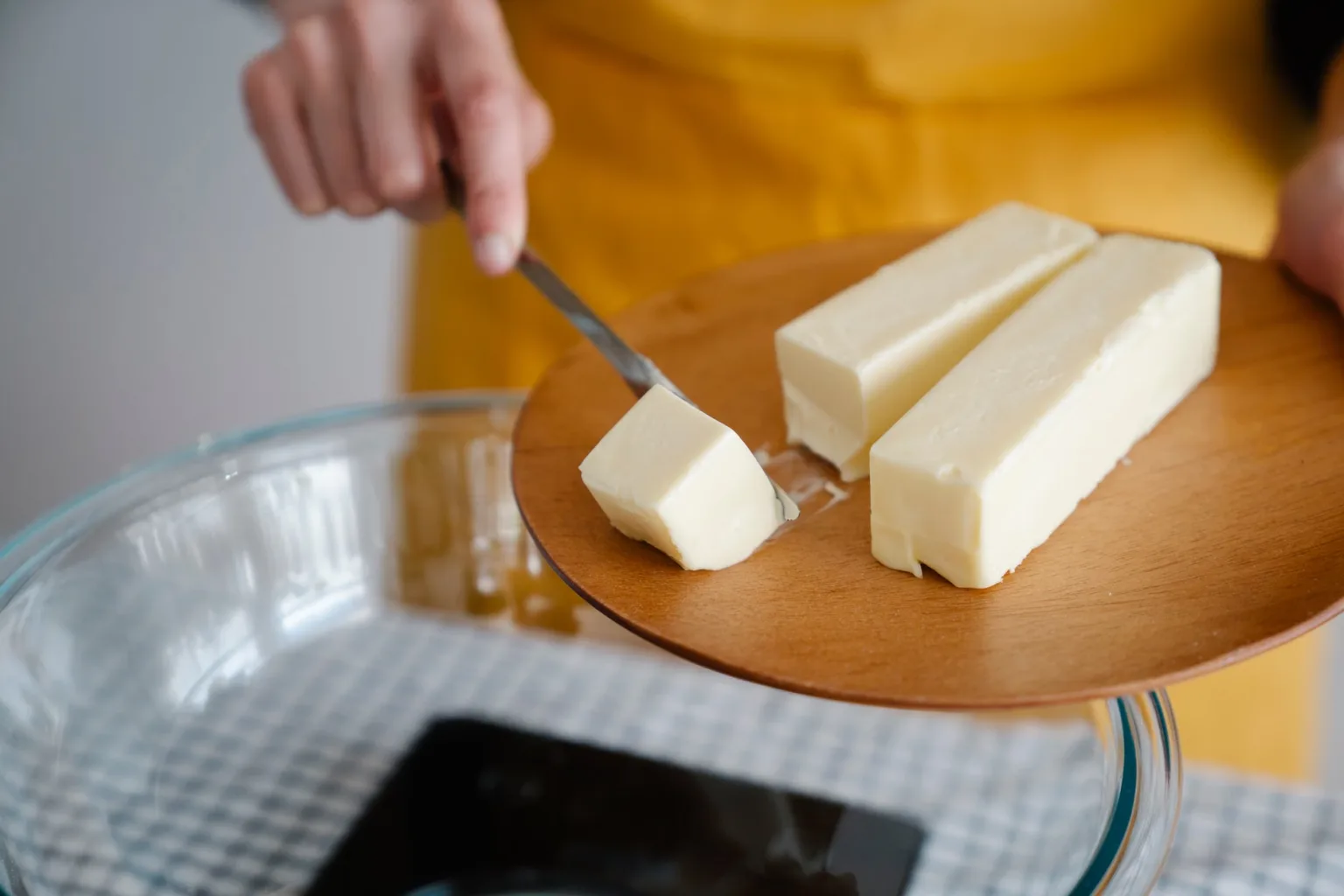
This guide covers two distinct options: ghee and butter. Both come from milk, but ghee is made by heating butter to separate the fat from water and milk solids. For ghee, cooking continues longer and the solids brown, producing a more toasted aroma and notes often compared with nuts. Ordinary butter, by contrast, retains water and milk solids and generally tastes milder and creamier. They are therefore not identical, and swapping one for the other may change a dish. Ghee is often chosen for cooking with more heat, while butter may be preferred for a gentler dairy flavor or when a recipe depends on its milk solids and moisture.
When to use it
Choose ghee when you want a dairy fat with a toasted flavor for sautéing or frying, or an aromatic note in rice, curries, and vegetables. Available evidence describes it as more heat-resistant than ordinary butter, but you do not need to reach a specific temperature to use it. Choose butter when you prefer a milder, creamier flavor or when a recipe benefits from its milk solids and moisture. In baking, remember that replacing one with the other can affect texture and taste; follow the recipe’s stated proportions when provided.
How to use it
Use ghee or butter as a cooking fat, choosing according to the result you want. For sautéed vegetables, rice, or curry ingredients, ghee adds a toasted background; butter gives a milder dairy note. Either can be used for pan browning, bearing in mind that ordinary butter contains milk solids and may burn sooner than ghee over high heat. In baking, butter contributes water and milk solids that ghee does not retain to the same extent, so a direct swap can change the mixture. If a recipe does not specify which to use, choose based on the flavor and texture you want and test a small batch before changing the whole preparation.
Flavour and texture
Butter is usually mild, creamy, and distinctly dairy-like. Ghee has a more concentrated, toasted flavor, sometimes described as nutty or caramel-like. Butter may be firm or soft depending on temperature; ghee can also change consistency as it cools. These differences are normal and do not by themselves show that a product has spoiled. In a dish, ghee tends to leave a toastier profile, while butter contributes a more recognizable dairy character.
How to choose it
Check whether the package contains ghee or butter: they are different ingredients and may produce different results. Read the ingredient list and allergen information, especially if you need to avoid milk. For butter, choose a type suited to the recipe; unsalted butter can make seasoning easier to control when the recipe calls for it. For ghee, look for a clear label identifying clarified dairy fat and check that the package is intact. Color and consistency can vary between products and temperatures.
Storage
Follow the package directions, since recommended conditions can vary between products. Keep both products closed and avoid using wet or dirty utensils in them. Available evidence indicates that ghee can keep better than ordinary butter, but it does not establish a universal shelf life or conditions for every brand. Follow the manufacturer’s refrigeration instructions for butter. If the package gives specific directions, they take precedence over general advice.
Substitutions
Ghee and butter can replace each other in some preparations, but the result will not be identical: butter contributes water and milk solids, while ghee is clarified fat with a toastier flavor. Avocado oil can replace ghee in sautéing; refined coconut oil can work in recipes that suit its texture. Equivalences depend on the recipe, so do not assume a swap will behave the same in doughs, sauces, and frying.
Common mistakes
Do not treat ghee and butter as identical products: they differ in moisture, milk solids, and flavor. Do not assume that any substitution will preserve the texture of a dough or sauce. Another mistake is choosing a fat without checking the label when milk must be avoided. Finally, do not treat normal changes in consistency caused by temperature as sufficient proof of spoilage; consult the package and assess the product according to its directions.
Safety and allergens
Ghee and butter come from milk. If you have a milk allergy, do not assume ghee is safe merely because milk solids are separated; check the label and follow advice from a health professional. Handle and store the product according to its package directions.
Culinary uses
- Grasa para cocinar y dorar
- Ingrediente aromático para platos salados y dulces
Recommended techniques
- Saltear
- Freír en sartén
- Hornear
Pairs well with
- Arroz y curris
- Verduras y especias cálidas como comino o cúrcuma
- Pan y repostería
Frequently asked questions
Are ghee and butter the same?
No. Ghee is made by clarifying and cooking butter for longer; ordinary butter retains water and milk solids. Ghee has a toastier flavor.
Which is better for cooking over higher heat?
Sources describe ghee as more heat-resistant than ordinary butter. Even so, watch the cooking and avoid burning the fat or food.
Can I replace butter with ghee in baking?
It is possible in some recipes, but the swap may change moisture, texture, and flavor. Follow the recipe when it specifies a particular fat.
Sources and review
Automatically researched, cross-checked and validated content. Sources consulted:
- Client Challenge doi.org
- The Essential Glossary of Cooking Terms for the Culinary Arts - Escoffier escoffier.edu
- la leche fue siempre en el mundo occidental sinónimo mapa.gob.es
- ¿Qué es el ghee? Todo sobre el alimento de moda | El arte de comer bien | mentta mentta.com
- Los secretos del ghee, más que una mantequilla clarificada - Blog Conasi conasi.eu
- Todo sobre el ghée, el nuevo alimento de moda del 2025 elle.com
- Mantequilla ghee | Propiedades, beneficios y tipos codinafoods.com
- Qué es el ghee (y cómo se hace) | Consumer consumer.es
- Ghee - Wikipedia, la enciclopedia libre es.wikipedia.org
- ¿Es más saludable el ghee o la mantequilla? Comparativa sportlife.es
- La Guía Definitiva de Sustitutos del Ghee (Mantequilla Clarificada) en Cocina y Repostería | Sustituto de ingrediente | FoxyChef foxychef.com
- Ghee: qué es, cómo hacerlo, beneficios y usos guiadelbuenvivir.com
- Ghee y mantequilla clarificada: diferencias, beneficios y cómo hacerlas en casa hogarmania.com
- Diferencia entre mantequilla y ghee - SABROSO sabroso.mx
- ¿Ghee o mantequilla clarificada? Descubre la sutil diferencia de sabor y cómo hacer ambas | Grupo Animal grupoanimal.mx
- Club de Cocina - La diferencia entre ghee y mantequilla clarificada clubdecocina.com.ar