- Category
- Oils and fats
- State
- Other
- Usual unit
- tablespoon
What it is
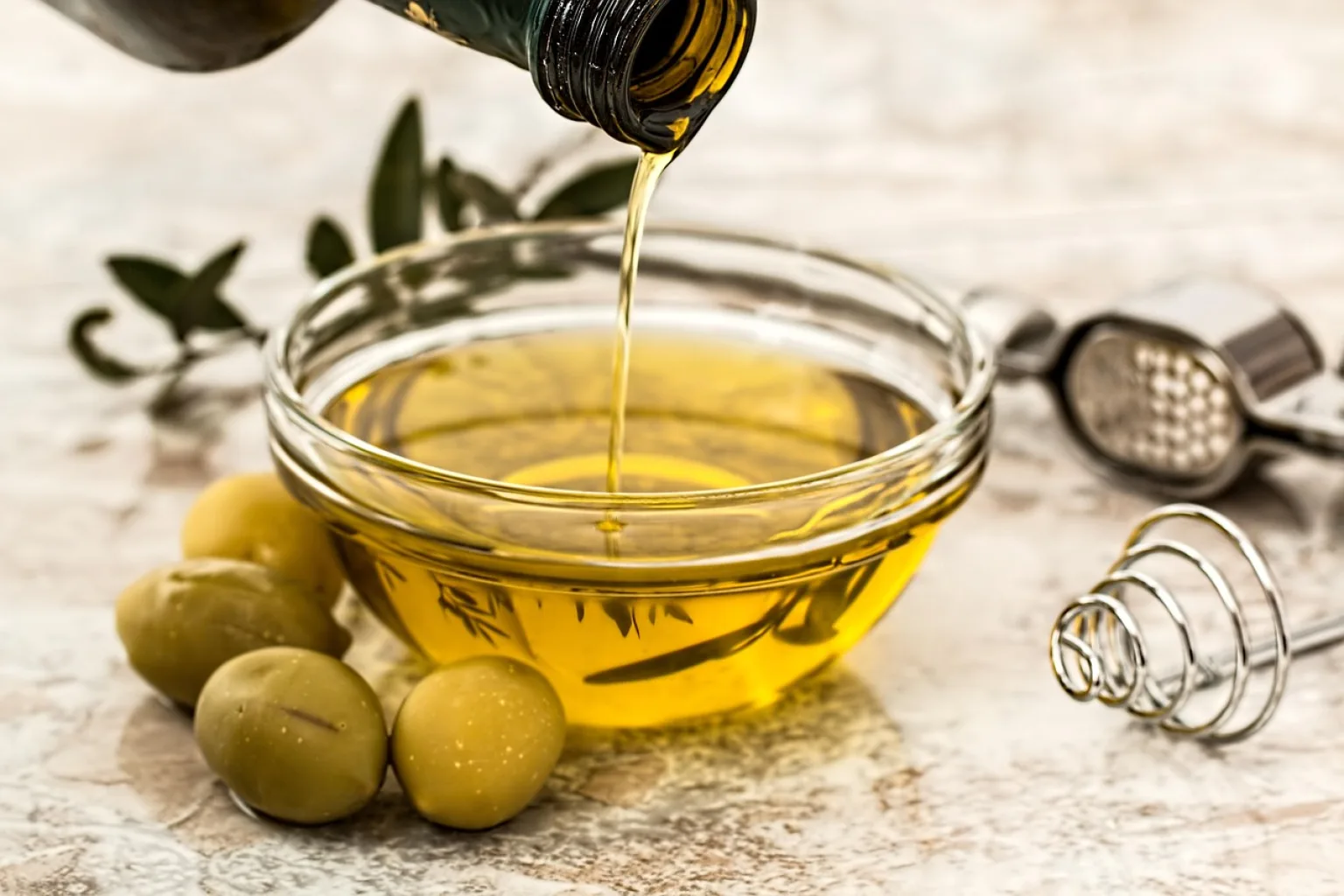
The phrase “ghee or oil” gives two options for cooking fat. Ghee is made by heating and clarifying butter: much of the water and milk solids are removed, leaving a fat with a toasted character. It can solidify as it cools. “Oil,” by contrast, does not identify one specific fat: different oils have different flavors and culinary uses, so it is worth checking the type named in a recipe or the one you have on hand. These are not identical products and do not necessarily taste or behave the same when heated. This guide describes possible uses for either option without assuming a particular oil variety. If a recipe allows either one, your choice can change the finished dish.
When to use it
Choose ghee when you want clarified dairy fat and its toasted flavor suits the dish, such as when sautéing vegetables or finishing rice and lentils. Oil may be a better fit when you want a different flavor or the recipe specifies a particular variety. For cooking with heat, choose according to the oil you have and the technique: fats and oils do not all behave alike, and it is best to avoid letting them smoke. If a recipe simply says “ghee or oil,” consider the intended flavor rather than assuming every oil works in the same way.
How to use it
First decide which option you are using. For sautéing, warm an appropriate amount of ghee or your chosen oil in a pan and cook the ingredients without letting the fat smoke. Ghee can also be used for frying and added to vegetables, meat, sauces, and sweet preparations; some oils work for sautéing, roasting, or baking, depending on the type. For a finishing touch, add the chosen fat in the amount specified by the recipe. Ghee can bring a toasted note to rice or lentil dishes and can be used with spices briefly warmed in the fat. If you substitute one option for another, remember that the flavor may change and that not every oil suits every technique. Check the oil label when its variety or recommended use is unclear.
Flavour and texture
Ghee has a toasted flavor, sometimes described as nut-like, and can be liquid when warm or solid when cool. Oils vary widely: some are mild and others more aromatic, and they are usually liquid in texture. Since “oil” does not specify a variety, the flavor and mouthfeel depend on the product. Your choice may be especially noticeable in simple dishes or when the fat is used as a finishing touch.
How to choose it
If you choose ghee, check the label to confirm that you are buying ghee rather than another spreadable fat. If you choose oil, check its variety and whether it is recommended for your intended technique; oils do not all have the same flavor or heat tolerance. Choose according to the recipe and the result you want. Because this ingredient wording leaves the choice open, there is no single best purchase for every dish.
Storage
Keep oil away from heat, air, and light, in a cool, dark place; some delicate oils keep better when refrigerated, so follow the product label. Culinary sources describe storing ghee either refrigerated or in a dry cupboard away from direct light. Since the exact product and its processing can vary, use the package instructions and keep it closed. Discard oil that develops a bitter smell.
Substitutions
Ghee and oil can substitute for each other in some recipes that allow a choice of cooking fat, but the swap is not neutral: flavor and response to heat may change. If a recipe calls for a particular oil, do not assume that any other oil or ghee will give the same result. When using oil instead of ghee, choose one suited to the technique; when using ghee instead of oil, expect a toasted dairy character. Follow the recipe for quantity rather than assuming a universal one-to-one rule.
Common mistakes
A common mistake is treating “oil” as one specific product: flavor and culinary use depend on the variety. It is also easy to assume that ghee and oil are interchangeable without affecting the dish, or to heat any fat until it smokes. Avoid those assumptions: choose according to the recipe, the result you want, and the product label.
Safety and allergens
Do not let the fat smoke: heating it beyond its smoke point can produce unpleasant flavors and unwanted compounds. Ghee is made from butter and therefore comes from milk; if you need to avoid milk, check the product label rather than assuming it is suitable. Handle a hot pan carefully.
Culinary uses
- Grasa para cocinar y dorar
- Aporte de sabor y acabado
Recommended techniques
- Saltear
- Freír
- Asar u hornear
Pairs well with
- Verduras y especias
- Arroz y lentejas
- Carnes y masas
Frequently asked questions
Are ghee and oil the same thing?
No. Ghee is clarified dairy fat; “oil” can mean many different products, including different plant oils. Their flavor and response to heat can vary.
Can I use ghee for frying or sautéing?
Yes. Ghee is used for frying and sautéing. Avoid heating it until it smokes, and remember that it adds a toasted flavor.
How should I store oil?
Protect it from heat, air, and light. Follow the label, since some delicate oils benefit from refrigeration; discard oil that smells bitter.
Sources and review
Automatically researched, cross-checked and validated content. Sources consulted:
- Client Challenge doi.org
- Cooking with Fats and Oils: Can they withstand the heat? - Kendall Reagan Nutrition Center chhs.colostate.edu
- Expand your healthy cooking oil choices - Harvard Health health.harvard.edu
- Los secretos del ghee, más que una mantequilla clarificada - Blog Conasi conasi.eu
- Ghee - Wikipedia, la enciclopedia libre es.wikipedia.org
- Cooking With Ghee - Escoffier escoffier.edu
- Culinary Nutrition: 9 Health Benefits of Ghee | ECPI University ecpi.edu
- Ghee: origen, propiedades y su preparación - Spice and Colour spiceandcolour.com
- Fats and Oils in South Asia - Clarifying Butter - LibGuides at Conrad N. Hilton Library library.culinary.edu
- Fats in the MAHA Era: Consumer Perceptions of Common Cooking Fats - farmdoc daily farmdocdaily.illinois.edu
- 5 Ways To Prepare for Attending Culinary School in the New Year | Institute of Culinary Education ice.edu
- Food Safety & Preservation: Herbs and Vegetables in Oil chautauqua.cce.cornell.edu
- Ghee Auténtico en España: El Secreto Indio para tu Cocina – Desi Gourmet desigourmet.es
- - YouTube youtube.com
- ¿Qué es el ghee? Todo sobre el alimento de moda | El arte de comer bien | mentta mentta.com