- Category
- Fish and seafood
- State
- Fresh
- Usual unit
- g
What it is
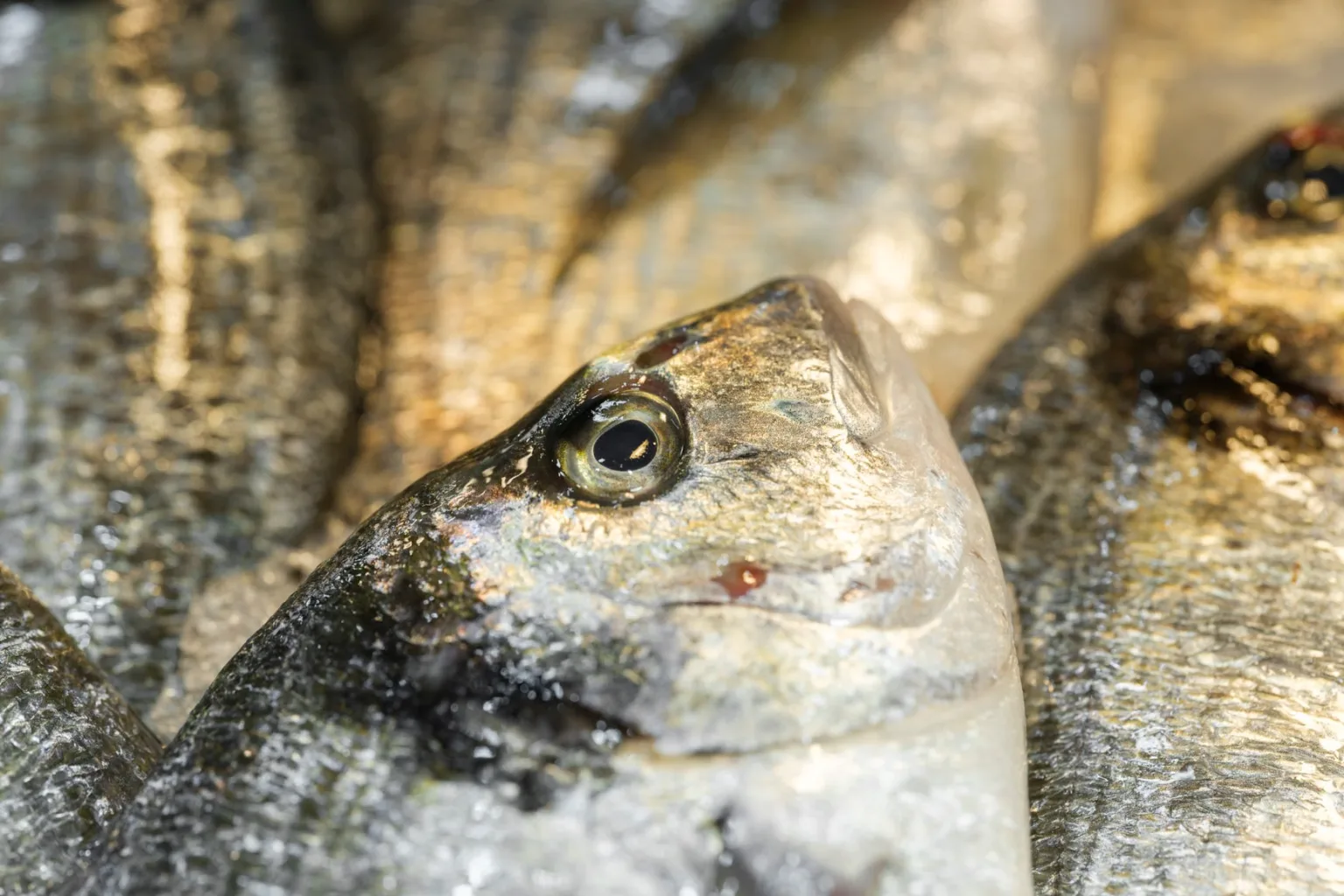
Gilthead bream, called dorada in Spanish, is a saltwater fish recognised by the golden band between its eyes. It belongs to the Sparidae family and is sold fresh, either whole or prepared as fillets. Its flesh is described as fine, firm and delicately flavoured, so it can be served with restrained seasoning or used in dishes with vegetables and other fish. Both wild-caught and farmed fish are sold. Year-round availability in some markets is associated with aquaculture, so finding it at the counter throughout the year does not, by itself, establish a year-round wild fishing season.
When to use it
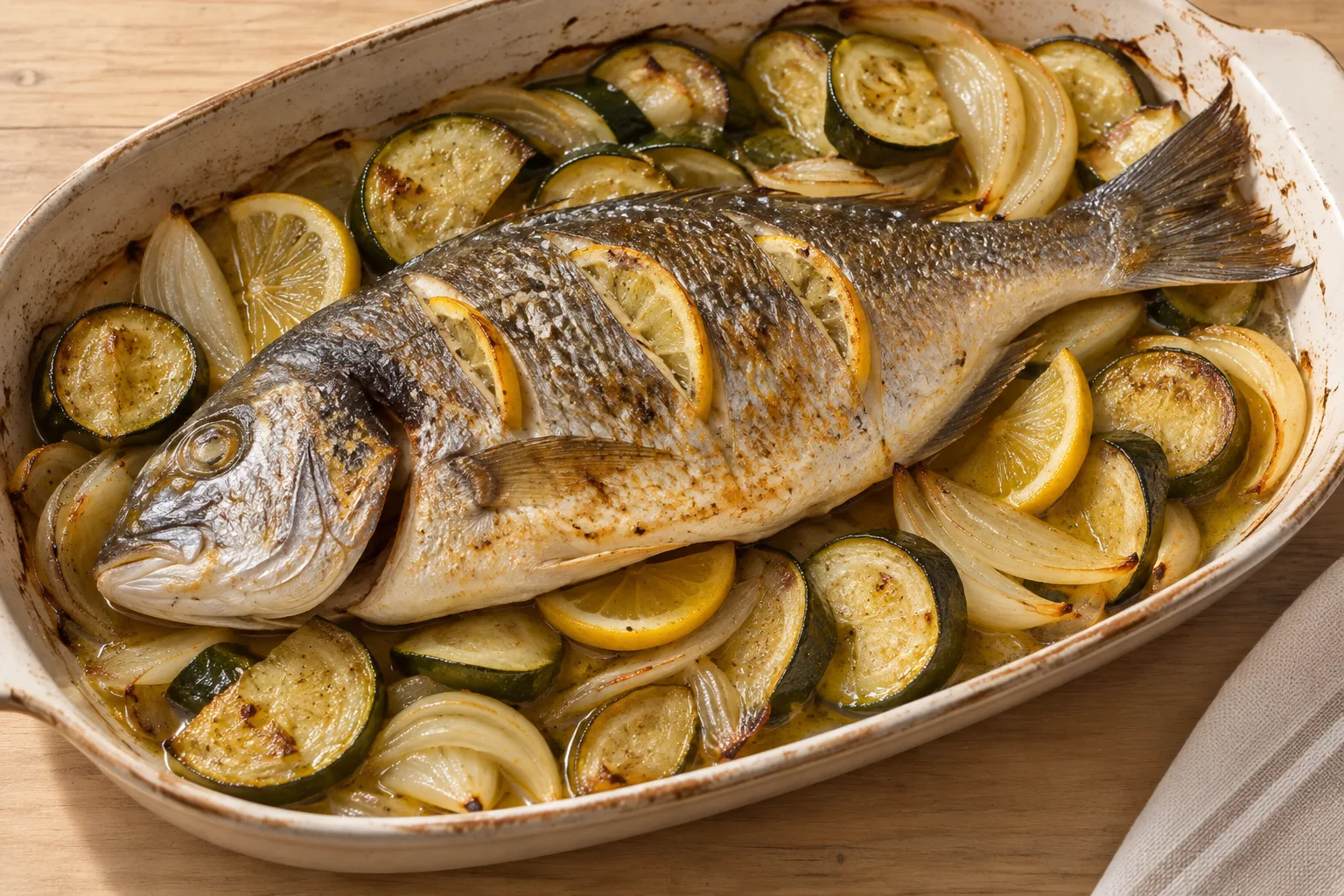
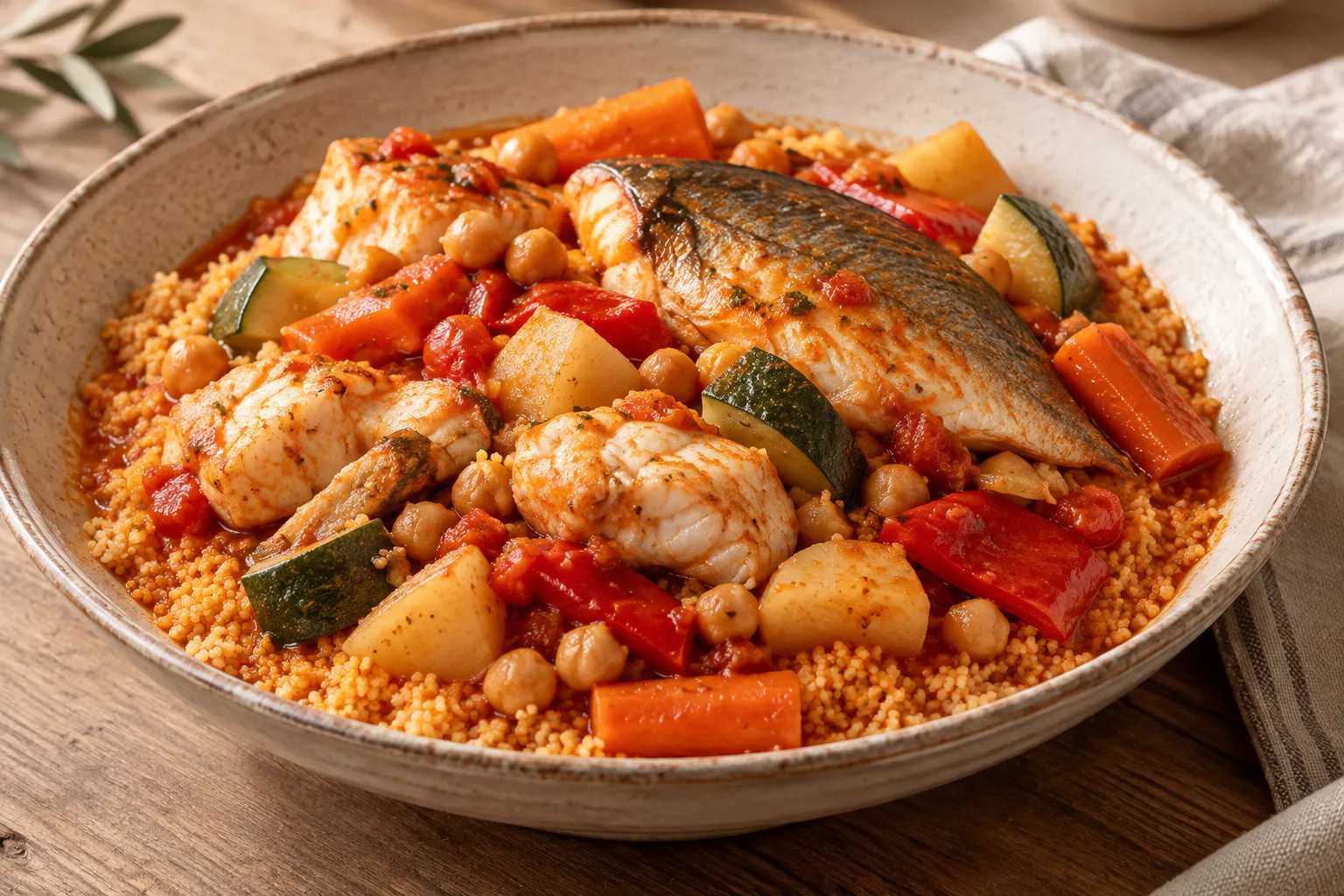
Choose gilthead bream when you want a whole fish as a main course, simply cooked fillets, or fish for a soup or mixed-fish stew. Its mild flavour suits restrained seasoning as well as vegetables, potatoes, lemon and aromatic herbs. A whole fish is a practical choice for baking or cooking under a salt crust, while fillets work well on a griddle or in a papillote. Farmed fish may be available throughout the year in some markets; this availability should not be confused with a continuous wild-catch season.
How to use it
Ask the fishmonger to prepare the bream in the form your recipe needs: whole, opened out or filleted. If preparing it at home, take care when removing the scales, which are described as plentiful and large, and check for remaining bones before serving. Cook a whole fish in the oven, on a grill or in a salt crust; culinary guidance recommends leaving the bones in place for salt-baked preparations. Fillets can be griddled, steamed or cooked in a papillote with vegetables and a little oil. You can also cut the fish into pieces for soup or a mixed-fish stew. Serve with lemon and herbs without masking its delicate flavour.
Flavour and texture
Gilthead bream is described as mild and aromatic, with fine, firm flesh that can be juicy when cooked appropriately. Its texture suits both whole-fish and fillet preparations, and it needs little seasoning to taste good. Intensity may vary with the individual fish and its source or farming method, so do not assume every portion will taste exactly the same.
How to choose it
Ask whether the fish is whole or filleted and request the cut that suits your recipe. A fishmonger can prepare a whole bream for baking, grilling or a salt crust; ask for the bones to be removed if you want boneless fillets. Sources describe farmed bream in a size suitable for one or two people, but retail sizes can vary. For fresh fish, check the use-by date where applicable and ask for storage and use instructions.
Storage
Follow the storage and use instructions on the label when the bream is packaged, and observe its use-by date. If it is sold unpackaged, ask the fishmonger how to store it and when to use it; guidance may depend on how the fish is presented and sold. Do not infer a specific storage life from appearance alone or replace the seller’s or package’s instructions with a general rule.
Substitutions
Sea bass can work in simple fish dishes because it is described as similar in appearance and flavour, although it is a different fish. Meagre, hake or cod can inspire comparable baked preparations, but each species and cut may need different cooking. Choose a similar size and presentation, and do not expect exactly the same texture.
Common mistakes
Do not mistake gilthead bream for another fish with a similar appearance: sea bass is similar but is a different species. Do not overlook its large scales or bones when preparing and serving it. Avoid using so much seasoning that its mild flavour is obscured, and do not assume that fish available all year must be wild-caught; some of the supply may be farmed.
Safety and allergens
Follow the fish’s use-by date and any storage or use instructions provided with it. If it is sold unpackaged, ask the retailer for this information; food-information requirements can vary with the way a product is sold.
Culinary uses
- Plato principal de pescado
- Ingrediente para sopas y calderetas
Recommended techniques
- Hornear
- Cocinar a la plancha
- Cocinar al vapor
- Cocinar a la sal
- Preparar en papillote
Pairs well with
- Limón y hierbas aromáticas
- Verduras como cebolla, calabacín o tomate
- Patatas
- Aceite de oliva
Frequently asked questions
Is gilthead bream available all year?
It may be available year-round in some markets because of fish farming. That does not mean wild-caught fish is available in the same way in every month.
How can I cook gilthead bream?
Cook it whole in the oven, on a grill or in a salt crust, or use fillets on a griddle, steamed or in a papillote. Fillets are convenient for cooking with vegetables.
What goes well with gilthead bream?
Lemon, aromatic herbs, olive oil and vegetables such as onion, tomato or courgette suit its delicate flavour. Potatoes are another possible accompaniment.
Sources and review
Automatically researched, cross-checked and validated content. Sources consulted:
- En el etiquetado alimentario hay algunas menciones que son obligatorias eletiquetadocuentamucho.aesan.gob.es
- Cinco recetas de dorada al horno fáciles y caseras para cocinar pescado blanco directoalpaladar.com
- Client Challenge doi.org
- Gastronomía del Perú - Wikipedia, la enciclopedia libre es.wikipedia.org
- Preguntas y respuestas frecuentes aesan.gob.es
- ¿Qué tipo de pescado es la dorada? | Peix a Casa peixacasa.cat
- Las 20 mejores recetas con dorada fáciles y deliciosas nuevoestilo.es
- Dorada o zapatilla | Curiosidades y cómo prepararlo | Pescados y mariscos | EROSKI CONSUMER pescadosymariscos.consumer.es
- Dorada. Pescado Fresco de Crianza de Mares y Ríos de España crianzamaresyriosdespana.es
- Dorada, el pescado semigraso de bajo aporte energético chefcaprabo.com
- Dorada - Pescados, características e información pescaderiascorunesas.es
- ¿Cómo cocinar la dorada? 4 formas de hacerlo - La Española Aceites laespanolaaceites.com
- Dorada – PULEVA lechepuleva.es
- Recetas con Dorada - Gallina Blanca gallinablanca.es
- Receta: Dorada a la sal | La Dársena ladarsena151.com
- 10 recetas con dorada: los platos infalibles para triunfar en la mesa con este pescado bonviveur.com
- Recetas de dorada: irresistibles y fáciles de preparar cookpad.com