- Category
- Sauces and condiments
- State
- Paste
- Usual unit
- tablespoon
What it is
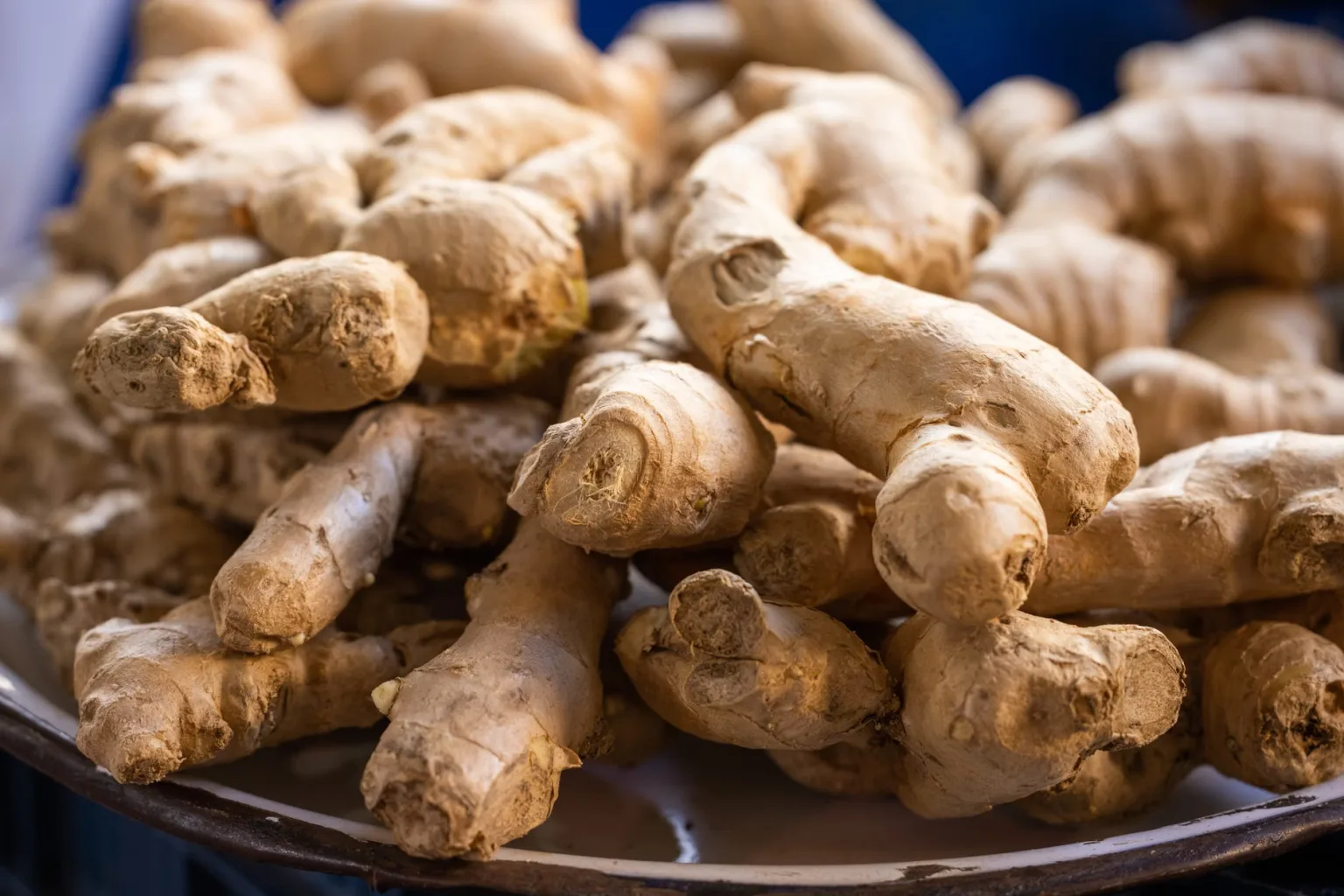
Ginger paste is a paste-form preparation of ginger, an ingredient known for its pronounced aroma and warm, spicy flavor. It can make ginger easier to add without peeling, grating or chopping fresh rhizome at the time of cooking. Not all pastes are alike: some are mainly ginger, while others may include additional ingredients. Check the ingredient list rather than assuming that ginger-garlic paste is interchangeable with plain ginger paste. In the kitchen, it works as a seasoning, adding character to savory dishes and blending into cooking bases, sauces and marinades.
When to use it
Use ginger paste when you want ginger's aroma and a spicy note without preparing fresh rhizome. It works in curries, stews, soups, sauces and stir-fries, and can also be mixed into marinades for meat or fish. Ginger-garlic paste is used as a seasoning in several cuisines, but its flavor is not the same as that of plain ginger paste. Since ginger has an assertive flavor, begin with a small amount and taste before adding more, especially if the product already contains other ingredients.
How to use it
First read the label to see whether the paste contains only ginger or also garlic, oil, salt or other ingredients; formulations vary by product. Add a small amount to a cooking base with other aromatics, mix it into a curry, soup, sauce or marinade, or use it in a stir-fry. It can also be combined with soy sauce and sesame oil for an Asian-inspired sauce. Stir to distribute it, then taste before adding more, as its flavor can be pronounced. If replacing it with grated fresh ginger or ground ginger, adjust the amount to account for the aroma and heat each form contributes.
Flavour and texture
Ginger brings a pungent aroma and a warm, spicy, fresh flavor, sometimes perceived as having a light citrus note. In paste form, it is easy to blend into sauces and moist dishes. The finished flavor and consistency can vary with the recipe and any ingredients added by the manufacturer; check the label if you have a particular flavor profile in mind.
How to choose it
Compare ingredient lists and choose a product that suits the dish you plan to make: plain ginger paste will not taste the same as a ginger-and-garlic blend. Check for salt, oil or other additions, and read the package directions. The product name alone does not establish its exact composition, so the label is the practical guide to how much to add and how to use it.
Storage
Follow the storage directions on the package, since instructions can depend on the product's formulation and presentation. Close the container after each use and use clean utensils to avoid contaminating its contents. Do not assume there is one storage period for every ginger paste; also check the date and any after-opening directions on the label.
Substitutions
You can replace ginger paste with peeled, grated or finely chopped fresh ginger, or try ground ginger. These are not identical substitutes: fresh, ground and paste forms can contribute different aromas and textures. Start with a small amount and adjust to taste. If the paste includes garlic, salt or other ingredients, account for those separately when adapting the recipe.
Common mistakes
Adding a large amount all at once can let ginger overpower a dish; add it gradually and taste as you go. Another common mistake is treating all pastes as if they have the same ingredients: some combine ginger with garlic or other additions. Check the label before adjusting salt, adding more aromatics or choosing a substitute.
Safety and allergens
Check the product's ingredient and allergen information, and follow its storage and use directions. Ingredients and instructions can vary between brands and product formats.
Culinary uses
- Aromatic seasoning for savory dishes
- Flavoring for sauces, soups and curries
Recommended techniques
- Stir into a cooking base with aromatics
- Mix into marinades, dressings or sauces
Pairs well with
- Garlic
- Vegetables, meat and fish
- Soy sauce and sesame oil
Frequently asked questions
Does ginger paste always contain only ginger?
Not necessarily. Some commercial pastes may contain other ingredients, so check the ingredient list to find out what is in your product.
Can I substitute fresh ginger?
Yes. Peeled, grated or chopped fresh ginger is an option, although its texture and profile are not exactly the same. Adjust the amount gradually.
What dishes can I use ginger paste in?
Stir it into curries, soups, stews, sauces, stir-fries and marinades. Begin with a small amount and taste before adding more.
Estimated nutrition
- Fat
- 0 g
- Saturates
- 0 g
- Carbohydrate
- 100 g
- Sugars
- 100 g
- Fibre
- 0 g
- Protein
- 0 g
- Salt
- 15 g
Sources and review
Automatically researched, cross-checked and validated content. Sources consulted:
- En el etiquetado alimentario hay algunas menciones que son obligatorias eletiquetadocuentamucho.aesan.gob.es
- ¿Por qué la muerte es origen de miedos y tabúes? doi.org
- Los alimentos como medicina: la dieta antiinflamatoria | Children's Hospital of Philadelphia chop.edu
- Dictionary of Health Related Terms: English – Spanish hia.berkeley.edu
- Jengibre, más que una especia: usos, formatos y qué puede aportar a tu bienestar margavilan.substack.com
- A Health Literacy Curriculum for Grades 1 and 2 - Wsu s3.wp.wsu.edu
- Salsa de Mango (Spanish) - National Center for Home Food Preservation nchfp.uga.edu
- Todo lo que debes saber sobre el jengibre | Recetas Nestlé recetasnestle.com.ec
- El Jengibre en la cocina, usos y propiedades eladerezo.com
- Quantitation of Selected Volatiles from Leaves and ... bdigital.zamorano.edu
- A Month of Cal-Fresh Meals | UC Cooperative Extension ucanr.edu
- Health benefits of ginger and simple ways to incorporate this zesty root into your diet - Harvard Health health.harvard.edu
- Analyzing Food Sources and Food Insecurity of Kichwa ... scholarworks.uark.edu
- Pasta de jengibre y ajo | Gastronomía & Cía gastronomiaycia.com