- Category
- Grains, flour and pasta
- State
- Powdered
- Usual unit
- g
What it is
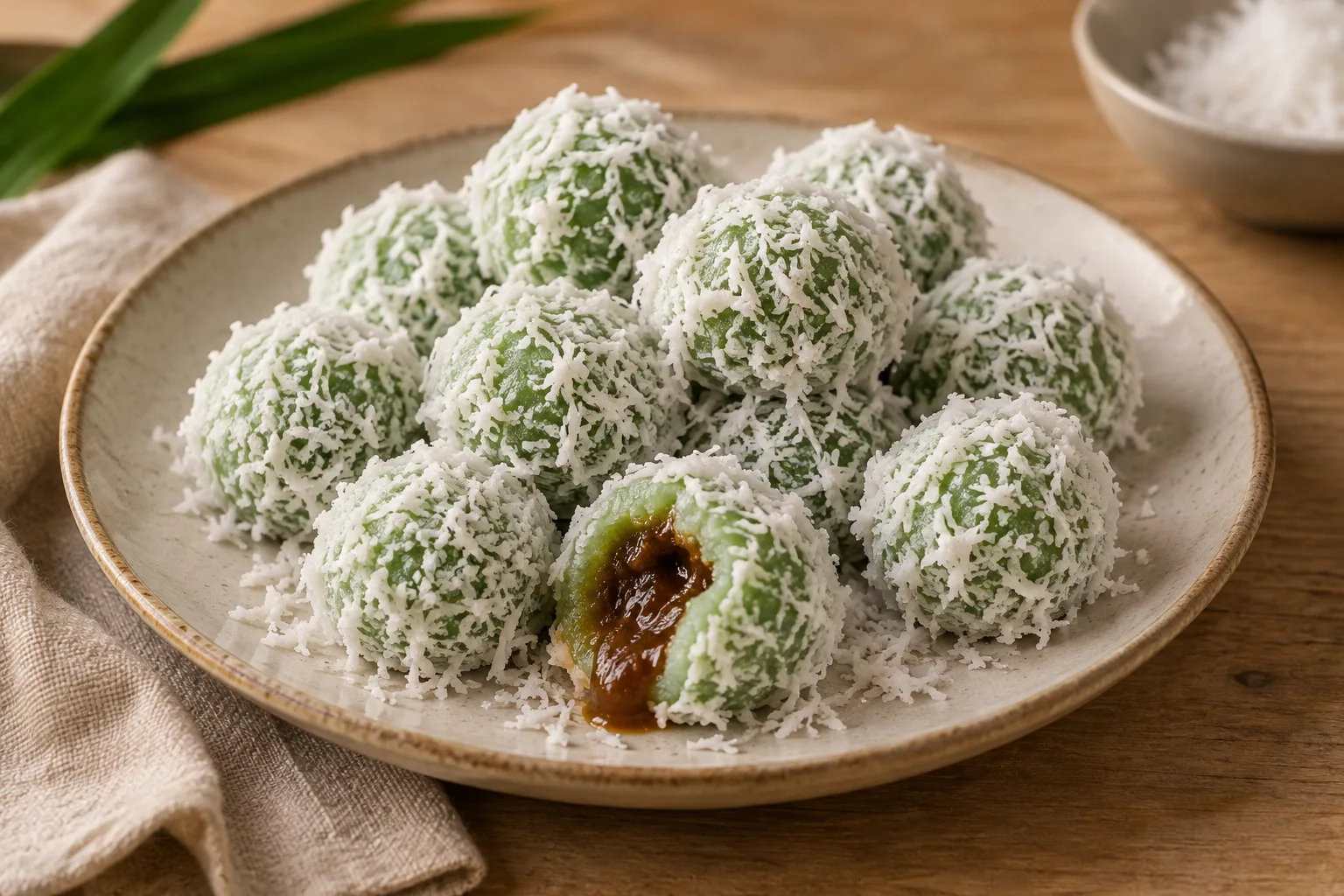
This flour is made from ground glutinous rice and is used in a range of sweet and savory preparations. The rice is known for the sticky texture it develops when cooked; “glutinous” refers to that quality and should not be read as a claim that it contains gluten. Products on sale can differ in grind and processing. Mochiko and shiratamako, for example, are not necessarily interchangeable: particle size and water absorption can vary. The flour is often used to give doughs a compact, soft and elastic character, as in mochi and other rice sweets. It is not the same as ordinary rice flour, so swapping one for the other can noticeably change the finished texture.
When to use it
Choose it when a recipe calls for sticky, workable or elastic rice dough, such as mochi, dango and other traditional sweets. It can also be used in some savory preparations, coatings or thickening mixtures when the recipe is designed for this flour. Before substituting ordinary rice flour, consider the intended texture: regular rice flour may work in some recipes, but it will not usually reproduce the characteristic elasticity. If a formula specifies mochiko or shiratamako, use that kind when possible because their processing and absorption can differ.
How to use it
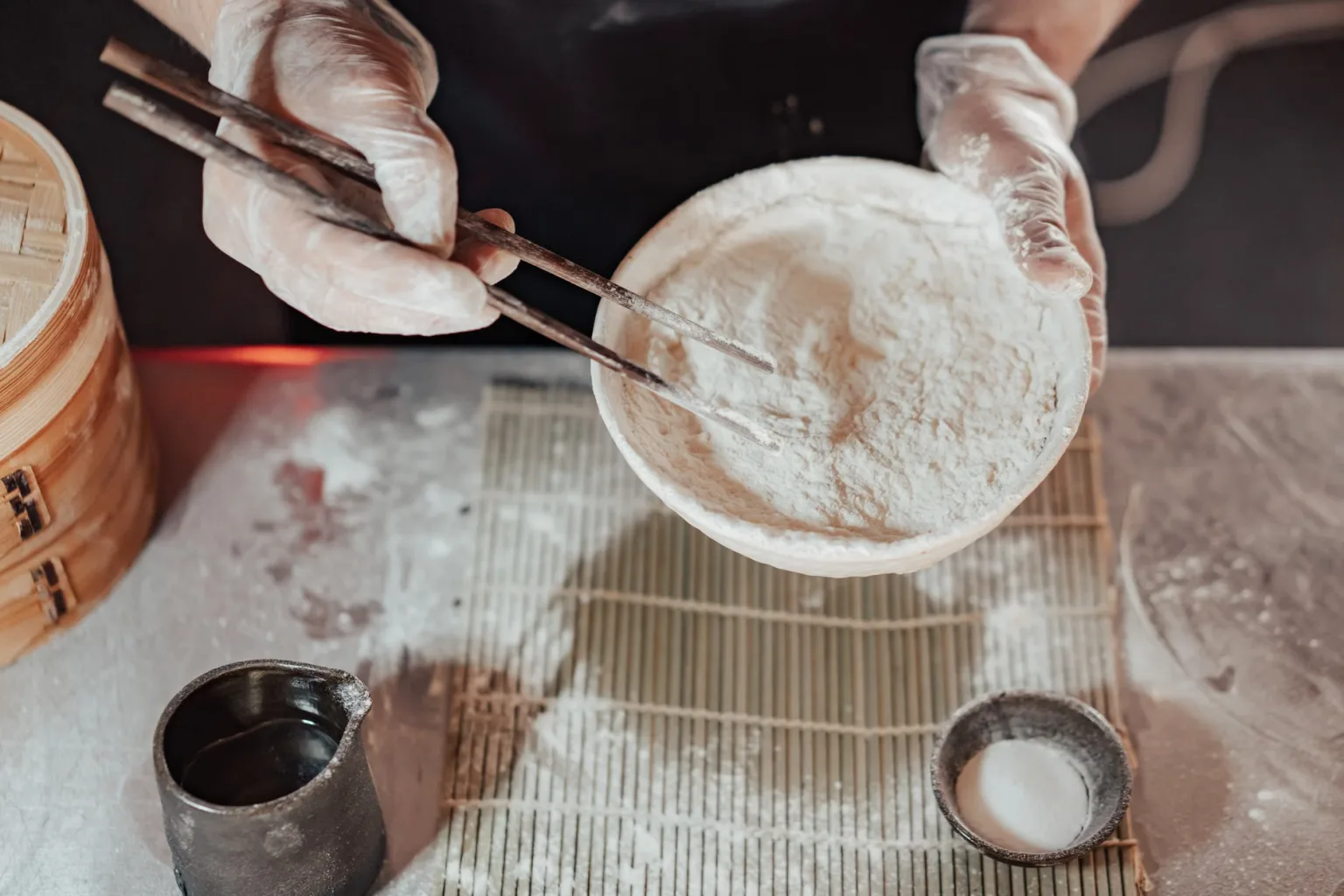
Read the recipe and check whether it calls for a fine, granular or specifically named variety, since the general name can cover products that behave differently. Add the flour gradually to the stated liquid and mix until smooth; adjust consistency according to the recipe rather than assuming every brand absorbs water alike. For sweet doughs, use it to make a mixture that can be shaped and cooked by the method specified. Some mochi recipes combine flour, water and sugar, then cook the mixture until it becomes firmer and elastic. The flour can also be used in coatings or to thicken, but texture and results depend on the variety and formulation. Do not automatically replace it with ordinary rice flour: the result may be less elastic and less sticky.
Flavour and texture
The flour itself has a mild flavor. Its main culinary feature is the texture it can produce when cooked: sticky, tender and, in some preparations, elastic. Grind affects its feel and how readily it combines with water. Some varieties are sold as fine powder and others as granules, so identical results should not be expected from every product. Ordinary rice flour may produce a more crumbly dough and does not necessarily reproduce the same elasticity.
How to choose it
Look for a package clearly labeled glutinous rice flour and check whether it names a variety such as mochiko or shiratamako. Match the format to the recipe: fine and granular products may absorb water differently. If a recipe was developed for a specific variety, choosing it reduces uncertainty about the texture. If you need the flour for a restricted diet, also check the manufacturer’s ingredient and cross-contact information.
Storage
The available evidence does not establish a shelf life or specific storage conditions that apply to every brand. Follow the package directions and protect the flour from moisture and contamination during use. Reseal the package after opening and use clean, dry utensils. If the manufacturer gives different instructions, follow the directions for that specific product.
Substitutions
Ordinary rice flour can replace it in some preparations, but the resulting dough will not usually have the same softness or elasticity. A blend of tapioca flour and ordinary rice flour has been suggested as an approximation, though it does not guarantee an identical result. Avoid automatic substitution in mochi or dango when an elastic texture is essential; test a small amount first and adjust to the recipe.
Common mistakes
It is a mistake to read “glutinous” as “contains gluten”: the name refers to the sticky texture of cooked rice. Another pitfall is treating all glutinous rice flours as identical; products with different grinds can hydrate and behave differently. Do not simply replace it with ordinary rice flour when an elastic dough is wanted, or assume instructions for one variety will work for another.
Safety and allergens
The word “glutinous” alone does not confirm that a product is suitable for a gluten-free diet. Check its label and the manufacturer’s information, especially if cross-contact must be avoided. Follow the handling and cooking directions on the recipe and package.
Culinary uses
- Base for chewy rice-dough sweets
- Thickener for sauces and desserts
- Coating or batter ingredient
Recommended techniques
- Mix with liquid to make a smooth dough or batter
- Cook or steam preparations made with the flour
- Use as a coating in preparations intended to become crisp
Pairs well with
- Water
- Sugar
- Sweet fillings such as bean paste
- Savory fillings and sauces
Frequently asked questions
Does glutinous rice flour contain gluten?
“Glutinous” describes the sticky texture rice can develop; it does not mean the flour contains gluten. If you need to avoid gluten, check the product label and cross-contact information.
Can I use ordinary rice flour instead?
Sometimes, but the result may be less sticky and less elastic. It is not an equivalent swap when the texture of mochi or dango matters.
Are mochiko and shiratamako the same?
They are different kinds of glutinous rice flour, made and presented differently. They can absorb water differently, so use the type named in the recipe when possible.
Estimated nutrition
- Fat
- 0 g
- Saturates
- 0 g
- Carbohydrate
- 80 g
- Sugars
- 0 g
- Fibre
- 0 g
- Protein
- 6.67 g
- Salt
- 0 g
Sources and review
Automatically researched, cross-checked and validated content. Sources consulted:
- ¿Por qué la muerte es origen de miedos y tabúes? doi.org
- Evaluación de harina de amaranto como ingrediente antioxidante para la preparación de matrices alimentarias funcionales doi.org
- Desarrollo de un pan de masa madre rico en GABA y ... diposit.ub.edu
- Aplicaciones de la harina de arroz harinadearrozcliment.com
- La harina de arroz, ingrediente clave de la pinsa: todo lo que debes saber - Di Marco dimarco.it
- Manihot esculenta - Wikipedia, la enciclopedia libre es.wikipedia.org
- Arroz glutinoso: características, preparación y receta - Mejor con Salud mejorconsalud.as.com
- Arroz glutinoso - Wikipedia, la enciclopedia libre es.wikipedia.org
- Antes de ir a YouTube youtube.com
- Harina de arroz glutinoso: mochiko, shiratamako, mijinko y domyojiko | ComerJapones comerjapones.com
- harina de arroz glutinoso | CreatiVegan.net creativegan.net
- glutinoso y uso para el mochi - Scoolinary scoolinary.com
- 6 sustitutos de harina de arroz para cocinar | Fine Dining Lovers finedininglovers.es
- - YouTube youtube.com