- Category
- Dairy and eggs
- State
- Fresh
- Usual unit
- g
What it is
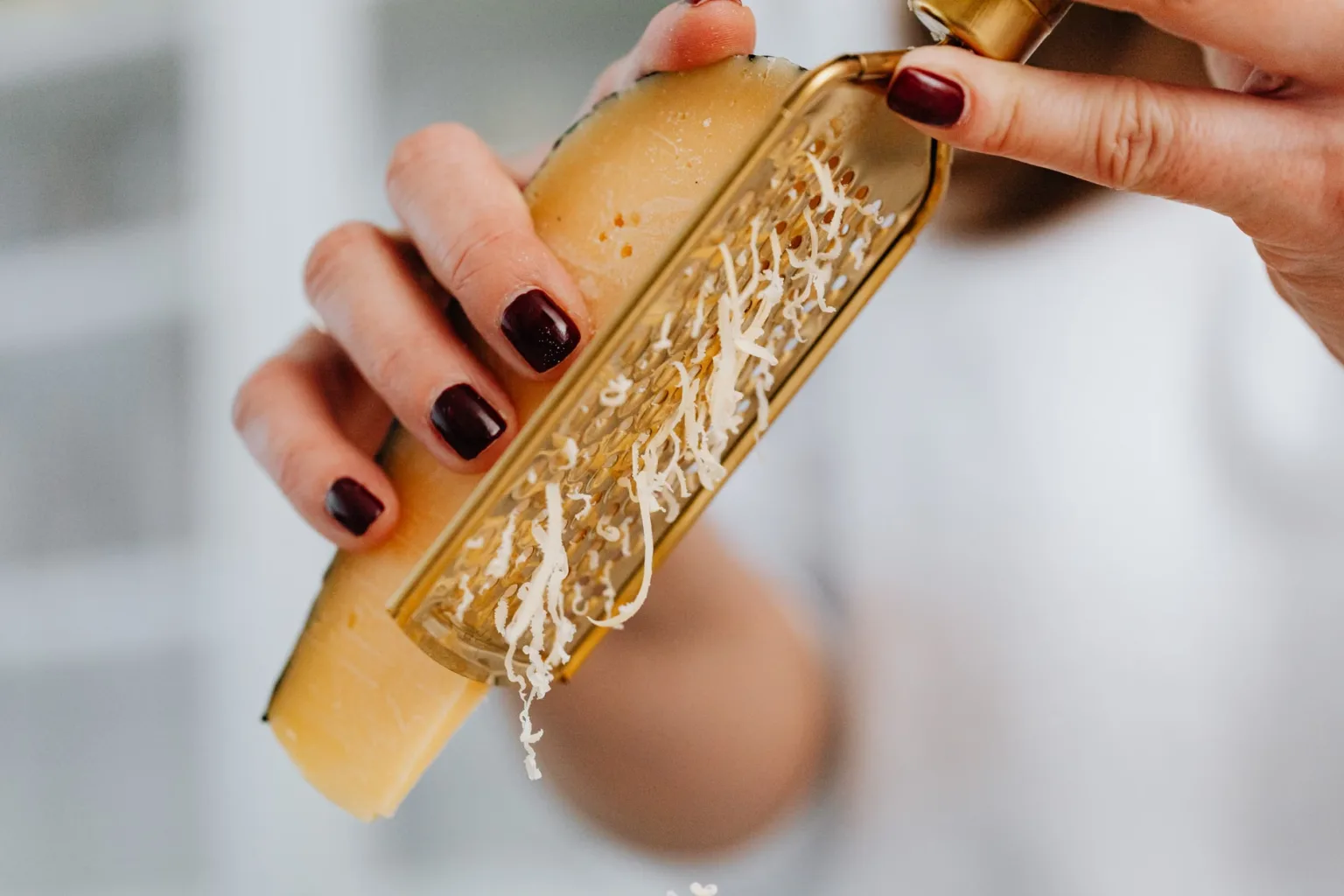
Grated cheese for gratinating is cheese cut into small pieces so it can be spread over a dish and finished with a melted, browned topping. The name does not refer to one specific cheese variety or a universal recipe: products may use different cheeses, and some special gratinating products include other ingredients. As a result, flavour, texture and melting behaviour can differ between packages. It is sold ready-grated, or can be made at home by grating a piece of cheese. It is worth distinguishing grated cheese from grated or processed preparations that may contain additional ingredients; the product name and ingredient list help identify what you are buying.
When to use it
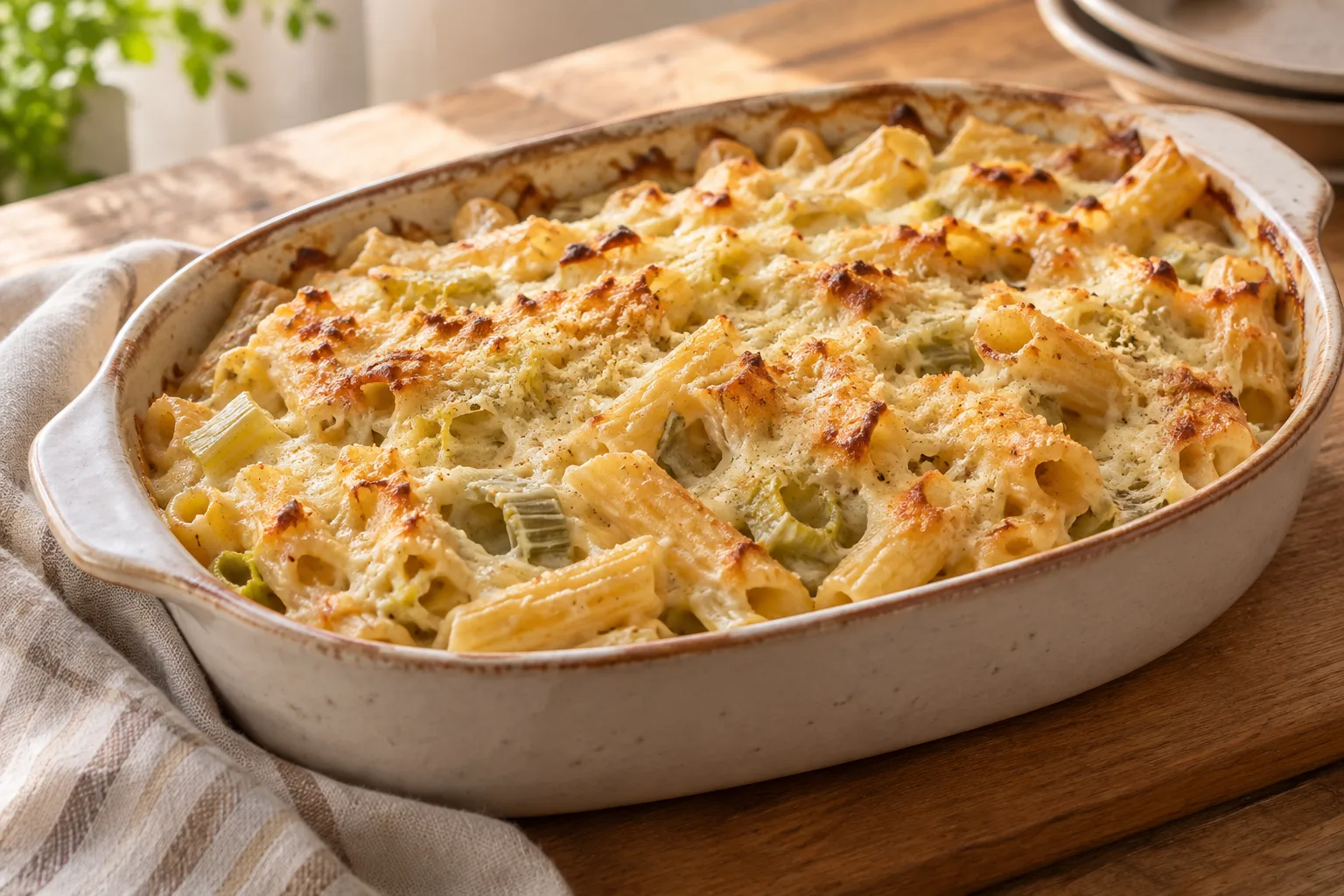
Use it when you want a cheese topping on a dish that is already cooked or is about to be finished with heat, such as baked pasta, lasagne or vegetables. It can create a melted, browned surface and can also add flavour to soup or pasta when served. Choose a type to suit the result you want: cheeses that melt well are useful for an even topping, while a more pronounced cheese can add extra character. The result depends on the cheese and the particular formulation, so do not assume that every product gratinates in the same way.
How to use it
Spread the grated cheese evenly over the surface of the dish to encourage an even finish. For gratinating, use it as a final topping on a cooked dish and apply heat from above, watching the browning and not leaving the food unattended; the heat and result depend on the appliance, food and cheese. You can also combine it with other cheeses to balance a creamier melt with stronger flavour, or sprinkle it over pasta and soup as a seasoning. If the product contains additional ingredients, check its ingredient list and follow the package instructions. There is no single cooking time or temperature that applies to every variety and recipe.
Flavour and texture
Flavour and texture depend on the cheeses used and the product’s composition. Some varieties taste mild and milky; others, including aged or more strongly flavoured cheeses, can be more pronounced and salty. When heated, some cheeses melt into a continuous topping, while others encourage a more browned or crisp surface and do not stretch as much. The size of the pieces also affects how evenly the cheese spreads over a dish.
How to choose it
Read the product name and ingredient list to check whether you are buying grated cheese or a grated preparation for gratinating with other components. Also check the allergen information and the package’s storage and use instructions. If you want a particular flavour, choose according to the cheese varieties named on the label; blends can differ from one product to another. To grate cheese at home, choose a piece suited to your intended use and grate it shortly before cooking.
Storage
Follow the package storage instructions and date, since advice can depend on the product and how it is presented. For commercially grated cheese, a culinary source recommends refrigeration and closing the package after opening; this is not a universal rule for every brand. If grating cheese at home, store the block according to its label and prepare only the amount you need. Do not use it if you notice visible mould or abnormal changes in smell.
Substitutions
For a topping, you can choose another grated cheese that melts suitably, such as mozzarella, cheddar, gouda or gruyere; the final flavour and texture will change. Breadcrumbs can also be used as an alternative gratin topping, but they do not provide cheese flavour or melting. Choose according to the result you want and the dish.
Common mistakes
Do not assume that every product called grated cheese has the same ingredients or melts in the same way: check the label. Avoid piling it unevenly, as that can lead to uneven browning. Gratinating is a finishing step, not a replacement for cooking the dish; watch the surface as it browns and follow the product instructions.
Safety and allergens
Contains milk or may include milk ingredients: check the allergen declaration for the specific product, especially if someone has an allergy or intolerance. Follow the package date, storage advice and use instructions; mandatory information can vary with the product’s presentation. Do not use it if you see mould or notice abnormal changes.
Culinary uses
- Cobertura para gratinar y dorar la superficie de platos ya cocinados
- Condimento para aportar sabor a pastas, sopas y preparaciones de verduras
Recommended techniques
- Repartir en una capa uniforme sobre la preparación antes de gratinar
- Añadir al final de la cocción para fundir y dorar la superficie
Pairs well with
- Pasta, lasaña y otros platos de pasta al horno
- Verduras como patata, coliflor, brócoli, setas o espárragos
Frequently asked questions
Does all grated cheese melt in the same way?
No. The result varies with the cheeses and the product’s composition; check the label and choose for the melt and flavour you want.
Can I gratinate vegetables with it?
Yes. Grated cheese is used as a topping for gratinating vegetables, including potatoes, cauliflower, broccoli, mushrooms and asparagus.
How should I store an opened pack?
Follow the package instructions. A culinary source recommends refrigerating grated cheese and closing the pack after opening, but the specific product’s directions should take priority.
Sources and review
Automatically researched, cross-checked and validated content. Sources consulted:
- En el etiquetado alimentario hay algunas menciones que son obligatorias eletiquetadocuentamucho.aesan.gob.es
- Cómo gratinar perfectamente. Paso a paso y recetas perfectas abc.es
- Client Challenge doi.org
- Queso rallado - Wikipedia, la enciclopedia libre es.wikipedia.org
- Artes culinarias/Ingredientes/Queso rallado - Wikilibros es.wikibooks.org
- Queso Rallado: El Complemento Ideal Para Tus Platos | Queso Destrabilla info.quesodestrabilla.es
- Queso rallado, ingredientes en la cocina - Saludteca saludteca.es
- Los Secretos del Queso: Maridajes, Recetas y Tradiciones - Senderuelo senderuelo.es
- Top 5 de los mejores quesos para gratinar - Mandolina mandolina.co
- Aesan - Agencia Española de Seguridad Alimentaria y Nutrición aesan.gob.es
- Queso Rallado Parmesano: Análisis Comparativo de los Mejores Variedades y Sus Usos Culinarios donquesotori.es
- Estos son los mejores quesos para rallar que puedes encontrar en el supermercado - Infoagro infoagro.com.ar
- Patata, huevos y otros ingredientes con los que se hace el rallado que no es queso | BuenaVida | EL PAÍS elpais.com
- **Queso Rallado de Parmesano: Comparativa y Análisis de las Mejores Opciones** laovejaquebala.es
- Rallado Especial Gratinar 100g – Hochland Española hochland.es
- ▷ Mejores Trucos y Técnicas para gratinar | Queso en Horno universalblue.es