- Category
- Dairy and eggs
- State
- Fresh
- Usual unit
- tablespoon
What it is
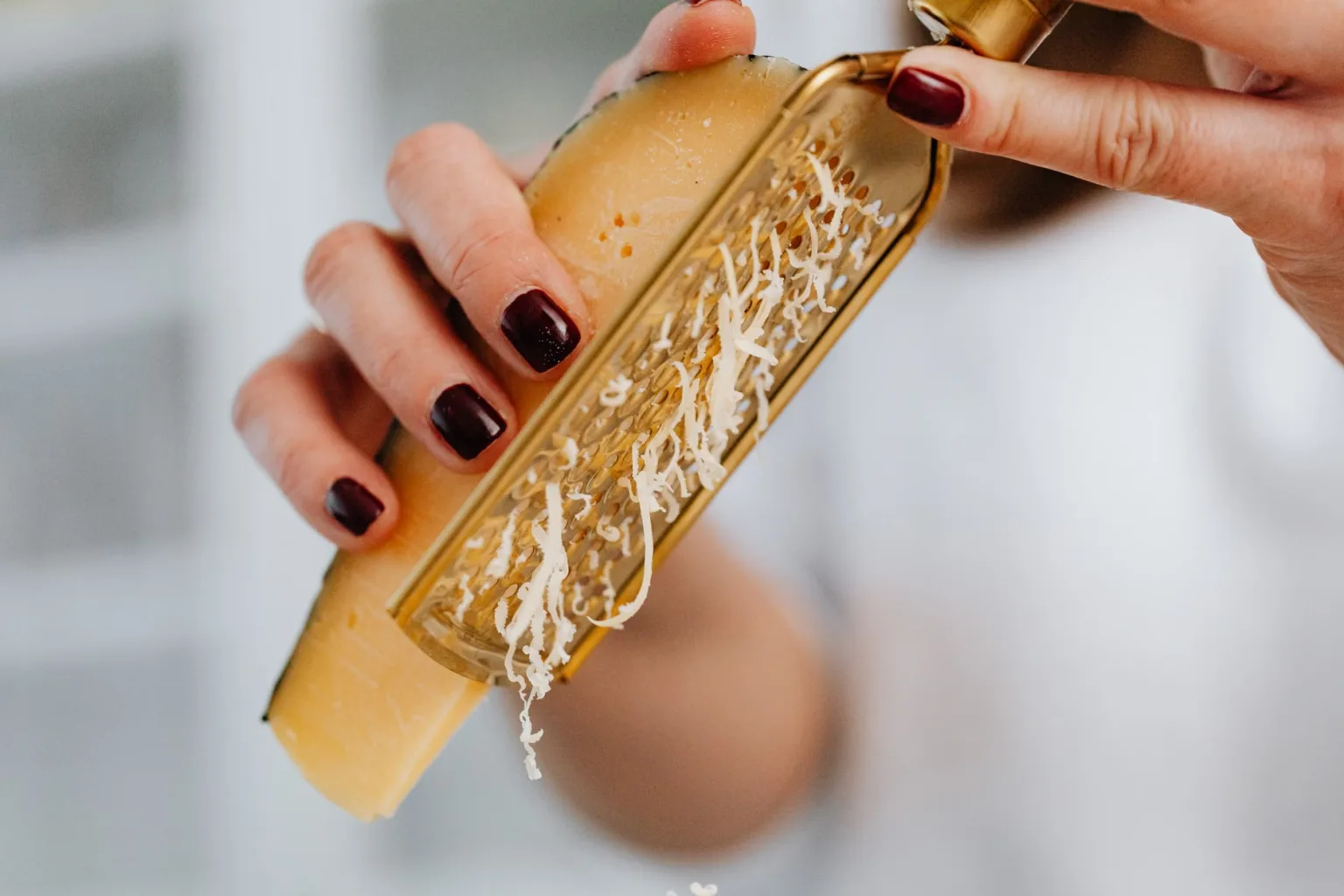
Grated Parmesan is Parmesan cheese cut into small pieces for convenient cooking. It may be sold already grated in a package or made by grating a piece of cheese at home; commercial products can differ in ingredients and presentation, so check the label. Its small format makes it easy to stir into a sauce or sprinkle over a finished dish. Products described as grated Parmesan are not necessarily identical in composition or texture. The product name and ingredient information help you identify what you are buying, while the package also provides product-specific handling and storage instructions.
When to use it
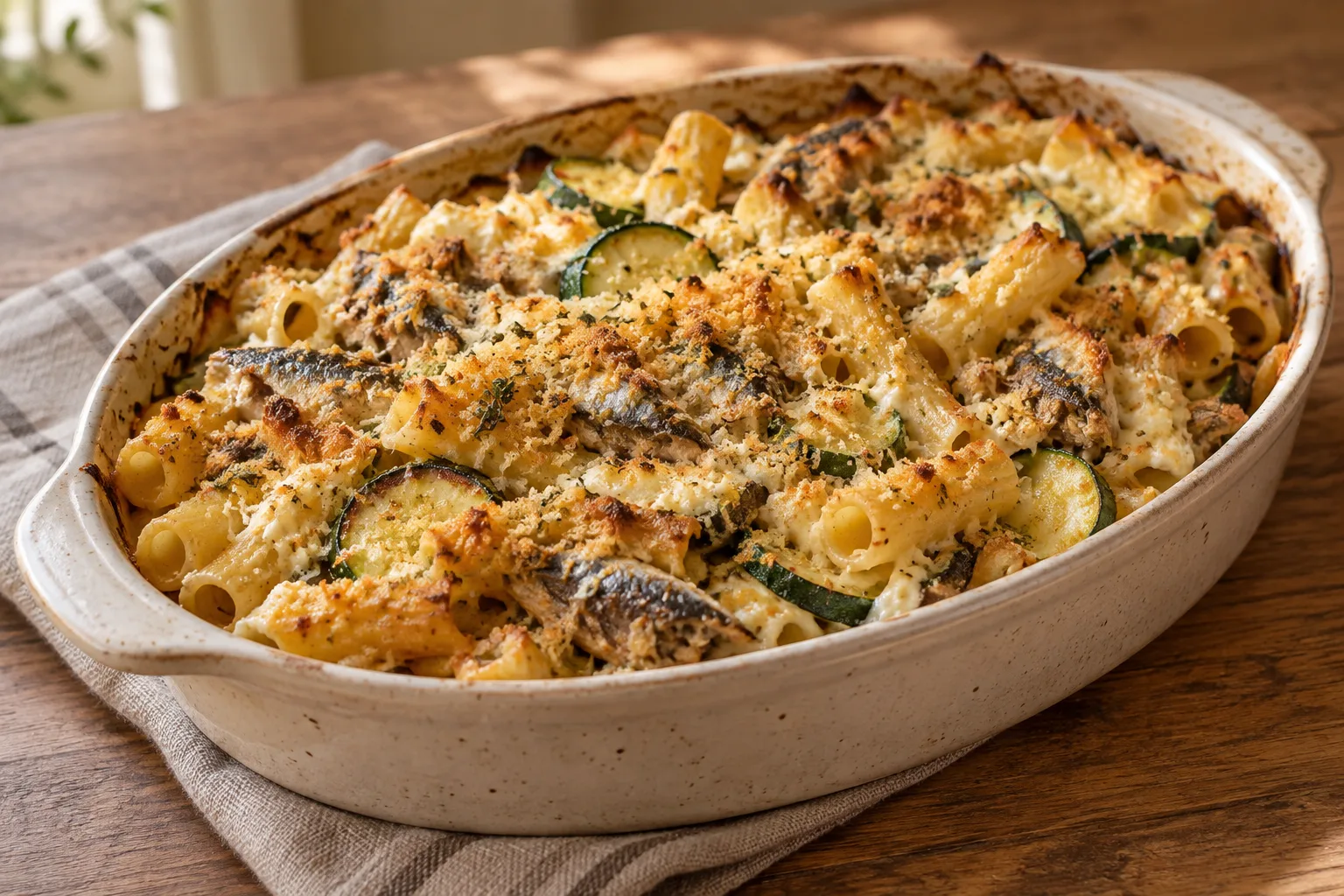
Use it when you want to add a distinct cheese flavor without cutting or grating a piece at the time. It works as a finishing touch for pasta, risotto, soup or salad, and can be stirred into sauces and other hot preparations. It can also season a breadcrumb mixture or top vegetables and dishes that will be gratinated. If your main aim is a very stretchy, flowing cheese layer, consider pairing it with another cheese: grated Parmesan is particularly useful for adding character and a savory topping rather than stretch.
How to use it
Sprinkle grated Parmesan over pasta, risotto, soup or salad shortly before serving, and taste before adding more because the cheese can contribute a pronounced flavor. For a sauce or risotto, stir it in gradually so it is distributed evenly; adding it a little at a time also helps you control the intensity and texture. For a gratin, scatter it over the surface to make a savory topping. You can also combine it with breadcrumbs for a flavorful coating before cooking. Follow any specific use instructions on the product package.
Flavour and texture
Grated Parmesan commonly brings an assertive, savory and salty taste, sometimes with nut-like notes. Its granular texture helps it spread across a dish and blend into moist preparations. The result varies with the cheese, the size of the pieces and the ingredients in a packaged product: some versions feel finer or drier than others. As a topping it adds character and can brown; on its own, it is not the best choice when a very stretchy texture is the main goal.
How to choose it
Check the product name and read the ingredient list to see what is actually in the package. The format and composition can vary among grated-cheese products, so do not assume every package contains only cheese. Review allergen information, especially for milk, and choose a package that is closed and intact. If you are looking for a particular cheese or texture, the label is more informative than the appearance of the package.
Storage
Keep grated Parmesan refrigerated and follow the package directions for storage and use, which can differ by product. After opening, close the package securely or transfer the cheese to a clean, airtight container to limit exposure to air. Avoid leaving it exposed longer than necessary. If mold appears on shredded or grated cheese, discard it rather than removing only the visible spot.
Substitutions
Grated Romano can stand in when you want another strongly flavored cheese finish, although it will not taste identical. Grana Padano is another hard-cheese option and is generally described as milder than Parmesan. Pecorino Romano may taste saltier and sharper. Add any substitute gradually and taste before adding salt to the dish, since each cheese brings a different level of intensity.
Common mistakes
Do not assume that every product called grated Parmesan has the same ingredients; read the label before buying. Adding too much at once can overwhelm a delicate dish, so start with a small amount and taste. Do not choose it expecting a very stretchy topping by itself: its usual role is to add flavor and a savory finish. Do not leave an opened package unsealed or disregard the manufacturer's storage instructions.
Safety and allergens
Parmesan is a dairy product: check the allergen information, especially if milk allergy or intolerance is a concern. Store it according to the package instructions. If grated cheese develops mold, discard it rather than cutting or picking off the visible area.
Culinary uses
- Finishing garnish and seasoning
- Savory flavor enhancer in sauces and cooked dishes
Recommended techniques
- Sprinkle over a dish just before serving
- Stir into sauces, soups, or risotto
- Use as a topping for baking or gratinating
- Mix with breadcrumbs for a savory coating
Pairs well with
- Pasta and risotto
- Soups and sauces
- Vegetables and salads
- Breadcrumbs and savory baked dishes
Frequently asked questions
What dishes can I use grated Parmesan in?
Sprinkle it over pasta, risotto, soup or salad, stir it into sauces, or use it as a topping for gratinated dishes.
How should I store it after opening?
Keep it refrigerated, close the package securely and follow the product's specific storage directions.
What can I substitute for grated Parmesan?
Romano, Grana Padano or Pecorino Romano are possible alternatives. Their flavors differ, so adjust the amount and taste before adding salt.
Estimated nutrition
- Fat
- 27.8 g
- Saturates
- 15.4 g
- Carbohydrate
- 13.9 g
- Sugars
- 0.07 g
- Fibre
- 0 g
- Protein
- 28.4 g
- Salt
- 4.5 g
Sources and review
Automatically researched, cross-checked and validated content. Sources consulted:
- En el etiquetado alimentario hay algunas menciones que son obligatorias eletiquetadocuentamucho.aesan.gob.es
- Client Challenge doi.org
- Cooking Food Storage | USU extension.usu.edu
- Aesan - Agencia Española de Seguridad Alimentaria y Nutrición aesan.gob.es
- Queso Rallado: El Complemento Ideal Para Tus Platos | Queso Destrabilla info.quesodestrabilla.es
- Queso Rallado Parmesano: Análisis Comparativo de los Mejores Variedades y Sus Usos Culinarios donquesotori.es
- **Queso Rallado de Parmesano: Comparativa y Análisis de las Mejores Opciones** laovejaquebala.es
- Queso Parmesano Reggiano: historia, usos, maridaje y recetas elpaladar.es
- Cheese-Storage-Bulletin-4-8-20.pdf cdr.wisc.edu
- Handling of Cheese for Safety & Quality | Home & Garden Information Center hgic.clemson.edu
- Food Storage for Safety and Quality - El Paso County Extension elpaso.extension.colostate.edu
- queso romano o parmesano rallado Archives | Dinner Tonight dinnertonight.tamu.edu
- Parmigiano-Reggiano: All About Italy's Prized Cheese | Institute of Culinary Education ice.edu
- How to Cook Pork Tenderloin on the Grill • southernwv.edu staging.southernwv.edu
- MINISTERIO DE AGRICULTURA, ALIMENTACIÓN Y MEDIO AMBIENTE SUBSECRETARÍA mapa.gob.es
- Descubre por qué el queso rallado parmesano es la estrella de tu cocina internacional superlekker.es