- Category
- Fruit
- State
- Preserved
- Usual unit
- g
What it is
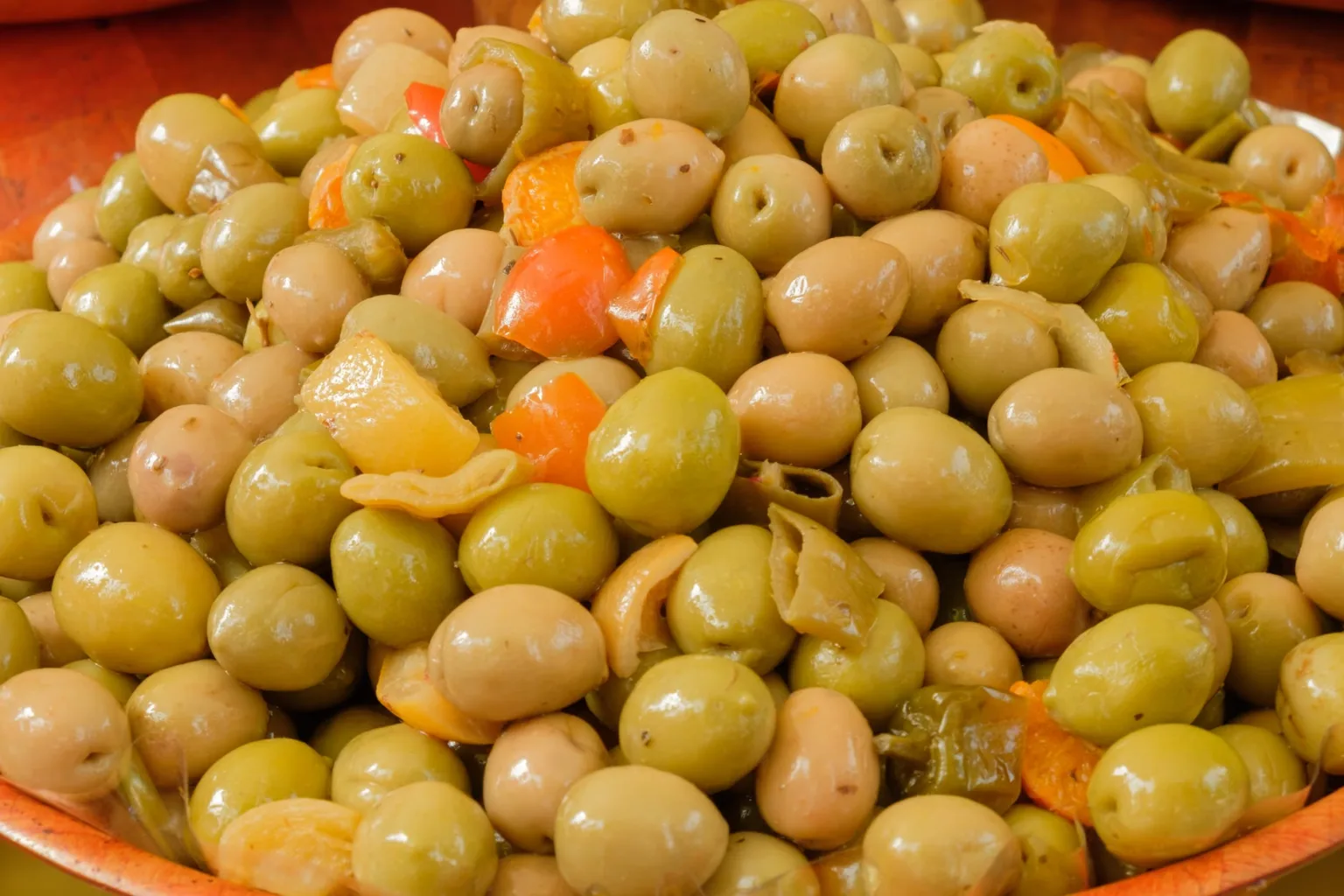
A green olive is the fruit of the olive tree harvested before it has fully ripened. Although olives are fruits, table olives sold ready to eat are not generally eaten straight from the tree: their natural bitterness is reduced through curing, which may use brine, water or salt. That treatment also affects the finished flavor. Green table olives can differ in size, shape, firmness and taste according to variety and preparation. They are sold whole, pitted or stuffed, among other forms; check the package to see exactly what the product contains.
When to use it
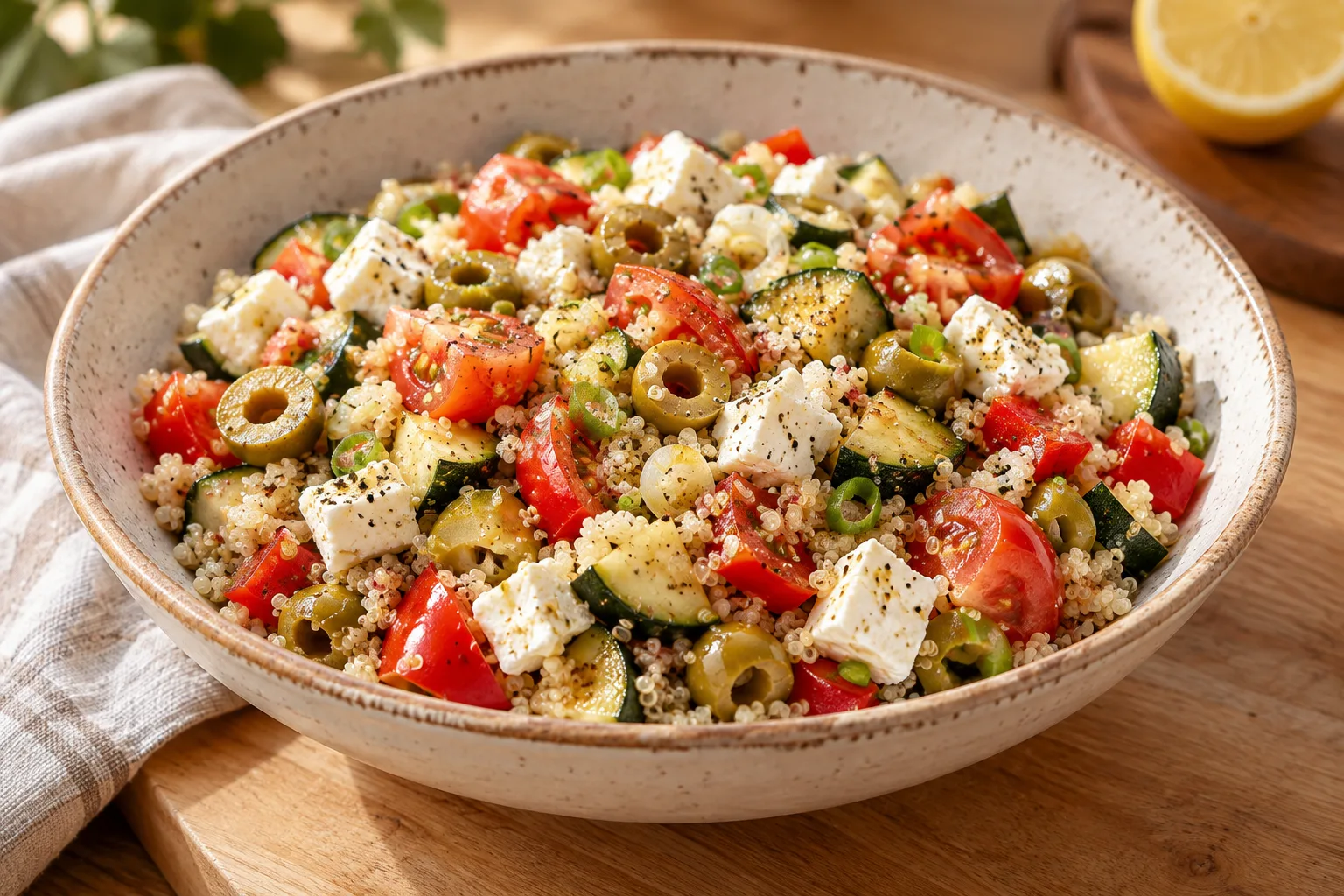
Use green olives when you want a pronounced, savory note in a snack or dish, or when a recipe calls for table olives. They can be served on their own and added to salads, pasta, pizza and other dishes. Choose a variety and format suited to the result: whole olives work well for serving, while pitted or sliced olives are easier to distribute through a dish. Since flavor and texture differ between products, taste one before adjusting the rest of the seasoning.
How to use it
Serve them as sold if they are ready to eat, following the package directions. To add them to a recipe, drain them if packed in liquid and, depending on the dish, leave them whole, pit them, or cut them into halves or slices. Add them to a salad, pasta, pizza or snack; they can also be served stuffed or with anchovy when sold in that preparation. Their flavor can take over if you use a large amount, so add them gradually and taste the dish before adding more salt or other seasonings. Do not treat them like freshly picked olives: table olives have undergone processing to reduce their bitterness.
Flavour and texture
Their flavor is often pronounced, with bitter and fruity notes that curing changes. Firmness, size and texture depend on the variety and preparation: some table olives are fleshier, while others are smaller. Green indicates that they were picked before full ripeness; it does not mean every green olive tastes the same.
How to choose it
Choose a format for the intended use: whole for serving, pitted or sliced for recipes, or stuffed if that is the preparation you want. Check the product name, ingredient list and package directions because preparations vary. When buying olives loose, ask for information about the ingredients and allergens in that specific preparation.
Storage
Follow the storage and use directions on the package, as they can differ by product and format. Check any instructions for after opening, and use clean utensils when serving. Do not infer a specific shelf life from appearance alone; follow the date and the manufacturer's directions.
Substitutions
You can replace one variety of green table olive with another, allowing for differences in size, texture and flavor. Black or purple table olives can also stand in for green olives in some dishes, but they will change the color and overall profile. They are not identical substitutes, so adjust the amount after tasting.
Common mistakes
A common mistake is treating ready-to-eat green olives as freshly picked fruit: table olives are cured to reduce their bitterness. Adding a large amount without tasting first, or immediately adding more salt, can also unbalance a dish because preparations vary. Check whether the olives are pitted rather than assuming every format is the same.
Safety and allergens
Read the label and follow the manufacturer's storage and use directions. Prepared olives may contain added ingredients, and food alerts can concern specific products; if a package is subject to an alert or recall, do not eat it and follow the competent authority's instructions.
Culinary uses
- Aperitivo y componente de tablas o picoteos
- Ingrediente salado para ensaladas, pastas y otros platos
Recommended techniques
- Curado para reducir el amargor natural; los métodos descritos incluyen salmuera, agua o sal
- Fermentación de aceitunas verdes como parte de algunos procesos de elaboración
- Deshuesar, picar o cortar en rodajas para repartirlas en un plato
Pairs well with
- Anchoas, especialmente en aceitunas rellenas
- Ensaladas y platos de pasta
- Pizza y aperitivos
Frequently asked questions
Can green olives be eaten straight from the tree?
Table olives are not generally eaten straight from the tree. Curing, which may use brine, water or salt, reduces their natural bitterness.
Why are they green?
They are harvested before full ripeness. Color alone does not mean that all green olives have the same flavor or texture.
How can I add them to a recipe?
Leave them whole, pit them or slice them, then add them to salads, pasta, pizza or snacks. Taste the dish before adjusting the salt.
Estimated nutrition
- Fat
- 20 g
- Saturates
- 3.33 g
- Carbohydrate
- 5.33 g
- Sugars
- 0 g
- Fibre
- 0 g
- Protein
- 1.33 g
- Salt
- 3.28 g
Sources and review
Automatically researched, cross-checked and validated content. Sources consulted:
- En el etiquetado alimentario hay algunas menciones que son obligatorias eletiquetadocuentamucho.aesan.gob.es
- Observatorio del Consumo y la Distribución Alimentaria “ ... mapa.gob.es
- Aceituna | Postharvest Research and Extension Center postharvest.ucdavis.edu
- Aesan - Agencia Española de Seguridad Alimentaria y Nutrición aesan.gob.es
- Variedades de aceitunas – Aceite Córdoba aceitecordoba.com
- Qué tipos de aceitunas existen y qué puedes hacer con ellos academianutricionydietetica.org
- Vamos a Conservar Alimentos: Judías verdes (habichuelas) extension.psu.edu
- Judías verdes (judías verdes) - Spend Smart Eat Smart spendsmart.extension.iastate.edu
- VARY YOUR VEGGIES: How to Select and Store Vegetables | NDSU Agriculture ndsu.edu
- Cocinar con verduras de hoja verde | University of Maryland Extension extension.umd.edu
- COMPARACIÓN DE TRATAMIENTO ALCALINO EN PRODUCCIÓN DE ACEITUNAS VERDES FERMENTADAS VARIEDADES MANZANILLA Y SEVILLANA | Ciencia & Desarrollo doi.org
- (PDF) Proceso tradicional de aderezo de aceitunas verdes de mesa. Racionalización del cocido academia.edu
- Aceitunas verdes: beneficios y usos culinarios mercantilmx.com
- Aceitunas Verdes: 2025 Historia, Variedades Y Usos.... aceitunasperu.com
- Propiedades de la aceitunas verdes y recetas sugeridas recetasdecocina.elmundo.es
- Estaciondeluque.es - Recetas saludables, nutrición y bienestar para tu vida estaciondeluque.es