- Category
- Herbs and spices
- State
- Powdered
- Usual unit
- teaspoon
What it is
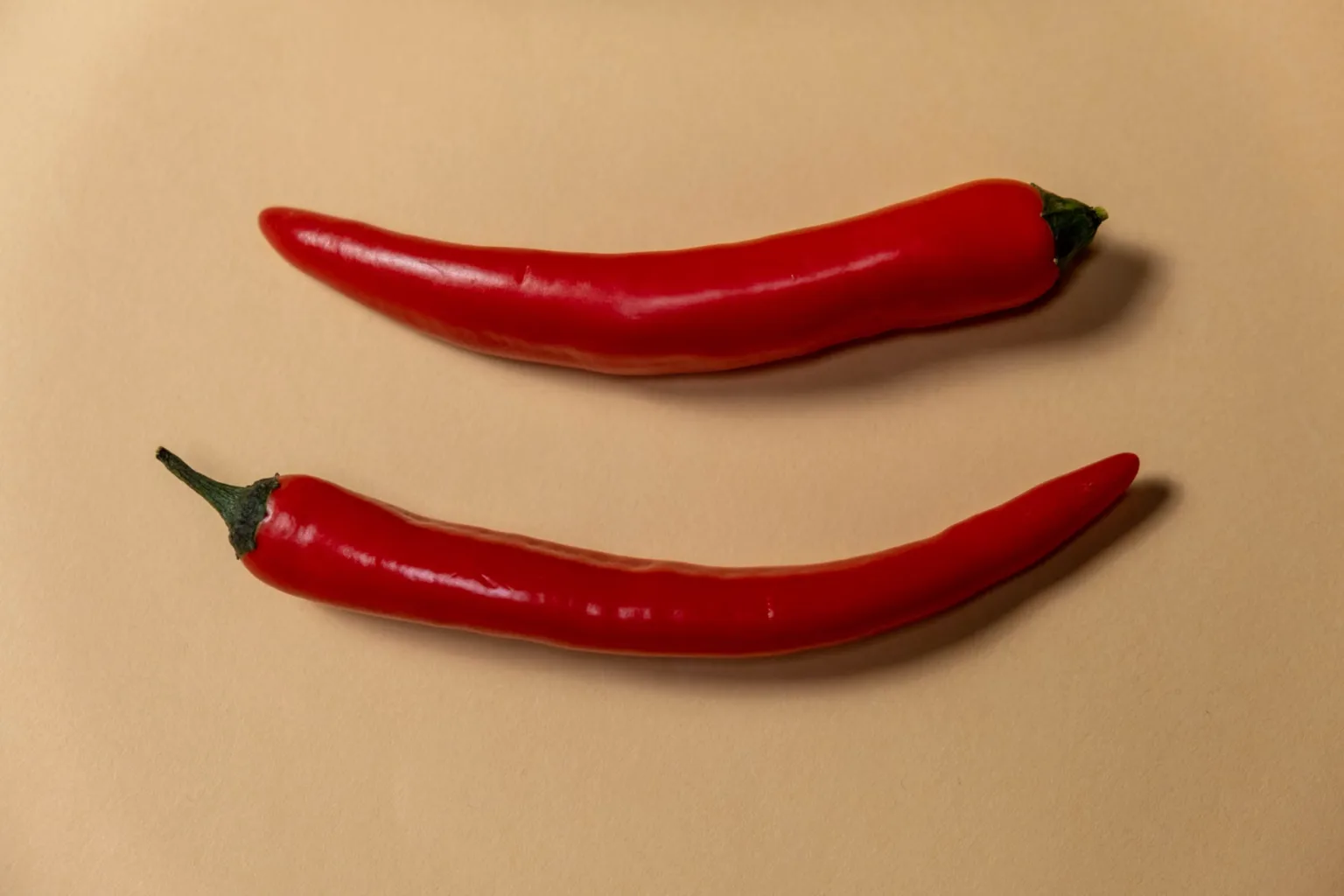
Ground cayenne is a powdered spice made by drying and grinding fruits of plants in the Capsicum genus. Despite the occasional name “cayenne pepper,” it is chile, not black pepper. It is sold as a reddish powder, and its heat comes from naturally occurring chile compounds, including capsaicin. Varieties and products can differ in intensity, so the name alone cannot tell you exactly how hot a dish will become.
When to use it
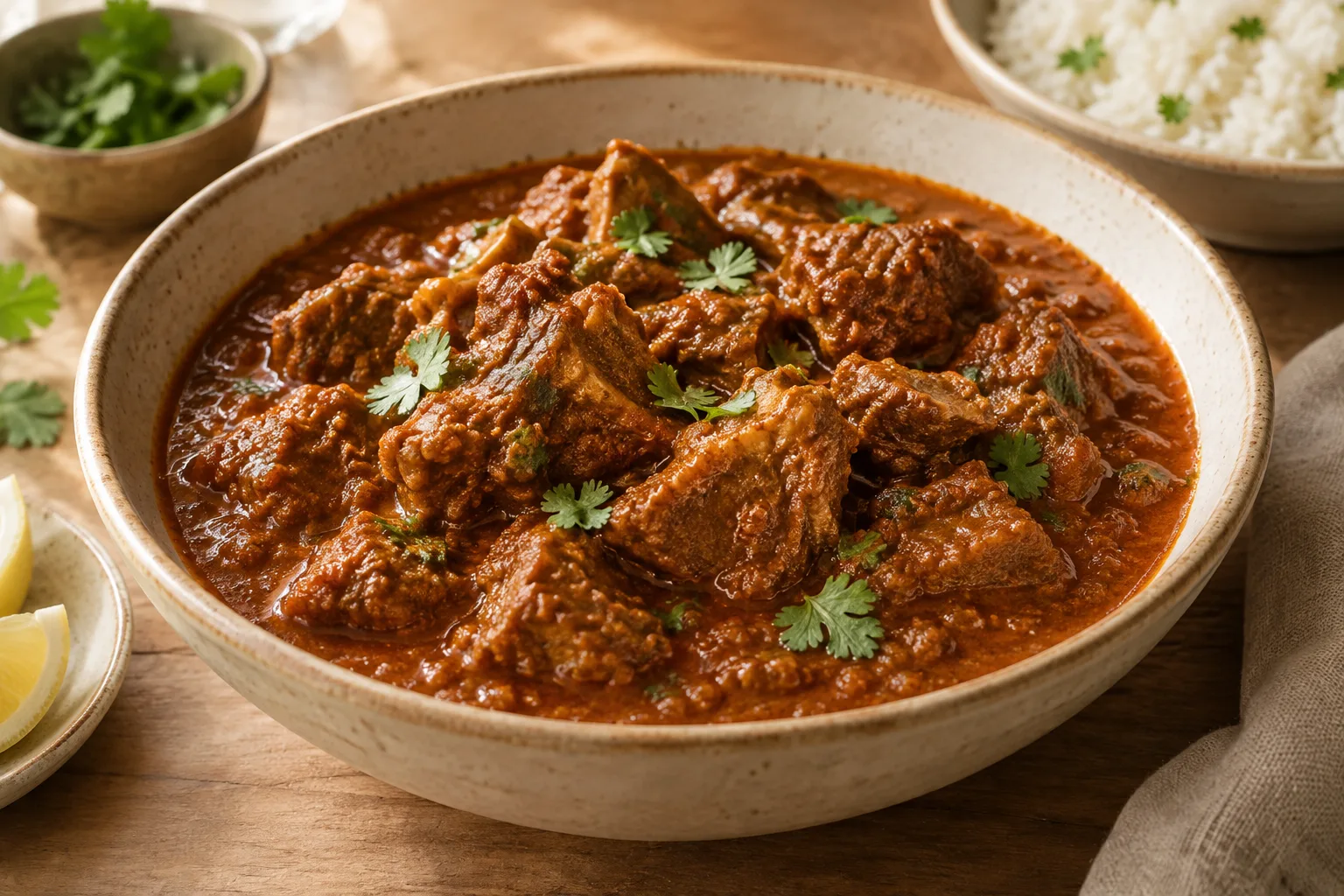
Use it when you want direct heat and a warm chile note in a recipe, such as soup, stew, sauce, pasta, curry or marinade. It is also used with meat, seafood, vegetables and eggs. Because its heat can be strong and may vary between products, it is easier to control the result by adding it gradually and tasting before adjusting. Ground cayenne works well when you want chile distributed through a dish rather than encountering a whole pepper.
How to use it
Stir a small amount into a liquid, sauce or spice mixture so it disperses, then taste and adjust only if needed. It can be added while combining ingredients for soups and stews; for a marinade, mix it evenly through the other ingredients. The powder blends readily into sauces and moist preparations, so its heat can spread throughout a recipe. There is no universal quantity: the right amount depends on the product and the desired intensity. If you are unfamiliar with the cayenne, begin cautiously and taste before adding more.
Flavour and texture
Ground cayenne has a warm, hot chile profile and a red color that can add visual presence to a dish. Its fine powder disperses among ingredients and does not have the texture of a whole chile. Flavor and heat are not identical across products; variety, processing and batch can affect the experience, so taste in small amounts when trying an unfamiliar product.
How to choose it
Choose a package identified as ground cayenne or ground chile, and check the ingredient list and allergen information for that specific product. Color and heat can differ, so appearance alone is not a reliable measure of intensity. Prefer a well-closed package and check that the powder shows no visible signs of insects or spoilage before use.
Storage
Store it in a cool, dry place away from direct light, following the package directions. Keeping the container closed helps protect the powder in storage. Periodically inspect dried spices kept in the pantry, and do not use the product if you find insects or clear signs of infestation; seal infested products in a bag and discard them.
Substitutions
Ground chile can replace cayenne, but heat and flavor depend on the variety and product. Hot paprika can also contribute heat and color, but it should not be treated as identical to cayenne. In either case, start with a small amount, taste and adjust; there is no fixed conversion that guarantees the same result.
Common mistakes
Adding a large amount at once can make a dish much hotter than intended. It is also a mistake to assume every ground cayenne product has the same intensity or to substitute another spice in the same amount without tasting. Add gradually, stir well and evaluate the flavor before adjusting.
Safety and allergens
Check the product for cleanliness and signs of pantry insects. If you find an infestation, do not use the contents: seal them in a bag and discard them, and inspect other dry goods stored nearby.
Culinary uses
- Aportar picante y calidez
- Sazonar y dar color a preparaciones saladas
Recommended techniques
- Incorporar poco a poco y probar
- Mezclar en salsas, guisos o marinadas para repartir el polvo
Pairs well with
- Sopas y guisos
- Salsas, pastas y curris
- Carnes y mariscos
- Verduras y huevos
Frequently asked questions
Is ground cayenne black pepper?
No. It is ground chile from the Capsicum genus; black pepper is a different spice.
How hot will it make a dish?
Intensity varies by product. Add a little, stir and taste before adding more.
What dishes can use ground cayenne?
It can season soups, stews, sauces, pasta, curries, marinades, meat, seafood and vegetables, among other dishes.
Estimated nutrition
- Fat
- 0 g
- Saturates
- 0 g
- Carbohydrate
- 0 g
- Sugars
- 0 g
- Protein
- 0 g
- Salt
- 0 g
Sources and review
Automatically researched, cross-checked and validated content. Sources consulted:
- Client Challenge doi.org
- Guindilla: Botánica, cultura y sabor en una Especia | Alveus alveus.eu
- Cayena: qué es, cómo se usa y recetas | JUST SPICES ® justspices.es
- Vamos a Conservar Alimentos: Tomates extension.psu.edu
- A Spicy Surprise | BYGL bygl.osu.edu
- Reto Le Cordon Bleu Madrid: Bisque de langostinos asados, hinojo a la naranja y crème fraîche cordonbleu.edu
- Fresh Produce Recipe Book | Wsu s3.wp.wsu.edu
- Cayena: qué es, propiedades y cómo tomarla bonviveur.com
- Pimienta de cayena (¿cruda?, ¿orgánica?) | Fundación G+E diet-health.info
- " El amor en los tiempos del cólera -- [Love in the Time of Cholera]" people.duke.edu
- Efecto de conservantes derivados de la fermentación ... bdigital.zamorano.edu
- CAYENA MOLIDA EXTRA PICANTE alesframa.com
- Cayena molida Regional Co 50 g cocinista.es
- Cayena Molida Ecológica - Alimentos Ecológicos Biogredos biogredos.es
- - YouTube youtube.com