- Category
- Herbs and spices
- State
- Powdered
- Usual unit
- teaspoon
What it is
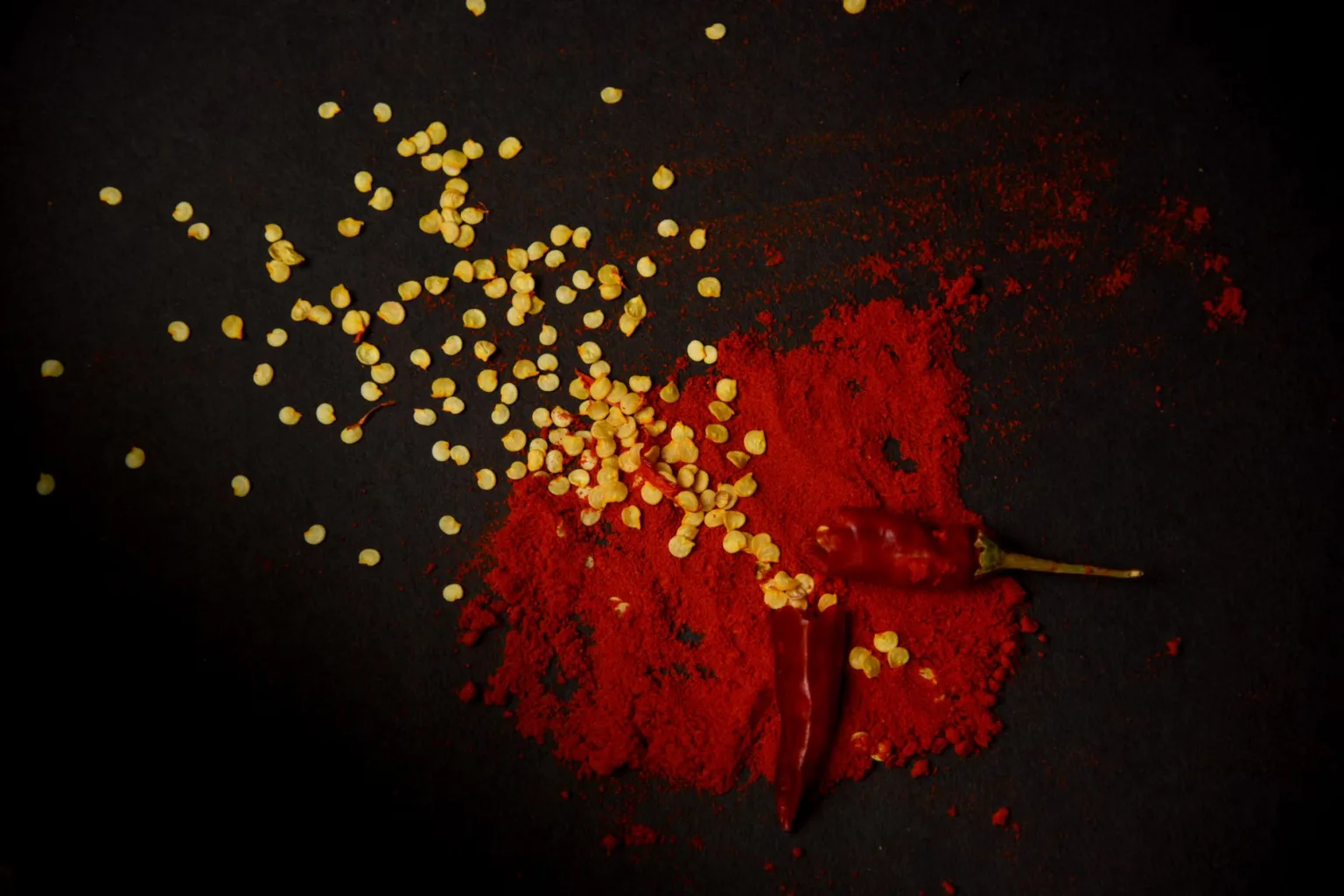
Timur pepper is a spice associated with Zanthoxylum armatum and Nepali cuisine. In ground form, it is a powdered seasoning, not the familiar black pepper made from Piper nigrum. The supplied evidence describes a citrus-forward profile with lemon-like and floral notes, as well as a tingling or mildly numbing sensation in the mouth. It is compared with Sichuan pepper because of that sensation and because both are associated with the genus Zanthoxylum, but their aromas and culinary applications are not identical. Since a product name alone cannot verify the species or ingredients in every package, check the product label.
When to use it
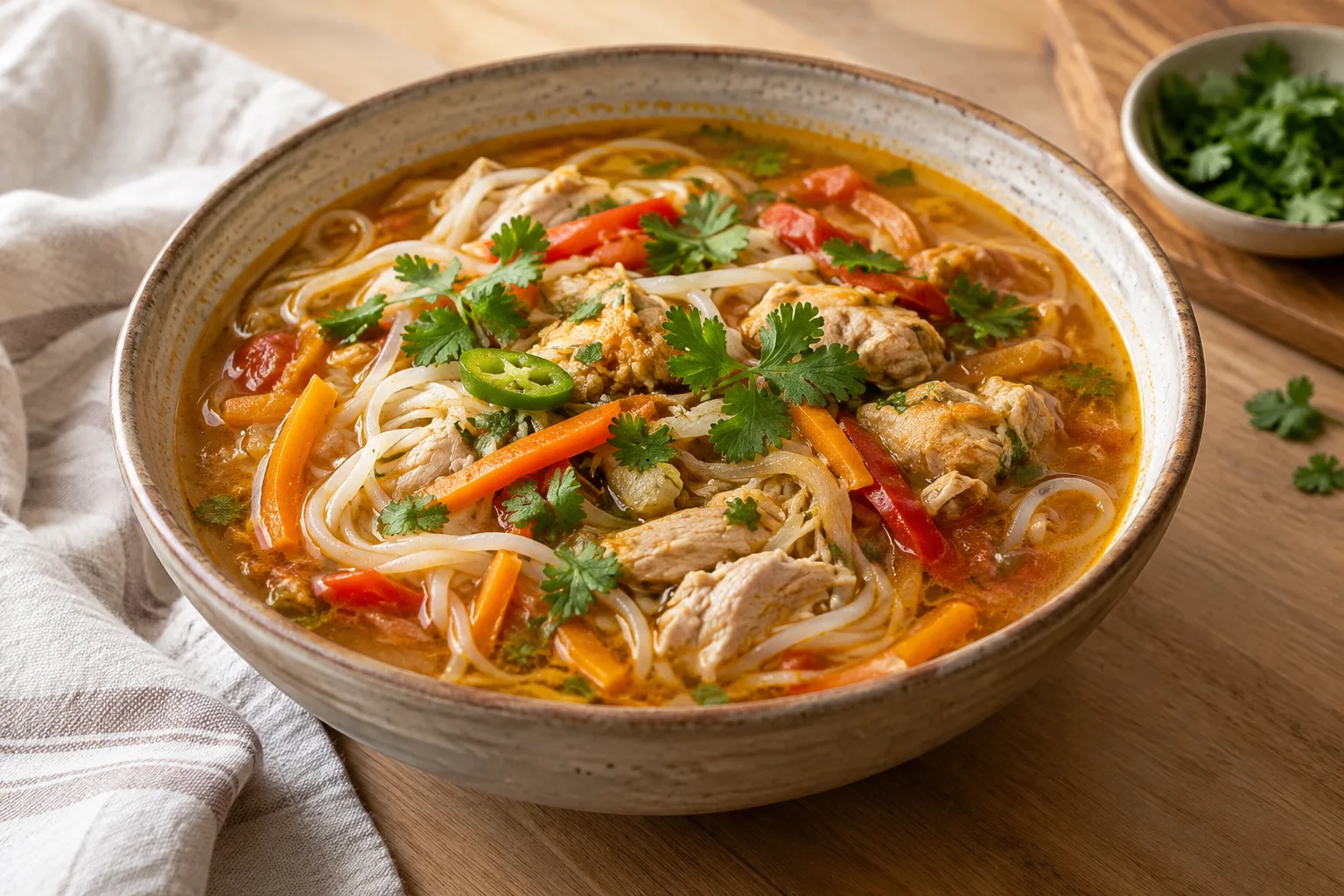
Use it when you want to add citrus and floral aromas and a lively sensation to a dish. The evidence identifies chutneys, pickles, and broths as suitable uses, particularly where its refreshing character can balance strong or fermented flavors. It can also bring a distinctive note to a spice blend. Do not treat it as interchangeable in flavor or quantity with black pepper or Sichuan pepper: it shares some similarities with the latter, but the source describes clear differences between them.
How to use it
Add ground timur pepper as a seasoning in chutneys, pickles, or broths, then taste to decide whether you want a more pronounced aroma. Its citrus and floral character can bring freshness to strong or fermented flavors, while its tingling quality adds a distinctive mouthfeel. The available evidence does not specify amounts or precise timing, so begin sparingly and adjust to taste and to the package directions. If a recipe calls for Sichuan pepper, timur may offer a related sensation, but it will not reproduce the same flavor profile exactly.
Flavour and texture
Its profile is described as citrusy, with lemon-like notes and floral nuances. It can create a tingling or mildly numbing sensation in the mouth. In ground form it is a powder; the evidence does not describe its granularity or establish that every brand has the same intensity.
How to choose it
Look for a package that clearly identifies the product as timur and check the ingredient list to see whether it contains only ground spice or a blend. The evidence associates timur with Zanthoxylum armatum, but does not verify the identity or ingredients of every commercial product. If you are seeking its citrus and floral profile, do not assume that a package of Sichuan pepper is equivalent: the two spices are described as differing in aroma and application.
Storage
The available evidence does not specify storage conditions, shelf life, or preservation methods for ground timur. Keep it in its package and follow the manufacturer's directions; check the label before use. Do not assign it a specific shelf life without package information. If the powder changes in appearance or aroma, consult the supplier's guidance.
Substitutions
Sichuan pepper is a related alternative because it is associated with the genus Zanthoxylum and can also bring citrus notes and a tingling sensation, but its profile and use are not the same as timur's. The evidence establishes no exact substitute if you want to retain timur's distinctive character. If you do not have it, you can leave it out rather than expect a perfect match.
Common mistakes
Do not confuse timur with ordinary black pepper or assume it is interchangeable with Sichuan pepper. The evidence distinguishes timur's citrus and floral profile and notes differences in aroma and application between these spices. Also, do not assume that every product labelled timur contains exactly the same species; check the package.
Safety and allergens
The supplied evidence identifies no specific safety warning for ground timur. Use it as a food seasoning and follow package directions; check the ingredient list if you need to avoid a particular ingredient.
Culinary uses
- Aportar aroma cítrico y floral
- Añadir una sensación vibrante y ligeramente anestesiante
Recommended techniques
- Incorporar como condimento en chutneys y caldos
- Añadir a encurtidos o mezclas de especias
Pairs well with
- Chutneys y encurtidos
- Caldos y preparaciones de sabor intenso o fermentado
Frequently asked questions
What does ground timur pepper taste like?
It is described as citrusy, with lemon-like and floral notes. It can also create a tingling or mildly numbing sensation.
Is timur the same as Sichuan pepper?
No. Both are associated with the genus Zanthoxylum and can share citrus notes and a tingling sensation, but the evidence notes differences in aroma and application.
What can I use it in?
The evidence mentions chutneys, pickles, and broths. Try it as a seasoning in these preparations and adjust based on the result.
Sources and review
Automatically researched, cross-checked and validated content. Sources consulted:
- ¿Por qué la muerte es origen de miedos y tabúes? doi.org
- Client Challenge doi.org
- The Essential Glossary of Cooking Terms for the Culinary Arts - Escoffier escoffier.edu
- Pimienta: origen, tipos, propiedades y usos en la cocina bonviveur.com
- Pimienta- Gastronomía - Región de Murcia Digital regmurcia.com
- Pimienta Blanca paprimur.es
- Quédate en casa y cocina: Propuestas de nuestros alumni (Pollo de corral a la mostaza con verduras de temporada salteadas) cordonbleu.edu
- 12 Surprising Ways Timur Enhances Your Culinary Experience nationalorganics.com.np
- - YouTube youtube.com
- Reto Le Cordon Bleu Madrid: Bisque de langostinos asados, hinojo a la naranja y crème fraîche cordonbleu.edu
- Tipos de pimienta: variedades, sabores y usos en cocina munozypujante.com
- ¿Cómo usar la pimienta en la cocina? | Recetas Nestlé recetasnestle.com.ec